

The United Nations Office at Geneva
Multimedia Newsroom
Edited News , Press Conferences | WMO
Conférence de presse de l'OMM : Bulletin de la qualité de l'air et du climat - 30 août 2024
Sujet:
Bulletin annuel de la qualité de l'air et du climat de l'OMM
Embargo jusqu'à 00h01 GMT le 6 septembre pour la Journée internationale de l'air pur pour des ciels bleus
Orateur:
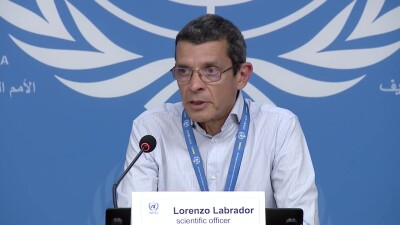
- Lorenzo Labrador, responsable scientifique, OMM
Histoire : Conférence de presse de l'OMM : Bulletin sur la qualité de l'air et le climat
TRT : 03’08”
SOURCE : UNTV CH
LANGUE : ANGLAIS / NATS
FORMAT D'IMAGE : 16:9
DATELINE : 05 septembre 2024 - GENÈVE, SUISSE
RESTRICTIONS : AUCUNE
LISTE DES PLANS
- Plan extérieur moyen : allée des drapeaux de l'ONU.
- Plan large du podium dans la salle de conférence de presse.
- EXTRAIT SONORE (Anglais) Lorenzo Labrador, Responsable scientifique, OMM : “Presque tout le monde sur Terre, en gros neuf personnes sur dix, respire un air qui est essentiellement impropre à l'usage. Cela signifie que cet air dépasse les limites des directives de l'OMS et contient un niveau élevé de polluants, les pays à revenu faible et intermédiaire étant les plus touchés.”
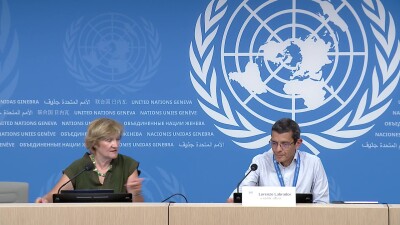
- Plan moyen-large, orateurs au podium et salle de presse.
- EXTRAIT SONORE (Anglais) Lorenzo Labrador, Responsable scientifique, OMM : “La pollution de l'air ambiant seule, provenant principalement des véhicules et de l'industrie, cause plus de 4,5 millions de décès prématurés par an. Pour donner un contexte, c'est plus que les décès dus au paludisme et au VIH/SIDA combinés ; donc la pollution de l'air est le plus grand risque environnemental de notre époque. Mais ce n'est pas seulement un risque pour la santé en soi, cela exacerbe également le changement climatique.”
- Plan moyen, orateurs au podium vus d'en haut, écrans de télévision montrant les orateurs dans la salle de presse.
- EXTRAIT SONORE (Anglais) Lorenzo Labrador, Responsable scientifique, OMM : “Nous avons tendance à croire que la baisse de la pollution en Europe et en Chine est le résultat direct d'une réduction des émissions dans ces pays au fil des ans, et nous avons remarqué cette tendance depuis que nous avons commencé à publier le bulletin en 2021. Donc, nous pouvons dire que nous commençons à voir une tendance à cet égard.”
- Plan moyen-large, orateurs au podium et salle de presse.
- EXTRAIT SONORE (Anglais) Lorenzo Labrador, Responsable scientifique, OMM : “Alors que les particules fines sont responsables d'environ huit millions de décès prématurés par an dans le monde, il n'est pas surprenant que l'accent soit généralement mis sur les effets des particules fines sur la santé. Cependant, un rapport de l'Organisation météorologique mondiale de 2023 a souligné que les particules fines peuvent gravement affecter la productivité des cultures - des cultures de base - telles que le maïs, le riz et le blé.
- Plan moyen-rapproché, écran de télévision montrant M. Labrador.
- EXTRAIT SONORE (Anglais) Lorenzo Labrador, Responsable scientifique, OMM : “Une grande partie de cette pollution par les particules fines qui affecte les rendements des cultures est due à des pratiques humaines, notamment les pratiques d'utilisation des terres telles que le labour et la récolte. De plus, l'application d'engrais et le brûlage des chaumes à la fin de la saison, des saisons de croissance.”
- Plan moyen, mains de l'orateur sur le bureau et écran.
- EXTRAIT SONORE (Anglais) Lorenzo Labrador, Responsable scientifique, OMM : “Nous avons rapporté en 2022 la saison des incendies de forêt de 2021 en Sibérie, qui était très, très forte. Mais il y a des indications que l'incendie de forêt que nous avons eu au Canada l'année dernière était encore plus fort en termes d'émissions. Il a battu des records concernant la superficie brûlée sur une période de 20 ans au Canada.”
- Plan moyen-large, vue surélevée des orateurs au podium et salle de presse.
- EXTRAIT SONORE (Anglais) Lorenzo Labrador, Responsable scientifique, OMM : “La première chose que les villes doivent faire est de reconnaître que le problème existe en premier lieu. Donc, ces villes et ces pays doivent d'abord reconnaître qu'il y a un problème de qualité de l'air et il y a suffisamment de données dans le monde pour reconnaître essentiellement que c'est un problème mondial, en particulier dans les zones urbaines.”
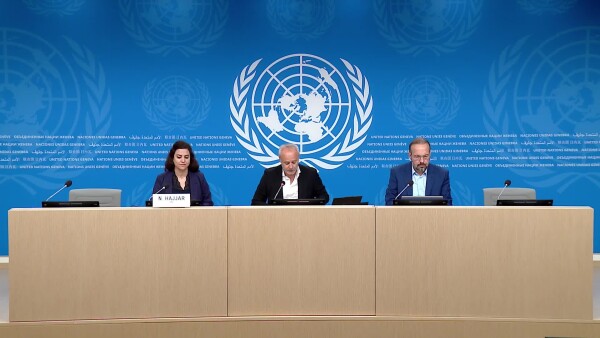
- Plan large, podium et orateurs avec le logo de l'ONU en arrière-plan.
- Plan moyen, journaliste.
Similar Stories
1
1
1
Press Conferences | WMO , UNHCR , WHO , ILO
WMO: Greenhouse Gas Bulletin; UNHCR: As attacks intensify UNHCR urges support for war ravaged Ukrainians; WHO: Clinical trials in DRC: vaccines and beyond; ILO: New global and regional estimates on domestic work, informality and working conditions

1
1
1
Edited News | OCHA , UNICEF , WFP
Aid agencies warned on Friday of the fast-developing humanitarian emergency inside Taiz City in Yemen, which has been encircled by de facto Houthi forces fighting government troops along the country’s west coast.
1
1
1
Press Conferences | UN WOMEN , WFP , WHO
UN WOMEN: Sudan Women and girls one year after the fall of El Fasher; increasing drone attacks across the country; WFP: DRC - Ebola spreads to eighth DRC province as WFP delivers food, builds treatment centres and keeps supplies moving; WHO - Update on Ebola (Bundibugyo Virus Disease)
1
12
1
1
Press Conferences , Images | UNOG
Closing Press Conference following the Sixth Consultative Meeting on Enhancing Coordination of Peace Initiatives and Efforts in Sudan

2
17
1
2
Edited News , Press Conferences , Images | OCHA , WMO
Two UN agencies teamed up on Wednesday to issue an appeal for immediate assistance to help communities already being impacted by the strongest El Niño on record.

3
16
2
2
Edited News , B-roll , Conferences , Images | UNITED NATIONS , UNOG
Sixth Consultative Meeting on Enhancing Coordination of Peace Initiatives and Efforts for Sudan
1
1
1
Press Conferences | CITES
Wildlife trade and conservation policy discussions at the 81st meeting of the CITES Standing Committee (SC81)

1
1
1
Edited News | UNICEF , WHO , UNHCR
Yemen war continues to force families from homes amid hunger and disease
More than 250,000 people have now fled renewed fighting in Yemen, the UN said on Tuesday, citing particular concern for those sheltering in the southwestern city of Taiz and the wider governorate, where access is “essentially blocked”.
1
1
1
Press Conferences | UNHCR , UNCTAD , WMO , OCHA , UNICEF , WHO
UNHCR Hungary’s 1956 Refugee Crisis: 70 Years On, UNCTAD World Investment Forum 2026, Doha, WMO Greenhouse Gas Bulletin and Climate Update for COP31, OCHA Afghanistan: Malnutrition, Girls’ Education and Recovery, UNICEF Yemen: Child Malnutrition and Unsafe Water in Taiz, WHO Inequalities in Noncommunicable Diseases and Risk Factors
1
1
1
Press Conferences | UNHCR
End of UNHCR's 77th Annual Executive Committee (ExCom) meeting week

1
1
1
Edited News | UNICEF
A little over one year since a ceasefire agreement was announced between Hamas fighters and Israel, more than 340 children have been reported killed and hundreds more injured, the UN Children’s Fund, UNICEF, said on Friday.
1
1
1
Press Conferences | UNICEF , IOM , UNHCR
UN Special Assistant to the Personal Envoy Office (SUDAN): Peace Initiatives and Efforts in Sudan; UNICEF: Dire situation of children in Gaza; IOM: Damaged Homes and Energy Attacks Risk Displacing Ukrainians for this winter; UNHCR: update on EXCOM week