

The United Nations Office at Geneva
Multimedia Newsroom
Les pauses humanitaires dans les combats à Gaza permettront à la campagne de vaccination contre la polio de commencer dimanche, selon l'OMS
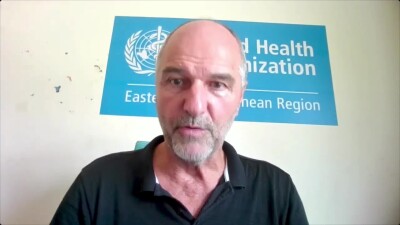
Les Nations Unies ont conclu un accord provisoire avec les parties impliquées dans la guerre à Gaza pour des pauses humanitaires afin de permettre la vaccination de 640 000 enfants en pleine épidémie du virus. Selon le représentant de l'Organisation mondiale de la santé (OMS) pour les territoires palestiniens occupés, le Dr Rik Peeperkorn, la campagne de vaccination en deux tours doit commencer le 1er septembre dans le centre de Gaza pendant trois jours, puis se déplacer vers les zones sud et nord. Une deuxième dose sera administrée après quatre semaines.
“Pendant chaque tour de la campagne, le ministère palestinien de la Santé, en collaboration avec l'Organisation mondiale de la santé, l'UNICEF, l'UNRWA et les partenaires, fournira deux gouttes de vaccin oral antipoliomyélitique de type 2 (nOPV2) à plus de 640 000 enfants de moins de 10 ans,” a déclaré le Dr Peeperkorn aux journalistes à Genève.
La campagne est prête après la livraison de 1,26 million de doses de vaccins à Gaza et de 500 transporteurs de vaccins. Selon l'agence de santé des Nations Unies, 400 000 doses de vaccins supplémentaires arriveront bientôt à Gaza.
Parlant depuis Gaza, le Dr Peeperkorn a salué un engagement préliminaire avec l'armée israélienne pour des “pauses humanitaires spécifiques à certaines zones” pendant la campagne de vaccination. “Nous appelons toutes les parties à suspendre les combats pour permettre aux enfants et aux familles d'accéder en toute sécurité aux établissements de santé et aux travailleurs de proximité communautaire d'atteindre les enfants qui ne peuvent pas accéder aux établissements de santé pour la vaccination contre la polio,” a-t-il déclaré.
Sans pauses humanitaires, la campagne - une tâche massive dans n'importe quel contexte, sans parler après plus de 10 mois de combats intenses, de pertes massives et de déplacements ainsi que de propagation de maladies - ne sera pas possible, a averti l'OMS.
La campagne sera déployée en phases de trois jours chacune, en commençant par le centre de Gaza, suivi du sud et enfin du nord de Gaza. Les vaccinations seront prolongées d'un jour partout où cela sera nécessaire pour tenir compte des pics de violence, des routes détruites et des dommages aux infrastructures - tous des obstacles supplémentaires qui pourraient entraver l'objectif d'atteindre une couverture vaccinale suffisante en trois jours dans chaque zone. Une couverture vaccinale d'au moins 90 % pendant chaque tour de la campagne est nécessaire pour arrêter l'épidémie et prévenir la propagation internationale de la polio.
L'agence de santé des Nations Unies coordonnera avec toutes les parties, y compris l'unité de coordination humanitaire israélienne, COGAT, pour assurer un accès sûr aux établissements de santé pour les enfants et les familles.
“La sécurité est primordiale” pour plus de 2 180 travailleurs de la santé et travailleurs de proximité communautaire prêts à soutenir la campagne, a insisté le Dr Peeperkorn. Les vaccins seront livrés à 392 emplacements et complétés par environ 300 équipes mobiles - un arrangement “pas idéal” - mais qui a été convenu “avec toutes les parties,” a-t-il poursuivi. “Nous ferons de notre mieux pour atteindre une couverture de 90 %.”
Selon l'OMS, la vaccination de routine a été “très bien reçue” à Gaza et en Cisjordanie historiquement, les parents étant désireux d'amener leurs enfants pour la vaccination. La couverture était aussi élevée que 95 % les années précédentes, plus élevée que dans de nombreux pays.
Au milieu d'un quatrième jour d'opérations militaires israéliennes en Cisjordanie, les humanitaires ont exprimé des préoccupations concernant la sécurité des civils et des équipes d'aide.
Les raids des forces de sécurité israéliennes (ISF) dans les zones densément peuplées de Jénine et de Tulkarem auraient tué au moins 15 personnes. “L'accessibilité sans entrave des installations est cruciale pour atteindre et recevoir des soins, mais aussi pour fournir une aide sanitaire. Nous appelons à la protection des infrastructures, des ambulances, des travailleurs de la santé autour des hôpitaux, des établissements de santé,” a réitéré le Dr Peeperkorn.
Le secrétaire général de l'ONU, António Guterres, a condamné la situation tard mercredi, appelant à une “cessation immédiate” des opérations israéliennes dans les TPO.
Depuis le début de la guerre, 652 Palestiniens ont également été tués en Cisjordanie et à Jérusalem-Est, dont 150 enfants, selon le ministère palestinien de la Santé. Plus de 5 400 personnes ont été blessées.
Fin.
Histoire : “Campagne de vaccination contre la polio à Gaza – OMS” – 30 août 2024
Orateur :
- Dr. Rik Peeperkorn, représentant de l'Organisation mondiale de la santé (OMS) pour les territoires palestiniens occupés (TPO) - (parlant depuis Gaza)
TRT : 02’36”
SOURCE : UNTV CH
LANGUE : ANGLAIS / NATS
RATIO D'ASPECT : 16:9
DATELINE : 30 août 2024 - GENÈVE, SUISSE
Conférence de presse à Genève
LISTE DES PLANS
- Plan moyen extérieur : allée des drapeaux de l'ONU.
- Plan large du podium dans la salle de conférence de presse.
- EXTRAIT SONORE (Anglais) Dr. Rik Peeperkorn, représentant de l'OMS pour les territoires palestiniens occupés (TPO) : “Une campagne de vaccination contre la polio en deux phases commencera le 1er septembre dans la bande de Gaza. Lors de chaque phase de la campagne, le ministère palestinien de la Santé, en collaboration avec l'Organisation mondiale de la santé, l'UNICEF, l'UNRWA et des partenaires, administrera deux gouttes du nouveau vaccin oral contre la polio de type 2 (nOPV2) à plus de 640 000 enfants de moins de dix ans.”
- Plan moyen du podium et de l'écran dans la salle de conférence de presse.
- EXTRAIT SONORE (Anglais) Dr. Rik Peeperkorn, représentant de l'OMS pour les territoires palestiniens occupés (TPO) : “Nous accueillons très favorablement l'engagement préliminaire à ce que nous appelons des pauses humanitaires spécifiques à certaines zones pendant la campagne. Nous appelons toutes les parties à cesser les combats pour permettre aux enfants et aux familles d'accéder en toute sécurité aux établissements de santé et aux travailleurs communautaires d'atteindre les enfants qui ne peuvent pas accéder aux établissements de santé pour la vaccination contre la polio.”
- Plan moyen : écran et journalistes prenant des notes dans la salle de conférence de presse.
- EXTRAIT SONORE (Anglais) Dr. Rik Peeperkorn, représentant de l'OMS pour les territoires palestiniens occupés (TPO) : “Plus de 2 180 travailleurs de la santé et travailleurs communautaires sont prêts et soutiendront la campagne. La campagne sera menée à travers 392 points fixes et 200, presque 300 équipes mobiles. C'est une opération massive. Leur sécurité, bien sûr, est primordiale.”
- Plan moyen du caméraman dans la salle de conférence de presse et de la salle de contrôle à l'arrière.
- EXTRAIT SONORE (Anglais) Dr. Rik Peeperkorn, représentant de l'OMS pour les territoires palestiniens occupés (TPO) : “Les équipes sont prêtes à aller de l'avant et nous nous attendons à ce que cela se passe de la meilleure manière possible. Possible, pas idéal, je tiens à le souligner, pas idéal, mais je pense que nous, avec toutes les parties, avons convenu que c'est la voie à suivre. Et nous ferons de notre mieux pour atteindre une couverture de plus de 90 %.”
- Plan large de la salle de conférence de presse et de la salle de contrôle.
- EXTRAIT SONORE (Anglais) Dr. Rik Peeperkorn, représentant de l'OMS pour les territoires palestiniens occupés (TPO) : “Nous rappelons toujours, encore et encore, que l'accessibilité sans entrave des installations est cruciale pour atteindre et recevoir des soins, mais aussi pour fournir une aide sanitaire, etc. Nous appelons donc à la protection des infrastructures, des ambulances, des travailleurs de la santé autour des hôpitaux, des établissements de santé.”
- Plans variés de la salle de conférence de presse, de la salle de contrôle et des journalistes.
Similar Stories
1
1
1
Edited News | OCHA , UNICEF , WFP
Aid agencies warned on Friday of the fast-developing humanitarian emergency inside Taiz City in Yemen, which has been encircled by de facto Houthi forces fighting government troops along the country’s west coast.

2
17
1
2
Edited News , Press Conferences , Images | OCHA , WMO
Two UN agencies teamed up on Wednesday to issue an appeal for immediate assistance to help communities already being impacted by the strongest El Niño on record.
3
16
2
2
Edited News , B-roll , Conferences , Images | UNITED NATIONS , UNOG
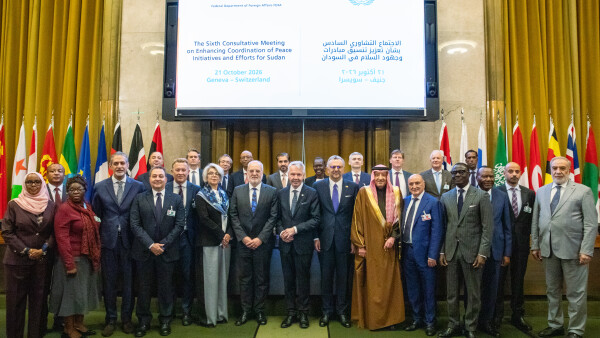
Sixth Consultative Meeting on Enhancing Coordination of Peace Initiatives and Efforts for Sudan
1
1
1
Edited News | UNICEF , WHO , UNHCR
Yemen war continues to force families from homes amid hunger and disease
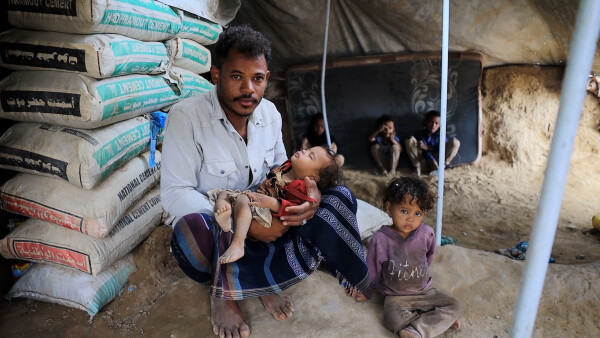
More than 250,000 people have now fled renewed fighting in Yemen, the UN said on Tuesday, citing particular concern for those sheltering in the southwestern city of Taiz and the wider governorate, where access is “essentially blocked”.

1
1
1
Edited News | UNICEF
A little over one year since a ceasefire agreement was announced between Hamas fighters and Israel, more than 340 children have been reported killed and hundreds more injured, the UN Children’s Fund, UNICEF, said on Friday.

1
1
1
Edited News | UNICEF , IFRC
Six weeks after Nepal’s deadly flooding disaster, communities are still struggling to rebuild their lives, but they will need sustained help as global warming increases the risk of another Himalayan catastrophe, the UN Children’s Fund (UNICEF) said on Friday.

1
1
1
Edited News | WHO
In suspected Russia plague death, testing and monitoring underway – WHO
The death of a lab worker in Russia’s Siberia region has sparked concerns about plague being the cause, the UN World Health Organization (WHO) said on Tuesday, adding that it was following the situation closely.

1
1
Edited News | OHCHR , UNOG
UN Human Rights Chief Volker Türk on Friday provided and oral update to the 63rd session of the Human rights Council on Ukraine.

1
1
1
Edited News | OHCHR , UNOG
UN Human Rights Chief Volker Türk on Friday provided and oral update to the 63rd session of the Human rights Council on the human rights situation in Haiti.

1
1
1
Edited News | WHO
Repeated delays in bringing lifesaving medicines, prosthetics and more from Israel into Gaza risk having devastating consequences on Palestinians who urgently need them in the wartorn enclave, the UN World Health Organization (WHO) said on Friday. “A truck full of non-priority supplies or the right supplies arriving too late, doesn't save lives. That's the question that actually matters," said Dr Reinhilde Van De Weerdt, WHO Representative in the OPT.

1
1
1
Edited News | WHO
DRC: Early access to care and oxygen decisive for Ebola patients’ survival – WHO
In the Democratic Republic of the Congo (DRC), health workers fighting the country’s largest-ever Ebola outbreak are struggling to overcome critical challenges to patient care, the UN World Health Organization (WHO) warned on Tuesday.

1
1
1
Edited News | OCHA , UN
Civilians in Iran are continuing to feel the consequences of months of conflict and military escalation, the UN’s top official in the country has said, as loss of life, damage to civilian infrastructure and mounting economic pressures leave many facing continued uncertainty.