

The United Nations Office at Geneva
Multimedia Newsroom
Le Haut-Commissaire des Nations Unies aux droits de l'homme, Volker Türk, a déclaré vendredi que la transition au Bangladesh était une opportunité historique pour garantir que la gouvernance soit ancrée dans les droits de l'homme, l'inclusivité et l'état de droit, soulignant la nécessité de rendre des comptes pour tous ceux responsables de violations des droits de l'homme et de violences.
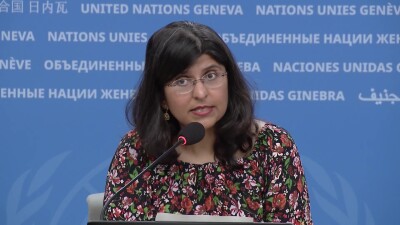
« La responsabilité des violations et la justice pour les victimes sont essentielles pour aller de l'avant, et devront être accompagnées d'un processus de guérison nationale. Tous ceux responsables de violations des droits de l'homme, y compris ceux qui ont utilisé ou ordonné l'utilisation inutile et disproportionnée de la force, doivent être tenus responsables et les victimes doivent recevoir des réparations et des recours efficaces », a déclaré la porte-parole du Bureau des droits de l'homme des Nations Unies, Ravina Shamdasani, lors du point de presse bi-hebdomadaire de l'ONU à Genève.
« Une enquête complète, impartiale et transparente sur toutes les violations et abus des droits de l'homme qui ont eu lieu sera une première étape critique. »
Ses remarques sont intervenues alors que le Bureau publiait un rapport préliminaire sur les manifestations et les troubles dans le pays ces dernières semaines. Déclenchées par la réintroduction d'un système de quotas pour l'attribution des postes de la fonction publique, les manifestations étudiantes initialement pacifiques au Bangladesh à la mi-juin ont été suivies de violences et de graves violations des droits de l'homme commises par les forces de sécurité, avec des centaines de personnes tuées - dont au moins 32 enfants - et des milliers de blessés.
« Il existe de fortes indications, nécessitant une enquête indépendante supplémentaire, que les forces de sécurité ont utilisé une force inutile et disproportionnée dans leur réponse à la situation », a déclaré Shamdasani aux journalistes. « D'autres violations alléguées, qui nécessitent également des enquêtes approfondies, impartiales et transparentes, incluent des exécutions extrajudiciaires, des arrestations et détentions arbitraires, des disparitions forcées, des tortures et des mauvais traitements, et des restrictions sévères à l'exercice des libertés d'expression et de réunion pacifique. »
Suite à la démission du gouvernement le 5 août 2024, il y a également eu des rapports de pillages, d'incendies criminels et d'attaques contre des membres de minorités religieuses, ainsi que des représailles et des meurtres de vengeance contre des membres de l'ancien parti au pouvoir et de la police. Le 15 août, des foules armées de bâtons de bambou, de barres de fer et de tuyaux auraient attaqué des partisans de l'ancien Premier ministre. Des journalistes auraient également été attaqués et menacés, les empêchant de filmer sur les lieux.
« Les agences de maintien de l'ordre doivent recevoir des instructions claires et une formation sur l'utilisation de la force, conformément aux normes internationales des droits de l'homme », a déclaré Shamdasani. « Elles doivent protéger les populations à risque contre toute violence de représailles ou de vengeance, y compris les communautés minoritaires. Le Haut-Commissaire se félicite de l'initiative de diverses organisations étudiantes, de leaders religieux et d'autres personnes formant des groupes pour protéger les minorités et les sites religieux appartenant aux communautés minoritaires. »
Elle a déclaré que le Bureau des droits de l'homme des Nations Unies se félicite de la libération de milliers de détenus et de prisonniers politiques à long terme, y compris des victimes de disparitions forcées. « Nous demandons la libération de toutes les personnes détenues arbitrairement. »
FIN
Pour plus d'informations et demandes des médias, veuillez contacter :
À Genève :
Ravina Shamdasani - + 41 22 917 9169 / ravina.shamdasani@un.org
Liz Throssell + 41 22 917 9296 / elizabeth.throssell@un.org
Jeremy Laurence - + 41 22 917 9383 / jeremy.laurence@un.org
Taguez et partagez - Twitter: @UNHumanRights et Facebook: unitednationshumanrights
HISTOIRE: Orateur des droits de l'homme de l'ONU, Ravina Shamdasani, sur la transition au Bangladesh
TRT: 3’14
SOURCE: OHCHR
RESTRICTIONS: AUCUNE
LANGUE: Anglais/NATS
RATIO D'ASPECT: 16:9
DATELINE: 16 août 2024 – GENÈVE, SUISSE
LISTE DE TOURNAGE
- Plan extérieur: Palais des Nations
- Plan intérieur: Salle de briefing
- EXTRAIT SONORE (Anglais)—Ravina Shamdasani, Orateur pour le Bureau du Haut-Commissaire des Nations Unies aux droits de l'homme (OHCHR): “La transition au Bangladesh est une opportunité historique de réformer et revitaliser les institutions du pays, de restaurer les libertés fondamentales et l'espace civique, et pour une gouvernance inclusive, donnant à tous les habitants du Bangladesh une part dans la construction de l'avenir. La responsabilité pour les violations et la justice pour les victimes sont essentielles pour aller de l'avant, et devront être accompagnées d'un processus de guérison nationale. Tous ceux responsables de violations des droits de l'homme, y compris ceux qui ont utilisé ou ordonné l'usage inutile et disproportionné de la force, doivent être tenus responsables et les victimes doivent recevoir des réparations et des recours efficaces. Une enquête complète, impartiale et transparente sur toutes les violations et abus des droits de l'homme qui ont eu lieu sera une première étape cruciale.”
- Plan de coupe: Salle de briefing
- EXTRAIT SONORE (Anglais)—Ravina Shamdasani, Orateur pour le Bureau du Haut-Commissaire des Nations Unies aux droits de l'homme (OHCHR): “Ces manifestations étudiantes initialement pacifiques ont été suivies de violences et de graves violations des droits de l'homme commises par les forces de sécurité, avec des centaines de personnes tuées, y compris au moins 32 enfants, et des milliers de blessés.”
- Plan de coupe: Salle de briefing
- EXTRAIT SONORE (Anglais)—Ravina Shamdasani, Orateur pour le Bureau du Haut-Commissaire des Nations Unies aux droits de l'homme (OHCHR): “Dans un rapport préliminaire que nous publions aujourd'hui, il y a de fortes indications, nécessitant une enquête indépendante supplémentaire, que les forces de sécurité ont utilisé une force inutile et disproportionnée dans leur réponse à la situation. D'autres violations alléguées, qui nécessitent également des enquêtes approfondies, impartiales et transparentes, incluent des exécutions extrajudiciaires, des arrestations et détentions arbitraires, des disparitions forcées, des tortures et mauvais traitements, et des restrictions sévères à l'exercice des libertés d'expression et de réunion pacifique.”
- Plans de coupe: Salle de briefing
- EXTRAIT SONORE (Anglais)—Ravina Shamdasani, Orateur pour le Bureau du Haut-Commissaire des Nations Unies aux droits de l'homme (OHCHR): “Suite à la démission du gouvernement le 5e août 2024, il y a également eu des rapports de pillages, d'incendies criminels et d'attaques contre des membres de minorités religieuses, ainsi que des représailles et des meurtres de vengeance contre des membres de l'ancien parti au pouvoir et de la police.”
- Plan de coupe: Salle de briefing
- EXTRAIT SONORE (Anglais)—Ravina Shamdasani, Orateur pour le Bureau du Haut-Commissaire des Nations Unies aux droits de l'homme (OHCHR): “Des foules armées de bâtons de bambou, de barres de fer et de tuyaux auraient attaqué des partisans de l'ancien premier ministre. Des journalistes auraient également été attaqués et menacés, les empêchant de filmer sur les lieux.”
- Plan de coupe: Salle de briefing
- EXTRAIT SONORE (Anglais)—Ravina Shamdasani, Orateur pour le Bureau du Haut-Commissaire des Nations Unies aux droits de l'homme (OHCHR): “Les agences de maintien de l'ordre doivent recevoir des instructions claires et une formation sur l'utilisation de la force, conformément aux normes internationales des droits de l'homme. Elles doivent protéger les populations à risque contre toute violence de représailles ou de vengeance, y compris les communautés minoritaires. Le Haut-Commissaire se félicite de l'initiative prise par diverses organisations étudiantes, des chefs religieux et d'autres personnes formant des groupes pour protéger les minorités et les sites religieux appartenant aux communautés minoritaires.”
- Plan de coupe: Salle de briefing
- EXTRAIT SONORE (Anglais)—Ravina Shamdasani, Orateur pour le Bureau du Haut-Commissaire des Nations Unies aux droits de l'homme (OHCHR): “Nous nous félicitons également de la libération de milliers de détenus et de prisonniers politiques de longue durée, y compris certaines victimes de disparitions forcées, et nous exhortons à la libération de toutes les personnes détenues arbitrairement.”
- Plans de coupe: Salle de briefing
Similar Stories

1
1
1
Edited News | UNICEF
A little over one year since a ceasefire agreement was announced between Hamas fighters and Israel, more than 340 children have been reported killed and hundreds more injured, the UN Children’s Fund, UNICEF, said on Friday.

1
1
1
Edited News | UNICEF , IFRC
Six weeks after Nepal’s deadly flooding disaster, communities are still struggling to rebuild their lives, but they will need sustained help as global warming increases the risk of another Himalayan catastrophe, the UN Children’s Fund (UNICEF) said on Friday.

1
1
1
Edited News | WHO
In suspected Russia plague death, testing and monitoring underway – WHO
The death of a lab worker in Russia’s Siberia region has sparked concerns about plague being the cause, the UN World Health Organization (WHO) said on Tuesday, adding that it was following the situation closely.

1
1
Edited News | OHCHR , UNOG
UN Human Rights Chief Volker Türk on Friday provided and oral update to the 63rd session of the Human rights Council on Ukraine.

1
1
1
Edited News | OHCHR , UNOG
UN Human Rights Chief Volker Türk on Friday provided and oral update to the 63rd session of the Human rights Council on the human rights situation in Haiti.

1
1
1
Edited News | WHO
Repeated delays in bringing lifesaving medicines, prosthetics and more from Israel into Gaza risk having devastating consequences on Palestinians who urgently need them in the wartorn enclave, the UN World Health Organization (WHO) said on Friday. “A truck full of non-priority supplies or the right supplies arriving too late, doesn't save lives. That's the question that actually matters," said Dr Reinhilde Van De Weerdt, WHO Representative in the OPT.

1
1
1
Edited News | WHO
DRC: Early access to care and oxygen decisive for Ebola patients’ survival – WHO
In the Democratic Republic of the Congo (DRC), health workers fighting the country’s largest-ever Ebola outbreak are struggling to overcome critical challenges to patient care, the UN World Health Organization (WHO) warned on Tuesday.

1
1
1
Edited News | OCHA , UN
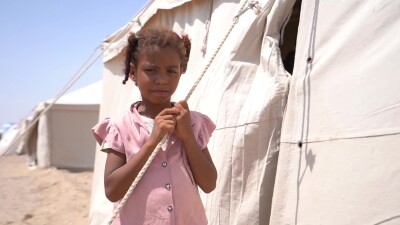
Civilians in Iran are continuing to feel the consequences of months of conflict and military escalation, the UN’s top official in the country has said, as loss of life, damage to civilian infrastructure and mounting economic pressures leave many facing continued uncertainty.
1
1
1
Edited News | WHO , UNICEF
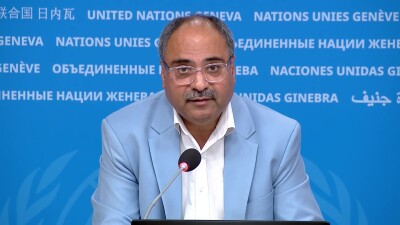
Aid agencies in Yemen highlighted the growing hunger emergency sparked by renewed fighting between Houthi opposition forces and Government troops, after mobile health clinics reported that hundreds of children displaced by the violence are suffering from the most deadly form of malnutrition.
1
1
1
Edited News | UNHCR
Displacement on the rise in Yemen as fighting continues - UNHCR
As hostilities worsen in Yemen, more people have been fleeing their homes, further intensifying the humanitarian crisis within the region, the UN Refugee Agency (UNHCR) warned on Tuesday.
1
1
1
Edited News | IOM , OHCHR , UNFPA , UNOG , UNHCR , WHO
Yemen’s humanitarian crisis growing by the hour amid spike in displacement
Yemenis displaced by renewed fighting have described fleeing for their lives amid shelling and gunfire, aid agencies reported on Friday, while highlighting the dramatic increase in humanitarian needs in the country and in Djibouti, where thousands have sought shelter.
1
1
1
Edited News | OHCHR , UNOG
The UN Human Rights Office issued on Friday a report documenting a shocking pattern of sexual violence amid Russia’s full-scale armed attack on Ukraine.