

The United Nations Office at Geneva
Multimedia Newsroom
Edited News | UNITED NATIONS
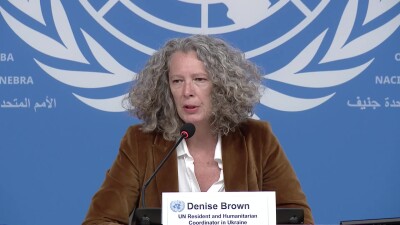
Intensification de la guerre en Ukraine - Denise Brown 14 juin 2024
La guerre en Ukraine ne devrait pas être la “nouvelle normalité” : les enfants étudient dans les tunnels du métro de Kharkiv, déclare un responsable de l'ONU
Une recrudescence des attaques des forces russes dans la région de Kharkiv en Ukraine cause des pertes civiles importantes, ainsi que la destruction de maisons et d'infrastructures cruciales, a déclaré aujourd'hui le haut responsable de l'ONU en Ukraine, dans un appel à ne pas “normaliser” les conditions désastreuses pour les civils ukrainiens.
“Il y a eu une intensification très claire de la guerre au cours des deux derniers mois,” a déclaré Denise Brown, Coordinatrice résidente et humanitaire de l'ONU en Ukraine. “Lors de mon dernier voyage en Ukraine il y a deux semaines, il y avait 12 sirènes pendant la journée et 12 explosions. Il y a une perturbation constante de la vie quotidienne dans la ville de Kharkiv,” a-t-elle déclaré aux journalistes à Genève.
L'armée russe a lancé une nouvelle incursion dans la région de Kharkiv le 10 mai, s'emparant de la ville de Vovchansk et intensifiant les attaques aériennes sur la ville de Kharkiv, le deuxième plus grand centre urbain de l'Ukraine, avec environ un million d'habitants craignant pour leur vie.
Au total, près de dix millions de personnes - y compris des enfants - sont estimées par l'Organisation mondiale de la santé à risque de syndrome de stress post-traumatique aigu (SSPT) en Ukraine. Pendant ce temps, environ quatre millions d'enfants à travers le pays ont vu leur éducation perturbée, et 600 000 d'entre eux ne peuvent pas du tout accéder à l'école en personne, selon l'UNICEF, le Fonds des Nations Unies pour l'enfance.
Dans la ville de Kharkiv, le seul moyen pour les enfants d'étudier en toute sécurité est dans les tunnels souterrains du métro, a déclaré Mme Brown, ayant récemment été témoin de cela lorsqu'elle a visité le souterrain avec le maire de la ville. “Ma réaction initiale a été que les salles de classe ressemblent à des salles de classe ordinaires : pleines d'enfants, de professeurs, pleines de l'énergie et de l'enthousiasme des enfants. Ma deuxième pensée a été : ‘mais ce n'est pas normal’. Ce n'est pas normal que les enfants doivent étudier sous terre.”
Mme Brown a récemment assisté à la Conférence sur la reconstruction de l'Ukraine à Berlin, où 14 pays et organisations internationales ont renouvelé leur soutien à la reconstruction, à la réhabilitation et à la réforme en Ukraine. Interrogée sur sa participation à la prochaine conférence de paix sur l'Ukraine organisée par la Suisse au complexe de Bürgenstock ce week-end, elle a précisé que “l'ONU est un observateur, pas un État membre. Donc, quiconque y va sera en mode écoute.” Elle a fait écho à la position du Secrétaire général de l'ONU en disant que l'invasion russe de l'Ukraine est “une violation de la Charte des Nations Unies.”
“Nous espérons une paix juste pour l'Ukraine,” a déclaré Mme Brown, “et comme je l'ai dit à plusieurs reprises dans mes remarques, le reste du monde ne devrait pas normaliser la guerre en Ukraine.”
Après 28 mois de guerre, l'ampleur des besoins humanitaires est immense. Plus de 32 000 victimes civiles, dont 11 000 décès, ont été vérifiées — mais le nombre réel est probablement beaucoup plus élevé. Trente pour cent des emplois d'avant-guerre ont été supprimés et la pauvreté a augmenté de cinq à 25 pour cent. Plus de 14,6 millions de personnes, soit 40 pour cent de la population, auront besoin d'une aide humanitaire en 2024. La communauté humanitaire a lancé un appel de 3,1 milliards de dollars pour fournir une aide vitale à 8,5 millions des plus vulnérables pour 2024.
fin
Orateurs, porte-parole des agences :
· Denise Brown, Coordinatrice résidente et humanitaire de l'ONU en Ukraine
TRT: 02’16”
SOURCE: UNTV CH
LANGUE: ANGLAIS
RATIO D'ASPECT: 16:9
DATELINE: 14 juin 2024 - GENÈVE, SUISSE
Conférence de presse par Denise Brown à Genève
LISTE DE PLANS
- Plan moyen extérieur : Palais des Nations
- Plan large du podium avec les orateurs dans la salle de conférence de presse
3. EXTRAIT SONORE (Anglais) Denise Brown, Coordinatrice résidente et humanitaire de l'ONU en Ukraine : « Je voudrais vraiment vous parler de Kharkiv et vous donner un aperçu de ce qui se passe dans cette partie de l'Ukraine où il y a eu une intensification très claire de la guerre au cours des derniers mois.”
- Plan large et latéral de la salle de presse
- EXTRAIT SONORE (Anglais) Denise Brown, Coordinatrice résidente et humanitaire de l'ONU en Ukraine : « Nous avons plus de 100 employés de l'ONU basés dans la ville de Kharkiv. J'y suis assez souvent. Et lors de mon dernier voyage là-bas, il y a deux semaines, il y a eu 12 sirènes pendant la journée et 12 explosions. Il y a donc une perturbation constante de la vie quotidienne dans la ville de Kharkiv.”
- Plan moyen : journalistes dans la salle de conférence de presse
- EXTRAIT SONORE (Anglais) Denise Brown, Coordinatrice résidente et humanitaire de l'ONU en Ukraine : « Enfants : vous avez entendu les rapports, mais probablement que vous n'êtes pas allés dans les écoles du métro. Moi, je l'ai fait, et c'est le seul moyen pour les enfants d'étudier en toute sécurité dans la ville de Kharkiv. Et, vous savez, ma réaction initiale quand je descends avec le maire dans les entrailles du métro et que je tombe sur des salles de classe qui ressemblent à des salles de classe normales pleines d'enfants, d'enseignants apprenant les sciences, les mathématiques, pleines de l'énergie et de l'enthousiasme que les enfants ont, ma deuxième pensée a été : 'mais, ce n'est pas normal'. Ce n'est pas normal que les enfants doivent étudier sous terre.
- Plan moyen latéral de la salle de conférence de presse
- EXTRAIT SONORE (Anglais) Denise Brown, Coordinatrice résidente et humanitaire de l'ONU en Ukraine : « L'ONU est un observateur, pas un État membre. Donc, quiconque va (à Bürgenstock) sera en mode écoute. Et encore une fois, juste pour répéter ce que le Secrétaire général a dit depuis le tout début, c'est une violation de la Charte (de l'ONU). Nous espérons une paix juste pour l'Ukraine, et comme je l'ai dit à plusieurs reprises dans mes remarques, le reste du monde ne devrait pas normaliser la guerre en Ukraine.”
- Plan moyen du podium avec les orateurs
- Divers plans de journalistes écoutant dans la salle de conférence de presse
Similar Stories
1
1
1
Edited News , B-roll , Conferences | UNITED NATIONS , UNOG
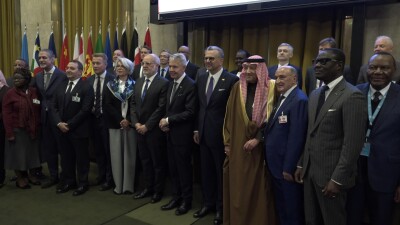
Arrivals, roundtable and family photo-op at the 6th Consultative Meeting on Enhancing Coordination of Peace Initiatives and Efforts in Sudan
2
16
2
2
B-roll , Conferences , Edited News | UNITED NATIONS , UNOG
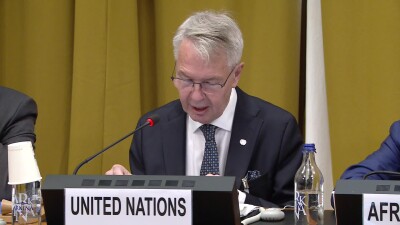
Sixth Consultative Meeting on Enhancing Coordination of Peace Initiatives and Efforts for Sudan
1
1
1
Edited News | UNICEF , WHO , UNHCR
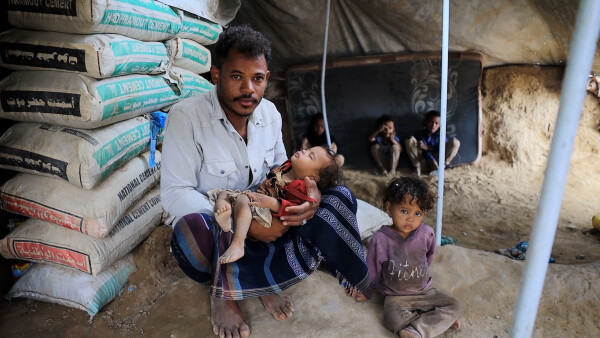
Yemen war continues to force families from homes amid hunger and disease
More than 250,000 people have now fled renewed fighting in Yemen, the UN said on Tuesday, citing particular concern for those sheltering in the southwestern city of Taiz and the wider governorate, where access is “essentially blocked”.

1
1
1
Edited News | UNICEF
A little over one year since a ceasefire agreement was announced between Hamas fighters and Israel, more than 340 children have been reported killed and hundreds more injured, the UN Children’s Fund, UNICEF, said on Friday.

1
1
1
Edited News | UNICEF , IFRC
Six weeks after Nepal’s deadly flooding disaster, communities are still struggling to rebuild their lives, but they will need sustained help as global warming increases the risk of another Himalayan catastrophe, the UN Children’s Fund (UNICEF) said on Friday.

1
1
1
Edited News | WHO
In suspected Russia plague death, testing and monitoring underway – WHO
The death of a lab worker in Russia’s Siberia region has sparked concerns about plague being the cause, the UN World Health Organization (WHO) said on Tuesday, adding that it was following the situation closely.

1
1
Edited News | OHCHR , UNOG
UN Human Rights Chief Volker Türk on Friday provided and oral update to the 63rd session of the Human rights Council on Ukraine.

1
1
1
Edited News | OHCHR , UNOG
UN Human Rights Chief Volker Türk on Friday provided and oral update to the 63rd session of the Human rights Council on the human rights situation in Haiti.

1
1
1
Edited News | WHO
Repeated delays in bringing lifesaving medicines, prosthetics and more from Israel into Gaza risk having devastating consequences on Palestinians who urgently need them in the wartorn enclave, the UN World Health Organization (WHO) said on Friday. “A truck full of non-priority supplies or the right supplies arriving too late, doesn't save lives. That's the question that actually matters," said Dr Reinhilde Van De Weerdt, WHO Representative in the OPT.

1
1
1
Edited News | WHO
DRC: Early access to care and oxygen decisive for Ebola patients’ survival – WHO
In the Democratic Republic of the Congo (DRC), health workers fighting the country’s largest-ever Ebola outbreak are struggling to overcome critical challenges to patient care, the UN World Health Organization (WHO) warned on Tuesday.

1
1
1
Edited News | OCHA , UN
Civilians in Iran are continuing to feel the consequences of months of conflict and military escalation, the UN’s top official in the country has said, as loss of life, damage to civilian infrastructure and mounting economic pressures leave many facing continued uncertainty.
1
1
1
Edited News | WHO , UNICEF
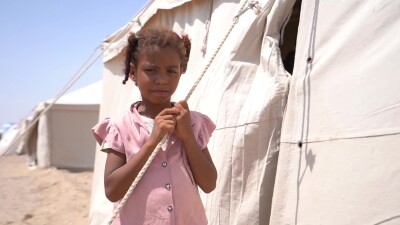
Aid agencies in Yemen highlighted the growing hunger emergency sparked by renewed fighting between Houthi opposition forces and Government troops, after mobile health clinics reported that hundreds of children displaced by the violence are suffering from the most deadly form of malnutrition.