

The United Nations Office at Geneva
Multimedia Newsroom
Edited News | WHO , UNICEF
Mise à jour de la situation humanitaire à Gaza OMS et UNICEF 05 mars 2024
L'accès récent de l'Organisation mondiale de la santé (OMS) et de ses partenaires aux hôpitaux du nord de Gaza a révélé de manière frappante des niveaux graves de malnutrition chez les Palestiniens, des enfants mourant de faim, de graves pénuries de carburant, de nourriture et de fournitures médicales, ainsi que la destruction des bâtiments hospitaliers.
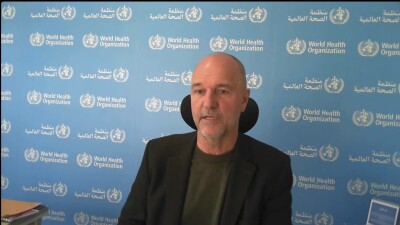
« Nous avons de nouveau accédé au nord. ... La plupart de nos missions dans le nord ont été refusées fin janvier, seules trois sur seize ont été facilitées, en février aucune n'a été réellement facilitée, et tout cela en raison d'un manque d'un mécanisme de déconfliction adéquat », a déclaré le Dr Rik Peeperkorn, représentant de l'Organisation mondiale de la santé (OMS) pour le Territoire palestinien occupé lors d'un briefing aux journalistes à l'ONU à Genève.
Il a noté que leur dernière mission à l'hôpital Al Shifa dans le nord de Gaza remonte au 22 janvier et que l'accès a été accordé plus récemment à d'autres établissements.
« Le 3 mars, juste le week-end dernier, l'OMS et ses partenaires ont pu atteindre Kamal Adwan, qui est plus au nord, et l'hôpital Al-Awda dans le nord de Gaza. C'était la première mission (...) dans ces hôpitaux depuis début octobre 2023, malgré nos nombreux efforts pour obtenir un accès plus régulier au nord de Gaza ».
L'OMS et ses partenaires ont réussi à livrer 9 500 litres de carburant à chaque hôpital, ainsi que des fournitures médicales essentielles - une petite fraction des fournitures vitales urgentes nécessaires. La situation à l'hôpital Al-Awda est particulièrement épouvantable, a déclaré le Dr Peeperkorn, car l'un des bâtiments est détruit. L'hôpital Kamal Adwan, le seul hôpital pédiatrique dans le nord de Gaza, est débordé de patients. Le manque d'électricité constitue une menace sérieuse pour les soins aux patients, en particulier dans des domaines critiques comme l'unité de soins intensifs et l'unité néonatale.
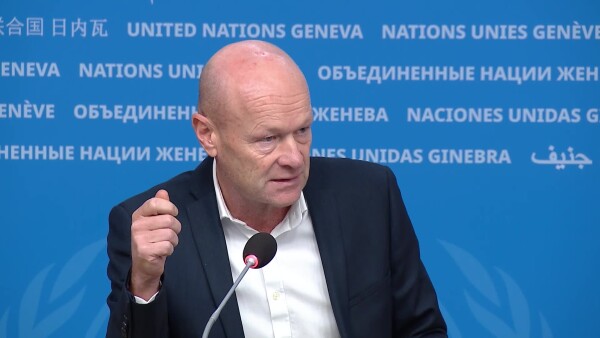
Le porte-parole de l'UNICEF, James Elder, a évoqué les conséquences désastreuses pour les enfants dans ces établissements, de nombreux autres restant introuvables. «Au moins dix enfants seraient morts de déshydratation et de malnutrition à l'hôpital Kamal Adwan dans le nord de la bande de Gaza, probablement beaucoup plus d'enfants se battent pour leur vie. Ces décès sont dus à l'homme, prévisibles et entièrement évitables.» De nombreux autres jeunes risquent de mourir dans les prochains jours à moins que l'aide ne soit intensifiée sans délai, a averti l'UNICEF.
La malnutrition est devenue une menace de plus en plus grave à Gaza, en particulier chez les jeunes enfants, entraînant un gaspillage irréversible. Auparavant, l'autosuffisance de Gaza en poisson et dans d'autres productions alimentaires constituait un rempart contre de tels dangers, a déclaré le Dr Peeperkorn. «Ce que nous voyons spécifiquement dans le nord de Gaza, c'est un gaspillage de 15,6 % chez les enfants de moins de deux ans dans le nord de Gaza. Cela suggère un déclin grave et rapide », a-t-il déclaré. «Un tel déclin de l'état nutritionnel de la population en trois mois est en fait sans précédent à l'échelle mondiale. Plus précisément, lorsque vous regardez ce qu'il en était auparavant, vous parlez de 0,7 ou 0,8 % d'enfants de moins de cinq ans souffrant de malnutrition aiguë.»
Selon le Dr Peeperkorn, seuls 12 hôpitaux sont maintenant partiellement fonctionnels - six dans le nord et six dans le sud. Vingt-trois hôpitaux ne fonctionnent pas du tout. Face à ces circonstances désastreuses, le Dr Peeperkorn a déclaré que l'OMS plaide en faveur d'une évacuation médicale significative. «Nous estimons que 8000 patients devraient être évacués hors de Gaza, 6000 liés aux traumatismes de guerre et 2000 patients généraux.»
Entre le 7 octobre et le 20 février, seules 2 203 personnes ont eu accès à un traitement médical en dehors de Gaza, malgré les offres de l'Égypte et d'autres pays, y compris en Europe, de recevoir et de traiter un plus grand nombre de patients des établissements de santé de Gaza dévastés.
-fin-
HISTOIRE : Mise à jour Situation humanitaire à Gaza - OMS, UNICEF
DURÉE : 2:14”
SOURCE : UNTV CH
RESTRICTIONS : AUCUNE
LANGUE : ANGLAIS / NATS
FORMAT D'IMAGE : 16:9
LIEU : 5 mars 2024 GENÈVE, SUISSE
LISTE DES PLANS
- Plan moyen extérieur : Allée du drapeau des Nations Unies au Bureau des Nations Unies à Genève
- Plan large : Porte-paroles au pupitre et journalistes dans la salle de presse
- DÉCLARATION (Anglais) – Rik Peeperkorn, Représentant de l'OMS pour l'OPT (s'exprimant depuis Jérusalem) : «Nous avons de nouveau eu accès au nord. Ainsi, souligner que la plupart de nos missions vers le nord ont été refusées fin janvier, seules trois sur 16 ont été facilitées en février, aucune n'a été réellement facilitée, et tout cela en raison d'un manque d'un mécanisme de déconfliction adéquat.»
- Plan moyen : Journalistes dans la salle de presse avec un intervenant à l'écran
- DÉCLARATION (Anglais) – Rik Peeperkorn, Représentant de l'OMS pour l'OPT (s'exprimant depuis Jérusalem) : «Notre dernière mission à Shifa (hôpital) remonte au 22 janvier, le 3 mars, le week-end dernier, l'OMS et ses partenaires ont pu atteindre Kamal Adwan, plus au nord, et l'hôpital Al-Awda dans le nord de Gaza. C'était la première mission à visiter ces hôpitaux depuis le début octobre 2023, malgré nos nombreux efforts pour obtenir un accès plus régulier au nord de Gaza.»
- Plan moyen : Caméramans filmant avec des écrans derrière eux
- DÉCLARATION (Anglais) – James Elder, porte-parole de l'UNICEF : «Au moins dix enfants seraient morts de déshydratation et de malnutrition à l'hôpital Kamal Adwan dans le nord de la bande de Gaza, probablement de nombreux autres enfants se battent pour leur vie. Ces décès sont causés par l'homme, prévisibles et entièrement évitables.»
- Plan large : Journalistes dans la salle de presse avec un intervenant à l'écran
- DÉCLARATION (Anglais) – Rik Peeperkorn, Représentant de l'OMS pour l'OPT (s'exprimant depuis Jérusalem) : «Ce que nous voyons spécifiquement dans le nord de Gaza, c'est un taux de 15,6% de gaspillage chez les enfants de moins de deux ans dans le nord de Gaza. Cela suggère un déclin sérieux et rapide. Un tel déclin de l'état nutritionnel de la population en trois mois est en fait sans précédent à l'échelle mondiale. Plus précisément, lorsque vous regardez ce qu'il en était avant, vous parlez de 0,7 ou 0,8% des enfants de moins de cinq ans qui sont gravement malnutris.»
- Plan large : Journalistes dans la salle de presse avec des porte-paroles au pupitre
- DÉCLARATION (Anglais) –
- Plan large : Journalistes dans la salle de presse avec un intervenant à l'écran
- Plan moyen : Journalistes dans la salle de presse
- Gros plan : journalistes écoutant
- Gros plan : journaliste écoutant
Similar Stories
1
1
1
Edited News | OCHA , UNICEF , WFP
Aid agencies warned on Friday of the fast-developing humanitarian emergency inside Taiz City in Yemen, which has been encircled by de facto Houthi forces fighting government troops along the country’s west coast.

2
17
1
2
Edited News , Press Conferences , Images | OCHA , WMO
Two UN agencies teamed up on Wednesday to issue an appeal for immediate assistance to help communities already being impacted by the strongest El Niño on record.

3
16
2
2
Edited News , B-roll , Conferences , Images | UNITED NATIONS , UNOG
Sixth Consultative Meeting on Enhancing Coordination of Peace Initiatives and Efforts for Sudan

1
1
1
Edited News | UNICEF , WHO , UNHCR
Yemen war continues to force families from homes amid hunger and disease
More than 250,000 people have now fled renewed fighting in Yemen, the UN said on Tuesday, citing particular concern for those sheltering in the southwestern city of Taiz and the wider governorate, where access is “essentially blocked”.

1
1
1
Edited News | UNICEF
A little over one year since a ceasefire agreement was announced between Hamas fighters and Israel, more than 340 children have been reported killed and hundreds more injured, the UN Children’s Fund, UNICEF, said on Friday.

1
1
1
Edited News | UNICEF , IFRC
Six weeks after Nepal’s deadly flooding disaster, communities are still struggling to rebuild their lives, but they will need sustained help as global warming increases the risk of another Himalayan catastrophe, the UN Children’s Fund (UNICEF) said on Friday.

1
1
1
Edited News | WHO
In suspected Russia plague death, testing and monitoring underway – WHO
The death of a lab worker in Russia’s Siberia region has sparked concerns about plague being the cause, the UN World Health Organization (WHO) said on Tuesday, adding that it was following the situation closely.

1
1
Edited News | OHCHR , UNOG
UN Human Rights Chief Volker Türk on Friday provided and oral update to the 63rd session of the Human rights Council on Ukraine.

1
1
1
Edited News | OHCHR , UNOG
UN Human Rights Chief Volker Türk on Friday provided and oral update to the 63rd session of the Human rights Council on the human rights situation in Haiti.

1
1
1
Edited News | WHO
Repeated delays in bringing lifesaving medicines, prosthetics and more from Israel into Gaza risk having devastating consequences on Palestinians who urgently need them in the wartorn enclave, the UN World Health Organization (WHO) said on Friday. “A truck full of non-priority supplies or the right supplies arriving too late, doesn't save lives. That's the question that actually matters," said Dr Reinhilde Van De Weerdt, WHO Representative in the OPT.

1
1
1
Edited News | WHO
DRC: Early access to care and oxygen decisive for Ebola patients’ survival – WHO
In the Democratic Republic of the Congo (DRC), health workers fighting the country’s largest-ever Ebola outbreak are struggling to overcome critical challenges to patient care, the UN World Health Organization (WHO) warned on Tuesday.

1
1
1
Edited News | OCHA , UN
Civilians in Iran are continuing to feel the consequences of months of conflict and military escalation, the UN’s top official in the country has said, as loss of life, damage to civilian infrastructure and mounting economic pressures leave many facing continued uncertainty.