

The United Nations Office at Geneva
Multimedia Newsroom
From the UN to downtown Geneva: an artistic journey of universal values
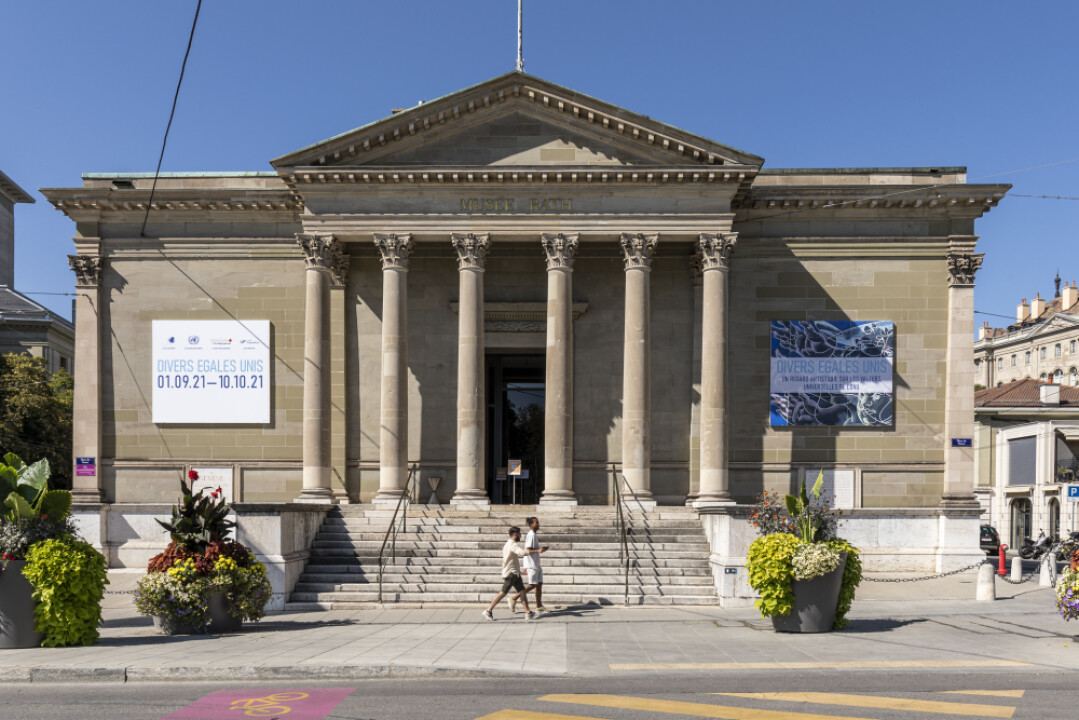
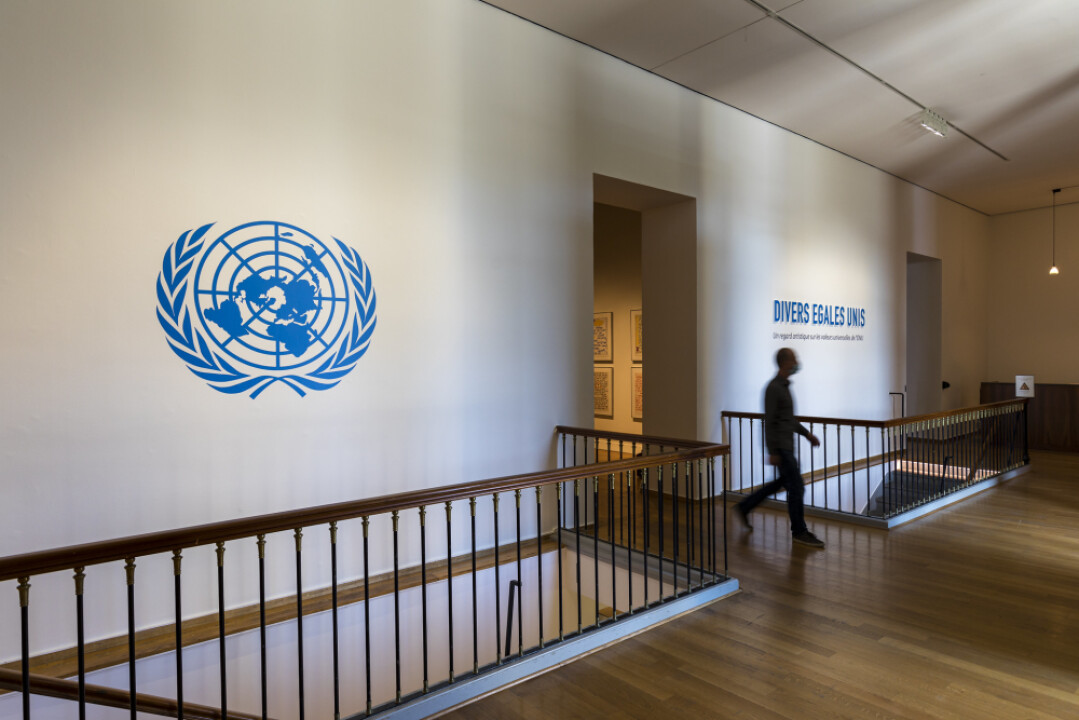
More than 200 works of art from United Nations Geneva have for the first time left the historic Palais des Nations to make the journey across the city to Musée Rath, where they will be on display until 10 October 2021.
Entitled “DIVERS EGALES UNIS” (Different, Equal, United), the exhibition celebrates the values of multilateralism; its explicit aim is to engage the citizens of Geneva in reflecting about the future.
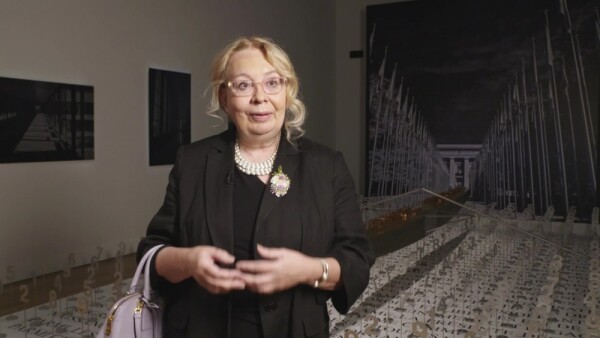
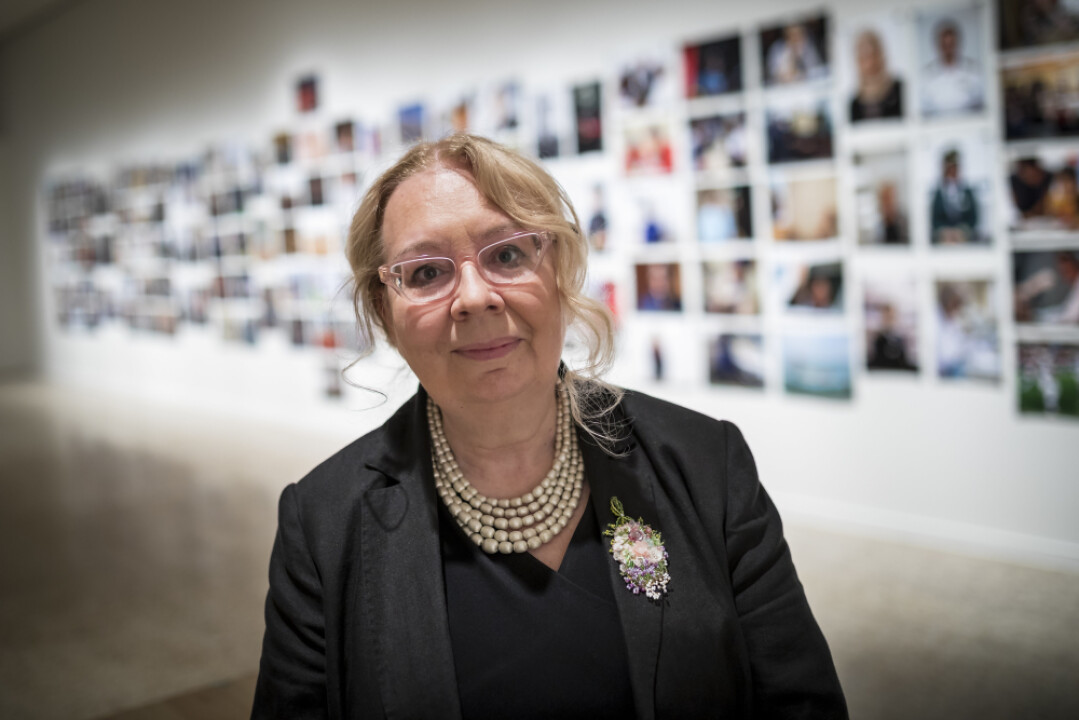
“People in Geneva, living here in Geneva, they know that there is a Palais des Nations. Maybe they even know they can visit it, but very few of them take this visit,” says Tatiana Valovaya, Director-General of the United Nations at Geneva. “So, we started thinking, ‘What we could do now to attract the attention of the citizens of Geneva and visitors of Geneva?’”
The exhibition is free and open to the public. “We decided that we might have an exhibition in this city which will be open for everybody - to tempt people to come later and visit us and, of course, to speak about the values of the United Nations in this very important period.”
Since the last assembly meeting of the UN’s Geneva-based predecessor, the League of Nations, was held 1946, the show was initially conceived as a tribute for the UN’s 75th anniversary year. While celebrating the links between the Swiss city - sometimes referred to as the “city of peace”, or “peace capital” - and international organizations, the artworks on display are also intended to put the spotlight on some important priorities of multilateral diplomacy.
“For us, it's exactly an opportunity to engage with citizens of Geneva and to see what we can do more on Sustainable Development Goals, on human rights, on disarmament, on fighting the climate change…And of course, art is a very important instrument, because it really speaks about the values of the United Nations and it's important to everybody,” Ms. Valovaya says.
Masterpieces such as Robert Rauchenberg’s Tribute 21, which celebrates humanitarian work, Otavio Roth’s woodcuts illustrating the 30 articles of the Universal Declaration of Human Rights, Günther Uecker’s “From Darkness into Light”, Mimmo Rotella’s “Pax” and Jacek Jarnuszkiewicz’s “Ecce Homo II” are expected to be main attractions for the public.
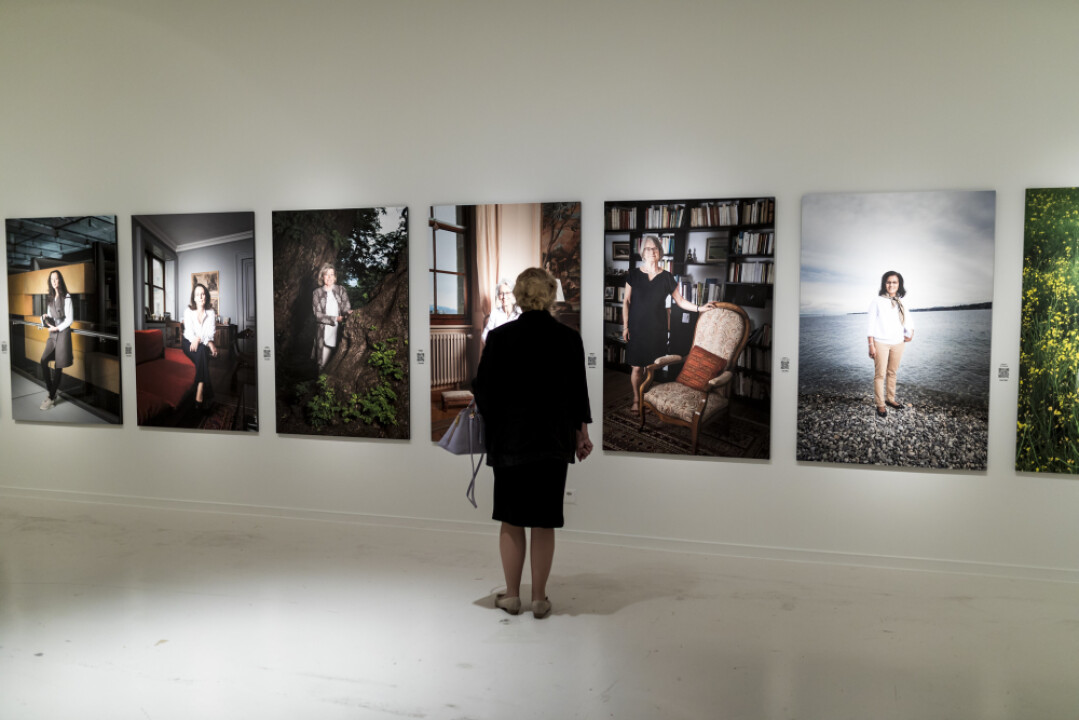
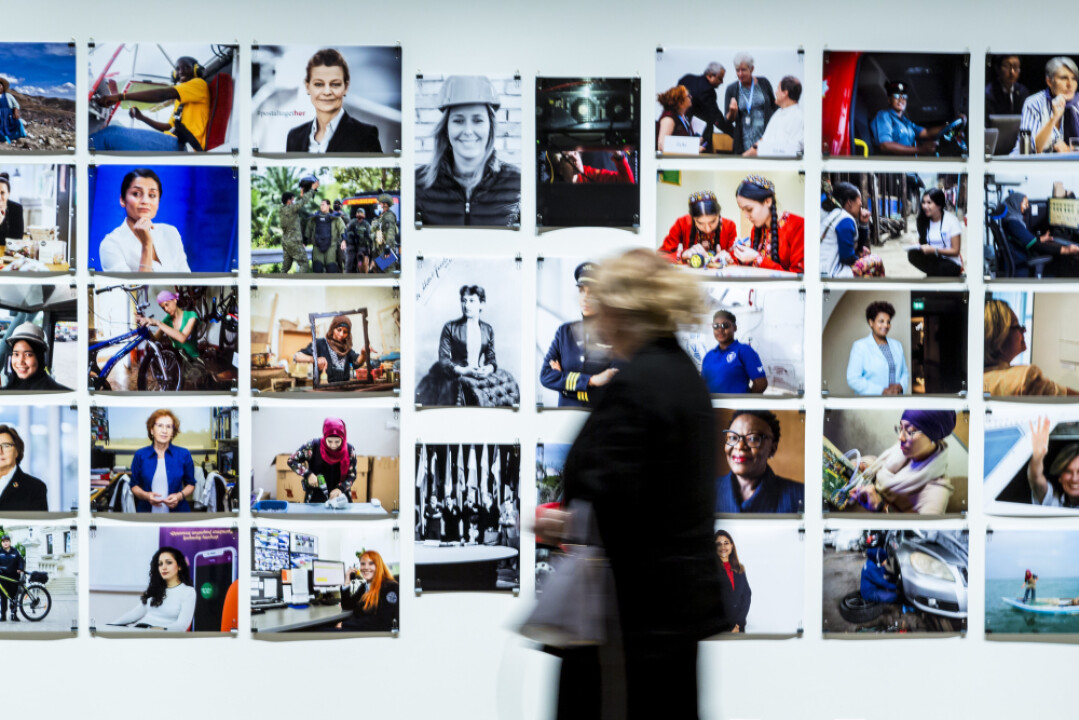
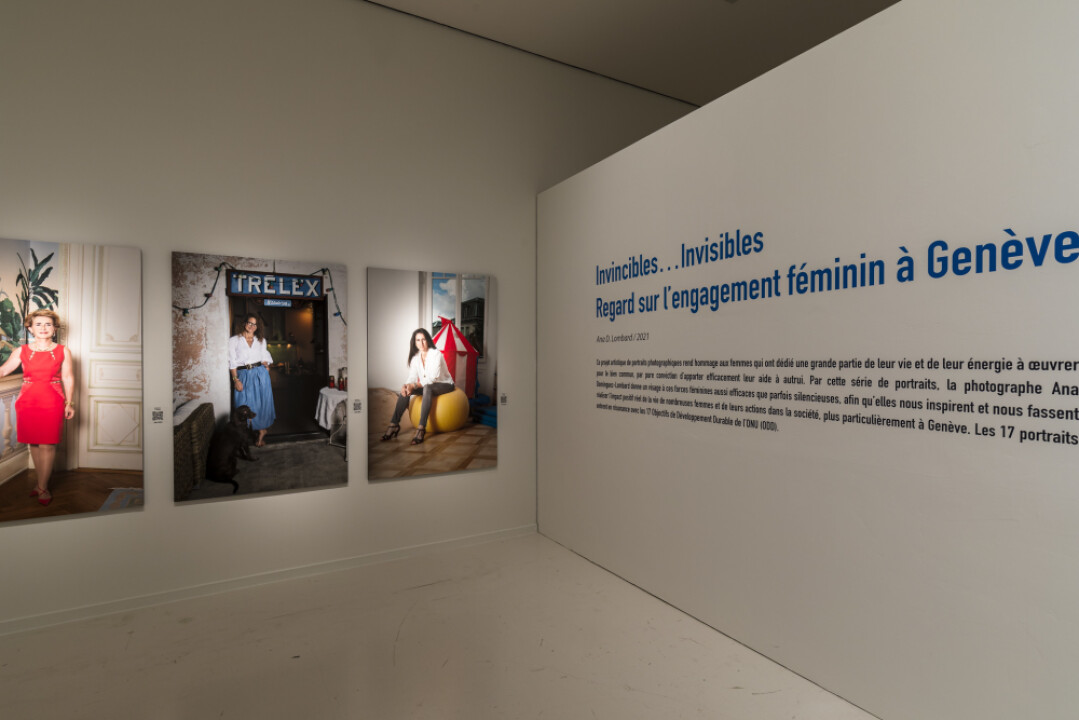
Yet there are other less-well known works of social interest to be discovered as well: a series of photographs submitted by UN Member States to showcase women working in traditionally male-dominated jobs, for example, and portraits of some of Geneva’s leading women, by photographer Ana D. Lombard.
“I would like to say is that from this point of view, Musée Rath is an absolutely symbolic place to be, because this is the first art museum in Switzerland, and this is a museum which was created by citizens of Geneva,” says Ms. Valovaya, also mentioning how the museum was first managed by two sisters, Jeanne-Françoise and Henriette Rath in the late 1700s. “It's a fantastic story of how women in all epochs were outstanding in professions which were perceived to be male professions. That's why this year we had an exhibition which was called ‘Not a Woman's Job’, exactly speaking about women who are fantastic in what they're doing, although their professions are still perceived to be ‘not really a woman's job’,” Ms. Valovaya adds.
“We have a second part of this exhibition, ‘Women of Geneva’, who are really building Geneva; as I said, because we speaking about equality, we’re speaking about non-discrimination, speaking about the necessity to give equal rights to everybody and not to leave anybody behind,” Ms. Valovaya explains.
The exhibition, which is the brainchild of the UN Director-General, also features Palais des Nations: A Time for Reflection - photographic works by Ms. Valovaya taken at the Palais des Nations at the time of the COVID-19 lockdown; a selection of archival material from the Red Cross of Geneva and its first woman president, Alice Favre; and an artistic project by the Geneva University of Art and Design (HEAD), several permanent missions and NGOs to the UN. The entire project is supported by Lian Foundation and curated by Victoria Dzodziev and Isabelle de le Court.
Ms. Valovaya believes that the COVID-19 pandemic has underscored the public’s need to be reassured by the possibilities of mutual cooperation in facing global challenges. “Not only the period when we are celebrating such an anniversary, but also the period of pandemic, when we need multilateralism, when we need United Nations, more than ever. We really want to engage people in thinking about the future,” she says, walking amid the artistic treasures of the Palais des Nations, which also include some of the distinctive vintage leather sofas from UN Geneva.
“When you see the art which was given to the United Nations by the Member States, by artists themselves, and they're all exactly speaking about how important cooperation is, how important understanding is, how important is mutual respect,” Ms. Valovaya says. “And if we have all this, then we can really be absolutely different, diverse, we can be equal, and we can be united.”
- Ends
STORY: UN - Rath Museum Geneva 03 September 2021
TRT: 03’34”
SOURCE: UNTV CH
RESTRICTIONS: NONE
LANGUAGE: ENGLISH
ASPECT RATIO: 16:9
DATELINE: 3 September 2021, GENEVA, SWITZERLAND
SHOTLIST
- Wide: external shot of Rath Museum, Geneva.
- Medium shot: inside the museum gallery.
- SOUNDBITE (English): Ms. Tatiana Valovaya, UN Geneva Director-General: “People in Geneva, living here in Geneva, they know that there is a Palais des Nations. Maybe they even know they can visit it, but very few of them take this visit. So, we started thinking what we could do now to attract this attention to the citizens of Geneva and visitors of Geneva.”
- Medium shot: sculpture in foreground, information panel to rear.
- SOUNDBITE (English): Ms. Tatiana Valovaya, UN Geneva Director-General: “We decided that we might have an exhibition in the city which will be open for everybody to tempt people to come later and to visit us and of course, to speak about the values of the United Nations in this very important period. Not only the period when we are celebrating the 75th anniversary, but also the period of pandemic, when we need multilateralism, when we need United Nations more than ever.”
- Wide shot: vintage posters and portraits on display the gallery.
- SOUNDBITE (English): Ms. Tatiana Valovaya, UN Geneva Director-General: “We really want to engage people in thinking about the future.”
- Medium shot: a series of photographs featuring women.
- SOUNDBITE (English): Ms. Tatiana Valovaya, UN Geneva Director-General: “For us, it's exactly an opportunity to engage with citizens of Geneva and to see what we can do more: on Sustainable Development Goals, on human rights, on disarmament, on fighting the climate change, et cetera, et cetera. And of course, art is a very important instrument because it really speaks about the values of the United Nations and it's important to everybody.”
- Wide shot of four large art pieces made from nails.
- SOUNDBITE (English): Ms. Tatiana Valovaya, UN Geneva Director-General: “First of all, I would like to say is that from this point of view, Musée Rudd is absolutely symbolic place to be, because this is the first art museum in Switzerland; and this is a museum which was created by citizens of Geneva.”
- Close up to medium shot, featuring a series of photographs illustrating diversity in women's professions.
- SOUNDBITE (English): Ms. Tatiana Valovaya, UN Geneva Director-General: “So it's a fantastic story how women at all epochs were outstanding in professions which were perceived to be male professions. That's why this year we had this exhibition which we called, ‘Not a Woman's Job.’ Exactly, speaking about women who are fantastic in what they're doing, although their professions are still perceived to be ‘not a real woman's job’.”
- Medium shot, portrait with a sign saying ¨Regard sur l'engagement féminin à Genève¨
- SOUNDBITE (English): Ms. Tatiana Valovaya, UN Geneva Director-General: “So, we have a second part of this exhibition, ‘Women of Geneva’, who are really building Geneva, as I said, because we’re speaking about equality. We're speaking about non-discrimination by giving about necessity to give equal rights to everybody and not to leave anybody behind.”
- Wide shot of gallery and exhibits.
- SOUNDBITE (English): Ms. Tatiana Valovaya, UN Geneva Director-General: “When you see the art which was given to the United Nations by the Member States, by artists themselves, and they're all exactly speaking, how important cooperation that is, how important understanding is, how important mutual respect. And if we have all this, then we can really be absolutely different, diverse; we can be equal and we can be united.”
- Wide shot of Ms. Valovaya arriving in front of a large painting.
- Wide shot of Ms. Valovaya walking from right to left, in front of women's portraits.
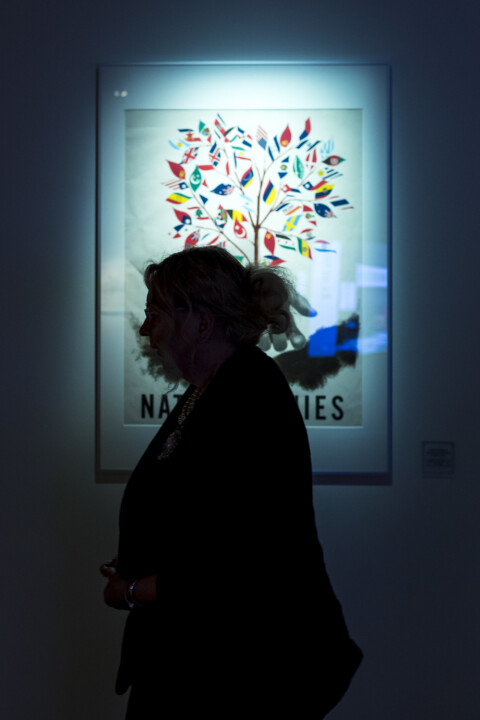
- Vintage posters promoting the League of Nations.
- Wide shot of a man watching a documentary about the United Nations.
- Close up of curator (masked) with portraits to rear.
Similar Stories

1
1
1
Edited News | OCHA , UNICEF , WFP
Aid agencies warned on Friday of the fast-developing humanitarian emergency inside Taiz City in Yemen, which has been encircled by de facto Houthi forces fighting government troops along the country’s west coast.

2
17
1
2
Edited News , Press Conferences , Images | OCHA , WMO
Two UN agencies teamed up on Wednesday to issue an appeal for immediate assistance to help communities already being impacted by the strongest El Niño on record.

3
16
2
2
Edited News , B-roll , Conferences , Images | UNITED NATIONS , UNOG
Sixth Consultative Meeting on Enhancing Coordination of Peace Initiatives and Efforts for Sudan

1
1
1
Edited News | UNICEF , WHO , UNHCR
Yemen war continues to force families from homes amid hunger and disease
More than 250,000 people have now fled renewed fighting in Yemen, the UN said on Tuesday, citing particular concern for those sheltering in the southwestern city of Taiz and the wider governorate, where access is “essentially blocked”.

1
1
1
Edited News | UNICEF
A little over one year since a ceasefire agreement was announced between Hamas fighters and Israel, more than 340 children have been reported killed and hundreds more injured, the UN Children’s Fund, UNICEF, said on Friday.

1
1
1
Edited News | UNICEF , IFRC
Six weeks after Nepal’s deadly flooding disaster, communities are still struggling to rebuild their lives, but they will need sustained help as global warming increases the risk of another Himalayan catastrophe, the UN Children’s Fund (UNICEF) said on Friday.

1
1
1
Edited News | WHO
In suspected Russia plague death, testing and monitoring underway – WHO
The death of a lab worker in Russia’s Siberia region has sparked concerns about plague being the cause, the UN World Health Organization (WHO) said on Tuesday, adding that it was following the situation closely.

1
1
Edited News | OHCHR , UNOG
UN Human Rights Chief Volker Türk on Friday provided and oral update to the 63rd session of the Human rights Council on Ukraine.

1
1
1
Edited News | OHCHR , UNOG
UN Human Rights Chief Volker Türk on Friday provided and oral update to the 63rd session of the Human rights Council on the human rights situation in Haiti.

1
1
1
Edited News | WHO
Repeated delays in bringing lifesaving medicines, prosthetics and more from Israel into Gaza risk having devastating consequences on Palestinians who urgently need them in the wartorn enclave, the UN World Health Organization (WHO) said on Friday. “A truck full of non-priority supplies or the right supplies arriving too late, doesn't save lives. That's the question that actually matters," said Dr Reinhilde Van De Weerdt, WHO Representative in the OPT.

1
1
1
Edited News | WHO
DRC: Early access to care and oxygen decisive for Ebola patients’ survival – WHO
In the Democratic Republic of the Congo (DRC), health workers fighting the country’s largest-ever Ebola outbreak are struggling to overcome critical challenges to patient care, the UN World Health Organization (WHO) warned on Tuesday.

1
1
1
Edited News | OCHA , UN
Civilians in Iran are continuing to feel the consequences of months of conflict and military escalation, the UN’s top official in the country has said, as loss of life, damage to civilian infrastructure and mounting economic pressures leave many facing continued uncertainty.