

The United Nations Office at Geneva
Multimedia Newsroom
Edited News | UNOG
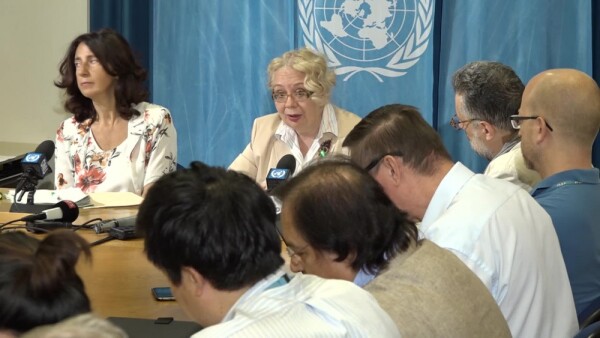
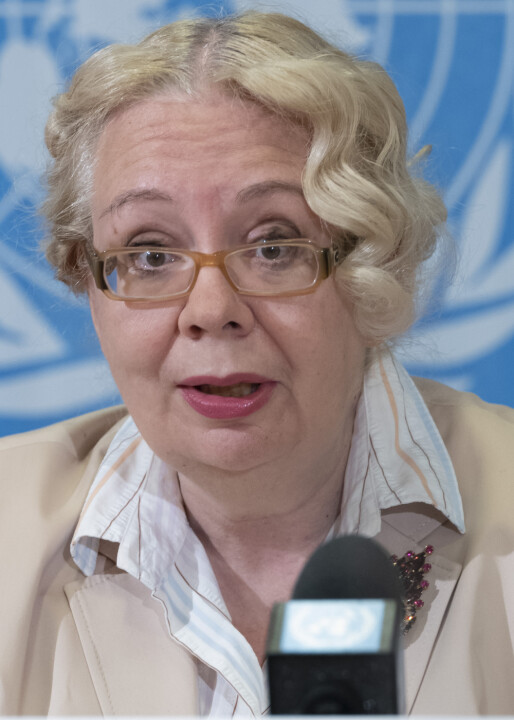
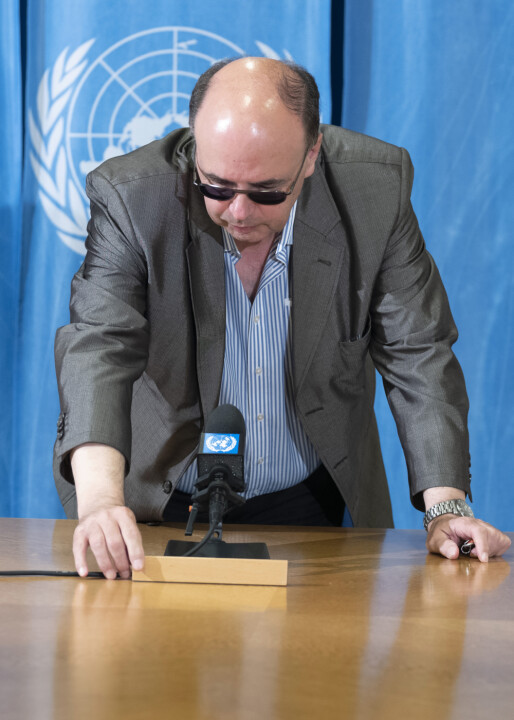
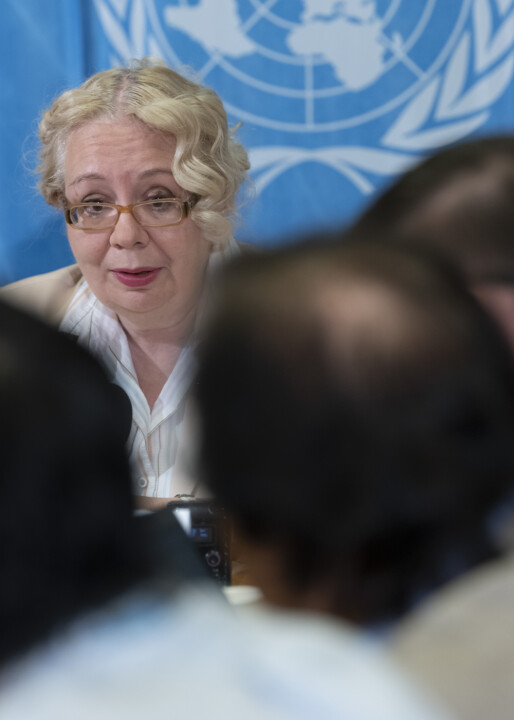
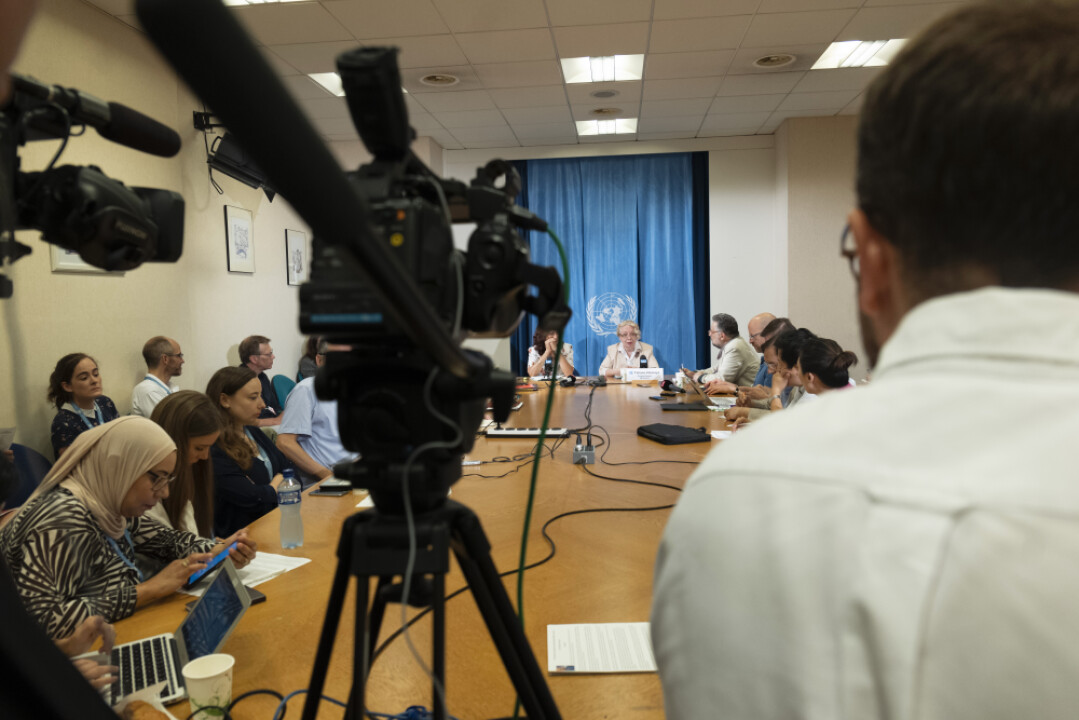
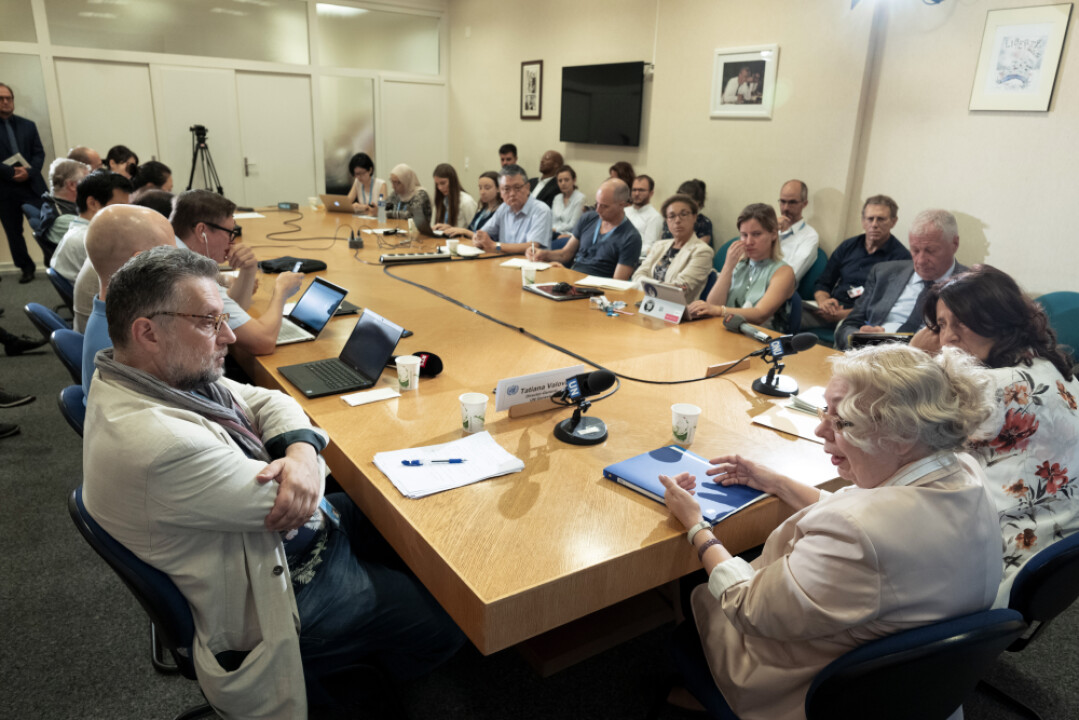
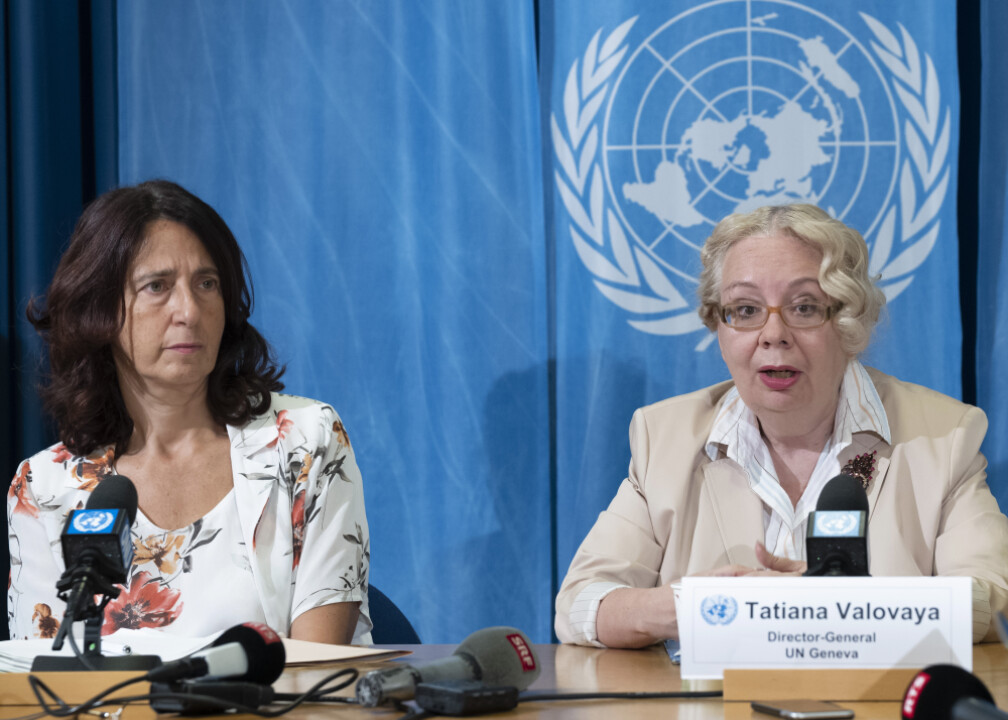
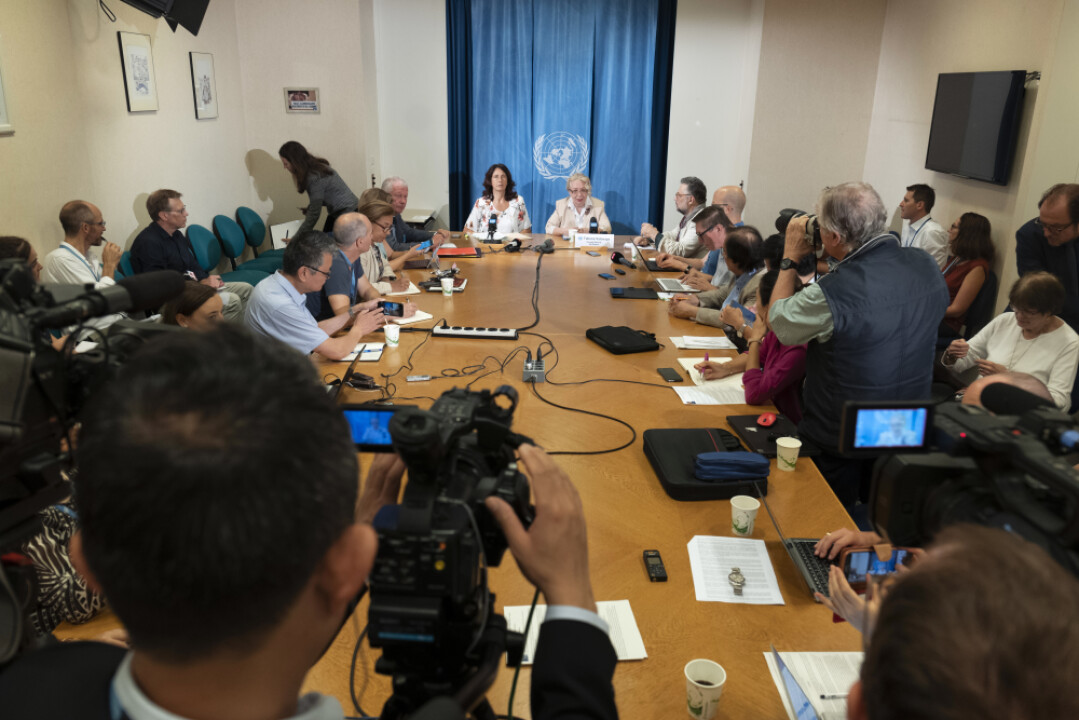
UNOG press conference: United Nations Geneva Director-General Tatiana Valovaya
“I am the first female to lead the United Nations Office in Geneva,” she said. “That is, of course, a great honour and at the same time it is a great responsibility, because you know the Secretary-General has a very strategic and long-term policy on acquiring gender parity, in all United Nations institutions. For me, it’s a topic very close to my heart.”
At this historically important juncture – 100 years after the founding of UN forerunner, the League of Nations, and approaching 75 years since the UN was created – Valovaya touched on current geopolitical instability and the damaging impact it threatens to have on international cooperation.
“We are going through very uncertain times and during these uncertain times, multilateralism, the United Nations organizations – organization - is more important than ever,” she said. “Here in Geneva we have a real platform of multilateralism which we can really use.”
Acknowledging the value of the Swiss city in helping to promote the three pillars of the UN Charter – peace, security and human rights – the Director-General indicated that UN chief António Guterres was particularly keen to utilize its expertise and global reach.
“During my meetings with the Secretary-General, he always made a special stress that we should be more proactive in Geneva’s sphere,” she said. “That we should do more substance work, that we should more communicate with academia, with expert society, with Member States, with you, with the business community, because the United Nations should be more active in all these fields, because here in Geneva we have a fantastic hub of knowledge.”
A day after teenage climate activist Greta Thunberg arrived in New York by boat, ahead of the next month’s Youth Climate Summit and Climate Action Summit at UN headquarters, Valovaya insisted that tackling rising global temperatures in line with development goals that leave nobody behind were key issues for her, too.
“Among these big priorities, a very crucial priority is climate change and Sustainable Development Goals. You know pretty well that it will be the emphasis during General Assembly this year; there will be Climate Summit, there will be a discussion on Sustainable Development Goals. For me, Sustainable Development Goals are of very crucial importance.”
After taking up her post earlier this month, one of the new Director-General’s first tasks involved addressing the Geneva-based Conference on Disarmament, in her official capacity as Secretary-General of the Conference on Disarmament and personal representative of the UN chief.
In her speech on 14 August, which emphasized to Member States the “critical work of the Conference” in pushing for agreement on denuclearization and in tackling multiple threats to global security, Valovaya also acknowledged the need to break the stalemate on disarmament discussions.
She also reiterated the message of her predecessor, Michael Moller, that “whenever States seek security not in the collective value of diplomacy and dialogue, but in the false protection of weapons, they are sleepwalking into disaster”.
Highlighting those sentiments, she told journalists at the UN Palais: “I’ve been officially appointed Secretary-General of the Conference on Disarmament, the Personal Representative of the Secretary-General. You know the situation is in the Conference is rather – well, it’s stable, I would say it’s stable; it’s stable not from the positive point of things, (that) well, not too many things are going to develop. Of course, it’s for the Member States to take the initiative.”
The Director-General also highlighted the potential advantages of the fact that in addition to herself, three other women now lead disarmament affairs in Geneva: Izumi Nakamitsu, Under-Secretary-General and High Representative for Disarmament Affair, Anja Kasperson, Director, United Nations Office for Disarmament Affairs, and Renata Dwan, Director, United Nations Institute for Disarmament Research (UNIDIR).
“On the executive level, the High Representative of Secretary-General is a woman, I am a woman, the Officer-in-Charge, (of disarmament affairs), she is a woman, UNIDIR Director (UN Institute for Disarmament Research) is a woman. So I even started joking that it was for men to make armaments and for women to start disarmament.”
She added: “I really think that active participation of other women could provide some more positive atmosphere to our Conference on Disarmament and to disarmament as such.”
Similar Stories
1
1
1
Edited News | OCHA , UNICEF , WFP
Aid agencies warned on Friday of the fast-developing humanitarian emergency inside Taiz City in Yemen, which has been encircled by de facto Houthi forces fighting government troops along the country’s west coast.

2
17
1
2
Edited News , Press Conferences , Images | OCHA , WMO
Two UN agencies teamed up on Wednesday to issue an appeal for immediate assistance to help communities already being impacted by the strongest El Niño on record.
3
16
2
2
Edited News , B-roll , Conferences , Images | UNITED NATIONS , UNOG
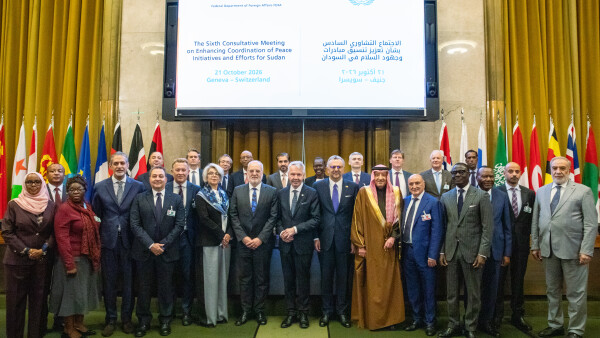
Sixth Consultative Meeting on Enhancing Coordination of Peace Initiatives and Efforts for Sudan

1
1
1
Edited News | UNICEF , WHO , UNHCR
Yemen war continues to force families from homes amid hunger and disease
More than 250,000 people have now fled renewed fighting in Yemen, the UN said on Tuesday, citing particular concern for those sheltering in the southwestern city of Taiz and the wider governorate, where access is “essentially blocked”.

1
1
1
Edited News | UNICEF
A little over one year since a ceasefire agreement was announced between Hamas fighters and Israel, more than 340 children have been reported killed and hundreds more injured, the UN Children’s Fund, UNICEF, said on Friday.

1
1
1
Edited News | UNICEF , IFRC
Six weeks after Nepal’s deadly flooding disaster, communities are still struggling to rebuild their lives, but they will need sustained help as global warming increases the risk of another Himalayan catastrophe, the UN Children’s Fund (UNICEF) said on Friday.

1
1
1
Edited News | WHO
In suspected Russia plague death, testing and monitoring underway – WHO
The death of a lab worker in Russia’s Siberia region has sparked concerns about plague being the cause, the UN World Health Organization (WHO) said on Tuesday, adding that it was following the situation closely.

1
1
Edited News | OHCHR , UNOG
UN Human Rights Chief Volker Türk on Friday provided and oral update to the 63rd session of the Human rights Council on Ukraine.

1
1
1
Edited News | OHCHR , UNOG
UN Human Rights Chief Volker Türk on Friday provided and oral update to the 63rd session of the Human rights Council on the human rights situation in Haiti.

1
1
1
Edited News | WHO
Repeated delays in bringing lifesaving medicines, prosthetics and more from Israel into Gaza risk having devastating consequences on Palestinians who urgently need them in the wartorn enclave, the UN World Health Organization (WHO) said on Friday. “A truck full of non-priority supplies or the right supplies arriving too late, doesn't save lives. That's the question that actually matters," said Dr Reinhilde Van De Weerdt, WHO Representative in the OPT.

1
1
1
Edited News | WHO
DRC: Early access to care and oxygen decisive for Ebola patients’ survival – WHO
In the Democratic Republic of the Congo (DRC), health workers fighting the country’s largest-ever Ebola outbreak are struggling to overcome critical challenges to patient care, the UN World Health Organization (WHO) warned on Tuesday.

1
1
1
Edited News | OCHA , UN
Civilians in Iran are continuing to feel the consequences of months of conflict and military escalation, the UN’s top official in the country has said, as loss of life, damage to civilian infrastructure and mounting economic pressures leave many facing continued uncertainty.