

The United Nations Office at Geneva
Multimedia Newsroom
In a statement read by her spokesperson Rupert Colville today in Geneva, raised concern continuing reports of deaths and injuries resulting from the use of forces security forces against demonstrators, as well as deliberate killings by armed elements in Iraq
SOUNDBITE (English)—Rupert Colville, Spokesperson for the Office of the UN High Commissioner for Human Rights (OHCHR): “We are gravely concerned about continuing reports of deaths and injuries resulting from the use of force by security forces against demonstrators, as well as deliberate killings by armed elements in Iraq. “
SOUNDBITE (English)—Rupert Colville, Spokesperson for the Office of the UN High Commissioner for Human Rights (OHCHR): “Between 1 October and last night, the Human Rights Office for the UN Assistance Mission for Iraq has documented 269 deaths in the context of demonstrations across the country. At least 8,000 others have reportedly been injured, including members of the Iraqi security forces. The exact casualty figures may be much higher. “
SOUNDBITE (English)—Rupert Colville, Spokesperson for the Office of the UN High Commissioner for Human Rights (OHCHR): “ The majority of the casualties have resulted from the use of live ammunition by security forces and armed elements, described as private militia groups, as well as the unnecessary, disproportionate or improper use of less-lethal weapons such as tear gas.”
SOUNDBITE (English)—Rupert Colville, Spokesperson for the Office of the UN High Commissioner for Human Rights (OHCHR): “Protests have continued this week in Baghdad, and deaths and injuries have been documented during demonstrations in Baghdad, Basra, Dhi Qar and Karbala. Just this morning, we received reports of five protesters killed during demonstrations in front of the Governorate building in Basra last night. On Wednesday this week, a civil society activist was shot and killed and another injured by armed elements on the way home from a demonstration in Missan. We are also following up on reports of multiple arrests of demonstrators and activists, as well as bloggers and social media commentators, but there has been a lack of transparency, making these reports difficult to follow up on.”
SOUNDBITE (English)—Rupert Colville, Spokesperson for the Office of the UN High Commissioner for Human Rights (OHCHR): “We are alarmed by reports of the abduction, by unknown perpetrators, of protesters or volunteers providing assistance in the demonstrations. These allegations should be promptly investigated, the whereabouts of those missing clarified and those responsible held to account.”
SOUNDBITE (English)—Rupert Colville, Spokesperson for the Office of the UN High Commissioner for Human Rights (OHCHR): “We are disturbed by the statement by the High Judicial Council that the Federal Anti-Terrorism Law would be applicable against those resorting to violence, sabotaging public property and using firearms against security forces, as these are acts of terrorism that may be punishable by death.”
SOUNDBITE (English)—Rupert Colville, Spokesperson for the Office of the UN High Commissioner for Human Rights (OHCHR): “We urge the Iraqi Government to ensure it complies with its obligation to protect the exercise of the right to peaceful assembly. This means taking preventive steps to protect demonstrators from armed elements, as well as issuing clear instructions to security forces to abide by international norms and standards on the use of force, including for example, an explicit prohibition on the shooting of tear gas canisters directly at demonstrators.”
SOUNDBITE (English)—Rupert Colville, Spokesperson for the Office of the UN High Commissioner for Human Rights (OHCHR): “Immediate steps must be taken to investigate and prosecute those responsible for these killings and justice and truth should be provided for the victims and their families. It is crucial that terrorism charges are not used against demonstrators.”
SOUNDBITE (English)—Rupert Colville, Spokesperson for the Office of the UN High Commissioner for Human Rights (OHCHR): “We call on the authorities to take firm steps towards a meaningful dialogue in Iraq, to take stock of the many grievances and work with a broad range of actors towards a sustainable resolution to the many challenges Iraq faces. We stand ready to assist.”
You can read the UN Second Special Report on protests in Iraq here:
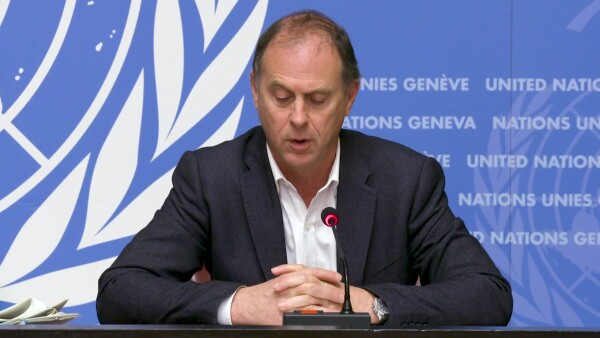
- Wide shot: briefing room Palais des Nations Geneva
- SOUNDBITE (English)—Rupert Colville, Spokesperson for the Office of the UN High Commissioner for Human Rights (OHCHR):“We are gravely concerned about continuing reports of deaths and injuries resulting from the use of force by security forces against demonstrators, as well as deliberate killings by armed elements in Iraq.“
- Cut away: Medium shot journalists
- SOUNDBITE (English)—Rupert Colville, Spokesperson for the Office of the UN High Commissioner for Human Rights (OHCHR):“Between 1 October and last night, the Human Rights Office for the UN Assistance Mission for Iraq has documented 269 deaths in the context of demonstrations across the country. At least 8,000 others have reportedly been injured, including members of the Iraqi security forces. The exact casualty figures may be much higher. “
- Cut away: Medium shot journalist
- SOUNDBITE (English)—Rupert Colville, Spokesperson for the Office of the UN High Commissioner for Human Rights (OHCHR):“The majority of the casualties have resulted from the use of live ammunition by security forces and armed elements, described as private militia groups, as well as the unnecessary, disproportionate or improper use of less-lethal weapons such as tear gas.”
- Cut away:Close up hands typing
- SOUNDBITE (English)—Rupert Colville, Spokesperson for the Office of the UN High Commissioner for Human Rights (OHCHR):“Protests have continued this week in Baghdad, and deaths and injuries have been documented during demonstrations in Baghdad, Basra, Dhi Qar and Karbala. Just this morning, we received reports of five protesters killed during demonstrations in front of the Governorate building in Basra last night. On Wednesday this week, a civil society activist was shot and killed and another injured by armed elements on the way home from a demonstration in Missan. We are also following up on reports of multiple arrests of demonstrators and activists, as well as bloggers and social media commentators, but there has been a lack of transparency, making these reports somewhat difficult to follow up on.”
- Cut away: Close up journalist
- SOUNDBITE (English)—Rupert Colville, Spokesperson for the Office of the UN High Commissioner for Human Rights (OHCHR):“We are also alarmed by reports of the abduction, by unknown perpetrators, of protesters or volunteers providing assistance in the demonstrations. These allegations should be promptly investigated, the whereabouts of those missing clarified and those responsible held to account.”
- Cut away: Close up hand
- SOUNDBITE (English)—Rupert Colville, Spokesperson for the Office of the UN High Commissioner for Human Rights (OHCHR):“We are disturbed by the statement by the High Judicial Council that the Federal Anti-Terrorism Law would be applicable against those resorting to violence, sabotaging public property and using firearms against security forces, and our concern is that these acts of terrorism are punishable by death.”
- Cut away: Medium shot journalists
- SOUNDBITE (English)—Rupert Colville, Spokesperson for the Office of the UN High Commissioner for Human Rights (OHCHR):“We urge the Iraqi Government to ensure it complies with its obligation to protect the exercise of the right to peaceful assembly. This means taking preventative steps to protect demonstrators from armed elements, as well as issuing clear instructions to security forces to abide by international norms and standards on the use of force, including for example, an explicit prohibition on the shooting of tear gas canisters directly at demonstrators.”
- Cut away: Close up computer
- SOUNDBITE (English)—Rupert Colville, Spokesperson for the Office of the UN High Commissioner for Human Rights (OHCHR):“Immediate steps must be taken to investigate and prosecute those responsible for these killings and justice and truth should be provided for the victims and their families. It is crucial that terrorism charges are not used against demonstrators.”
- Cut away: Close up
- SOUNDBITE (English)—Rupert Colville, Spokesperson for the Office of the UN High Commissioner for Human Rights (OHCHR):“ We call on the authorities to take firm steps towards a meaningful dialogue in Iraq, to take stock of the many grievances and work with a broad range of actors towards a sustainable resolution to the many challenges Iraq faces. We stand ready to assist in any way we can.”
- Cut away: Various cut aways.
Similar Stories

2
17
1
2
Edited News , Press Conferences | OCHA , WMO
Two UN agencies teamed up on Wednesday to issue an appeal for immediate assistance to help communities already being impacted by the strongest El Niño on record.

3
16
2
2
B-roll , Conferences , Edited News | UNITED NATIONS , UNOG
Sixth Consultative Meeting on Enhancing Coordination of Peace Initiatives and Efforts for Sudan

1
1
1
Edited News | UNICEF , WHO , UNHCR
Yemen war continues to force families from homes amid hunger and disease
More than 250,000 people have now fled renewed fighting in Yemen, the UN said on Tuesday, citing particular concern for those sheltering in the southwestern city of Taiz and the wider governorate, where access is “essentially blocked”.

1
1
1
Edited News | UNICEF
A little over one year since a ceasefire agreement was announced between Hamas fighters and Israel, more than 340 children have been reported killed and hundreds more injured, the UN Children’s Fund, UNICEF, said on Friday.

1
1
1
Edited News | UNICEF , IFRC
Six weeks after Nepal’s deadly flooding disaster, communities are still struggling to rebuild their lives, but they will need sustained help as global warming increases the risk of another Himalayan catastrophe, the UN Children’s Fund (UNICEF) said on Friday.

1
1
1
Edited News | WHO
In suspected Russia plague death, testing and monitoring underway – WHO
The death of a lab worker in Russia’s Siberia region has sparked concerns about plague being the cause, the UN World Health Organization (WHO) said on Tuesday, adding that it was following the situation closely.

1
1
Edited News | OHCHR , UNOG
UN Human Rights Chief Volker Türk on Friday provided and oral update to the 63rd session of the Human rights Council on Ukraine.

1
1
1
Edited News | OHCHR , UNOG
UN Human Rights Chief Volker Türk on Friday provided and oral update to the 63rd session of the Human rights Council on the human rights situation in Haiti.

1
1
1
Edited News | WHO
Repeated delays in bringing lifesaving medicines, prosthetics and more from Israel into Gaza risk having devastating consequences on Palestinians who urgently need them in the wartorn enclave, the UN World Health Organization (WHO) said on Friday. “A truck full of non-priority supplies or the right supplies arriving too late, doesn't save lives. That's the question that actually matters," said Dr Reinhilde Van De Weerdt, WHO Representative in the OPT.

1
1
1
Edited News | WHO
DRC: Early access to care and oxygen decisive for Ebola patients’ survival – WHO
In the Democratic Republic of the Congo (DRC), health workers fighting the country’s largest-ever Ebola outbreak are struggling to overcome critical challenges to patient care, the UN World Health Organization (WHO) warned on Tuesday.

1
1
1
Edited News | OCHA , UN
Civilians in Iran are continuing to feel the consequences of months of conflict and military escalation, the UN’s top official in the country has said, as loss of life, damage to civilian infrastructure and mounting economic pressures leave many facing continued uncertainty.
1
1
1
Edited News | WHO , UNICEF
Aid agencies in Yemen highlighted the growing hunger emergency sparked by renewed fighting between Houthi opposition forces and Government troops, after mobile health clinics reported that hundreds of children displaced by the violence are suffering from the most deadly form of malnutrition.