

The United Nations Office at Geneva
Multimedia Newsroom
As heavy fighting continues to be reported along the line of contact in the disputed Nagorno-Karabakh region having caused huge human suffering, the International Committee of the Red Cross (ICRC) today urged Armenia and Azerbaijan to finalize arrangements in order to facilitate the handover of bodies of those killed and to handle the release of detainees.
A fragile humanitarian ceasefire, brokered by Russia, went into effect on Saturday but was almost immediately broken, with both Armenian and Azerbaijan accusing each other of fresh attacks.
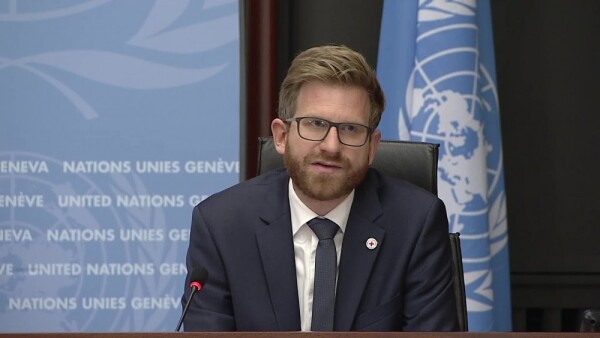
Speaking at a news conference today at the United Nations in Geneva, Martin Schüepp, ICRC Eurasia Regional Director said that “it is our hope that the humanitarian ceasefire agreement will be abided by and that it will translate into meaningful relief for those affected. As such, the International Committee of the Red Cross remains ready to facilitate the hand-over of bodies of those killed in action or the release of detainees. The sides, however, need to agree on a format between themselves”.
Since the latest violence erupted in late September, artillery strikes have reportedly hit a number of cities, towns and villages. The disputed territory, home to about 150,000 people, is an ethnic Armenian enclave and is internationally recognised as part of Azerbaijan by all countries, including Armenia. But the people of Nagorno-Karabakh – an overwhelming majority of whom are ethnic Armenians- want to govern themselves or to join Armenia.
Since the ICRC started working in connection with the Nagorno-Karabagh conflict in 1992, the organization has repeatedly helped authorities with such operations. ”Subsequent to this agreement in Moscow, we have continued to be in contact with the sides proposing our services as a neutral intermediary to facilitate the exchange of bodies or – if agreed by the parties – of course also of prisoners”, said ICRC’s Martin Schüepp.
Currently, the organization has roughly 200 staff throughout the region, half of them on both sides of the line of contact and they are trying to bring in additional staff.
Their focus is on the plight of civilians affected by the fighting, said Martin Schüepp. “We estimate that already hundreds of thousands of people across the region are directly or indirectly affected. Civilians are dying or suffering live changing injuries. Homes, businesses and once busy streets are being reduced to rubble”.
ICRC is currently trying to make an assessment. However, the security situation and the continued fighting has limited the access to all the areas.
”In terms of our humanitarian response, we are working throughout the region to ease the suffering of those caught up in this. We are, for example, distributing emergency cash assistance or hygiene kits to hundreds of families, we are providing emergency medical kits to hospitals and forensic support to authorities, and we are trying to do field assessments wherever we can”, Martin Schüepp said.
Today the World Health Organisation has informed that both countries have seen an increase in Covid-19 cases: Armenia’s numbers have doubled over the past week and the numbers of infected people in Azerbaijan increased by 80 % over last week.
- Exterior wide shot, Palais des Nations flag alley, nations’ flags flying, a cloudy day.
- Wide shot, press briefing room
- SOUNDBITE (English) — Martin Schüepp, ICRC Eurasia Regional Director: “We estimate that already hundreds of thousands of people across the region are directly or indirectly affected. Civilians are dying or suffering live changing injuries. Homes, businesses and once busy streets are being reduced to rubble”.
- Medium, podium in press room from below
- SOUNDBITE (English) - Martin Schüepp, ICRC Eurasia Regional Director: ”Subsequent to this agreement in Moscow, we have continued to be in contact with the sides proposing our services as a neutral intermediary to facilitate the exchange of bodies or – if agreed by the parties – of course also of prisoners”.
- Medium shot, journalists in press room
- SOUNDBITE (English) - Martin Schüepp, ICRC Eurasia Regional Director:” It is our hope that the humanitarian ceasefire agreement will be abided by and that it will translate into meaningful relief for those affected. As such, the International Committee of the Red Cross remains ready to facilitate the hand over of bodies of those killed in action or the release of detainees. The sides, however, need to agree on a format between themselves”.
- Wide shot, press briefing room
- SOUNDBITE (English) - Martin Schüepp, ICRC Eurasia Regional Director:” In terms of our humanitarian response, we are working throughout the region to ease the suffering of those caught up in this. We are, for example, distributing emergency cash assistance or hygiene kits to hundreds of families, we are providing emergency medical kits to hospitals and forensic support to authorities, and we are trying to do field assessments wherever we can”.
- Medium shot, podium and screen on the side
- Medium shot, camerawoman
- Medium shot, podium
Similar Stories

1
1
1
Edited News | UNICEF
A little over one year since a ceasefire agreement was announced between Hamas fighters and Israel, more than 340 children have been reported killed and hundreds more injured, the UN Children’s Fund, UNICEF, said on Friday.

1
1
1
Edited News | UNICEF , IFRC
Six weeks after Nepal’s deadly flooding disaster, communities are still struggling to rebuild their lives, but they will need sustained help as global warming increases the risk of another Himalayan catastrophe, the UN Children’s Fund (UNICEF) said on Friday.

1
1
1
Edited News | WHO
In suspected Russia plague death, testing and monitoring underway – WHO
The death of a lab worker in Russia’s Siberia region has sparked concerns about plague being the cause, the UN World Health Organization (WHO) said on Tuesday, adding that it was following the situation closely.

1
1
Edited News | OHCHR , UNOG
UN Human Rights Chief Volker Türk on Friday provided and oral update to the 63rd session of the Human rights Council on Ukraine.

1
1
1
Edited News | OHCHR , UNOG
UN Human Rights Chief Volker Türk on Friday provided and oral update to the 63rd session of the Human rights Council on the human rights situation in Haiti.

1
1
1
Edited News | WHO
Repeated delays in bringing lifesaving medicines, prosthetics and more from Israel into Gaza risk having devastating consequences on Palestinians who urgently need them in the wartorn enclave, the UN World Health Organization (WHO) said on Friday. “A truck full of non-priority supplies or the right supplies arriving too late, doesn't save lives. That's the question that actually matters," said Dr Reinhilde Van De Weerdt, WHO Representative in the OPT.

1
1
1
Edited News | WHO
DRC: Early access to care and oxygen decisive for Ebola patients’ survival – WHO
In the Democratic Republic of the Congo (DRC), health workers fighting the country’s largest-ever Ebola outbreak are struggling to overcome critical challenges to patient care, the UN World Health Organization (WHO) warned on Tuesday.

1
1
1
Edited News | OCHA , UN
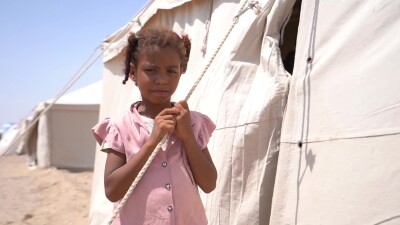
Civilians in Iran are continuing to feel the consequences of months of conflict and military escalation, the UN’s top official in the country has said, as loss of life, damage to civilian infrastructure and mounting economic pressures leave many facing continued uncertainty.
1
1
1
Edited News | WHO , UNICEF
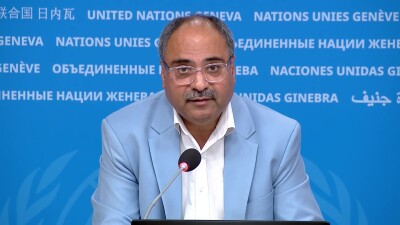
Aid agencies in Yemen highlighted the growing hunger emergency sparked by renewed fighting between Houthi opposition forces and Government troops, after mobile health clinics reported that hundreds of children displaced by the violence are suffering from the most deadly form of malnutrition.
1
1
1
Edited News | UNHCR
Displacement on the rise in Yemen as fighting continues - UNHCR
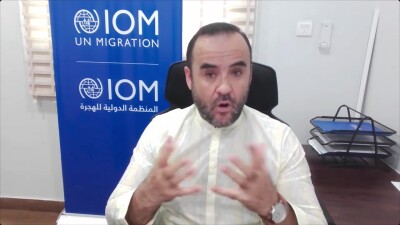
As hostilities worsen in Yemen, more people have been fleeing their homes, further intensifying the humanitarian crisis within the region, the UN Refugee Agency (UNHCR) warned on Tuesday.
1
1
1
Edited News | IOM , OHCHR , UNFPA , UNOG , UNHCR , WHO
Yemen’s humanitarian crisis growing by the hour amid spike in displacement
Yemenis displaced by renewed fighting have described fleeing for their lives amid shelling and gunfire, aid agencies reported on Friday, while highlighting the dramatic increase in humanitarian needs in the country and in Djibouti, where thousands have sought shelter.
1
1
1
Edited News | OHCHR , UNOG
The UN Human Rights Office issued on Friday a report documenting a shocking pattern of sexual violence amid Russia’s full-scale armed attack on Ukraine.