

The United Nations Office at Geneva
Multimedia Newsroom
Edited News | UNIFIL , UNFPA , IOM , UNHCR
Middle East War update - UNIFIL, UNFPA, IOM, UNHCR
Middle East war: pregnant women in Lebanon forced to give birth in open
As the UN Secretary-General touched down in Beirut on Friday in solidarity with the people of Lebanon, UN agencies highlighted the dangers for civilians and particularly pregnant women and migrant workers, amid ongoing airstrikes and rocket fire between Hezbollah fighters and Israel.
“There’s 11,600 pregnant women who are affected, 4,000 are anticipated to give birth over the next three months,” said UNFPA Anandita Philipose, Lebanon Representative for the UN population fund, UNFPA. “Many of these women have been forced from their homes, cut off from essential health services and forced to give birth in dangerous conditions, some even by the side of the road.”
The situation across Lebanon has escalated dramatically – and notably in the south, Beirut, Mount Lebanon and the Bekaa Valley - since war erupted across the Middle East, sparked by Israeli-U.S. strikes in Iran on 28 February, Iranian counterstrikes in many Gulf States, Hezbollah rocket fire into Israel and Israeli airstrikes in response.
According to UNFPA, 55 hospitals and clinics have been forced to close, either because they are in zones impacted by Israeli mass evacuation orders, “or because there's been direct damage to them”, Ms. Philipose added.
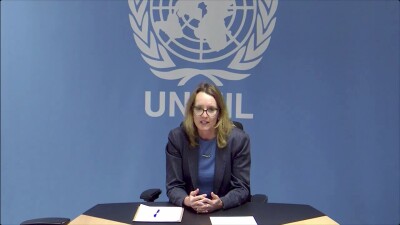
The UN peacekeeping mission in Lebanon, UNIFIL, has recorded daily rocket, missile and drone attacks on Israel and the occupied Golan from Lebanon and artillery fire, air and drone strikes by Israeli soldiers, who have made “ground incursions up to seven kilometres (4.3 miles) into Lebanon”, said Kandice Ardiel, UNIFIL spokesperson.
Speaking via video from the force’s headquarters in Naqoura close to the Blue Line separating Lebanon from Israel, Ms. Ardiel highlighted a significant escalation on Wednesday evening. That involved more than 100 projectiles “fired from Lebanese territory and over 100 projectiles fired right back from Israel, as well as seven airstrikes within our area of operations”.
Nonetheless, “things have been more quiet yesterday. We haven't seen so much activity and I haven't seen any numbers from today, but I'll say here in Naqoura, it's been fairly quiet…nonetheless, it's a very volatile situation and anything can change at any moment.”
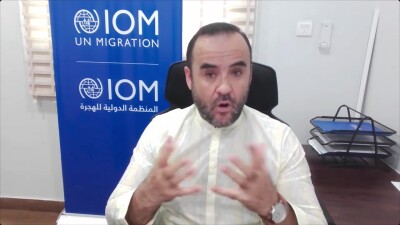
As the violence continues, the UN migration agency, IOM, warned that more than 822,000 people have been displaced so far inside Lebanon alone, with migrants “particularly vulnerable” and with “nowhere to go”, said Mathieu Luciano, IOM Chief of Mission in Lebanon.
“Lebanon hosts 200,000 migrants. They come here for work and they're particularly vulnerable,” he said from Beirut. “They come from Ethiopia, from Sri Lanka, from Kenya, Sudan, Bangladesh and other countries and most of them were working in agriculture, construction, also domestic workers, and the crisis has hit them hard. It left many with nowhere to go and relying on community organizations, churches, their embassies and NGOs for safety.”
According to the UN refugee agency, UNHCR, more than 4.1 million people have been internally displaced in Afghanistan, Iran, Lebanon and Pakistan since the beginning of the escalation.
Inside Iran, IOM said that it has already assisted migrants to return home from Iran. “We have requests to assist others. Right now, the barrier is resources to be able to do so,” said David John, Director of Movement, Resettlement and Labour Pathways at the agency.
“So far, the numbers that are being mentioned are that some 11,400 Iranians have crossed into Türkiye, while over 24,600 Afghans have returned from Iran back into Afghanistan. Both figures are remaining currently within the daily average crossings,” UNHCR spokesperson Babar Baloch told journalists in Geneva.
The UN agency has found work-arounds to counter supply chain disruption caused by the war. “Despite ongoing airspace closures and many time disruptions, UNHCR has been able to respond quickly,” Mr. Baloch explained. “Essential relief items are pre-positioned across the region, including Termiz in Uzbekistan, strategically close to Iran and several country-level warehouses.”
ends
Middle East War update – UNIFIL, UNFPA, IOM, UNHCR
TRT: 3’56”
SOURCE: UNTV CH
RESTRICTIONS: NONE
LANGUAGE: ENGLISH/ NATS
ASPECT RATIO: 16:9
DATELINE: 13 MARCH 2026 GENEVA, SWITZERLAND
Speakers:
- Kandice Ardiel, UNIFIL Spokesperson (from Naqoura)
- Anandita Philipose, UNFPA's Lebanon Representative (from Beirut)
- Mathieu Luciano, IOM Chief of Mission in Lebanon (from Beirut)
- Babar Baloch, spokesperson, UNHCR
- David John, Director of Movement, Resettlement and Labour Pathways, IMO
SHOTLIST
- Exterior wide, UN Geneva flag alley.
- Wide, UN Geneva Press room, podium speakers, journalists.
- SOUNDBITE (English) – Kandice Ardiel, UNIFIL Spokesperson (from Naqoura) “We are seeing daily rocket, missile, and drone attacks on Israel and the occupied Golan from Lebanon and artillery fire, air and drone strikes, and ground incursions up to seven kilometres into Lebanon by Israeli forces.”
- Wide, UN Geneva Press room, journalists.
- SOUNDBITE (English) – Kandice Ardiel, UNIFIL Spokesperson (from Naqoura) “In terms of strikes and that we've seen over the last couple of days, we did see a great escalation two nights ago with over 100 projectiles fired from Lebanese territory and over 100 projectiles fired right back from Israel, as well as seven airstrikes within our area of operations. So that was a significant escalation.”
- Medium-wide, UN Geneva Press room, podium speakers, journalists.
- SOUNDBITE (English) – Kandice Ardiel, UNIFIL Spokesperson (from Naqoura): “Things have been more quiet yesterday. We haven't seen so much activity and I haven't seen any numbers from today, but I'll say here in Naqoura, it's been fairly quiet. So, that gives us some hope that perhaps that escalation has - it will not continue. But nonetheless, it's a very volatile situation and anything can change at any moment.”
- Wide, UN Geneva Press room, TV screens showing external speaker, journalists.
- SOUNDBITE (English) – Anandita Philipose, UNFPA's Lebanon Representative (from Beirut): “Four thousand are anticipated to give birth over the next three months. Many of these women have been forced from their homes, cut off from essential health services and forced to give birth in dangerous conditions, some even by the side of the road.”
- Wide, UN Geneva Press room, podium speakers, journalists.
- SOUNDBITE (English) – Anandita Philipose, UNFPA's Lebanon Representative (from Beirut): “I also want to flag that 55 hospitals and clinics have been forced to close, either because they're in zones where there's been mass evacuation orders or because there's been direct damage to them.”
- Wide, podium speakers, journalists, TV screens showing speaker.
- SOUNDBITE (English) – Mathieu Luciano, IOM Chief of Mission in Lebanon (from Beirut): “Lebanon hosts 200,000 migrants. They come here for work and they're particularly vulnerable. They come from Ethiopia, from Sri Lanka, from Kenya, Sudan, Bangladesh and other countries. And most of them were working in agriculture, construction, also domestic workers, and the crisis has hit them hard. It left many with nowhere to go and relying on community organizations, churches, their embassies and NGOs for safety.”
- Medium-wide, podium speakers, journalists, TV screen showing speaker.
- SOUNDBITE (English) – Babar Baloch, spokesperson, UNHCR: “So far, the numbers that are being mentioned are that some 11,400 Iranians have crossed into Türkiye, while over 24,600 Afghans have returned from Iran back into Afghanistan. Both figures are remaining currently within the daily average crossings.”
- Medium-wide, podium speakers, journalists, TV screen showing speaker.
- SOUNDBITE (English) – David John, Director of Movement, Resettlement and Labour Pathways, IMO: “We are not in a position to talk about the specific nationalities right now. But we have already assisted migrants to return home from Iran. We have requests to assist others. Right now, the barrier is resources to be able to do so.”
- Medium, participant.
- SOUNDBITE (English) – Babar Baloch, spokesperson, UNHCR: “Despite ongoing airspace closures and many time disruptions, UNHCR has been able to respond quickly, thanks to our solid emergency preparedness systems. Essential relief items are pre-positioned across the region, including Termiz in Uzbekistan, strategically close to Iran and several country-level warehouses.”
- Medium, participant.
- Medium, participant.
- Medium-wide, journalists.
Similar Stories

1
1
1
Edited News | UNICEF , WHO , UNHCR
Yemen war continues to force families from homes amid hunger and disease
More than 250,000 people have now fled renewed fighting in Yemen, the UN said on Tuesday, citing particular concern for those sheltering in the southwestern city of Taiz and the wider governorate, where access is “essentially blocked”.

1
1
1
Edited News | UNICEF
A little over one year since a ceasefire agreement was announced between Hamas fighters and Israel, more than 340 children have been reported killed and hundreds more injured, the UN Children’s Fund, UNICEF, said on Friday.

1
1
1
Edited News | UNICEF , IFRC
Six weeks after Nepal’s deadly flooding disaster, communities are still struggling to rebuild their lives, but they will need sustained help as global warming increases the risk of another Himalayan catastrophe, the UN Children’s Fund (UNICEF) said on Friday.

1
1
1
Edited News | WHO
In suspected Russia plague death, testing and monitoring underway – WHO
The death of a lab worker in Russia’s Siberia region has sparked concerns about plague being the cause, the UN World Health Organization (WHO) said on Tuesday, adding that it was following the situation closely.

1
1
Edited News | OHCHR , UNOG
UN Human Rights Chief Volker Türk on Friday provided and oral update to the 63rd session of the Human rights Council on Ukraine.

1
1
1
Edited News | OHCHR , UNOG
UN Human Rights Chief Volker Türk on Friday provided and oral update to the 63rd session of the Human rights Council on the human rights situation in Haiti.

1
1
1
Edited News | WHO
Repeated delays in bringing lifesaving medicines, prosthetics and more from Israel into Gaza risk having devastating consequences on Palestinians who urgently need them in the wartorn enclave, the UN World Health Organization (WHO) said on Friday. “A truck full of non-priority supplies or the right supplies arriving too late, doesn't save lives. That's the question that actually matters," said Dr Reinhilde Van De Weerdt, WHO Representative in the OPT.

1
1
1
Edited News | WHO
DRC: Early access to care and oxygen decisive for Ebola patients’ survival – WHO
In the Democratic Republic of the Congo (DRC), health workers fighting the country’s largest-ever Ebola outbreak are struggling to overcome critical challenges to patient care, the UN World Health Organization (WHO) warned on Tuesday.

1
1
1
Edited News | OCHA , UN
Civilians in Iran are continuing to feel the consequences of months of conflict and military escalation, the UN’s top official in the country has said, as loss of life, damage to civilian infrastructure and mounting economic pressures leave many facing continued uncertainty.
1
1
1
Edited News | WHO , UNICEF
Aid agencies in Yemen highlighted the growing hunger emergency sparked by renewed fighting between Houthi opposition forces and Government troops, after mobile health clinics reported that hundreds of children displaced by the violence are suffering from the most deadly form of malnutrition.
1
1
1
Edited News | UNHCR
Displacement on the rise in Yemen as fighting continues - UNHCR
As hostilities worsen in Yemen, more people have been fleeing their homes, further intensifying the humanitarian crisis within the region, the UN Refugee Agency (UNHCR) warned on Tuesday.
1
1
1
Edited News | IOM , OHCHR , UNFPA , UNOG , UNHCR , WHO
Yemen’s humanitarian crisis growing by the hour amid spike in displacement
Yemenis displaced by renewed fighting have described fleeing for their lives amid shelling and gunfire, aid agencies reported on Friday, while highlighting the dramatic increase in humanitarian needs in the country and in Djibouti, where thousands have sought shelter.