

The United Nations Office at Geneva
Multimedia Newsroom
UN strengthens support to most vulnerable in southern Brazil's 'biggest climate-related disaster
Flash-flooding in Brazil kills at least 163 and displaces 600,000
Unprecedented floods and landslides have impacted over two million people in the Brazilian state of Rio Grande do Sul where almost every city has been hit. A staggering “93 per cent of the cities and towns” have been impacted, according to the UN refugee agency, UNHCR.
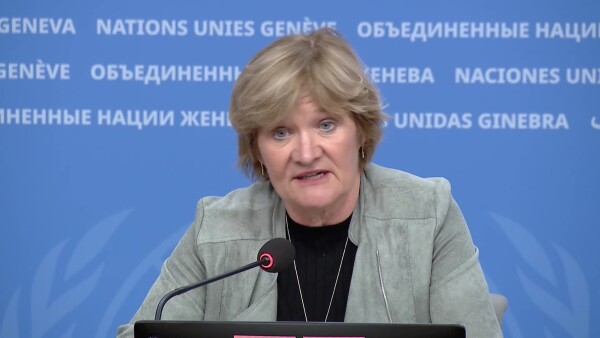
Speaking to journalists in Geneva, spokesperson William Spindler explained the floods have become the biggest climate-related disaster in southern Brazil. More than 65,000 of those uprooted by the emergency are still sheltering in improvised centres.
This month’s flood is the fourth that Rio Grande do Sul has suffered in a year, following floods in July, September and November 2023 that killed 75 people.
Together with national authorities, UNHCR is expanding its response to support the most vulnerable, including 43,000 refugees and other people in need of international protection, mainly Venezuelans, Haitians and Cubans.
“An estimated $3.21 million is needed to support UNHCR's response, including financial assistance to affected individuals and essential relief items,” said Mr. Spindler, who noted that climate change disproportionately affects refugees who already live in dire conditions.
As part of the response, a team from UNHCR specialized in shelter management, documentation and the prevention of gender-based violence has been mobilized to the disaster areas and is coordinating the reception of relief items.
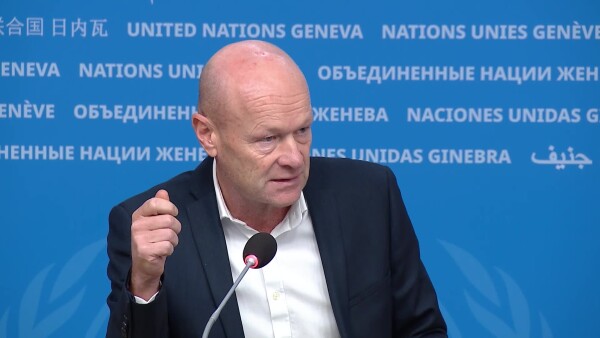
In a related development on Friday, the UN Meteorological Organization (WMO) highlighted a tropical cyclone alert from the Brazilian National Institute of Meteorology. “An extra tropical cyclone is developing in the ocean at the height of the coast of Rio Grande do Sul and will bring more rains with constant winds. This will obviously make the situation even worse,” warned WMO spokesperson Clare Nullis.
Since 2000, flood-related disasters across the world have increased by 134 per cent compared with the two previous decades, according to the WMO 2021 report. The intensification of climate change has significantly contributed to the increased frequency and severity of extreme weather events, such as the devastating floods in southern Brazil, but also ongoing disasters in east Africa and Afghanistan where more than 300 died in flash floods last week.
Although countries have invested in infrastructure projects to prevent flood damage, UN agencies including the WMO have highlighted the need for a more integrated response to El Niño and climate change impacts, particularly by investing in early warning technology.
“It really pays dividends to invest in national meteorological hydrological services. For every dollar of investment, you get much, much bigger returns. And that same principle applies for early warning services,” emphasized Ms. Nullis.
- Ends -
Story: Brazil floods – UNHCR, WMO – 24 May 2024
Speakers, agencies spokespersons:
· William Spindler, UNHCR spokesperson
· Clare Nullis, WMO spokesperson
TRT: 02’42”
SOURCE: UNTV CH
LANGUAGE: ENGLISH
ASPECT RATIO: 16:9
DATELINE: 24 May 2024 - GENEVA, SWITZERLAND
Geneva Press briefing
SHOTLIST
-
-
- Exterior medium shot: UN flag alley. (full stop!)
- Wide shot of the podium with speakers at the press conference.
- SOUNDBITE (English) William Spindler, UN refugee agency (UNHCR) spokesperson: “The floods are the biggest climate-related disaster in southern Brazil and have cost 163 deaths and displaced some 580,000 people. More than 65,000 are still sheltering in improvised collective centres; 93 per cent of the cities and towns in Rio Grande do Sul have been affected.”
- Wide shot of Press room.
- SOUNDBITE (English) William Spindler, UN refugee agency (UNHCR) UNHCR spokesperson: “UNHCR is expanding its response with national authorities to meet the needs of the most vulnerable, including 43,000 refugees and other people in need of international protection, mainly Venezuelans, Haitians and Cubans, as well as the communities that host them.”
- Medium shot: journalists at the press conference.
- SOUNDBITE (English) William Spindler, UN refugee agency (UNHCR): “An estimated $3.21 million is needed to support UNHCR's response, including financial assistance to affected individuals and essential relief items. A team specialized in shelter management, documentation, and the prevention of gender-based violence has been mobilized to the disaster areas and is coordinating the reception of relief items dispatched by UNHCR.”
- Cutaway journalists at the press conference.
- SOUNDBITE (English) Clare Nullis, UN World Meteorological Organization (WMO) spokesperson: “the Brazilian National Meteorological Service, on its website is posting constant updates. The most recent update warned of a new instability event which started this week. And it is strengthening, sort of yesterday and especially today.”
- Wide shot of press conference and control room.
- SOUNDBITE (English) Clare Nullis, UN World Meteorological Organization (WMO) spokesperson: “Added to that, you've got an extra tropical cyclone which is developing in the ocean, at the height of the coast of Rio Grande do Sul.”
- Cutaway: journalist taking notes.
- SOUNDBITE (English) Clare Nullis, UN World Meteorological Organization (WMO) spokesperson: “The strong message from WMO is, you know, it really pays dividends to invest in national meteorological hydrological services. For every dollar of investment, you get much, much bigger returns. And that same principle applies for early warning services.”
- Various shots of the press conference room.
-
Download video material - For UNHCR B-Roll please, click on the following link: B-roll: https://media.unhcr.org/Share/x255whhj5y0708bdtw65i7y8ajgir146
Similar Stories
1
1
1
Edited News | OCHA , UNICEF , WFP
Aid agencies warned on Friday of the fast-developing humanitarian emergency inside Taiz City in Yemen, which has been encircled by de facto Houthi forces fighting government troops along the country’s west coast.

2
17
1
2
Edited News , Press Conferences , Images | OCHA , WMO
Two UN agencies teamed up on Wednesday to issue an appeal for immediate assistance to help communities already being impacted by the strongest El Niño on record.
3
16
2
2
Edited News , B-roll , Conferences , Images | UNITED NATIONS , UNOG
Sixth Consultative Meeting on Enhancing Coordination of Peace Initiatives and Efforts for Sudan

1
1
1
Edited News | UNICEF , WHO , UNHCR
Yemen war continues to force families from homes amid hunger and disease
More than 250,000 people have now fled renewed fighting in Yemen, the UN said on Tuesday, citing particular concern for those sheltering in the southwestern city of Taiz and the wider governorate, where access is “essentially blocked”.

1
1
1
Edited News | UNICEF
A little over one year since a ceasefire agreement was announced between Hamas fighters and Israel, more than 340 children have been reported killed and hundreds more injured, the UN Children’s Fund, UNICEF, said on Friday.

1
1
1
Edited News | UNICEF , IFRC
Six weeks after Nepal’s deadly flooding disaster, communities are still struggling to rebuild their lives, but they will need sustained help as global warming increases the risk of another Himalayan catastrophe, the UN Children’s Fund (UNICEF) said on Friday.

1
1
1
Edited News | WHO
In suspected Russia plague death, testing and monitoring underway – WHO
The death of a lab worker in Russia’s Siberia region has sparked concerns about plague being the cause, the UN World Health Organization (WHO) said on Tuesday, adding that it was following the situation closely.

1
1
Edited News | OHCHR , UNOG
UN Human Rights Chief Volker Türk on Friday provided and oral update to the 63rd session of the Human rights Council on Ukraine.

1
1
1
Edited News | OHCHR , UNOG
UN Human Rights Chief Volker Türk on Friday provided and oral update to the 63rd session of the Human rights Council on the human rights situation in Haiti.

1
1
1
Edited News | WHO
Repeated delays in bringing lifesaving medicines, prosthetics and more from Israel into Gaza risk having devastating consequences on Palestinians who urgently need them in the wartorn enclave, the UN World Health Organization (WHO) said on Friday. “A truck full of non-priority supplies or the right supplies arriving too late, doesn't save lives. That's the question that actually matters," said Dr Reinhilde Van De Weerdt, WHO Representative in the OPT.

1
1
1
Edited News | WHO
DRC: Early access to care and oxygen decisive for Ebola patients’ survival – WHO
In the Democratic Republic of the Congo (DRC), health workers fighting the country’s largest-ever Ebola outbreak are struggling to overcome critical challenges to patient care, the UN World Health Organization (WHO) warned on Tuesday.

1
1
1
Edited News | OCHA , UN
Civilians in Iran are continuing to feel the consequences of months of conflict and military escalation, the UN’s top official in the country has said, as loss of life, damage to civilian infrastructure and mounting economic pressures leave many facing continued uncertainty.