

The United Nations Office at Geneva
Multimedia Newsroom
L'ONU renforce son soutien aux plus vulnérables dans la "plus grande catastrophe climatique" du sud du Brésil
Les inondations soudaines au Brésil tuent au moins 163 personnes et déplacent 600 000 personnes
Des inondations et des glissements de terrain sans précédent ont touché plus de deux millions de personnes dans l'État brésilien de Rio Grande do Sul, où presque toutes les villes ont été touchées. Un stupéfiant "93 pour cent des villes et villages" ont été touchés, selon l'agence des Nations Unies pour les réfugiés, le HCR.
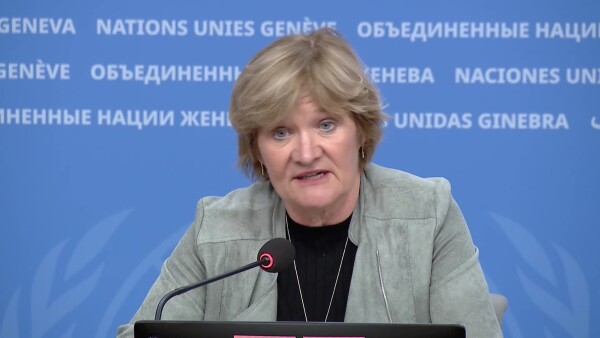
S'exprimant devant les journalistes à Genève, l'orateur William Spindler a expliqué que les inondations sont devenues la plus grande catastrophe climatique dans le sud du Brésil. Plus de 65 000 personnes déplacées par l'urgence sont encore abritées dans des centres improvisés.
L'inondation de ce mois est la quatrième que le Rio Grande do Sul a subie en un an, après les inondations de juillet, septembre et novembre 2023 qui ont tué 75 personnes.
En collaboration avec les autorités nationales, le HCR étend sa réponse pour soutenir les plus vulnérables, y compris 43 000 réfugiés et autres personnes ayant besoin de protection internationale, principalement des Vénézuéliens, des Haïtiens et des Cubains.
"Une estimation de 3,21 millions de dollars est nécessaire pour soutenir la réponse du HCR, y compris une assistance financière aux personnes touchées et des articles de secours essentiels", a déclaré M. Spindler, qui a noté que le changement climatique affecte de manière disproportionnée les réfugiés qui vivent déjà dans des conditions précaires.
Dans le cadre de la réponse, une équipe du HCR spécialisée dans la gestion des abris, la documentation et la prévention de la violence basée sur le genre a été mobilisée dans les zones sinistrées et coordonne la réception des articles de secours.
Dans un développement connexe vendredi, l'Organisation météorologique mondiale (OMM) des Nations Unies a mis en avant une alerte au cyclone tropical de l'Institut national de météorologie du Brésil. "Un cyclone extra-tropical se développe dans l'océan à la hauteur de la côte du Rio Grande do Sul et apportera plus de pluies avec des vents constants. Cela va évidemment aggraver la situation", a averti la porte-parole de l'OMM Clare Nullis.
Depuis 2000, les catastrophes liées aux inondations dans le monde ont augmenté de 134 pour cent par rapport aux deux décennies précédentes, selon le rapport de l'OMM de 2021. L'intensification du changement climatique a considérablement contribué à l'augmentation de la fréquence et de la gravité des événements météorologiques extrêmes, tels que les inondations dévastatrices dans le sud du Brésil, mais aussi les catastrophes en cours en Afrique de l'Est et en Afghanistan où plus de 300 personnes sont mortes dans des inondations soudaines la semaine dernière.
Bien que les pays aient investi dans des projets d'infrastructure pour prévenir les dommages causés par les inondations, les agences des Nations Unies, y compris l'OMM, ont souligné la nécessité d'une réponse plus intégrée aux impacts d'El Niño et du changement climatique, en particulier en investissant dans la technologie d'alerte précoce.
"Il est vraiment rentable d'investir dans les services météorologiques et hydrologiques nationaux. Pour chaque dollar investi, vous obtenez des retours beaucoup, beaucoup plus importants. Et ce même principe s'applique aux services d'alerte précoce", a souligné Mme Nullis.
- Fin -
Histoire : Inondations au Brésil – HCR, OMM – 24 mai 2024
Orateurs, porte-paroles des agences :
· William Spindler, porte-parole du HCR
· Clare Nullis, porte-parole de l'OMM
TRT: 02’42”
SOURCE: UNTV CH
LANGUE: ANGLAIS
RATIO D'ASPECT: 16:9
DATELINE: 24 mai 2024 - GENÈVE, SUISSE
Conférence de presse à Genève
LISTE DE PLANS
-
-
- Plan moyen extérieur : allée des drapeaux de l'ONU. (point final!)
- Plan large du podium avec les orateurs à la conférence de presse.
- EXTRAIT SONORE (Anglais) William Spindler, porte-parole de l'agence des Nations Unies pour les réfugiés (HCR) : “Les inondations sont la plus grande catastrophe liée au climat dans le sud du Brésil et ont causé 163 décès et déplacé environ 580 000 personnes. Plus de 65 000 sont encore hébergées dans des centres collectifs improvisés ; 93 % des villes et villages du Rio Grande do Sul ont été touchés.”
- Plan large de la salle de presse.
- EXTRAIT SONORE (Anglais) William Spindler, porte-parole de l'agence des Nations Unies pour les réfugiés (HCR) : “Le HCR étend sa réponse avec les autorités nationales pour répondre aux besoins des plus vulnérables, y compris 43 000 réfugiés et autres personnes ayant besoin de protection internationale, principalement des Vénézuéliens, des Haïtiens et des Cubains, ainsi que les communautés qui les accueillent.”
- Plan moyen : journalistes à la conférence de presse.
- EXTRAIT SONORE (Anglais) William Spindler, agence des Nations Unies pour les réfugiés (HCR) : “On estime que 3,21 millions de dollars sont nécessaires pour soutenir la réponse du HCR, y compris l'assistance financière aux personnes touchées et les articles de secours essentiels. Une équipe spécialisée dans la gestion des abris, la documentation et la prévention de la violence basée sur le genre a été mobilisée dans les zones sinistrées et coordonne la réception des articles de secours envoyés par le HCR.”
- Plan de coupe : journalistes à la conférence de presse.
- EXTRAIT SONORE (Anglais) Clare Nullis, porte-parole de l'Organisation météorologique mondiale (OMM) des Nations Unies : “Le Service météorologique national brésilien, sur son site Web, publie des mises à jour constantes. La mise à jour la plus récente a averti d'un nouvel événement d'instabilité qui a commencé cette semaine. Et il se renforce, en quelque sorte hier et surtout aujourd'hui.”
- Plan large de la conférence de presse et de la salle de contrôle.
- EXTRAIT SONORE (Anglais) Clare Nullis, porte-parole de l'Organisation météorologique mondiale (OMM) des Nations Unies : “En plus de cela, vous avez un cyclone extra-tropical qui se développe dans l'océan, à la hauteur de la côte du Rio Grande do Sul.”
- Plan de coupe : journaliste prenant des notes.
- EXTRAIT SONORE (Anglais) Clare Nullis, porte-parole de l'Organisation météorologique mondiale (OMM) des Nations Unies : “Le message fort de l'OMM est que, vous savez, il est vraiment rentable d'investir dans les services météorologiques et hydrologiques nationaux. Pour chaque dollar d'investissement, vous obtenez des retours beaucoup, beaucoup plus importants. Et ce même principe s'applique aux services d'alerte précoce.
-
Télécharger le matériel vidéo - Pour le B-Roll du HCR, veuillez cliquer sur le lien suivant :B-roll: https://media.unhcr.org/Share/x255whhj5y0708bdtw65i7y8ajgir146
Similar Stories

1
1
1
Edited News | OCHA , UNICEF , WFP
Aid agencies warned on Friday of the fast-developing humanitarian emergency inside Taiz City in Yemen, which has been encircled by de facto Houthi forces fighting government troops along the country’s west coast.

2
17
1
2
Edited News , Press Conferences , Images | OCHA , WMO
Two UN agencies teamed up on Wednesday to issue an appeal for immediate assistance to help communities already being impacted by the strongest El Niño on record.

3
16
2
2
Edited News , B-roll , Conferences , Images | UNITED NATIONS , UNOG
Sixth Consultative Meeting on Enhancing Coordination of Peace Initiatives and Efforts for Sudan

1
1
1
Edited News | UNICEF , WHO , UNHCR
Yemen war continues to force families from homes amid hunger and disease
More than 250,000 people have now fled renewed fighting in Yemen, the UN said on Tuesday, citing particular concern for those sheltering in the southwestern city of Taiz and the wider governorate, where access is “essentially blocked”.

1
1
1
Edited News | UNICEF
A little over one year since a ceasefire agreement was announced between Hamas fighters and Israel, more than 340 children have been reported killed and hundreds more injured, the UN Children’s Fund, UNICEF, said on Friday.

1
1
1
Edited News | UNICEF , IFRC
Six weeks after Nepal’s deadly flooding disaster, communities are still struggling to rebuild their lives, but they will need sustained help as global warming increases the risk of another Himalayan catastrophe, the UN Children’s Fund (UNICEF) said on Friday.

1
1
1
Edited News | WHO
In suspected Russia plague death, testing and monitoring underway – WHO
The death of a lab worker in Russia’s Siberia region has sparked concerns about plague being the cause, the UN World Health Organization (WHO) said on Tuesday, adding that it was following the situation closely.

1
1
Edited News | OHCHR , UNOG
UN Human Rights Chief Volker Türk on Friday provided and oral update to the 63rd session of the Human rights Council on Ukraine.

1
1
1
Edited News | OHCHR , UNOG
UN Human Rights Chief Volker Türk on Friday provided and oral update to the 63rd session of the Human rights Council on the human rights situation in Haiti.

1
1
1
Edited News | WHO
Repeated delays in bringing lifesaving medicines, prosthetics and more from Israel into Gaza risk having devastating consequences on Palestinians who urgently need them in the wartorn enclave, the UN World Health Organization (WHO) said on Friday. “A truck full of non-priority supplies or the right supplies arriving too late, doesn't save lives. That's the question that actually matters," said Dr Reinhilde Van De Weerdt, WHO Representative in the OPT.

1
1
1
Edited News | WHO
DRC: Early access to care and oxygen decisive for Ebola patients’ survival – WHO
In the Democratic Republic of the Congo (DRC), health workers fighting the country’s largest-ever Ebola outbreak are struggling to overcome critical challenges to patient care, the UN World Health Organization (WHO) warned on Tuesday.

1
1
1
Edited News | OCHA , UN
Civilians in Iran are continuing to feel the consequences of months of conflict and military escalation, the UN’s top official in the country has said, as loss of life, damage to civilian infrastructure and mounting economic pressures leave many facing continued uncertainty.