

The United Nations Office at Geneva
Multimedia Newsroom
Edited News | OHCHR , UNOG
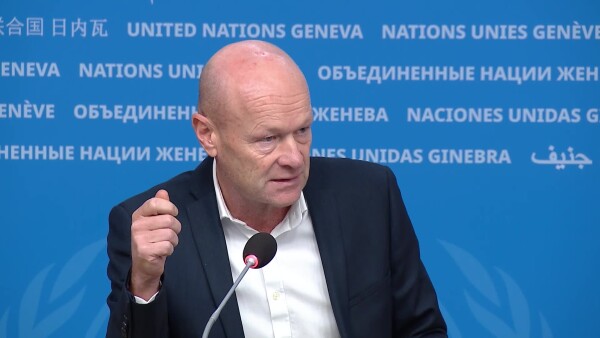
UN Human Rights spokesperson Jeremy Laurence on OPT Israel humanitarian aid and workers
“Over 33,000 Palestinians, mostly women and children, are dead, 75,000 or more are injured, and at least 7,000 are presumed dead under the rubble. Over 1,200 are dead in Israel and hundreds injured. More than 100 hostages remain in captivity. Huge swathes of Gaza have been bombed into oblivion. The Gaza Strip has changed forever,” spokesperson Jeremy Laurence told the biweekly press briefing in Geneva.
“The violations of international law committed since 7 October in Israel and Gaza, including gross violations of international human rights law and serious violations of international humanitarian law by all parties to the conflict, as well as the destruction and suffering of civilians in Gaza over the last six months, are unprecedented. And the risk of further atrocity crimes is high,” said Laurence.
“The world has collectively spoken that this carnage and wanton destruction must end immediately. The hostages must be released unconditionally. Humanitarian aid and other goods necessary for the survival of the civilian population must be allowed to flood into Gaza and be safely distributed to every part of the Strip,” Laurence stressed.
The spokesperson highlighted the worldwide shock following Israel’s killing of of the World Central Kitchen workers, noting that, so far, nearly 200 humanitarian workers have been killed in Gaza, including close to 180 UN staff.
“The Israeli airstrikes that killed World Central Kitchen personnel underline the horrific conditions under which humanitarian workers are operating in Gaza. Israel has also killed law enforcement officials and others involved in securing humanitarian aid delivery, directly contributing to the breakdown of civil order and putting humanitarian workers and those in need of aid in further danger,” Laurence said.
International law requires all parties to respect and protect humanitarian relief personnel and ensure their safety, security, and freedom of movement. Israel, as the occupying power, has the additional obligation to ensure, to the fullest extent possible, that the basic needs of the population of Gaza are met.
“Attacking people or objects involved in humanitarian assistance may amount to a war crime. As the High Commissioner has repeatedly stated, impunity must end. Independent, thorough and effective investigations into all alleged violations of international human rights and humanitarian law committed on 7 October and subsequently need to be conducted promptly,” said Laurence.
In Geneva:
Liz Throssell + 41 22 917 9296 / elizabeth.throssell@un.org
Jeremy Laurence - + 41 22 917 9383 / jeremy.laurence@un.org
Tag and share - Twitter: @UNHumanRights and Facebook: unitednationshumanrights
STORY: UN Human Rights Spokesperson Jeremy Laurence on OPT Israel humanitarian aid and workers
TRT: 03:15
SOURCE: UNTV / OHCHR
RESTRICTIONS: NONE
LANGUAGE: English/NATS
ASPECT RATIO: 16:9
DATELINE: 5 APRIL 2022 GENEVA, SWITZERLAND
SHOTLIST
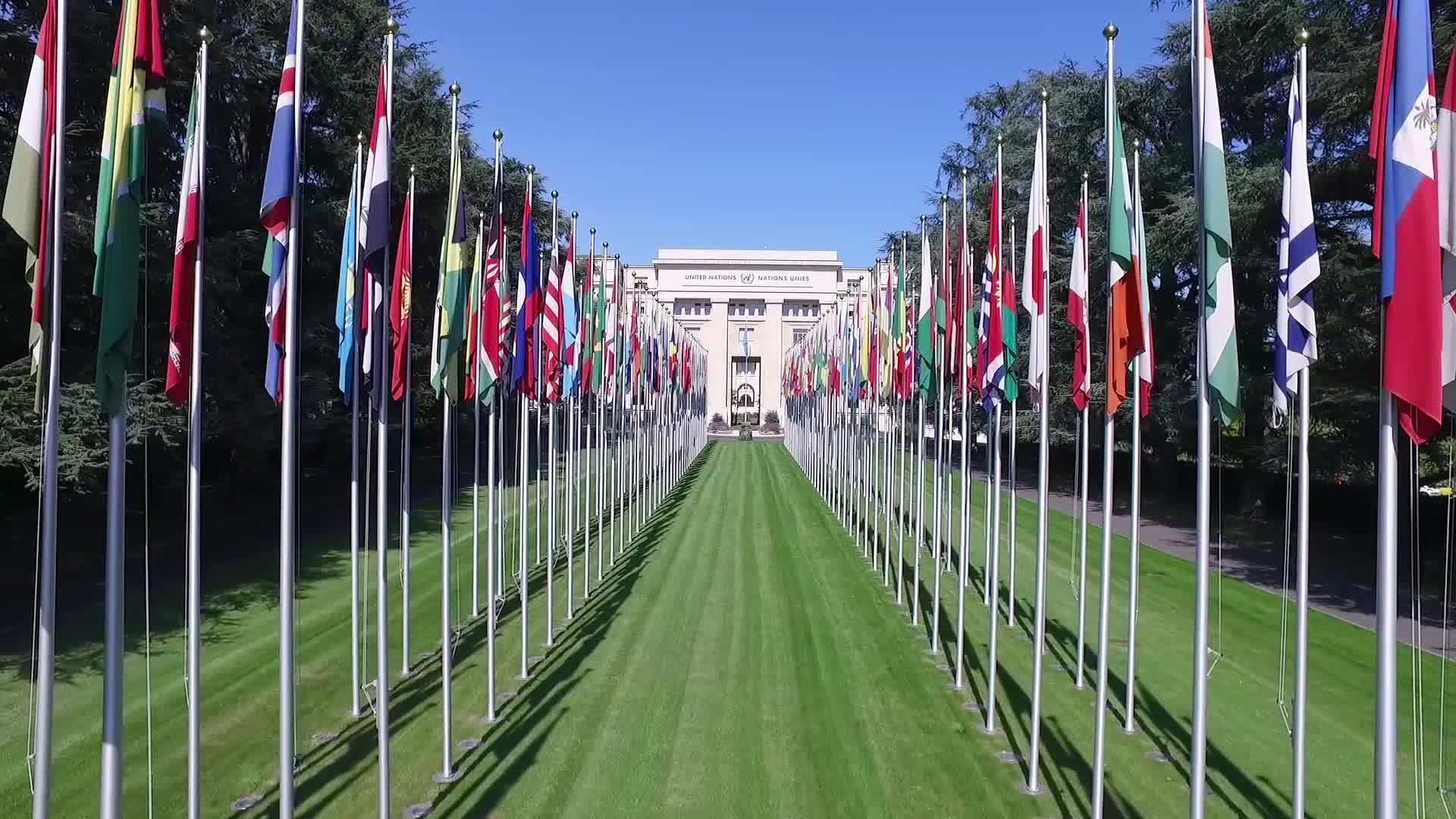
1. Exterior shot : Palais des Nations
2. Wide shot : Briefing room
3. SOUNDBITE (English)— Jeremy Laurence, Spokesperson for the Office of the UN High Commissioner for Human Rights (OHCHR): “Over 33,000 Palestinians, mostly women and children, are dead, 75,000 or more are injured, and at least 7,000 are presumed dead under the rubble. Over 1,200 are dead in Israel and hundreds injured. More than 100 hostages remain in captivity. Huge swathes of Gaza have been bombed into oblivion. The Gaza Strip has changed forever.”
4. Cut Away: Briefing room.
5. SOUNDBITE (English)— Jeremy Laurence, Spokesperson for the Office of the UN High Commissioner for Human Rights (OHCHR): “The violations of international law committed since 7 October in Israel and Gaza, including gross violations of international human rights law and serious violations of international humanitarian law by all parties to the conflict, as well as the destruction and suffering of civilians in Gaza over the last six months, are unprecedented. And the risk of further atrocity crimes is high.”
6. Cut Away: Briefing room.
7. SOUNDBITE (English)— Jeremy Laurence, Spokesperson for the Office of the UN High Commissioner for Human Rights (OHCHR): “The world has collectively spoken that this carnage and wanton destruction must end immediately. The hostages must be released unconditionally. Humanitarian aid and other goods necessary for the survival of the civilian population must be allowed to flood into Gaza and be safely distributed to every part of the Strip.”
8. Cut Away: Briefing room.
9. SOUNDBITE (English)— Jeremy Laurence, Spokesperson for the Office of the UN High Commissioner for Human Rights (OHCHR): “The Israeli airstrikes that killed World Central Kitchen personnel underline the horrific conditions under which humanitarian workers are operating in Gaza. Israel has also killed law enforcement officials and others involved in securing humanitarian aid delivery, directly contributing to the breakdown of civil order and putting humanitarian workers and those in need of aid in further danger.”
10. Cut Away: Briefing room.
Similar Stories
1
1
1
Edited News | OCHA , UNICEF , WFP
Aid agencies warned on Friday of the fast-developing humanitarian emergency inside Taiz City in Yemen, which has been encircled by de facto Houthi forces fighting government troops along the country’s west coast.

2
17
1
2
Edited News , Press Conferences , Images | OCHA , WMO
Two UN agencies teamed up on Wednesday to issue an appeal for immediate assistance to help communities already being impacted by the strongest El Niño on record.

3
16
2
2
Edited News , B-roll , Conferences , Images | UNITED NATIONS , UNOG
Sixth Consultative Meeting on Enhancing Coordination of Peace Initiatives and Efforts for Sudan

1
1
1
Edited News | UNICEF , WHO , UNHCR
Yemen war continues to force families from homes amid hunger and disease
More than 250,000 people have now fled renewed fighting in Yemen, the UN said on Tuesday, citing particular concern for those sheltering in the southwestern city of Taiz and the wider governorate, where access is “essentially blocked”.

1
1
1
Edited News | UNICEF
A little over one year since a ceasefire agreement was announced between Hamas fighters and Israel, more than 340 children have been reported killed and hundreds more injured, the UN Children’s Fund, UNICEF, said on Friday.

1
1
1
Edited News | UNICEF , IFRC
Six weeks after Nepal’s deadly flooding disaster, communities are still struggling to rebuild their lives, but they will need sustained help as global warming increases the risk of another Himalayan catastrophe, the UN Children’s Fund (UNICEF) said on Friday.

1
1
1
Edited News | WHO
In suspected Russia plague death, testing and monitoring underway – WHO
The death of a lab worker in Russia’s Siberia region has sparked concerns about plague being the cause, the UN World Health Organization (WHO) said on Tuesday, adding that it was following the situation closely.

1
1
Edited News | OHCHR , UNOG
UN Human Rights Chief Volker Türk on Friday provided and oral update to the 63rd session of the Human rights Council on Ukraine.

1
1
1
Edited News | OHCHR , UNOG
UN Human Rights Chief Volker Türk on Friday provided and oral update to the 63rd session of the Human rights Council on the human rights situation in Haiti.

1
1
1
Edited News | WHO
Repeated delays in bringing lifesaving medicines, prosthetics and more from Israel into Gaza risk having devastating consequences on Palestinians who urgently need them in the wartorn enclave, the UN World Health Organization (WHO) said on Friday. “A truck full of non-priority supplies or the right supplies arriving too late, doesn't save lives. That's the question that actually matters," said Dr Reinhilde Van De Weerdt, WHO Representative in the OPT.

1
1
1
Edited News | WHO
DRC: Early access to care and oxygen decisive for Ebola patients’ survival – WHO
In the Democratic Republic of the Congo (DRC), health workers fighting the country’s largest-ever Ebola outbreak are struggling to overcome critical challenges to patient care, the UN World Health Organization (WHO) warned on Tuesday.

1
1
1
Edited News | OCHA , UN
Civilians in Iran are continuing to feel the consequences of months of conflict and military escalation, the UN’s top official in the country has said, as loss of life, damage to civilian infrastructure and mounting economic pressures leave many facing continued uncertainty.