

The United Nations Office at Geneva
Multimedia Newsroom
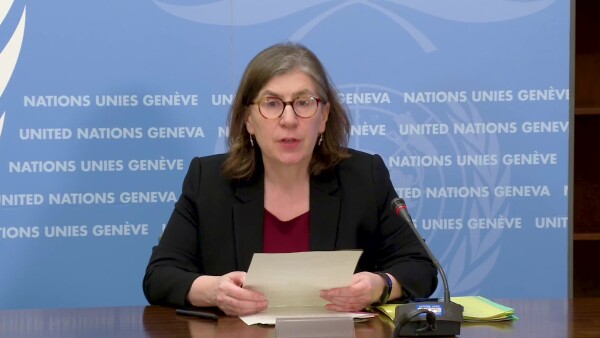
“UN High Commissioner for Human Rights Volker Türk has urged the Government of Belarus to end the systematic repression of perceived critics and immediately release all detainees held on political grounds, in the report published today that concludes gross human rights violations are being committed across the country,” Throssell said.
The report details the findings of the Office’s examination of the human rights situation in Belarus, mandated by the UN Human Rights Council, and covers the period from 1 May 2020 to 31 December 2022.
“The report documents widespread and systematic violations of international human rights law, including unlawful deprivation of life and numerous cases of arbitrary deprivation of liberty, torture and ill-treatment, as well as sexual and gender-based violence, violations of the rights to freedom of expression, peaceful assembly and association, and the denial of due process and equal protection of the law,” she said.
“The High Commissioner says that our report paints an unacceptable picture of impunity and the near-total destruction of civic space and fundamental freedoms in Belarus. The Government owes it to its people to bring a halt to this mass repression and to conduct impartial and transparent investigations to ensure that those responsible for grave violations are held accountable,” the spokesperson added.
“Violations appear to have been part of a campaign of violence and repression intentionally directed at those who were – or were perceived to be – opposing the Government or had expressed critical views, the report says. The report considers that some of these violations may amount to crimes against humanity,” Throssell said.
“The beating of thousands of peaceful protesters in the immediate aftermath of disputed elections, from 9 to 14 August 2020, was approved at a high level within Government, coordinated and openly incited, the report finds. The examination also finds reasonable grounds to believe that unnecessary and disproportionate force was used against demonstrators and detainees, resulting in at least five deaths,” she said.
Given the widespread unlawful use of force, the widespread and systematic practice of torture and inhuman treatment, including denial of medical care, and the overall situation of impunity, the actual death toll during the protests and related arrests may have been higher and further investigation would be required.
The UN Human Rights Office collected dozens of first-hand accounts of torture and found hundreds of complaints to be credible. It also documented over 100 cases of sexual and gender-based violence against detainees. But the scale of sexual and gender-based violations and abuses is likely to be under-reported due to stigma, fear of reprisals and denial of access of UN Human Rights investigators to the country.
“Severe sentences passed by the courts are illustrative of the instrumentalization and abuse of the justice system against opposition figures, bloggers, journalists, human rights defenders, trade union activists and lawyers,” Throssell noted.
“More than a dozen legislative amendments have been passed since 2021 targeting political activists and opponents, facilitating practices such as trials in absentia, revocation of citizenship and confiscation of private property,” she said.
“As of 17 March, 1,462 people held in detention in Belarus on politically motivated charges,” said Throssell.
By February 2023, the authorities had shut down 797 NGOs, while 432 others had closed to avoid potential prosecution – figures that account for virtually all the human rights groups working in the country. Most independent Belarusian media outlets have been forced to close, with some declared “extremist”, along with, recently, the Belarusian Association of Journalists (BAJ).
“The High Commissioner stresses that it is disgraceful that the Belarus authorities are determined to pursue those convicted of so-called ‘extremist activities’ and even go so far as to strip them of their citizenship. Such arbitrary deprivation of nationality will in some cases risk rendering a person stateless,” the spokesperson said.
“Now while the primary responsibility to address human rights violations remains with Belarus, the report urges UN Member States to consider working towards accountability through national proceedings based on accepted principles of extraterritorial and universal jurisdiction,” Throssell said.
ENDS
For more information and media requests, please contact:
In Geneva
Ravina Shamdasani - + 41 22 917 9169 / ravina.shamdasani@un.org or
Liz Throssell + 41 22 917 9296 / elizabeth.throssell@un.org or
Marta Hurtado - + 41 22 917 9466 / marta.hurtadogomez@un.org
Tag and share
Twitter @UNHumanRights
Facebook unitednationshumanrights
Instagram @unitednationshumanrights
- Exterior shot: Wide shot entrance of Palais des Nations
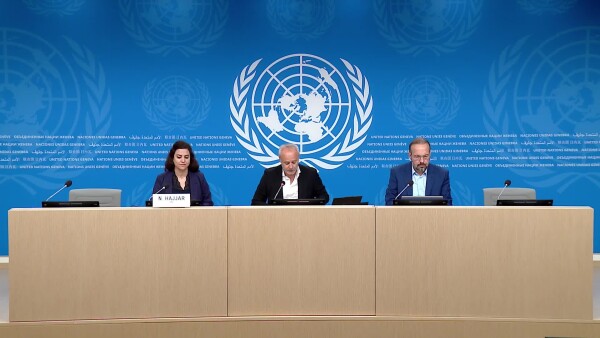
- Wide shot: Briefing room
- SOUNDBITE (English) – Liz Throssell, Spokesperson for the UN Human Rights Office (OHCHR): “UN High Commissioner for Human Rights Volker Türk has urged the Government of Belarus to end the systematic repression of perceived critics and immediately release all detainees held on political grounds, in the report published today that concludes gross human rights violations are being committed across the country,”
- Cut away: Briefing room & journalists
- SOUNDBITE (English) – Liz Throssell, Spokesperson for the UN Human Rights Office (OHCHR): “The report documents widespread and systematic violations of international human rights law, including unlawful deprivation of life and numerous cases of arbitrary deprivation of liberty, torture and ill-treatment, as well as sexual and gender-based violence, violations of the rights to freedom of expression, peaceful assembly and association, and the denial of due process and equal protection of the law,”
- Cut away: Briefing room & journalists
- SOUNDBITE (English) – Liz Throssell, Spokesperson for the UN Human Rights Office (OHCHR): “The High Commissioner says that our report paints an unacceptable picture of impunity and the near-total destruction of civic space and fundamental freedoms in Belarus. The Government owes it to its people to bring a halt to this mass repression and to conduct impartial and transparent investigations to ensure that those responsible for grave violations are held accountable,”
- Cut away: Briefing room & journalists
- SOUNDBITE (English) – Liz Throssell, Spokesperson for the UN Human Rights Office (OHCHR): “Violations appear to have been part of a campaign of violence and repression intentionally directed at those who were – or were perceived to be – opposing the Government or had expressed critical views, the report says. The report considers that some of these violations may amount to crimes against humanity,”
- Cut away: Briefing room & journalists
- SOUNDBITE (English) – Liz Throssell, Spokesperson for the UN Human Rights Office (OHCHR): “The beating of thousands of peaceful protesters in the immediate aftermath of disputed elections, from 9 to 14 August 2020, was approved at a high level within Government, coordinated and openly incited, the report finds. The examination also finds reasonable grounds to believe that unnecessary and disproportionate force was used against demonstrators and detainees, resulting in at least five deaths,”
- Cut away: Briefing room & journalists
- SOUNDBITE (English) – Liz Throssell, Spokesperson for the UN Human Rights Office (OHCHR):“Severe sentences passed by the courts are illustrative of the instrumentalization and abuse of the justice system against opposition figures, bloggers, journalists, human rights defenders, trade union activists and lawyers,”
- Cut away: Briefing room & journalists
- SOUNDBITE (English) – Liz Throssell, Spokesperson for the UN Human Rights Office (OHCHR): “More than a dozen legislative amendments have been passed since 2021 targeting political activists and opponents, facilitating practices such as trials in absentia, revocation of citizenship and confiscation of private property”
- Cut away: Briefing room & journalists
- SOUNDBITE (English) – Liz Throssell, Spokesperson for the UN Human Rights Office (OHCHR): “As of 17 March, 1,462 people held in detention in Belarus on politically motivated charges,”
- Cut away: Briefing room & journalists
- SOUNDBITE (English) – Liz Throssell, Spokesperson for the UN Human Rights Office (OHCHR):“The High Commissioner stresses that it is disgraceful that the Belarus authorities are determined to pursue those convicted of so-called ‘extremist activities’ and even go so far as to strip them of their citizenship. Such arbitrary deprivation of nationality will in some cases risk rendering a person stateless,”
- Cut away: Briefing room & journalists
- SOUNDBITE (English) – Liz Throssell, Spokesperson for the UN Human Rights Office (OHCHR): “Now while the primary responsibility to address human rights violations remains with Belarus, the report urges UN Member States to consider working towards accountability through national proceedings based on accepted principles of extraterritorial and universal jurisdiction,”
Similar Stories
1
1
1
Edited News | OCHA , UNICEF , WFP
Aid agencies warned on Friday of the fast-developing humanitarian emergency inside Taiz City in Yemen, which has been encircled by de facto Houthi forces fighting government troops along the country’s west coast.
1
1
1
Press Conferences | UN WOMEN , WFP , WHO
UN WOMEN: Sudan Women and girls one year after the fall of El Fasher; increasing drone attacks across the country; WFP: DRC - Ebola spreads to eighth DRC province as WFP delivers food, builds treatment centres and keeps supplies moving; WHO - Update on Ebola (Bundibugyo Virus Disease)
1
12
1
1
Press Conferences , Images | UNOG
Closing Press Conference following the Sixth Consultative Meeting on Enhancing Coordination of Peace Initiatives and Efforts in Sudan

2
17
1
2
Edited News , Press Conferences , Images | OCHA , WMO
Two UN agencies teamed up on Wednesday to issue an appeal for immediate assistance to help communities already being impacted by the strongest El Niño on record.
3
16
2
2
Edited News , B-roll , Conferences , Images | UNITED NATIONS , UNOG
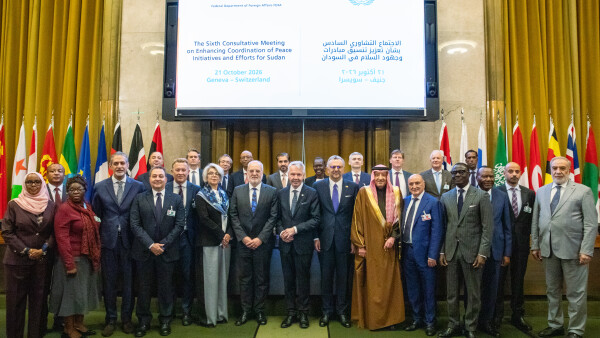
Sixth Consultative Meeting on Enhancing Coordination of Peace Initiatives and Efforts for Sudan
1
1
1
Press Conferences | CITES
Wildlife trade and conservation policy discussions at the 81st meeting of the CITES Standing Committee (SC81)

1
1
1
Edited News | UNICEF , WHO , UNHCR
Yemen war continues to force families from homes amid hunger and disease
More than 250,000 people have now fled renewed fighting in Yemen, the UN said on Tuesday, citing particular concern for those sheltering in the southwestern city of Taiz and the wider governorate, where access is “essentially blocked”.
1
1
1
Press Conferences | UNHCR , UNCTAD , WMO , OCHA , UNICEF , WHO
UNHCR Hungary’s 1956 Refugee Crisis: 70 Years On, UNCTAD World Investment Forum 2026, Doha, WMO Greenhouse Gas Bulletin and Climate Update for COP31, OCHA Afghanistan: Malnutrition, Girls’ Education and Recovery, UNICEF Yemen: Child Malnutrition and Unsafe Water in Taiz, WHO Inequalities in Noncommunicable Diseases and Risk Factors
1
1
1
Press Conferences | UNHCR
End of UNHCR's 77th Annual Executive Committee (ExCom) meeting week

1
1
1
Edited News | UNICEF
A little over one year since a ceasefire agreement was announced between Hamas fighters and Israel, more than 340 children have been reported killed and hundreds more injured, the UN Children’s Fund, UNICEF, said on Friday.
1
1
1
Press Conferences | UNICEF , IOM , UNHCR
UN Special Assistant to the Personal Envoy Office (SUDAN): Peace Initiatives and Efforts in Sudan; UNICEF: Dire situation of children in Gaza; IOM: Damaged Homes and Energy Attacks Risk Displacing Ukrainians for this winter; UNHCR: update on EXCOM week

1
1
1
Press Conferences | IOM , UNDRR
UN stresses importance of household preparedness for disaster risk reduction.