

The United Nations Office at Geneva
Multimedia Newsroom
Press Conferences | UNCTAD , WMO , WFP , UNHCR , UNICEF , UNAIDS
مؤتمر صحفي نصف شهري - ٢٤ نوفمبر ٢٠٢٣
مؤتمر صحفي من قبل خدمة المعلومات التابعة للأمم المتحدة
24 نوفمبر 2023
رأست أليساندرا فيلوتشي، مديرة خدمة المعلومات التابعة للأمم المتحدة في جنيف، مؤتمرًا صحفيًا هجينًا حضره المتحدثون وممثلون عن وكالة الأمم المتحدة لشؤون اللاجئين، وصندوق الأمم المتحدة للطفولة، ومنظمة الأرصاد الجوية العالمية، والإيدز، وبرنامج الأغذية العالمي، ومؤتمر الأمم المتحدة للتجارة والتنمية، ومنظمة الصحة العالمية، ومكتب تنسيق الشؤون الإنسانية.
التأثير الإنساني على المدنيين في شرق جمهورية الكونغو الديمقراطية
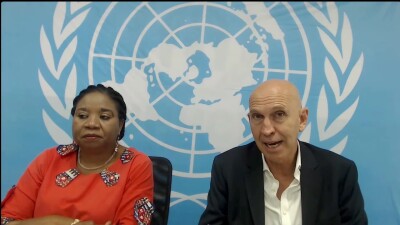
قالت أنجيل ديكونج-أتانغانا، ممثلة وكالة الأمم المتحدة لشؤون اللاجئين (UNHCR) في جمهورية الكونغو الديمقراطية، وهي تتحدث من كينشاسا، إن UNHCR وUNICEF قلقتا كثيرًا من التصاعد الكبير للأزمة التي تجتاح منطقة شرق جمهورية الكونغو الديمقراطية مرة أخرى. أجبرت الاشتباكات العنيفة بين الجماعات المسلحة غير الحكومية والقوات الحكومية أكثر من 450،000 شخص على النزوح قسرًا خلال الستة أسابيع السابقة في مقاطعتي روتشورو وماسيسي في مقاطعة شمال كيفو. تفاقمت خطورة الأزمة بسبب الوصول الإنساني المحدود للمحتاجين بشدة، نتيجة أساسًا لعرقلة الطرق الرئيسية. عالقون حاليًا بدون المساعدة الإنسانية الضرورية حوالي 200,000 شخص نازح داخليًا. كما كان من المتوقع بشكل مأساوي أن يواجه حوالي 100,000 شخص انتكاسات في الوصول في الأيام القادمة إذا استمرت اتجاهات النزاع الحالية.
قالت أنجيل ديكونج-أتانغانا إن قطع الطرق لم يعرقل فقط تقديم المساعدة الإنسانية الحرجة ولكنه زاد من ضعف الأوضاع للسكان النازحين، مما تركهم بدون موارد أساسية وحماية. كانت الشركاء في الأمم المتحدة والجهات الإنسانية يقومون بتكثيف المساعدة الإنسانية والحماية لمواجهة الاحتياجات العاجلة الناجمة عن الاكتظاظ ونقص المأوى في المواقع العشوائية في المقاطعات الشرقية، مع وصول محدود إلى الطعام والمياه النظيفة. استمرت تفشيات الكوليرا، مما يشير إلى القيود المقلقة للمساعدة الإنسانية المتاحة حاليًا.
قال غرانت ليتيتي، ممثل صندوق الأمم المتحدة للطفولة (UNICEF) في جمهورية الكونغو الديمقراطية، وهو يتحدث أيضًا من كينشاسا، إن تصاعد العنف كان يؤثر بشكل مدمر على حياة الأطفال، الذين كانوا يواجهون عددًا مقلقًا من انتهاكات حقوقهم. شهد عدد الانتهاكات الإجمالي المبلغ عنها ضد الأطفال بين يوليو وسبتمبر 2023، والتي سجلتها شركاء حماية الطفل، زيادة حادة بنسبة 130 في المائة إلى 2018 حالة على الرقم العالي بالفعل للانتهاكات المبلغ عنها في النصف الأول من العام. كان الأطفال أكثر عرضة للتجنيد والاستخدام من قبل الجماعات المسلحة، مع أكثر من 450 حالة موثقة من يوليو إلى سبتمبر، وهو ارتفاع بنسبة 50 في المائة مقارنة بالنصف الأول من العام.
منذ يونيو 2023، وصلت UNICEF إلى ما يقرب من 700,000 شخص بمساعدة تنقذ الحياة وتغيرها، بما في ذلك المياه النظيفة والصرف الصحي، وحماية الطفل، والعناصر غير الغذائية، والصحة، والتغذية، والتعليم. مع تدهور الوضع الأمني الأخير في شمال كيفو، قامت UNICEF وشركاؤها بتسريع العمليات لتحديد وتوثيق ودعم تتبع العائلات وإعادة توحيدها في مقاطعتي ماسيسي وروتشورو في أكتوبر من خلال زيادة وجود الموظفين المدربين وإقامة مراكز الاستماع التي تقدم الدعم النفسي الحيوي.
طالبت UNHCR وUNICEF بشدة جميع الجهات في شرق الكونغو الديمقراطية بوقف العنف الذي كان يتحمل عبئًا هائلًا على السكان المدنيين. كانت الوكالتان متحدتين في التزامهما بتخفيف معاناة المتضررين من الأزمة، لكن المجتمع الدولي يجب أن يتصرف بسرعة وبسخاء لضمان تعبئة الموارد الكافية.
كانت الاستجابة الإنسانية في جمهورية الكونغو الديمقراطية تعاني من نقص كبير في التمويل. لعام 2023، كانت خطة الاستجابة الإنسانية المنسقة، التي تشمل احتياجات كل من UNHCR وUNICEF المالية، محددة بمبلغ 2.3 مليار دولار، ولكن حتى اليوم، لم يتم تمويلها إلا بنسبة 37 في المائة.
كانت الحل الوحيد المستدام هو العودة إلى السلام، ختمت السيدة ديكونج-أتانغانا.
ردًا على أسئلة الصحفيين، قالت السيدة ديكونج-أتانغانا إن الجزء الشرقي من جمهورية الكونغو الديمقراطية لم يعرف السلام منذ عقود. يُعتقد أن بين 10 و 12 مليون شخص قد لقوا حتفهم في هذا الصراع الطويل الأمد. كانت الجهات الإنسانية تجري مطاردة الأعراض ومحاولة تخفيف معاناة الناس، لكن المشكلة الأساسية كانت النزاع المستمر. كانت المنطقة في حاجة ماسة إلى السلام، أكدت. أكدت السيدة ديكونج-أتانغانا على أهمية حماية المدنيين، ولكن للأسف، لم يتم التركيز في كثير من الأحيان على هذه النداءات من قبل الجهات الإنسانية. في سؤال آخر، قال السيد ليتيتي إن الوكالات الإنسانية كانت تركز على دعم المجتمعات المحلية، خاصة في الفترة القادمة، التي من المحتمل أن تجلب بعض الاضطرابات مع رحيل قوات الأمم المتحدة للمراقبة وعدة مبادرات إقليمية. كان من المهم تجنب الفراغات الأمنية. نظرًا للتمويل الغير كافي، كان على جميع الوكالات الإنسانية اتخاذ خيارات صعبة حول كيفية استخدام مواردها المحدودة. كان يجب أن يتم الوصول إلى ما لا يقل عن 80 في المائة من الأطفال والعائلات المتضررين، ولكن غالبًا ما لم يتم الوصول إلى حتى 50 في المائة.
أفغانستان: برنامج الأغذية العالمي يقوم بالاستجابة للعائلات المضطرة للعودة من باكستان
قال هسياو-وي لي، مدير برنامج الأغذية العالمي في أفغانستان، وهو يتحدث من كابول، إن أكثر من مليون أفغاني نازح سيضطرون لمغادرة باكستان والعودة إلى أفغانستان؛ وقد فعل حوالي 370,000 شخص ذلك بالفعل. كان معظم الناس يعودون إلى ممتلكات قليلة أو لا شيء؛ بعض النساء كانوا يعودون بمفردهم وبدون أزواجهم. كانت هذه أسوأ فترة ممكنة للعودة إلى أفغانستان، مع بداية فصل الشتاء القاسي في البلاد. كانت لدى المجتمعات المحلية موارد محدودة جدًا للمشاركة، أكدت السيدة لي. قدم برنامج الأغذية العالمي للعائلات المعادة بالطعام والنقود، وحتى الآن، تم مساعدة أكثر من 250,000 شخص، ولكن يجب الوصول إلى ما يصل إلى مليون شخص. مع نقص التمويل، كان ذلك يصبح أكثر تحديًا. كانت الأسر التي تقودها النساء، وكبار السن، والأشخاص ذوي الإعاقة يعتمدون بشكل خاص على مساعدة برنامج الأغذية العالمي للبقاء على قيد الحياة. بدون تمويل إضافي عاجل، لن تكون برنامج الأغذية العالمي قادرة على مواصلة دعم تلك الأسر.
ردًا على أسئلة، ذكرت السيدة لي أن برنامج الأغذية العالمي بحاجة إلى 950 مليون دولار للستة أشهر القادمة؛ وكان النقص الحالي 850 مليون دولار. بالنسبة للعائدين على وجه الخصوص، خلال الشتاء القادم والربيع، كانت الاحتياجات تبلغ أكثر من 20 مليون دولار. كان عدد كبير من العائدين يعودون إلى محافظتي جلال آباد وقندهار، لكن وجهاتهم تمتد عبر البلاد، بما في ذلك الوجهات التي لا يمكن الوصول إليها قبل الربيع. كان العديد من العائدين قد غادروا أفغانستان لأكثر من 30 عامًا؛ لذا لم يعد لدي
Similar Stories
1
1
1
Press Conferences | UN WOMEN , WFP , WHO
UN WOMEN: Sudan Women and girls one year after the fall of El Fasher; increasing drone attacks across the country; WFP: DRC - Ebola spreads to eighth DRC province as WFP delivers food, builds treatment centres and keeps supplies moving; WHO - Update on Ebola (Bundibugyo Virus Disease)
1
12
1
1
Press Conferences , Images | UNOG
Closing Press Conference following the Sixth Consultative Meeting on Enhancing Coordination of Peace Initiatives and Efforts in Sudan

2
17
1
2
Edited News , Press Conferences , Images | OCHA , WMO
Two UN agencies teamed up on Wednesday to issue an appeal for immediate assistance to help communities already being impacted by the strongest El Niño on record.
1
1
1
Press Conferences | CITES
Wildlife trade and conservation policy discussions at the 81st meeting of the CITES Standing Committee (SC81)
1
1
1
Press Conferences | UNHCR , UNCTAD , WMO , OCHA , UNICEF , WHO
UNHCR Hungary’s 1956 Refugee Crisis: 70 Years On, UNCTAD World Investment Forum 2026, Doha, WMO Greenhouse Gas Bulletin and Climate Update for COP31, OCHA Afghanistan: Malnutrition, Girls’ Education and Recovery, UNICEF Yemen: Child Malnutrition and Unsafe Water in Taiz, WHO Inequalities in Noncommunicable Diseases and Risk Factors
1
1
1
Press Conferences | UNHCR
End of UNHCR's 77th Annual Executive Committee (ExCom) meeting week
1
1
1
Press Conferences | UNICEF , IOM , UNHCR
UN Special Assistant to the Personal Envoy Office (SUDAN): Peace Initiatives and Efforts in Sudan; UNICEF: Dire situation of children in Gaza; IOM: Damaged Homes and Energy Attacks Risk Displacing Ukrainians for this winter; UNHCR: update on EXCOM week

1
1
1
Press Conferences | IOM , UNDRR
UN stresses importance of household preparedness for disaster risk reduction.
1
1
1
Statements , Press Conferences | OHCHR
1
1
1
Press Conferences | UNHCR , UNICEF , IFRC , OHCHR , UN WOMEN , IOM , OCHA , WHO
UNHCR – ExCom Meeting, UNICEF – Nepal Recovery, IFRC – Flash Floods, WHO – Mental Health, IOM – South Sudan Floods, OCHA – DRC Humanitarian aid, UNHCR – Sahel Displacement, UNICEF – Yemen Update, IOM – Gaza Shelter, UN Women – Gaza Women, OHCHR – Arrests and detentions of Syrians by Israeli force
2
1
2
Press Conferences | UNCTAD
Presentation of the Trade and Developement Report 2026
Embargoed until 9 October 2026 at 11 a.m. (Geneva Time)
UNCTAD: UNCTAD’s flagship report finds that governments increasingly use industrial, trade, financial and technology policies to pursue economic and national security objectives. Market access and the ability to move into higher-value activities now depend more heavily on technology, finance and geopolitics.
1
1
1
Press Conferences | UPU
Release of the State of the Postal Sector Report 2026