

The United Nations Office at Geneva
Multimedia Newsroom
Edited News , Press Conferences | UNHCR , OCHA
OCHA et le HCR - Conférence de presse : Lancement des plans de réponse en Ukraine - 15 janvier 2024
INTRIGUE
Les Nations Unies et leurs partenaires humanitaires ont lancé lundi un appel combiné de 4,2 milliards de dollars US aux donateurs pour apporter de l'aide à environ 10,8 millions de personnes dans les communautés touchées par la guerre en Ukraine, mais aussi aux réfugiés ukrainiens et à leurs communautés d'accueil dans la région jusqu'en 2024.
Une récente vague d'attaques souligne le coût civil dévastateur de la guerre, tandis qu'un hiver rigoureux accroît le besoin urgent d'une aide humanitaire vitale.
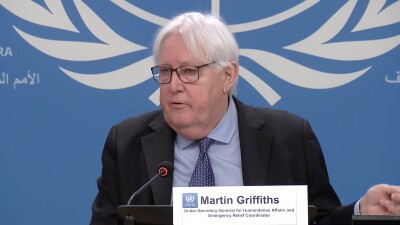
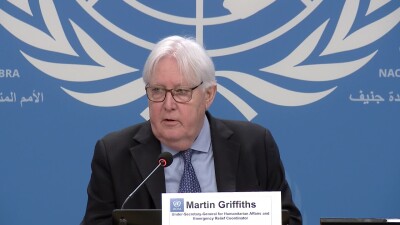
“14,6 millions de personnes, soit 40 % de la population en Ukraine, auront besoin d'aide humanitaire”, a déclaré Martin Griffiths, le coordinateur principal de l'aide des Nations Unies lors d'un briefing avec des journalistes à l'ONU à Genève. “4 millions de personnes sont déplacées à l'intérieur du pays. Cela s'ajoute à ceux qui sont déplacés à l'extérieur.”
Le coordinateur des affaires humanitaires et de l'aide d'urgence des Nations Unies a ajouté que “le mois dernier a été aussi mauvais que possible […] et cela a été vraiment choquant. Le nombre d'attaques, la large gamme à travers tout le pays en provenance de la Russie ont été absolument incessants.”
Le Bureau de la coordination des affaires humanitaires (OCHA) des Nations Unies coordonne la réponse à l'intérieur de l'Ukraine. Ce plan des besoins humanitaires et de réponse demande 3,1 milliards de dollars pour 2024 et vise 8,5 millions de personnes.
Selon M. Griffiths, “3,3 millions de personnes vivent au milieu des zones de guerre, des bombardements quotidiens, dans l'incertitude quant à la fin de la journée. Et c'est vraiment un nombre choquant, même de nos jours.”
La situation humanitaire actuelle est susceptible de se détériorer davantage cette année si les hostilités persistent et que les attaques visant l'énergie et d'autres infrastructures critiques augmentent pendant l'hiver en cours, a déclaré l'OCHA.
“Dans les régions de Donetsk et de Kharkiv, les familles vivent dans des maisons endommagées sans eau courante, gaz ou électricité par un froid glacial”, a déclaré M. Griffiths. “Les bombardements constants ont contraint les personnes âgées à passer leurs journées dans des sous-sols. Les enfants, terrifiés, traumatisés, ont vécu ces trois dernières années dans ces conditions, enfermés à l'intérieur et beaucoup d'entre eux sans éducation.”
Le HCR, l'Agence des Nations Unies pour les réfugiés, coordonne le Plan régional de réponse aux réfugiés (RRP), qui demande 1,1 milliard de dollars et vise 2,3 millions de réfugiés et de communautés d'accueil cette année.
L'invasion à grande échelle de l'Ukraine en février 2022 a déclenché la plus grande crise de réfugiés en Europe depuis la Seconde Guerre mondiale.
Filippo Grandi, Haut-Commissaire des Nations Unies pour les réfugiés, a déclaré que “le déplacement total, […] concerne environ 10 millions de personnes. Si l'on ajoute les presque 4 millions estimés être déplacés à l'intérieur de l'Ukraine et les plus de 6 millions, ceux-ci sont estimés être des réfugiés dans le monde entier.”
Il a ajouté que “parmi les personnes à l'extérieur, en particulier celles en Europe, il y en a un peu plus de 5 millions. Donc, la majorité, certaines personnes vont et viennent, mais le retour n'a pas été en très grand nombre. L'OIM (Organisation internationale pour les migrations) estime que près de 900 000 personnes sont revenues. Il s'agit d'une estimation car il est très, très difficile de compter en raison du mouvement pendulaire.”
Les réfugiés ukrainiens dans les pays voisins ont également besoin d'un soutien accru et soutenu, a déclaré le HCR. Malgré les efforts d'inclusion, seulement la moitié des enfants réfugiés en âge scolaire sont inscrits dans des écoles dans les pays d'accueil, tandis qu'un quart des réfugiés dans le besoin ont du mal à accéder aux soins de santé.
Selon M. Grandi, “le nombre de réfugiés en âge de travailler employés ukrainiens, selon le pays, varie de 40 à 60 %. Il y a donc un effort supplémentaire à faire en termes d'inclusion.”
Malgré d'énormes défis d'accès, en particulier aux zones occupées par la Fédération de Russie, les travailleurs humanitaires ont atteint près de 11 millions de personnes en Ukraine en 2023, avec le soutien de la communauté internationale des donateurs. Les organisations humanitaires ont déployé tous leurs efforts pour augmenter l'assistance dans les communautés en première ligne.
-fin-
HISTOIRE : Plan humanitaire et de réfugiés en Ukraine 2024
DURÉE : 2 min 55s
SOURCE : UNTV CH
RESTRICTIONS : AUCUNE
LANGUE : ANGLAIS / SONORES
FORMAT D'IMAGE : 16:9
LIEU : 15 janvier 2024 GENÈVE, SUISSE
- Plan moyen extérieur : allée du drapeau des Nations Unies, Genève avec de la neige
- Plan large : orateurs lors de la conférence de presse
- SONORE (Anglais) - Martin Griffiths, Coordonnateur des affaires humanitaires et de l'aide d'urgence de l'ONU : « 14,6 millions de personnes, soit 40 % de la population en Ukraine, auront besoin d'aide humanitaire. 4 millions de personnes sont déplacées à l'intérieur du pays. Cela s'ajoute à ceux qui sont déplacés à l'extérieur.»
- Plan moyen, orateurs au pupitre avec des journalistes dans la salle de presse
- SONORE (Anglais) - Martin Griffiths, Coordonnateur des affaires humanitaires et de l'aide d'urgence de l'ONU : « Ce dernier mois a été aussi mauvais que possible, n'est-ce pas ? Et c'est vraiment choquant. Le nombre d'attaques, la vaste étendue à travers tout le pays depuis la Russie a été absolument implacable.»
- Plan moyen : Journalistes dans la salle de presse
- SONORE (Anglais) - Martin Griffiths, Coordonnateur des affaires humanitaires et de l'aide d'urgence de l'ONU : « 3,3 millions de personnes vivent au milieu des zones de guerre, des bombardements quotidiens, dans l'incertitude sur la fin de la journée. Et c'est vraiment un nombre choquant, même de nos jours.»
- Plan large : Journalistes dans la salle de presse
- SONORE (Anglais) - Martin Griffiths, Coordonnateur des affaires humanitaires et de l'aide d'urgence de l'ONU : « Dans les régions de Donetsk et de Kharkiv, des familles vivent dans des maisons endommagées sans eau courante, gaz ou électricité par un froid glacial. Les bombardements constants ont contraint les personnes âgées à passer leurs journées dans des sous-sols, les enfants terrifiés, traumatisés, ont vécu ces trois dernières années dans ces circonstances, enfermés à l'intérieur et beaucoup d'entre eux sans éducation.»
- Plan moyen, orateurs au pupitre avec des journalistes dans la salle de presse
- SONORE (Anglais) - Filippo Grandi, Haut-Commissaire des Nations Unies pour les réfugiés : « Le déplacement total aujourd'hui, je vais me concentrer là-dessus, concerne environ 10 millions de personnes. Si l'on ajoute les presque 4 millions estimés être déplacés à l'intérieur de l'Ukraine et les plus de 6 millions, estimés être des réfugiés dans le monde entier.»
- Plan rapproché, journaliste écoutant
- SONORE (Anglais) - Filippo Grandi, Haut-Commissaire des Nations Unies pour les réfugiés : « Parmi les personnes à l'extérieur, en particulier celles en Europe qui sont un peu plus de 5 millions, la majorité, certaines personnes vont et viennent. Mais le retour ne s'est pas fait en très grand nombre. L'OIM (Organisation internationale pour les migrations) estime que près de 900 000 personnes sont revenues. C'est une estimation car il est très, très difficile de compter en raison du mouvement pendulaire.»
- Plan large : Journalistes dans la salle de presse
- SONORE (Anglais) - Filippo Grandi, Haut-Commissaire des Nations Unies pour les réfugiés : « Le nombre de réfugiés en âge de travailler qui sont employés - Ukrainiens - selon le pays, varie de 40 à 60 %. Il y a donc un effort supplémentaire à faire en termes d'inclusion.»
- Plan rapproché : Journaliste prenant des photos
- Plan rapproché : Journaliste écoutant
- Plan large : Caméraman filmant et techniciens en régie
- Plan rapproché : Orateur du BCHA écoutant
- Plan moyen : Journalistes dans la salle de presse
Similar Stories

1
1
1
Edited News | UNICEF , IFRC
Six weeks after Nepal’s deadly flooding disaster, communities are still struggling to rebuild their lives, but they will need sustained help as global warming increases the risk of another Himalayan catastrophe, the UN Children’s Fund (UNICEF) said on Friday.
1
1
1
Statements , Press Conferences | OHCHR
1
1
1
Press Conferences | UNHCR , UNICEF , IFRC , OHCHR , UN WOMEN , IOM , OCHA , WHO
UNHCR – ExCom Meeting, UNICEF – Nepal Recovery, IFRC – Flash Floods, WHO – Mental Health, IOM – South Sudan Floods, OCHA – DRC Humanitarian aid, UNHCR – Sahel Displacement, UNICEF – Yemen Update, IOM – Gaza Shelter, UN Women – Gaza Women, OHCHR – Arrests and detentions of Syrians by Israeli force
2
1
2
Press Conferences | UNCTAD
Presentation of the Trade and Developement Report 2026
Embargoed until 9 October 2026 at 11 a.m. (Geneva Time)
UNCTAD: UNCTAD’s flagship report finds that governments increasingly use industrial, trade, financial and technology policies to pursue economic and national security objectives. Market access and the ability to move into higher-value activities now depend more heavily on technology, finance and geopolitics.
1
1
1
Press Conferences | UPU
Release of the State of the Postal Sector Report 2026

1
1
1
Edited News | WHO
In suspected Russia plague death, testing and monitoring underway – WHO
The death of a lab worker in Russia’s Siberia region has sparked concerns about plague being the cause, the UN World Health Organization (WHO) said on Tuesday, adding that it was following the situation closely.
1
1
1
Press Conferences | IOM , ITU , UNECE , UNICEF , WHO , WMO
UNICEF: Ebola, DRC - children orphans or separating them from parents and caregivers; IOM: Humanitarian needs in Djibouti amid arrivals from Yemen and increased migrant movements; WHO: Darfur, scale of health needs far exceeds available resources; WMO co-sponsored Global Heat Forum, Bangkok, monthly Global Seasonal Climate Update; UNECE: UN Forum of Mayors; ITU Plenipotentiary Conference 2026; WHO: child and adolescent obesity guidelines and new global roadmap to tackle pregnancy hypertension, a leading cause of maternal mortality

1
1
Edited News | OHCHR , UNOG
UN Human Rights Chief Volker Türk on Friday provided and oral update to the 63rd session of the Human rights Council on Ukraine.

1
1
1
Edited News | OHCHR , UNOG
UN Human Rights Chief Volker Türk on Friday provided and oral update to the 63rd session of the Human rights Council on the human rights situation in Haiti.

1
1
1
Edited News | WHO
Repeated delays in bringing lifesaving medicines, prosthetics and more from Israel into Gaza risk having devastating consequences on Palestinians who urgently need them in the wartorn enclave, the UN World Health Organization (WHO) said on Friday. “A truck full of non-priority supplies or the right supplies arriving too late, doesn't save lives. That's the question that actually matters," said Dr Reinhilde Van De Weerdt, WHO Representative in the OPT.
1
1
1
Press Conferences | OCHA , UN WOMEN , UNHCR , WFP , WHO , WTO , UNEP
OCHA – $160M CERF allocation to 12 underfunded crises; UNHCR – 5.8M refugee children remain out of school amid funding cuts; UN Women – Middle East escalation and food security among women/girls; WHO – Gaza supplies and overall situation; WFP – Yemen food insecurity and impact on global hunger ; UNEP - First International Conference of the Global Framework on Chemicals in Geneva | 16-20 November 2026

1
1
1
Edited News | WHO
DRC: Early access to care and oxygen decisive for Ebola patients’ survival – WHO
In the Democratic Republic of the Congo (DRC), health workers fighting the country’s largest-ever Ebola outbreak are struggling to overcome critical challenges to patient care, the UN World Health Organization (WHO) warned on Tuesday.