

The United Nations Office at Geneva
Multimedia Newsroom
Edited News | OHCHR
Le porte-parole du Haut-Commissariat des Nations Unies aux droits de l'homme, Seif Magango, parle des manifestations prévues à l'approche de la fête de l'indépendance de la Tanzanie, le 9 décembre
“Avant les manifestations prévues pour la Journée de l'Indépendance de la Tanzanie le 9 décembre, nous rappelons aux autorités leur obligation de garantir les droits des citoyens aux libertés d'expression,, d'association et de réunion pacifique,” a-t-il déclaré.
“Nous exhortons le Gouvernement à instruire les forces de sécurité de planifier et d'exécuter leurs opérations de manière à permettre aux Tanzaniens d'exercer pleinement ces droits fondamentaux,” a-t-il ajouté.
Des centaines de personnes auraient été tuées et plus de 2 000 détenues par les forces de sécurité après que des manifestations ont éclaté à la suite des élections générales du 29 octobre.
Le Gouvernement a intensifié la répression contre les opposants depuis le vote. Le 3 décembre, la police a émis une interdiction générale à l'échelle nationale de toutes les manifestations de la Journée de l'Indépendance. Nous appelons à la levée d'une telle mesure disproportionnée et excessive.
“Nous rappelons aux forces de sécurité qu'elles doivent s'abstenir d'utiliser la force pour disperser des rassemblements non violents et faire tout leur possible pour désamorcer les tensions. Nous rappelons encore les exigences du droit international dans ce domaine -- si inévitable, tout usage de la force, y compris les armes moins létales, doit être limité au minimum nécessaire. Les armes à feu ne doivent pas être utilisées pour disperser un rassemblement et ne peuvent être utilisées qu'en dernier recours pour contrer une menace imminente de mort ou de blessure grave. Les commandants des forces de sécurité ont la responsabilité de prendre des mesures avant toute manifestation pour garantir le respect de ces principes,” a déclaré Magango.
Les rapports indiquent que depuis la mi-novembre, des dizaines de personnes, y compris des universitaires, des acteurs de la société civile et des dirigeants politiques locaux, ont été détenues, avec plusieurs arrestations prétendument effectuées par du personnel armé non identifié.
Les déploiements de sécurité ont été augmentés dans les centres urbains, des avertissements ont été émis aux entreprises, des restrictions ont été imposées sur les ventes de carburant, et la surveillance des communications numériques a été étendue. De telles mesures risquent d'enflammer la tension publique et de saper considérablement les droits à la liberté d'expression, de réunion pacifique et de participation aux affaires publiques.
“Cinq semaines après l'élection, les autorités n'ont toujours pas divulgué d'informations sur le nombre de personnes tuées et les circonstances de leur décès, ainsi que sur les rapports de disparitions forcées. L'absence continue d'informations transparentes risque de saper davantage la confiance du public et d'accroître les tensions à un moment critique,” a déclaré Magango.
“Nous appelons à la libération immédiate et inconditionnelle de toutes les personnes détenues arbitrairement.”
Le bureau des droits de l'homme de l'ONU est conscient de la création par le Gouvernement d'une enquête sur la violence post-électorale. Le Haut-Commissaire des Nations Unies aux droits de l'homme, Volker Türk, rappelle aux autorités qu'une telle enquête doit pleinement respecter les normes internationales d'indépendance, d'impartialité, de rigueur, de rapidité et de transparence, et fournir une protection robuste contre les représailles, l'intimidation ou la détention arbitraire pour tous ceux qui participent à ses travaux.
Pour plus d'informations et demandes des médias, veuillez contacter :
À Genève
Ravina Shamdasani: +41 22 917 9169 / ravina.shamdasani@un.org
Jeremy Laurence: +41 22 917 9383 / jeremy.laurence@un.org
À Nairobi
Seif Magango : +254 78834 3897 / seif.magango@un.org
Facebook unitednationshumanrights
Instagram @unitednationshumanrights
HISTOIRE : Porte-parole du Haut-Commissariat des Nations Unies aux droits de l'homme Seif Magango sur les manifestations prévues avant la Journée de l'Indépendance de la Tanzanie le 9 décembre
TRT : 02:13
SOURCE : OHCHR / UNOG
RESTRICTIONS : AUCUNE
LANGUE : Anglais/NATS
FORMAT D'IMAGE : 16:9
DATE : 05 décembre 2025 – Genève-Suisse
LISTE DES PLANS
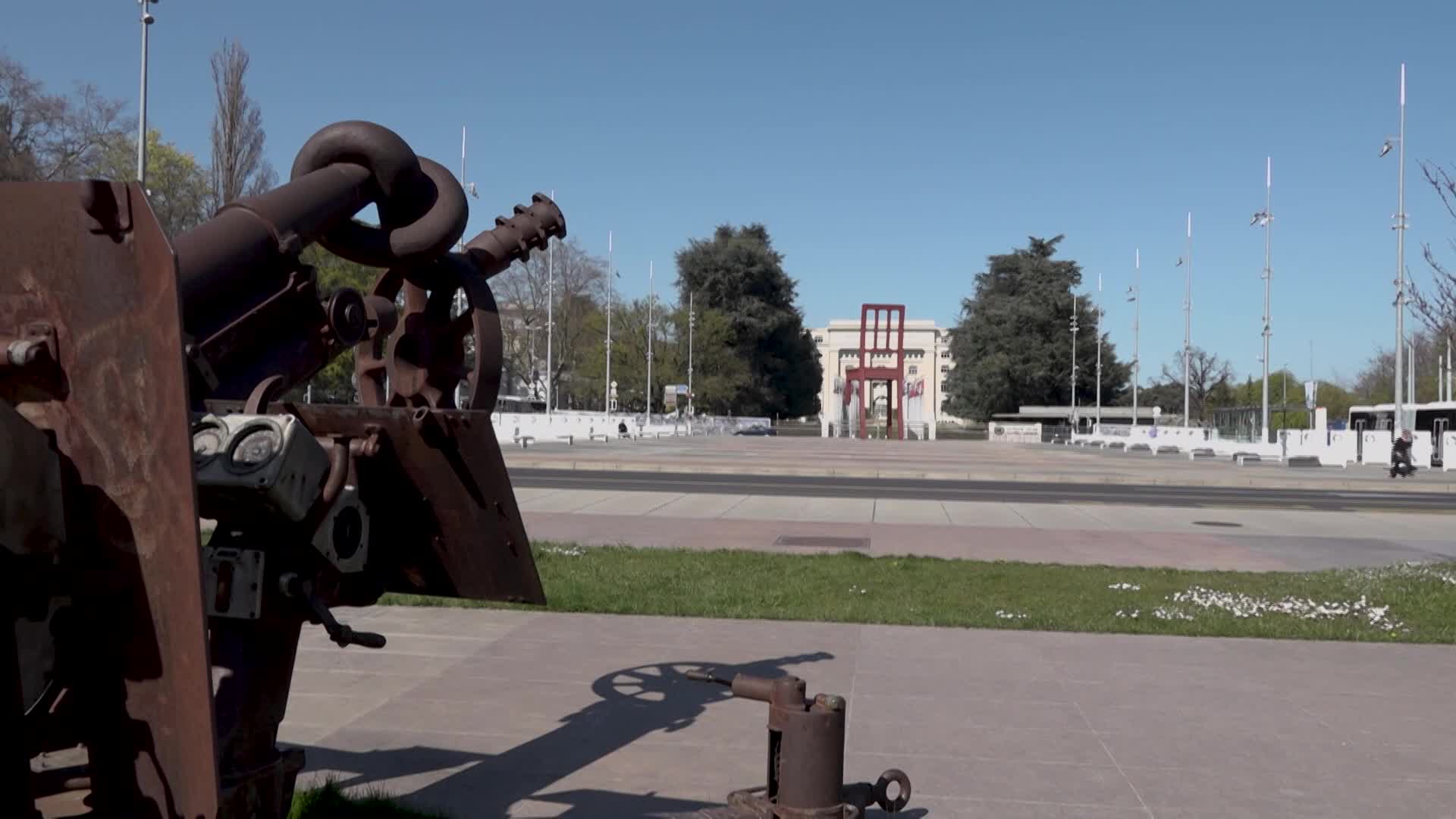
- Différents plans extérieurs : Palais des Nations
- EXTRAIT SONORE (Anglais)—Seif Magango, porte-parole du Haut-Commissariat des Nations Unies aux droits de l'homme (OHCHR) : «Avant les manifestations prévues pour la Journée de l'Indépendance de la Tanzanie le 9 décembre, nous rappelons aux autorités leur obligation de garantir les droits à la liberté d'expression, d'association et de réunion pacifique.»
- Plan de coupe : salle de briefing
- EXTRAIT SONORE (Anglais)—Seif Magango, porte-parole du Haut-Commissariat des Nations Unies aux droits de l'homme (OHCHR) : «Nous exhortons le gouvernement à instruire les forces de sécurité pour qu'elles planifient et mettent en œuvre leurs opérations de manière à permettre aux Tanzaniens d'exercer pleinement ces droits fondamentaux.»
- Plan de coupe : salle de briefing
- EXTRAIT SONORE (Anglais)—Seif Magango, porte-parole du Haut-Commissariat des Nations Unies aux droits de l'homme (OHCHR) : « Nous rappelons aux forces de sécurité qu'elles doivent s'abstenir d'utiliser la force pour disperser des rassemblements non-violents et faire tout leur possible pour désamorcer les tensions. Nous rappelons encore une fois les exigences du droit international dans ce domaine -- si cela est inévitable, tout usage de la force, y compris les armes moins létales, doit être limité au strict minimum nécessaire. Les armes à feu ne doivent pas être utilisées pour disperser un rassemblement et ne peuvent être utilisées qu'en dernier recours pour contrer une menace imminente de mort ou de blessure grave. Les commandants des forces de sécurité ont la responsabilité de prendre des mesures avant toute manifestation pour garantir le respect de ces principes.»
- Plan de coupe : salle de briefing
- EXTRAIT SONORE (Anglais)—Seif Magango, porte-parole du Haut-Commissariat des Nations Unies aux droits de l'homme (OHCHR) : «Cinq semaines après les élections, les autorités n'ont toujours pas divulgué d'informations sur le nombre de personnes tuées et les circonstances de leur décès, ainsi que sur les rapports de disparitions forcées. L'absence continue d'informations transparentes risque d'éroder davantage la confiance du public et d'exacerber les tensions à un moment critique.»
- Plan de coupe : salle de briefing
- EXTRAIT SONORE (Anglais)—Seif Magango, porte-parole du Haut-Commissariat des Nations Unies aux droits de l'homme (OHCHR) : « « Nous demandons la libération immédiate et inconditionnelle de toutes les personnes détenues arbitrairement.»
Similar Stories
1
1
1
Edited News , B-roll , Conferences | UNITED NATIONS , UNOG
Arrivals, roundtable and family photo-op at the 6th Consultative Meeting on Enhancing Coordination of Peace Initiatives and Efforts in Sudan
2
16
2
2
B-roll , Conferences , Edited News | UNITED NATIONS , UNOG
Sixth Consultative Meeting on Enhancing Coordination of Peace Initiatives and Efforts for Sudan

1
1
1
Edited News | UNICEF , WHO , UNHCR
Yemen war continues to force families from homes amid hunger and disease
More than 250,000 people have now fled renewed fighting in Yemen, the UN said on Tuesday, citing particular concern for those sheltering in the southwestern city of Taiz and the wider governorate, where access is “essentially blocked”.

1
1
1
Edited News | UNICEF
A little over one year since a ceasefire agreement was announced between Hamas fighters and Israel, more than 340 children have been reported killed and hundreds more injured, the UN Children’s Fund, UNICEF, said on Friday.

1
1
1
Edited News | UNICEF , IFRC
Six weeks after Nepal’s deadly flooding disaster, communities are still struggling to rebuild their lives, but they will need sustained help as global warming increases the risk of another Himalayan catastrophe, the UN Children’s Fund (UNICEF) said on Friday.

1
1
1
Edited News | WHO
In suspected Russia plague death, testing and monitoring underway – WHO
The death of a lab worker in Russia’s Siberia region has sparked concerns about plague being the cause, the UN World Health Organization (WHO) said on Tuesday, adding that it was following the situation closely.

1
1
Edited News | OHCHR , UNOG
UN Human Rights Chief Volker Türk on Friday provided and oral update to the 63rd session of the Human rights Council on Ukraine.

1
1
1
Edited News | OHCHR , UNOG
UN Human Rights Chief Volker Türk on Friday provided and oral update to the 63rd session of the Human rights Council on the human rights situation in Haiti.

1
1
1
Edited News | WHO
Repeated delays in bringing lifesaving medicines, prosthetics and more from Israel into Gaza risk having devastating consequences on Palestinians who urgently need them in the wartorn enclave, the UN World Health Organization (WHO) said on Friday. “A truck full of non-priority supplies or the right supplies arriving too late, doesn't save lives. That's the question that actually matters," said Dr Reinhilde Van De Weerdt, WHO Representative in the OPT.

1
1
1
Edited News | WHO
DRC: Early access to care and oxygen decisive for Ebola patients’ survival – WHO
In the Democratic Republic of the Congo (DRC), health workers fighting the country’s largest-ever Ebola outbreak are struggling to overcome critical challenges to patient care, the UN World Health Organization (WHO) warned on Tuesday.

1
1
1
Edited News | OCHA , UN
Civilians in Iran are continuing to feel the consequences of months of conflict and military escalation, the UN’s top official in the country has said, as loss of life, damage to civilian infrastructure and mounting economic pressures leave many facing continued uncertainty.
1
1
1
Edited News | WHO , UNICEF
Aid agencies in Yemen highlighted the growing hunger emergency sparked by renewed fighting between Houthi opposition forces and Government troops, after mobile health clinics reported that hundreds of children displaced by the violence are suffering from the most deadly form of malnutrition.