

The United Nations Office at Geneva
Multimedia Newsroom
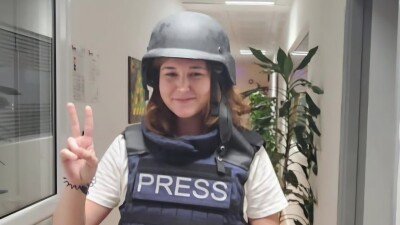
« Je ne crois en rien en ce moment. Nos gilets de presse nous transforment en cibles et cela devient une condamnation à mort pour nous,» nous a dit Christina Assi.
Le 13 octobre 2023, Mme Assi - qui travaillait comme photojournaliste pour l'Agence France Presse (AFP) - a perdu sa jambe droite après que deux frappes aériennes israéliennes ont ciblé la colline exposée où elle et d'autres collègues observaient le conflit en cours entre les forces israéliennes et les militants du Hezbollah.
La commémoration de cette année de la Journée mondiale de la liberté de la presse le 3 mai a été l'occasion de réfléchir au fait que plus de journalistes ont été tués en 2024 que n'importe quelle autre année depuis que le Comité pour la protection des journalistes (CPJ) a commencé à collecter des données il y a plus de trois décennies.
Au moins 124 journalistes et travailleurs des médias ont été tués l'année dernière, près des deux tiers d'entre eux étant des Palestiniens tués par Israël, selon les données du CPJ.
Mme Assi fait partie des rares survivants, et elle n'aurait jamais imaginé qu'elle serait ciblée simplement pour avoir fait son travail.
Le jour de l'attaque
Elle a raconté les événements déchirants de ce jour-là – l'une de ses premières grandes missions, qui est rapidement devenue l'expérience la plus traumatisante de sa vie.
« Il commençait à faire sombre et c'est à ce moment-là que nous étions sur le point de partir et puis soudainement, de nulle part, nous avons été ciblés,» a-t-elle dit.
« La première fois que j'étais au sol, je ne pouvais pas vraiment comprendre ce qui se passait, et je criais à l'aide. Alors, mon collègue Dylan s'est précipité pour m'aider et m'a mis un garrot. Mais ensuite, environ 40 à 47 secondes plus tard, nous avons été ciblés à nouveau.»
Après la deuxième frappe, Mme Assi s'est retrouvée seule à côté d'une voiture en feu. Saignant et gravement blessée, elle n'a eu d'autre choix que de ramper pour sauver sa vie.
« Mon gilet de presse était trop lourd, et la ceinture de l'appareil photo m'étouffait,» se souvient-elle. À ce moment-là, elle a commencé à perdre foi dans les lois et conventions internationales. « En tant que journalistes, nous sommes laissés seuls,» a-t-elle insisté.
Le silence de la communauté internationale
Pour Mme Assi, la réponse de la communauté internationale à l'attaque - y compris les condamnations et les appels de l'ONU à une enquête - a été totalement inefficace.
« Je crois que nous avons besoin de plus que des mots. Nous avons besoin d'actions concrètes et de quelque chose qui devrait mener à la justice d'une manière ou d'une autre. Si ce n'est pas maintenant, alors plus tard,» a-t-elle dit.
Elle condamne fermement l'impunité avec laquelle les attaques contre les journalistes continuent. « Nos cas sont rejetés comme des dommages collatéraux alors qu'en réalité, ils ne le sont pas. Ce sont des crimes de guerre, et il devrait y avoir une véritable enquête.»
Les journalistes oubliés de Gaza
Mme Assi a également souligné que la même impunité s'applique aux journalistes palestiniens à Gaza, qui documentent la guerre là-bas depuis le premier jour.
« Ils ont été réduits au silence, ciblés de toutes les manières possibles. C'est partout sur les réseaux sociaux et dans les actualités—et pourtant rien n'a été fait. Aucune mesure n'a été prise pour protéger ces journalistes,» a-t-elle dit.
Elle a souligné que l'absence de présence internationale n'a pas arrêté la violence. « Il est clair à quel point tout est horrible. Mais le monde n'a pas réagi comme il aurait dû. Personne n'a même essayé de l'arrêter.»
Porter la flamme
Près d'un an après avoir perdu sa jambe, Mme Assi a porté la flamme olympique dans la ville française de Vincennes, avant les Jeux de Paris en juillet 2024.
C'était plus qu'un geste symbolique, mais une puissante opportunité de rendre hommage à son collègue, le journaliste de Reuters Issam Abdallah, qui a été tué dans la même attaque.
« C'était une grande opportunité pour nous d'honorer tous les journalistes tombés et de faire savoir au monde et à la communauté internationale et aux Européens et à tous ceux qui ne savaient pas ce qui nous était arrivé, leur faire savoir ce qui s'est passé,» a-t-elle dit.
HISTOIRE : LES GILETS DE PRESSE DEVENANT UNE CIBLE - Journaliste AFP Christina Assi
TRT : 03:43”
SOURCE : UNTV CH
RESTRICTIONS : CRÉDITS À L'ÉCRAN VEUILLEZ VOIR CI-DESSOUS
LANGUE : ANGLAIS/ NATS
FORMAT D'IMAGE : 16:9
DATE : 16 MAI 2025 GENÈVE, SUISSE
- Plan large depuis un hélicoptère de la Force intérimaire des Nations Unies au Liban (FINUL) en patrouille à la frontière du Liban et d'Israël.
- EXTRAIT SONORE (Anglais) – Christina Assi, photojournaliste AFP : « Nous avons couvert le sud pendant presque toute une journée. Nous étions là depuis le matin à couvrir la patrouille de l'ONU et tout, et c'était relativement calme. Ce n'est que vers 16h à 16h30, quelque chose comme ça, que nous avons entendu qu'il y avait des affrontements et des bombardements dans un village voisin. Alors, nous tous - un groupe de sept journalistes - nous nous sommes dirigés vers Alma al-Shaab sur une colline qui était exposée et connue des journalistes. »
- Plan moyen d'Alma al-Shaab où les journalistes filmaient les affrontements à la frontière entre Israël et le Liban. Veuillez créditer Christina Assi.
- EXTRAIT SONORE (Anglais) – Christina Assi, photojournaliste AFP : « Puis soudainement, de nulle part, nous avons été ciblés. La première fois que j'étais au sol, je ne comprenais pas vraiment ce qui se passait, et je criais à l'aide. Alors, mon collègue Dylan s'est précipité pour m'aider et m'a mis un garrot. Mais ensuite, environ 40 à 47 secondes plus tard, nous avons été ciblés à nouveau. »
- Photo de Christina Assi couvrant les affrontements à la frontière entre Israël et le Liban. Veuillez créditer Christina Assi.
- EXTRAIT SONORE (Anglais) – Christina Assi, photojournaliste AFP : « Tout le monde a été blessé après la deuxième attaque, et j'ai été laissée seule, à côté d'une voiture d'Al Jazeera qui brûlait. Alors, j'ai dû faire quelque chose pour me sauver. Et la seule façon était pour moi de ramper loin du feu avec mes blessures graves et je saignais aussi. Alors, j'ai fait de mon mieux pour ramper loin du feu. La sangle de la caméra m'étouffait. Le gilet de presse était trop lourd. »
- Plan moyen de la Force intérimaire des Nations Unies au Liban (FINUL) en patrouille à la frontière du Liban et d'Israël.
- EXTRAIT SONORE (Anglais) – Christina Assi, photojournaliste AFP : « Avant cette attaque ciblée, je croyais au droit international, je croyais aussi aux Conventions de Genève et à toutes ces lois pour protéger les journalistes. Cependant, après que nous ayons été ciblés et après avoir été témoin de ce qui se passe depuis un an et demi et comment les journalistes sont réduits au silence et ciblés sans que le monde ne prenne de mesures pour les protéger. Oui, tout cela a changé, et je ne crois plus en rien maintenant. Je sens que nous, en tant que journalistes, sommes laissés seuls. Et oui, nos gilets de presse nous transforment en cibles et cela devient une condamnation à mort pour nous. »
- Vidéo de Christina Assi avec le journaliste de Reuters Issam Abdallah qui est mort le 13 octobre, le même jour où Christina Assi a été blessée. Veuillez créditer Christina Assi.
- Photo de Christina Assi avec le journaliste de Reuters Issam Abdallah qui est mort le 13 octobre, le même jour où Christina Assi a été blessée. Veuillez créditer Christina Assi.
- EXTRAIT SONORE (Anglais) – Christina Assi, photojournaliste AFP : « Jusqu'à aujourd'hui, personne n'a été tenu responsable de ce qui nous est arrivé, et nous ne savons même pas qui était le soldat qui a décidé de tirer un coup de char sur nous deux fois puis d'ouvrir une mitrailleuse également sur nous. »
- Vidéo de Christina Assi à l'hôpital recevant un traitement après sa blessure majeure et l'amputation de sa jambe. Veuillez créditer Dylan Collins.
- EXTRAIT SONORE (Anglais) – Christina Assi, photojournaliste AFP : « Donc tout est encore flou, tout ce que nous avons reçu jusqu'à présent ce sont juste des mots, mais je crois que nous avons besoin de plus que des mots. Nous avons besoin d'une action concrète et de quelque chose qui devrait mener à la justice d'une manière ou d'une autre. Si ce n'est pas maintenant, alors plus tard. »
- Photo de Christina Assi dans son gilet de presse. Veuillez créditer Christina Assi.
- EXTRAIT SONORE (Anglais) – Christina Assi, photojournaliste AFP : « J'espère juste qu'un jour, tout cela sera pris en considération parce que ce sont des crimes de guerre et il devrait y avoir une enquête sur ces crimes de guerre. »
Similar Stories
1
1
1
Edited News | OCHA , UNICEF , WFP
Aid agencies warned on Friday of the fast-developing humanitarian emergency inside Taiz City in Yemen, which has been encircled by de facto Houthi forces fighting government troops along the country’s west coast.

2
17
1
2
Edited News , Press Conferences , Images | OCHA , WMO
Two UN agencies teamed up on Wednesday to issue an appeal for immediate assistance to help communities already being impacted by the strongest El Niño on record.

3
16
2
2
Edited News , B-roll , Conferences , Images | UNITED NATIONS , UNOG
Sixth Consultative Meeting on Enhancing Coordination of Peace Initiatives and Efforts for Sudan

1
1
1
Edited News | UNICEF , WHO , UNHCR
Yemen war continues to force families from homes amid hunger and disease
More than 250,000 people have now fled renewed fighting in Yemen, the UN said on Tuesday, citing particular concern for those sheltering in the southwestern city of Taiz and the wider governorate, where access is “essentially blocked”.

1
1
1
Edited News | UNICEF
A little over one year since a ceasefire agreement was announced between Hamas fighters and Israel, more than 340 children have been reported killed and hundreds more injured, the UN Children’s Fund, UNICEF, said on Friday.

1
1
1
Edited News | UNICEF , IFRC
Six weeks after Nepal’s deadly flooding disaster, communities are still struggling to rebuild their lives, but they will need sustained help as global warming increases the risk of another Himalayan catastrophe, the UN Children’s Fund (UNICEF) said on Friday.

1
1
1
Edited News | WHO
In suspected Russia plague death, testing and monitoring underway – WHO
The death of a lab worker in Russia’s Siberia region has sparked concerns about plague being the cause, the UN World Health Organization (WHO) said on Tuesday, adding that it was following the situation closely.

1
1
Edited News | OHCHR , UNOG
UN Human Rights Chief Volker Türk on Friday provided and oral update to the 63rd session of the Human rights Council on Ukraine.

1
1
1
Edited News | OHCHR , UNOG
UN Human Rights Chief Volker Türk on Friday provided and oral update to the 63rd session of the Human rights Council on the human rights situation in Haiti.

1
1
1
Edited News | WHO
Repeated delays in bringing lifesaving medicines, prosthetics and more from Israel into Gaza risk having devastating consequences on Palestinians who urgently need them in the wartorn enclave, the UN World Health Organization (WHO) said on Friday. “A truck full of non-priority supplies or the right supplies arriving too late, doesn't save lives. That's the question that actually matters," said Dr Reinhilde Van De Weerdt, WHO Representative in the OPT.

1
1
1
Edited News | WHO
DRC: Early access to care and oxygen decisive for Ebola patients’ survival – WHO
In the Democratic Republic of the Congo (DRC), health workers fighting the country’s largest-ever Ebola outbreak are struggling to overcome critical challenges to patient care, the UN World Health Organization (WHO) warned on Tuesday.

1
1
1
Edited News | OCHA , UN
Civilians in Iran are continuing to feel the consequences of months of conflict and military escalation, the UN’s top official in the country has said, as loss of life, damage to civilian infrastructure and mounting economic pressures leave many facing continued uncertainty.