

The United Nations Office at Geneva
Multimedia Newsroom
Edited News | WMO , WHO
Incendies de forêt destructeurs en Californie — OMM, OMS 10 janvier 2025
Incendies à Los Angeles : Le changement climatique a aggravé la catastrophe, dit l'OMM
Les puissants vents secs et les conditions de poudrière qui alimentent la tragédie continue des incendies à Los Angeles ont été aggravés par le changement climatique, a déclaré vendredi l'Organisation météorologique mondiale (OMM) des Nations Unies.
Au moins 10 personnes ont été signalées mortes et plus de 10 000 bâtiments ont brûlé depuis que les incendies en Californie ont éclaté et se sont propagés, propulsés par un schéma météorologique bien connu appelé les Vents de Santa Ana - « des vents forts venant des montagnes qui provoquent une hausse des températures et une très faible humidité, asséchant le sol et la végétation », a indiqué l'OMM.
Ajoutant au potentiel de catastrophe, l'agence météorologique de l'ONU a également souligné que bien que la saison des pluies de l'année dernière pour la région de Los Angeles ait été apparemment au-dessus de la normale, « de fin 2024 jusqu'à maintenant, elle a été en dessous de la normale », ce qui explique pourquoi la végétation est si sèche.
« C'est une terrible tragédie pour tous les concernés », a déclaré Clare Nullis, porte-parole de l'OMM, s'adressant aux journalistes à Genève. « C'est une terrible nouvelle pour la santé, pour la qualité de l'air et évidemment pour la vie des gens, les écosystèmes et l'économie locale ».
Les incendies restent incontrôlés dans de nombreuses zones alors que les pompiers épuisés continuent de lutter contre d'innombrables incendies, dont la cause initiale n'a pas été confirmée. Le Service météorologique national de Los Angeles a émis un avertissement de drapeau rouge en vigueur jusqu'à vendredi matin, heure locale, dans le sud de la Californie, alors que les responsables ont averti que des vents plus forts pourraient attiser les flammes.
Bien que les incendies de forêt fassent partie de l'écosystème naturel sur la côte ouest des États-Unis comme ailleurs, leur intensité et leur fréquence ont augmenté à un rythme alarmant ces dernières décennies. L'OMM a déclaré que le changement climatique a exacerbé de telles catastrophes, rendant les précipitations plus fortes dans les zones tropicales et augmentant les vagues de chaleur.
Les incendies de forêt destructeurs nécessitent l'alignement de plusieurs facteurs, y compris la température, l'humidité et le manque d'humidité dans les arbres, les arbustes, l'herbe et le sous-bois forestier. Tous ces facteurs ont des liens directs ou indirects forts avec la variabilité climatique et le changement climatique, a expliqué Mme Nullis. « Le changement climatique, y compris la chaleur accrue, la sécheresse prolongée et une atmosphère assoiffée ont été un moteur clé de l'augmentation de la chaleur et de l'étendue des incendies de forêt dans l'ouest des États-Unis au cours des deux dernières décennies », a-t-elle ajouté, citant des données de l'Administration nationale océanique et atmosphérique des États-Unis (NOAA).
Ordres et avertissements d'évacuation
Des centaines de milliers de personnes ont dû quitter leur domicile ou sont restées sous des avertissements d'évacuation depuis que les incendies ont éclaté mardi dernier. Les avertissements précoces sont essentiels pour éviter une perte dramatique de vies humaines ; a déclaré l'OMM.
« Il a été impossible de sauver des maisons », a déploré Mme Nullis, ajoutant que bien que le nombre de victimes ait été « trop élevé, il a été maintenu à un minimum relatif ».
Les avertissements précoces d'évacuation sont également vitaux pour éviter l'inhalation de fumée menaçant la vie. Les incendies de forêt qui brûlent près des zones peuplées peuvent avoir un impact significatif sur la mortalité et la morbidité humaines en fonction de la taille, de la vitesse et de la proximité de l'incendie, a expliqué la porte-parole de l'Organisation mondiale de la santé des Nations Unies, Dr Margaret Harris.
La fumée des incendies de forêt est un mélange de polluants atmosphériques dont la matière particulaire (PM) est la principale menace pour la santé publique, a-t-elle poursuivi. Le PM2.5 provenant de la fumée des incendies de forêt est associé à des décès prématurés dans la population générale car il peut pénétrer profondément dans les poumons, a poursuivi le Dr Harris. « Il peut causer et exacerber des maladies des poumons, du cœur, du cerveau, du système nerveux, de la peau, de l'intestin, des reins, des yeux, du nez et du foie… Et il a également été démontré qu'il entraîne une altération cognitive, endommage votre capacité intellectuelle et provoque des pertes de mémoire. » Les pompiers et les travailleurs de réponse d'urgence sont particulièrement à risque, a-t-elle ajouté.
2024, année la plus chaude jamais enregistrée
Alors que les incendies en Californie continuent de faire rage, l'agence météorologique de l'ONU a confirmé que 2024 était l'année la plus chaude jamais enregistrée, avant la publication d'un rapport complet combinant les conclusions de plusieurs instituts régionaux de surveillance du climat et de la météorologie au Royaume-Uni, en Chine, dans l'UE et aux États-Unis. « Nous avons vu des températures extraordinaires de la surface terrestre et maritime, une chaleur océanique extraordinaire, accompagnée, comme nous le savons tous, de phénomènes météorologiques très extrêmes affectant de nombreux pays à travers le monde, détruisant des vies, des moyens de subsistance, des espoirs et des rêves », a déclaré Mme Nullis.
Le rapport sera publié ce vendredi, à 17h00 heure de Genève (16h00 GMT).
Fin
Histoire : “Incendies dévastateurs en Californie – OMM, OMS” – 10 janvier 2025
Les orateurs sont des porte-parole :
- Mme Clare Nullis, Organisation météorologique mondiale (OMM)
- Dr Margaret Harris, Organisation mondiale de la santé (OMS)
TRT : 02’40”
SOURCE : UNTV CH
LANGUE : ANGLAIS / NATS
RAPPORT D'ASPECT : 16:9
DATELINE : 10 janvier 2025 - GENÈVE, SUISSE
Conférence de presse à Genève
LISTE DES PLANS
- Plan moyen extérieur : allée des drapeaux de l'ONU.
- Plan large du podium avec les orateurs dans la salle de conférence de presse.
- EXTRAIT SONORE (Anglais) Mme Clare Nullis, Organisation météorologique mondiale (OMM) : “C'est une terrible, terrible tragédie pour tous les concernés. C'est une terrible nouvelle pour la santé, pour la qualité de l'air, et évidemment pour la vie des gens, les écosystèmes et l'économie locale.”
- Plan large de la salle de conférence de presse.
- EXTRAIT SONORE (Anglais) Mme Clare Nullis, Organisation météorologique mondiale (OMM) : “Le grand facteur aggravant ici est le vent. C'est un schéma météorologique bien connu en Californie, c'est assez local, appelé les ‘vents de Santa Ana’, et ils se produisent typiquement dans cette région. Les vents forts venant des montagnes provoquent une augmentation des températures et une très faible humidité, asséchant le sol et la végétation.”
- Plan moyen : journalistes dans la salle de conférence de presse.
- EXTRAIT SONORE (Anglais) Mme Clare Nullis, Organisation météorologique mondiale (OMM) : “Pour citer la NOAA (l'Administration nationale océanique et atmosphérique des États-Unis) : ‘le changement climatique, y compris l'augmentation de la chaleur, la sécheresse prolongée et une atmosphère assoiffée ont été un moteur clé dans l'augmentation de la chaleur et de l'étendue des incendies dans l'ouest des États-Unis au cours des deux dernières décennies.”
- Plan large de la salle de conférence de presse.
- EXTRAIT SONORE (Anglais) Mme Clare Nullis, Organisation météorologique mondiale (OMM) : “Cela souligne l'importance des alertes précoces. Les alertes ont, dans ce cas, été très, très bonnes. Vous savez, les gens ont été évacués. Il a été impossible de sauver les maisons. Mais, vous savez, la perte de vies est encore trop élevée, mais elle a été maintenue à un minimum relatif.”
- Plan large de la salle de conférence de presse et de la salle de contrôle.
- EXTRAIT SONORE (Anglais) Dr Margaret Harris, Organisation mondiale de la santé (OMS) : “Elle peut être pleine de PM 2.5, qui est une matière particulaire très fine (PM ou pollution par particules) qui peut pénétrer profondément dans les poumons. Elle est associée à la mort prématurée dans la population générale et peut causer et exacerber des maladies des poumons, du cœur, du cerveau, du système nerveux, de la peau, de l'intestin, des reins, des yeux, du nez et du foie. Et il a également été démontré qu'elle conduit à une altération cognitive, donc à endommager votre capacité intellectuelle et à des pertes de mémoire.”
- Plan large de la salle de conférence de presse.
- EXTRAIT SONORE (Anglais) Mme Clare Nullis, Organisation météorologique mondiale (OMM) : “L'Organisation météorologique mondiale confirmera plus tard aujourd'hui que 2024 a été l'année la plus chaude jamais enregistrée. Nous avons observé des températures extraordinaires à la surface des terres et des mers, une chaleur océanique extraordinaire, accompagnée, comme nous le savons tous, de phénomènes météorologiques très extrêmes affectant de nombreux pays à travers le monde, détruisant des vies, des moyens de subsistance, des espoirs et des rêves.”
- Plans variés de journalistes dans la salle de conférence de presse.
Similar Stories

1
1
1
Edited News | UNICEF , IFRC
Six weeks after Nepal’s deadly flooding disaster, communities are still struggling to rebuild their lives, but they will need sustained help as global warming increases the risk of another Himalayan catastrophe, the UN Children’s Fund (UNICEF) said on Friday.

1
1
1
Edited News | WHO
In suspected Russia plague death, testing and monitoring underway – WHO
The death of a lab worker in Russia’s Siberia region has sparked concerns about plague being the cause, the UN World Health Organization (WHO) said on Tuesday, adding that it was following the situation closely.

1
1
Edited News | OHCHR , UNOG
UN Human Rights Chief Volker Türk on Friday provided and oral update to the 63rd session of the Human rights Council on Ukraine.

1
1
1
Edited News | OHCHR , UNOG
UN Human Rights Chief Volker Türk on Friday provided and oral update to the 63rd session of the Human rights Council on the human rights situation in Haiti.

1
1
1
Edited News | WHO
Repeated delays in bringing lifesaving medicines, prosthetics and more from Israel into Gaza risk having devastating consequences on Palestinians who urgently need them in the wartorn enclave, the UN World Health Organization (WHO) said on Friday. “A truck full of non-priority supplies or the right supplies arriving too late, doesn't save lives. That's the question that actually matters," said Dr Reinhilde Van De Weerdt, WHO Representative in the OPT.

1
1
1
Edited News | WHO
DRC: Early access to care and oxygen decisive for Ebola patients’ survival – WHO
In the Democratic Republic of the Congo (DRC), health workers fighting the country’s largest-ever Ebola outbreak are struggling to overcome critical challenges to patient care, the UN World Health Organization (WHO) warned on Tuesday.

1
1
1
Edited News | OCHA , UN
Civilians in Iran are continuing to feel the consequences of months of conflict and military escalation, the UN’s top official in the country has said, as loss of life, damage to civilian infrastructure and mounting economic pressures leave many facing continued uncertainty.
1
1
1
Edited News | WHO , UNICEF
Aid agencies in Yemen highlighted the growing hunger emergency sparked by renewed fighting between Houthi opposition forces and Government troops, after mobile health clinics reported that hundreds of children displaced by the violence are suffering from the most deadly form of malnutrition.
1
1
1
Edited News | UNHCR
Displacement on the rise in Yemen as fighting continues - UNHCR
As hostilities worsen in Yemen, more people have been fleeing their homes, further intensifying the humanitarian crisis within the region, the UN Refugee Agency (UNHCR) warned on Tuesday.
1
1
1
Edited News | IOM , OHCHR , UNFPA , UNOG , UNHCR , WHO
Yemen’s humanitarian crisis growing by the hour amid spike in displacement
Yemenis displaced by renewed fighting have described fleeing for their lives amid shelling and gunfire, aid agencies reported on Friday, while highlighting the dramatic increase in humanitarian needs in the country and in Djibouti, where thousands have sought shelter.
1
1
1
Edited News | OHCHR , UNOG
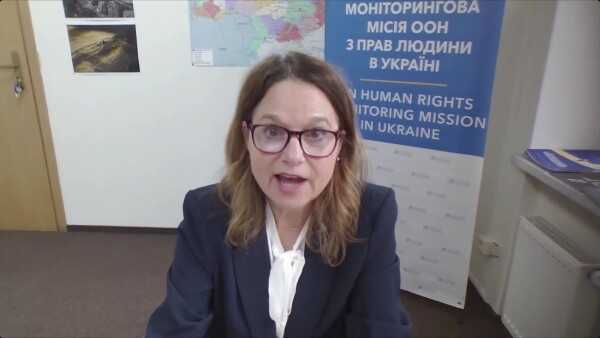
The UN Human Rights Office issued on Friday a report documenting a shocking pattern of sexual violence amid Russia’s full-scale armed attack on Ukraine.
2
1
2
Edited News , Press Conferences | WMO
As world’s water reserves change, countries must prepare for a new reality: WMO
New data showing that rivers were at their lowest level for decades last year provides further evidence that the climate crisis is real and countries must act immediately to protect themselves from the increasing threat to communities and livelihoods, the UN World Meteorological Organization (WMO) said on Thursday.
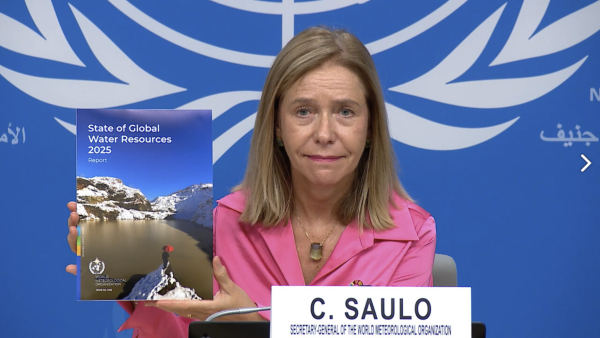
The key findings from WMO’s State of Global Water Resources 2025 report covering the hydrological cycle and extreme events in the five-year period to last year:
- 2025 was one of driest years for river discharge in 35 years
- Past seven years have seen abnorfmal river flows
- Water storage on Earth’s land surface has decreased in past decade
- Widespread glacier loss across all regions for fourth consecutive year
- Asia and Africa are regions most affected by water-related disasters
- Water data availability has improved, but gaps remain in hard-hit areas
Highlighting the long-term decline in the Earth’s freshwater storage and glacier melt, WMO Secretary-General Celeste Saulo explained that the planet’s water reserves used to act as a planetary “savings account” that absorbed the occasional dry season, avoiding a water crisis. “One of the central stories of the 2025 report is what is happening to that savings account? And the simple answer is that we are depleting it,” she told journalists in Geneva.
Groundwater reserves are equally stretched and have been in decline since 2014, WMO’s report states, with nearly two-thirds of monitored wells worldwide showing levels lower than the historical norm and indicating a shift “further toward deficit…not recovery”.
“At the same time, we are seeing more water-related disasters,” Ms. Saulo said, while also stressing that the currently strengthening El Niño “will increase the risk of drought in some areas, and flooding in others”.
Glaciers disappearing
In 2025, for the fourth consecutive year, every major glaciated region on Earth lost ice mass, leading to short-term hazards including floods and long-term water insecurity, according to WMO.
Responding to a question about whether the changing global water cycle might have contributed to the deadly Nepal-China flooding disaster, Ms. Saulo explained that melting ice and rock was just one factor in the chain of events that ultimately sent a massive and deadly wall of water and debris downstream on 26 August, killing at least 1,367 people.
“You asked if it could happen again? Absolutely; the problem in this region is that there’s 63,700 glaciers at the last count,” she told a Press Conference in Geneva. “Even if you’re looking with remote sensing with satellites at these glaciers, you might see some faults, you might see some slight shifting, that does not mean necessarily catastrophic collapse. So, in order to plan for this, it’s very, very difficult. But the international community is looking very hard at ways in which we can bring people together to solve some of these monitoring issues.”
Data indicates that glaciers shrank between 2023 and 2025 with cumulative losses of 1,400 gigatonnes of water – or about one third of annual fresh water needs.
Every major glacier region on Earth lost ice for the fourth consecutive year.
“All 19 glacier regions around the globe lost ice; in Central Asia, Iceland, the Russian Arctic and western Canada and the United States, it was among the three worst years on record,” said Wayne Jenkinson, WMO’s Director of Hydrology and Cryosphere.
Some regions with smaller glaciers such as Central Europe, the Caucasus, the western Canada and the United States may already have reached “peak water”, Mr. Jenkinson warned.
“After this point, the glacier gives less meltwater each year simply because there is less ice left to melt. That matters for every community downstream that relies on water during hot, dry summers,” he explained.
Narelle van der Wel, WMO’s Head of Cryosphere Monitoring, Predictions and Services, stressed that while some further glacier loss is unavoidable, the eventual scale of the decline is not predetermined.
“Some glacier loss is inevitable, but total loss of glaciers is not yet inevitable,” she said, pointing to emissions reductions as central to limiting future losses.
Preparing for moving baselines
The report does not attribute every observed change to climate change alone. WMO says pressure on water resources and natural variability also contribute.
Mr. Jenkinson said governments need to prepare for “moving baselines” as historical patterns become less reliable.
“The situation 30 years ago is not where we are today,” he said. Countries, he added, need to prepare “for those changes that have really already arrived”.
ends