

The United Nations Office at Geneva
Multimedia Newsroom
Syrie : les besoins continuent de croître dans une situation très incertaine, disent les équipes d'aide
Le changement de pouvoir historique en Syrie et la situation encore volatile deux jours après la chute du régime de Bachar al-Assad ont accru les besoins humanitaires dans un pays où près de 17 millions de personnes, y compris des millions de déplacés internes, dépendaient déjà de l'aide humanitaire avant les récents événements, ont déclaré mardi les équipes d'aide de l'ONU.
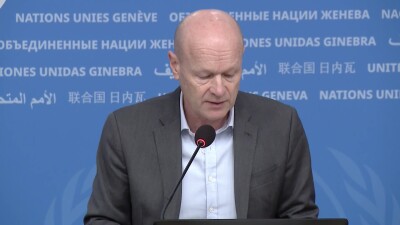
Depuis le 28 novembre, « plus d'un million de personnes – principalement des femmes et des enfants – ont été déplacées à travers Idlib, Alep, Hama et Homs. Certains seraient revenus chez eux ces derniers jours », a déclaré Jens Laerke, porte-parole du Bureau de la coordination des affaires humanitaires de l'ONU (OCHA) aux journalistes à Genève mardi.
Le porte-parole de l'OCHA a également noté que les opérations humanitaires dans les zones touchées, y compris Homs, Hama et Damas, ont repris. « Depuis hier, toutes les organisations humanitaires à Idlib et dans le nord d'Alep ont repris leurs opérations », a déclaré M. Laerke, ajoutant que les trois points de passage frontaliers depuis la Turquie utilisés par l'ONU pour livrer l'aide en Syrie sont restés ouverts.
Les agences de l'ONU et leurs partenaires fournissent une assistance de base dans le nord-ouest, y compris aux personnes nouvellement déplacées ; des services alimentaires, de santé et de nutrition ont été fournis, ainsi qu'un soutien pour l'accès à l'eau potable à Alep. Mais les installations de santé seraient débordées, avec des hôpitaux majeurs fonctionnant à capacité limitée en raison de pénuries de personnel, de médicaments et de fournitures. Les partenaires humanitaires continuent de fournir des soins de traumatologie, de maintenir des banques de sang et d'administrer des vaccinations.
« L'argent est, comme toujours, un problème. Notre appel de 4 milliards de dollars pour cette année est actuellement financé à moins d'un tiers », a souligné M. Laerke.
Selon l'agence des Nations Unies pour les réfugiés (HCR), sept millions de Syriens ont été déplacés à l'intérieur du pays, et plus de cinq millions ont fui vers les pays voisins et au-delà, déracinés par près de 14 ans de guerre. Cela représente la moitié de la population du pays avant-guerre de 23 millions.
Pour ceux qui sont forcés de fuir, « ils considèrent à quel point la Syrie est sûre pour y retourner, et dans quelle mesure leurs droits seront respectés avant de pouvoir prendre une décision éclairée et volontaire de rentrer chez eux. Ils doivent avoir l'espace pour le faire sans aucune pression », a insisté Shabia Mantoo de l'agence des Nations Unies pour les réfugiés. Elle a réitéré que tous les réfugiés ont le droit fondamental de retourner dans leur pays d'origine à un moment de leur choix, et les retours doivent être volontaires, dignes et sûrs.
Interrogée sur les décisions des pays hôtes en Europe de suspendre les décisions sur les demandes d'asile syriennes après la chute de Bachar al-Assad, Mme Mantoo a réitéré que « tout Syrien ou toute personne demandant une protection internationale doit pouvoir accéder aux procédures d'asile et voir sa demande examinée pleinement et individuellement sur ses mérites ».
Le 27 novembre, une coalition de forces d'opposition, dirigée par le groupe armé Hayat Tahrir al-Sham (HTS), a lancé une offensive depuis son bastion d'Idlib, s'emparant de dizaines de localités et des villes stratégiques d'Alep, Hama et Homs, avant d'atteindre la capitale, Damas.
Le conflit syrien a éclaté après la répression d'un soulèvement populaire qui a dégénéré en guerre civile en 2011.
Fin
Histoire : “Mise à jour humanitaire sur la Syrie – OCHA, UNHCR” – 10 décembre 2024
Les orateurs sont :
- Jens Laerke, orateur pour le Bureau de la coordination des affaires humanitaires de l'ONU (OCHA)
- Shabia Mantoo, orateur pour l'Agence des Nations Unies pour les réfugiés (UNHCR)
TRT : 02’22”
SOURCE : UNTV CH
LANGUE : ANGLAIS / NATS
RAPPORT D'ASPECT : 16:9
DATELINE : 10 décembre 2024 - GENÈVE, SUISSE
Conférence de presse à Genève
LISTE DE PLANS
- Plan moyen extérieur : allée des drapeaux de l'ONU.
- Plan large de la salle de conférence de presse.
- EXTRAIT SONORE (Anglais) Jens Laerke, orateur pour le Bureau de la coordination des affaires humanitaires de l'ONU (OCHA) : “Avant les événements récents, près de 17 millions de personnes, y compris des millions de personnes déplacées à l'intérieur du pays, avaient déjà besoin d'une assistance humanitaire. Depuis le 28 novembre, plus d'un million de personnes – principalement des femmes et des enfants – ont été déplacées à travers Idleb, Alep, Hama et Homs. Certains seraient retournés chez eux ces derniers jours.”
- Plan large de la salle de conférence de presse.
- EXTRAIT SONORE (Anglais) Jens Laerke, orateur pour le Bureau de la coordination des affaires humanitaires de l'ONU (OCHA) : “Depuis hier, toutes les organisations humanitaires à Idleb et dans le nord d'Alep ont repris leurs opérations. Les trois points de passage frontaliers depuis la Turquie utilisés par l'ONU pour fournir de l'aide en Syrie restent ouverts et nous fournissons une assistance dans le nord-ouest, y compris à ceux qui ont été nouvellement déplacés.
- Plan moyen : journalistes dans la salle de conférence de presse.
- EXTRAIT SONORE (Anglais) Jens Laerke, orateur pour le Bureau de la coordination des affaires humanitaires de l'ONU (OCHA) : “Les besoins humanitaires augmentent et une réponse accrue est urgemment nécessaire. L'argent est, comme toujours, un problème. Notre appel de 4 milliards de dollars pour cette année est actuellement financé à moins d'un tiers.”
- Plan moyen de la salle de conférence de presse
- EXTRAIT SONORE (Anglais) Shabia Mantoo, orateur pour l'Agence des Nations Unies pour les réfugiés (UNHCR) : “Desmillions de réfugiés syriens qui restent à l'extérieur essaient de comprendre ce que la situation en rapide évolution signifie pour eux. Ils envisagent à quel point la Syrie est sûre pour y retourner et dans quelle mesure leurs droits seront respectés avant de pouvoir prendre une décision volontaire et éclairée de rentrer chez eux. Ils doivent avoir l'espace pour le faire sans aucune pression.”
- Plan moyen arrière de l'orateur sur le podium dans la salle de conférence de presse.
- EXTRAIT SONORE (Anglais) Shabia Mantoo, orateur pour l'Agence des Nations Unies pour les réfugiés (UNHCR) : “Nous prenons note des rapports sur la suspension des demandes d'asile des ressortissants syriens. Donc, juste pour réitérer que les événements évoluent rapidement et que la situation change. Ainsi, les dynamiques de déplacement continuent. Ce qui est important de garder à l'esprit, c'est la fluidité de la situation et que tout Syrien ou toute personne cherchant une protection internationale doit pouvoir accéder aux procédures d'asile et voir sa demande examinée pleinement et individuellement sur ses mérites.”
- Plan moyen de l'écran et du journaliste dans la salle de presse.
- Plans variés de journalistes dans la salle de conférence de presse.
Similar Stories

1
1
1
Edited News | OCHA , UNICEF , WFP
Aid agencies warned on Friday of the fast-developing humanitarian emergency inside Taiz City in Yemen, which has been encircled by de facto Houthi forces fighting government troops along the country’s west coast.

2
17
1
2
Edited News , Press Conferences , Images | OCHA , WMO
Two UN agencies teamed up on Wednesday to issue an appeal for immediate assistance to help communities already being impacted by the strongest El Niño on record.

3
16
2
2
Edited News , B-roll , Conferences , Images | UNITED NATIONS , UNOG
Sixth Consultative Meeting on Enhancing Coordination of Peace Initiatives and Efforts for Sudan

1
1
1
Edited News | UNICEF , WHO , UNHCR
Yemen war continues to force families from homes amid hunger and disease
More than 250,000 people have now fled renewed fighting in Yemen, the UN said on Tuesday, citing particular concern for those sheltering in the southwestern city of Taiz and the wider governorate, where access is “essentially blocked”.

1
1
1
Edited News | UNICEF
A little over one year since a ceasefire agreement was announced between Hamas fighters and Israel, more than 340 children have been reported killed and hundreds more injured, the UN Children’s Fund, UNICEF, said on Friday.

1
1
1
Edited News | UNICEF , IFRC
Six weeks after Nepal’s deadly flooding disaster, communities are still struggling to rebuild their lives, but they will need sustained help as global warming increases the risk of another Himalayan catastrophe, the UN Children’s Fund (UNICEF) said on Friday.

1
1
1
Edited News | WHO
In suspected Russia plague death, testing and monitoring underway – WHO
The death of a lab worker in Russia’s Siberia region has sparked concerns about plague being the cause, the UN World Health Organization (WHO) said on Tuesday, adding that it was following the situation closely.

1
1
Edited News | OHCHR , UNOG
UN Human Rights Chief Volker Türk on Friday provided and oral update to the 63rd session of the Human rights Council on Ukraine.

1
1
1
Edited News | OHCHR , UNOG
UN Human Rights Chief Volker Türk on Friday provided and oral update to the 63rd session of the Human rights Council on the human rights situation in Haiti.

1
1
1
Edited News | WHO
Repeated delays in bringing lifesaving medicines, prosthetics and more from Israel into Gaza risk having devastating consequences on Palestinians who urgently need them in the wartorn enclave, the UN World Health Organization (WHO) said on Friday. “A truck full of non-priority supplies or the right supplies arriving too late, doesn't save lives. That's the question that actually matters," said Dr Reinhilde Van De Weerdt, WHO Representative in the OPT.

1
1
1
Edited News | WHO
DRC: Early access to care and oxygen decisive for Ebola patients’ survival – WHO
In the Democratic Republic of the Congo (DRC), health workers fighting the country’s largest-ever Ebola outbreak are struggling to overcome critical challenges to patient care, the UN World Health Organization (WHO) warned on Tuesday.

1
1
1
Edited News | OCHA , UN
Civilians in Iran are continuing to feel the consequences of months of conflict and military escalation, the UN’s top official in the country has said, as loss of life, damage to civilian infrastructure and mounting economic pressures leave many facing continued uncertainty.