

The United Nations Office at Geneva
Multimedia Newsroom
Edited News | OCHA , UNICEF , WHO
Besoins urgents en carburant à Gaza — OCHA, UNICEF, OMS 10 mai 2024
Alors que la situation des déplacés de Rafah se détériore, les humanitaires plaident pour la réouverture des corridors d'aide
Avec toutes les traversées vers Rafah fermées ou dangereuses, la situation à Gaza a atteint des « niveaux d'urgence encore plus sans précédent », a averti vendredi le bureau de coordination des secours de l'ONU, OCHA.
Au moins 110 000 personnes ont fui Rafah depuis lundi après que l'armée israélienne a émis des ordres d'évacuation pour ceux qui se réfugient à l'est de la ville. La fermeture du passage de Rafah depuis qu'il a été saisi par l'armée israélienne mardi a coupé l'accès au carburant et à d'autres fournitures de secours vitales, tout en limitant les déplacements du personnel et l'entrée d'articles humanitaires essentiels.
« Nous raclons le fond du baril », a déclaré Hamish Young, coordinateur principal des urgences de l'UNICEF à Gaza, qui a déclaré aux journalistes à Genève qu'aucun carburant ni aide humanitaire n'étaient entrés dans la bande de Gaza depuis cinq jours. « C'est déjà un énorme problème pour la population et tous les acteurs humanitaires, mais dans quelques jours, si cela n'est pas corrigé, le manque de carburant pourrait paralyser les opérations humanitaires. »
La fermeture du passage de Rafah depuis l'Égypte et de Kerem Shalom depuis Israël à proximité « a coupé notre accès au carburant, aux fournitures et aux déplacements du personnel humanitaire », a expliqué Georgios Petropoulos, chef du sous-bureau de l'OCHA à Gaza, ajoutant que ce développement avait également affecté les déplacements des civils à travers la frontière et les évacuations médicales hors de Gaza.
Un manque continu de carburant affectera tous les secteurs clés car il pourrait forcer les hôpitaux à fermer et entraîner une aggravation de la malnutrition. Au cours des prochaines 24 heures, cinq hôpitaux gérés par le ministère palestinien de la Santé et 28 ambulances devraient manquer de carburant.
C'est une préoccupation majeure pour l'Organisation mondiale de la santé (OMS) des Nations Unies qui ne peut pas faire fonctionner les équipements sans électricité. « Même si vous avez ramené quelqu'un du bord du gouffre, que vous l'avez opéré, que vous l'avez mis sous respirateur, (le) respirateur s'arrête, il ne respire plus », a expliqué le Dr Margaret Harris, porte-parole de l'OMS. « Sans carburant, peu importe ce que tout le monde a fait, le système entier s'effondre. »
En termes de malnutrition croissante, M. Petropoulos a averti que le Programme alimentaire mondial (PAM) de l'ONU et l'agence de l'ONU pour les réfugiés palestiniens (UNWRA) manqueront de nourriture pour distribution dans le sud d'ici samedi. « Cela signifie que les gens ne disposeront que de ce qui a été distribué dans leurs abris, dans leurs maisons et sur place », a-t-il dit. « À ce jour, nous avons 12 boulangeries soutenues par des partenaires humanitaires ici dans le sud de Gaza : huit ont cessé de fonctionner en raison du manque de carburant et de stock et celles qui fonctionnent encore à capacité réduite seront à court de stock d'ici lundi. »
Selon le PAM, la « famine totale » dans le nord de Gaza se propage rapidement à travers la bande après sept mois de guerre. Les personnes déplacées sont exposées à un risque encore plus grand de maladies, d'infections, de malnutrition et de déshydratation, a averti l'OMS. À ce jour, au moins 30 personnes sont mortes de malnutrition et de déshydratation, a déclaré le Dr Harris, ajoutant que les trois centres d'alimentation spécialisés ouverts à Gaza pour traiter la malnutrition aiguë sévère causée par le manque d'aide entrant dans l'enclave depuis le début de la guerre sont « pleins de patients ».
« Un manque de services d'assainissement, un manque d'eau potable signifie que si les bombes ne vous tuent pas, vous mourrez de soif, de maladies infectieuses ou simplement de faim », a déclaré le Dr Harris.
Seul un cessez-le-feu peut éviter de nouveaux effusions de sang et rétablir les livraisons d'aide désespérément nécessaires, ont insisté les équipes d'aide de l'ONU.
Selon le ministère de la Santé dirigé par le Hamas, au moins 34 900 personnes ont été tuées dans les bombardements israéliens et l'opération terrestre à Gaza depuis le 7 octobre 2023. Environ 1 250 personnes sont mortes dans les attaques menées par le Hamas dans le sud d'Israël qui ont déclenché la guerre, et plus de 250 Israéliens ont été pris en otage. Des dizaines sont encore détenus.
Fin
Histoire : « Besoins urgents en carburant à Gaza - OCHA, UNICEF, OMS » - 10 mai 2024
Orateurs :
· Hamish Young, Coordinateur principal des urgences de l'UNICEF dans la bande de Gaza (parlant de Rafah)
· Georgios Petropoulos, responsable du sous-bureau de l'ONU pour la coordination des affaires humanitaires à Gaza (parlant de Rafah)
· Margaret Harris, porte-parole de l'OMS
TRT: 01’58”
SOURCE: UNTV CH
LANGUAGE: ENGLISH
ASPECT RATIO: 16:9
DATELINE: 10 mai 2024 - GENÈVE, SUISSE
Conférence de presse de Genève
LISTE DES PLANS
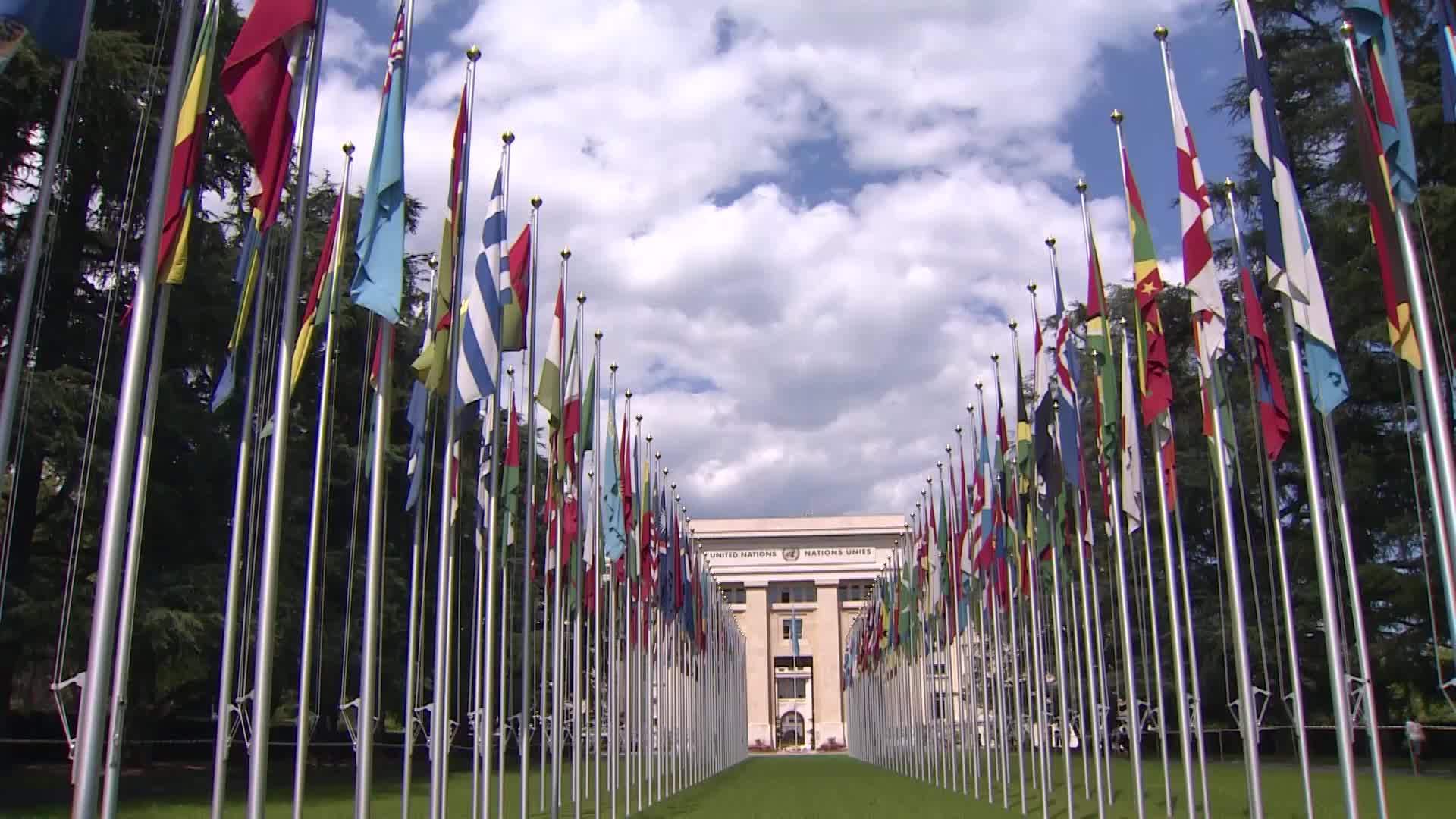
- Plan moyen extérieur : allée du drapeau de l'ONU
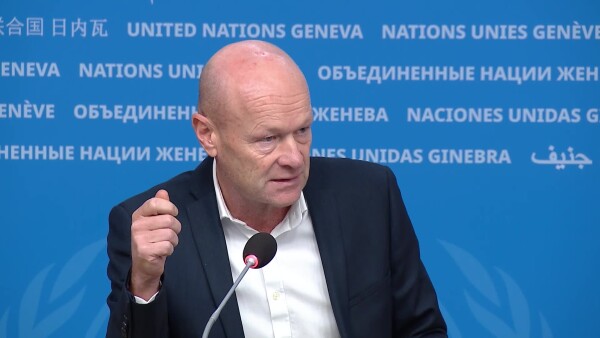
- Plan large du podium avec les orateurs dans la salle de conférence de presse
- DÉCLARATION (en anglais) de Hamish Young, Coordinateur principal des urgences de l'UNICEF dans la bande de Gaza : "Depuis cinq jours, aucun carburant et pratiquement aucune aide humanitaire n'est entré dans la bande de Gaza et nous raclons les fonds de tiroir. C'est déjà un énorme problème pour la population et pour tous les acteurs humanitaires. Mais en quelques jours, si cela n'est pas corrigé, le manque de carburant bloquera vraiment l'ensemble des opérations humanitaires.”
- Plan moyen du podium et de la salle de conférence de presse
- DÉCLARATION (en anglais) de Georgios Petropoulos, Chef du sous-bureau de l'OCHA à Gaza : «La fermeture, en particulier du passage de Rafah et de Kerem Shalom, a coupé l'accès au carburant, aux fournitures et au déplacement du personnel humanitaire. Cela a également affecté le déplacement de tout civil pouvant être évacué médicalement.”
- Plan moyen du podium :
- DÉCLARATION (en anglais) de Margaret Harris, porte-parole de l'OMS : «Même si vous avez ramené quelqu'un du bord du gouffre, que vous l'avez opéré, que vous l'avez mis sous respirateur, si le respirateur s'arrête, il ne respire plus. Donc, sans carburant, peu importe ce que tout le monde a fait, tout le système s'effondre.”
- Plan moyen : journalistes dans la salle de conférence de presse
- DÉCLARATION (en anglais) de Georgios Petropoulos, Chef du sous-bureau de l'OCHA à Gaza : «Le Programme alimentaire mondial et l'UNRWA seront à court de nourriture à distribuer dans le sud d'ici demain. Cela signifie que les gens ne disposeront que de l'aide déjà distribuée dans leurs abris, chez eux et à l'extérieur. À ce jour, nous avons 12 boulangeries soutenues par les partenaires humanitaires ici dans le sud de Gaza. Huit ont cessé de fonctionner en raison du manque de carburant en stock, et les quatre qui fonctionnent encore à capacité réduite seront à court de stock d'ici lundi.”
- Plan moyen : journalistes dans la salle de conférence de presse
- DÉCLARATION (en anglais) de Margaret Harris, porte-parole de l'OMS : «Un manque de services d'assainissement, un manque d'eau potable signifie que si les bombes ne vous atteignent pas, vous mourrez de soif, de maladies infectieuses ou simplement de faim.”
- Plan moyen : journalistes dans la salle de conférence de presse
- Plan rapproché : caméraman enregistre la conférence de presse
- Plan moyen du podium de la salle de conférence de presse
Similar Stories
1
1
1
Edited News | OCHA , UNICEF , WFP
Aid agencies warned on Friday of the fast-developing humanitarian emergency inside Taiz City in Yemen, which has been encircled by de facto Houthi forces fighting government troops along the country’s west coast.

2
17
1
2
Edited News , Press Conferences , Images | OCHA , WMO
Two UN agencies teamed up on Wednesday to issue an appeal for immediate assistance to help communities already being impacted by the strongest El Niño on record.

3
16
2
2
Edited News , B-roll , Conferences , Images | UNITED NATIONS , UNOG
Sixth Consultative Meeting on Enhancing Coordination of Peace Initiatives and Efforts for Sudan

1
1
1
Edited News | UNICEF , WHO , UNHCR
Yemen war continues to force families from homes amid hunger and disease
More than 250,000 people have now fled renewed fighting in Yemen, the UN said on Tuesday, citing particular concern for those sheltering in the southwestern city of Taiz and the wider governorate, where access is “essentially blocked”.

1
1
1
Edited News | UNICEF
A little over one year since a ceasefire agreement was announced between Hamas fighters and Israel, more than 340 children have been reported killed and hundreds more injured, the UN Children’s Fund, UNICEF, said on Friday.

1
1
1
Edited News | UNICEF , IFRC
Six weeks after Nepal’s deadly flooding disaster, communities are still struggling to rebuild their lives, but they will need sustained help as global warming increases the risk of another Himalayan catastrophe, the UN Children’s Fund (UNICEF) said on Friday.

1
1
1
Edited News | WHO
In suspected Russia plague death, testing and monitoring underway – WHO
The death of a lab worker in Russia’s Siberia region has sparked concerns about plague being the cause, the UN World Health Organization (WHO) said on Tuesday, adding that it was following the situation closely.

1
1
Edited News | OHCHR , UNOG
UN Human Rights Chief Volker Türk on Friday provided and oral update to the 63rd session of the Human rights Council on Ukraine.

1
1
1
Edited News | OHCHR , UNOG
UN Human Rights Chief Volker Türk on Friday provided and oral update to the 63rd session of the Human rights Council on the human rights situation in Haiti.

1
1
1
Edited News | WHO
Repeated delays in bringing lifesaving medicines, prosthetics and more from Israel into Gaza risk having devastating consequences on Palestinians who urgently need them in the wartorn enclave, the UN World Health Organization (WHO) said on Friday. “A truck full of non-priority supplies or the right supplies arriving too late, doesn't save lives. That's the question that actually matters," said Dr Reinhilde Van De Weerdt, WHO Representative in the OPT.

1
1
1
Edited News | WHO
DRC: Early access to care and oxygen decisive for Ebola patients’ survival – WHO
In the Democratic Republic of the Congo (DRC), health workers fighting the country’s largest-ever Ebola outbreak are struggling to overcome critical challenges to patient care, the UN World Health Organization (WHO) warned on Tuesday.

1
1
1
Edited News | OCHA , UN
Civilians in Iran are continuing to feel the consequences of months of conflict and military escalation, the UN’s top official in the country has said, as loss of life, damage to civilian infrastructure and mounting economic pressures leave many facing continued uncertainty.