

The United Nations Office at Geneva
Multimedia Newsroom
Avec l'escalade des hostilités à Khan Younis, des milliers de Gazaouis ont fui les bombardements intenses pour chercher refuge dans la ville surpeuplée du sud de Rafah, que les humanitaires des Nations unies ont qualifiée vendredi de «cocotte-minute de désespoir où les gens vivent à la belle étoile».
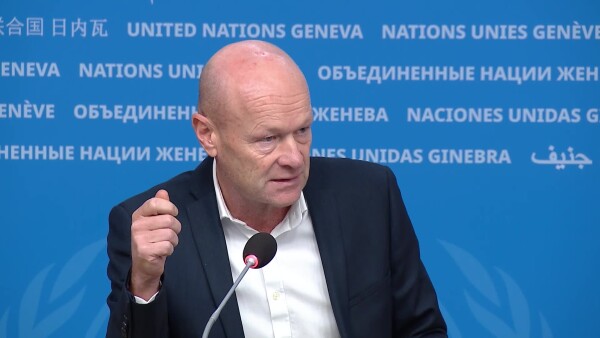
«Je tiens à souligner notre profonde préoccupation concernant l'escalade des hostilités à Khan Younis, qui a entraîné une augmentation du nombre de personnes déplacées cherchant refuge à Rafah», a déclaré Jens Laerke, porte-parole du Bureau de la coordination des affaires humanitaires des Nations unies (OCHA). «Ces derniers jours, des milliers de Palestiniens ont continué à fuir vers le sud, qui accueille déjà plus de la moitié de la population de Gaza, soit environ 2,3 millions de personnes.»
L'OCHA a signalé que Khan Younis a été de plus en plus attaquée, avec des rapports de combats intenses à proximité des hôpitaux Nasser et Al-Amal, mettant en danger la sécurité du personnel médical, des blessés et des malades, ainsi que des milliers de personnes déplacées cherchant refuge.
«Nos véhicules peuvent à peine avancer simplement parce qu'il y a des tentes partout. Ce que je peux dire à ce sujet, c'est que nous craignons ce qui va se passer ensuite», a déclaré M. Laerke. «Si nous examinons ce qui s'est passé dans le passé lorsque des ordres d'évacuation ont été donnés, les gens se déplacent à cause de cela. Ils se déplacent également à cause de la progression des combats. Et ensuite? Que se passe-t-il ensuite? Sont-ils vraiment en sécurité? Non.»
Selon les dernières données de l'Organisation mondiale de la santé (OMS) des Nations unies, plus de 100 000 Gazaouis sont morts, ont été blessés ou sont portés disparus et présumés morts à la suite des bombardements et des combats au sol entre les soldats israéliens et les militants palestiniens.
L'OMS a en outre signalé 27 019 décès, dont 60 % sont des femmes et des enfants.
L'agence de santé a exprimé des inquiétudes concernant «le manque de garanties de sécurité et de corridors humanitaires à Gaza, qui rendent de plus en plus difficile la réalisation en toute sécurité et rapidité des opérations humanitaires».
S'exprimant depuis Gaza, le Dr Ahmed Dahir, chef du sous-bureau de l'OMS à Gaza, a confirmé que les hostilités s'étaient intensifiées à Khan Younis. «Nous voyons des milliers de personnes se diriger vers Rafah. Des familles sont déplacées, encore et encore. Beaucoup se déplacent avec leurs vêtements et leurs sacs, se réfugiant dans des tentes en plastique de fortune qui ne sont pas suffisantes pour les protéger des intempéries.»
L'OCHA a souligné les difficultés rencontrées par les agences pour répondre en pleine escalade des hostilités. Au cours des derniers jours, elles ont réussi à distribuer plus de 1 000 tentes familiales à Mawasi sur la côte pour les personnes déplacées internes vivant à la belle étoile. En outre, 1 450 articles de literie, dont des couvertures, des matelas, des nattes et 1 100 kits de vêtements, ont été distribués aux personnes déplacées internes à Rafah.
Pendant ce temps, le Fonds des Nations unies pour l'enfance, l'UNICEF, a signalé que «au moins 17 000 enfants de la bande de Gaza sont non accompagnés ou séparés. Chacun a une histoire déchirante de perte et de chagrin», a déclaré Jonathan Crickx, chef de la communication de l'UNICEF en État de Palestine. «Ce chiffre correspond à un pour cent de la population déplacée totale, soit 1,7 million de personnes.»
S'adressant depuis Jérusalem aux journalistes à Genève, l'officiel de l'UNICEF a décrit sa rencontre avec des enfants à Gaza plus tôt cette semaine.
«Sur 12 enfants que j'ai rencontrés ou interrogés, plus de la moitié avaient perdu un membre de leur famille dans cette guerre. Trois avaient perdu un parent, dont deux avaient perdu à la fois leur mère et leur père. Derrière chacune de ces statistiques, il y a un enfant qui doit s'adapter à une nouvelle réalité horrible.»
L'UNICEF craint que la situation des enfants ayant perdu leurs parents soit bien pire dans le nord et le centre de la bande de Gaza, où l'accès est extrêmement difficile.
La plupart des enfants qui ont vécu un traumatisme sont encore sous le choc.
«La santé mentale des enfants palestiniens est gravement affectée. Ils présentent des symptômes tels que des niveaux extrêmement élevés d'anxiété persistante, une perte d'appétit. Ils ne peuvent pas dormir. Ils ont des crises émotionnelles, ou ils paniquent à chaque fois qu'ils entendent un bombardement», a déclaré M. Crickx.
Avant la guerre, l'UNICEF estimait que plus de 500 000 enfants avaient déjà besoin de soutien en santé mentale et psychosocial dans la bande de Gaza. Aujourd'hui, l'UNICEF estime que presque tous les enfants, soit plus d'un million, ont besoin de soutien psychosocial.
-fin-
HISTOIRE : Mise à jour de Gaza - OCHA, OMS, UNICEF
TRT : 3:02”
SOURCE : UNTV CH
RESTRICTIONS : AUCUNE
LANGUE : ANGLAIS / NATS
FORMAT D'IMAGE : 16:9
DATE LIMITE : 2 février 2024 GENÈVE, SUISSE
- Plan moyen extérieur : allée du drapeau de l'ONU
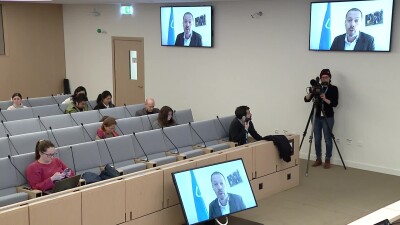
- Plan large : orateurs lors de la conférence de presse avec des journalistes dans la salle de presse
- DÉCLARATION (Anglais) - Jens Laerke, porte-parole du Bureau de la coordination des affaires humanitaires de l'ONU (OCHA) : “Je tiens à souligner notre profonde préoccupation concernant l'escalade des hostilités à Khan Younis, qui a entraîné une augmentation du nombre de personnes déplacées cherchant refuge à Rafah. Ces derniers jours, des milliers de Palestiniens ont continué à fuir vers le sud, qui accueille déjà plus de la moitié de la population de Gaza, soit environ 2,3 millions de personnes.”
- Plan moyen : salle de presse avec journaliste et orateur à l'écran
- DÉCLARATION (Anglais) - Jens Laerke, porte-parole du Bureau de la coordination des affaires humanitaires de l'ONU (OCHA) : “C'est comme une cocotte-minute de désespoir, des gens vivant à la belle étoile, dans la rue, vous savez. Nos véhicules peuvent à peine avancer simplement parce qu'il y a des tentes partout. Ce que je peux dire à ce sujet, c'est que nous craignons ce qui va arriver ensuite. Si nous examinons ce qui s'est passé par le passé lorsque des ordres d'évacuation ont été donnés, les gens bougent à cause de cela. Ils bougent aussi à cause des combats qui se rapprochent. Et ensuite ? Que se passe-t-il ensuite ? Sont-ils vraiment en sécurité ? Non.”
- Plan large : orateurs au pupitre
- DÉCLARATION (Anglais) - Dr. Ahmed Dahir, responsable du sous-bureau de l'OMS à Gaza (de Gaza) : “Les hostilités se sont intensifiées à Khan Younis. Nous voyons des milliers de personnes se déplacer vers Rafah. Des familles sont déplacées, encore et encore. Beaucoup ne font que se déplacer avec leurs vêtements et leurs sacs, se réfugiant dans des tentes de plastique de fortune qui ne suffisent pas à les protéger des intempéries.”
- Plan large : orateur au pupitre avec des journalistes dans la salle de presse
- DÉCLARATION (Anglais) - Jonathan Crickx, chef de la communication de l'UNICEF dans l'État de Palestine (de Jérusalem) : “Au moins 17 000 enfants dans la bande de Gaza sont non accompagnés ou séparés. Chacun a une histoire déchirante de perte et de chagrin. Ce chiffre correspond à un pour cent de la population déplacée totale, soit 1,7 million de personnes.”
- Plan rapproché : journaliste tapant sur un ordinateur portable
- DÉCLARATION (Anglais) - Jonathan Crickx, chef de la communication de l'UNICEF dans l'État de Palestine (de Jérusalem) : “Sur 12 enfants que j'ai rencontrés ou interrogés, plus de la moitié avaient perdu un membre de leur famille dans cette guerre. Trois avaient perdu un parent, dont deux avaient perdu à la fois leur mère et leur père. Derrière chacune de ces statistiques, il y a un enfant qui doit faire face à une horrible nouvelle réalité.”
- Plan large, salle de briefing avec des journalistes et une camerawoman
- DÉCLARATION (Anglais) - Jonathan Crickx, chef de la communication de l'UNICEF dans l'État de Palestine (de Jérusalem) : “La santé mentale des enfants palestiniens est gravement affectée. Ils présentent des symptômes tels que des niveaux extrêmement élevés d'anxiété persistante, une perte d'appétit. Ils ne peuvent pas dormir. Ils ont des crises émotionnelles, ou ils paniquent à chaque fois qu'ils entendent une explosion.”
- Plan rapproché, journaliste écoutant
- Plan rapproché, journalistes écoutant
- Plan rapproché, journaliste écoutant
Similar Stories
1
1
1
Edited News | OCHA , UNICEF , WFP
Aid agencies warned on Friday of the fast-developing humanitarian emergency inside Taiz City in Yemen, which has been encircled by de facto Houthi forces fighting government troops along the country’s west coast.

2
17
1
2
Edited News , Press Conferences , Images | OCHA , WMO
Two UN agencies teamed up on Wednesday to issue an appeal for immediate assistance to help communities already being impacted by the strongest El Niño on record.
3
16
2
2
Edited News , B-roll , Conferences , Images | UNITED NATIONS , UNOG
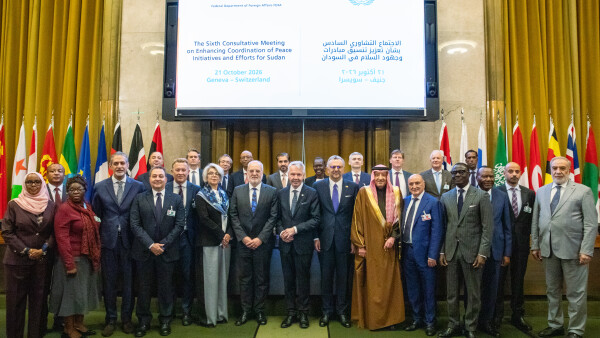
Sixth Consultative Meeting on Enhancing Coordination of Peace Initiatives and Efforts for Sudan

1
1
1
Edited News | UNICEF , WHO , UNHCR
Yemen war continues to force families from homes amid hunger and disease
More than 250,000 people have now fled renewed fighting in Yemen, the UN said on Tuesday, citing particular concern for those sheltering in the southwestern city of Taiz and the wider governorate, where access is “essentially blocked”.

1
1
1
Edited News | UNICEF
A little over one year since a ceasefire agreement was announced between Hamas fighters and Israel, more than 340 children have been reported killed and hundreds more injured, the UN Children’s Fund, UNICEF, said on Friday.

1
1
1
Edited News | UNICEF , IFRC
Six weeks after Nepal’s deadly flooding disaster, communities are still struggling to rebuild their lives, but they will need sustained help as global warming increases the risk of another Himalayan catastrophe, the UN Children’s Fund (UNICEF) said on Friday.

1
1
1
Edited News | WHO
In suspected Russia plague death, testing and monitoring underway – WHO
The death of a lab worker in Russia’s Siberia region has sparked concerns about plague being the cause, the UN World Health Organization (WHO) said on Tuesday, adding that it was following the situation closely.

1
1
Edited News | OHCHR , UNOG
UN Human Rights Chief Volker Türk on Friday provided and oral update to the 63rd session of the Human rights Council on Ukraine.

1
1
1
Edited News | OHCHR , UNOG
UN Human Rights Chief Volker Türk on Friday provided and oral update to the 63rd session of the Human rights Council on the human rights situation in Haiti.

1
1
1
Edited News | WHO
Repeated delays in bringing lifesaving medicines, prosthetics and more from Israel into Gaza risk having devastating consequences on Palestinians who urgently need them in the wartorn enclave, the UN World Health Organization (WHO) said on Friday. “A truck full of non-priority supplies or the right supplies arriving too late, doesn't save lives. That's the question that actually matters," said Dr Reinhilde Van De Weerdt, WHO Representative in the OPT.

1
1
1
Edited News | WHO
DRC: Early access to care and oxygen decisive for Ebola patients’ survival – WHO
In the Democratic Republic of the Congo (DRC), health workers fighting the country’s largest-ever Ebola outbreak are struggling to overcome critical challenges to patient care, the UN World Health Organization (WHO) warned on Tuesday.

1
1
1
Edited News | OCHA , UN
Civilians in Iran are continuing to feel the consequences of months of conflict and military escalation, the UN’s top official in the country has said, as loss of life, damage to civilian infrastructure and mounting economic pressures leave many facing continued uncertainty.