

The United Nations Office at Geneva
Multimedia Newsroom
Edited News | UNICEF , WHO
Mise à jour sur la situation sanitaire à Gaza UNICEF - OMS 05 décembre 2023
HISTOIRE
L'OMS à Gaza : Nous sommes proches de l'heure la plus sombre de l'humanité, les bombardements doivent cesser maintenant
Au milieu de l'intensification des bombardements israéliens dans le sud de la bande de Gaza, l'agence de santé des Nations Unies a exprimé mardi sa profonde inquiétude en déclarant que « nous sommes proches de l'heure la plus sombre de l'humanité, ces bombardements doivent cesser maintenant, nous avons besoin d'un cessez-le-feu durable ».
Parlant depuis la ville de Rafah dans le sud de Gaza, le représentant de l'Organisation mondiale de la santé (OMS) dans les territoires palestiniens occupés, le Dr Richard Pepperkorn, a déclaré que la situation « empirait d'heure en heure. Ces bombardements intensifiés se poursuivent partout, y compris dans la région sud de Khan Younis et même à Rafah. » Il a ajouté que ces derniers jours, « un nombre considérablement croissant de PDI » (personnes déplacées à l'intérieur du pays) s'étaient déplacées de la soi-disant zone centrale et même maintenant vers certaines zones... plus au sud. »
Selon les données de l'OMS, en moins de 60 jours de guerre, environ 16 000 personnes ont été tuées, dont 60 % d'enfants et de femmes. Un enfant est tué toutes les 10 minutes à Gaza, a déclaré l'agence de santé des Nations Unies.
Insistant sur la nécessité de protéger les hôpitaux dans ce bombardement en cours, le Dr Peeperkorn a déclaré que « nous assistons à une catastrophe humanitaire croissante. Nous ne pouvons pas nous permettre ce qui s'est passé dans le nord, la non-fonctionnalité des hôpitaux un par un, cela ne peut absolument pas se produire dans le sud. »
Le responsable de l'OMS a souligné que l'agence veillait à ce que des approvisionnements durables arrivent et que le nombre de lits serait augmenté de 1 400 à 2 500. » Cependant, il a déclaré que « pour la situation dans laquelle nous nous trouvons, nous avons en fait besoin de 5 000 lits, nous n'y arrivons pas. »
Parlant depuis Le Caire, le porte-parole du Fonds des Nations Unies pour l'enfance, James Elder, a souligné que « cette guerre contre les enfants a repris avec une férocité à une échelle au-delà de tout ce que nous avons vu dans le Sud et certainement à une puissance horrifiante de tout ce qui se passe dans le Nord. »
Le responsable humanitaire des Nations Unies a également remis en question la désignation de « soi-disant zones sûres » pour les civils de Gaza par l'armée israélienne, car nulle part n'est sûr.
« Dans le contexte actuel des soi-disant zones sûres, elles ne sont pas scientifiques, elles ne sont pas rationnelles. Elles ne sont pas possibles. Et je pense que les autorités en sont conscientes, » a déclaré M. Elder. « Je pense que c'est insensible, je pense que c'est froid et je pense que cela renforce l'indifférence envers les enfants et les femmes à Gaza. Et j'ai vu dans les hôpitaux du Sud au Nord que cette indifférence est mortelle. C'est déchirant et c'est déroutant. »
M. Elder a déclaré aux journalistes à Genève via une liaison vidéo que « dans ce cas spécifique de Gaza, Israël est la puissance occupante. Il est là, vous devez fournir de la nourriture, de l'eau, des médicaments. Donc maintenant, étant donné que nous parlons de centaines de milliers de personnes, en ce moment même des personnes qui se déplacent quelque part avec des bombardements à grande échelle, 200 par jour hier, des bombardements aériens alors que nous parlons, la seule façon possible de créer des espaces sûrs à Gaza qui soient vraiment sûrs, qui protègent la vie humaine, est que l'enfer cesse de pleuvoir du ciel. Seul un cessez-le-feu, seul un cessez-le-feu va sauver les enfants de Gaza en ce moment. »
Selon l'agence des Nations Unies pour les réfugiés palestiniens, l'UNRWA, au moins 19 collègues supplémentaires avaient été tués lors de frappes aériennes, portant le nombre total à 130 depuis le 7 octobre.
-fin-
HISTOIRE: Actualités ONU Gaza Situation humanitaire UNICEF OMS
TRT: 3:19”
SOURCE: UNTV CH
LANGUE: ANGLAIS
FORMAT D'IMAGE: 16:9
DATE LIMITE: 05 décembre 2023 - GENÈVE, SUISSE
LISTE DES PLANS
- Plan moyen extérieur : bâtiment de l'ONU avec le drapeau de l'ONU, Genève.
- Plan large, salle de conférence de presse avec le modérateur de l'ONU Genève
- DÉCLARATION (ANGLAIS) – James Elder, porte-parole de l'UNICEF : “Cette guerre contre les enfants a repris avec une férocité à une échelle au-delà de tout ce que nous avons vu dans le Sud et certainement à une puissance horrible au Nord.”
- Coupe : Plan large, salle de conférence de presse avec le modérateur, ONU Genève
- DÉCLARATION (ANGLAIS) – James Elder, porte-parole de l'UNICEF : “Nous avons la tempête parfaite pour une épidémie, en gardant à l'esprit, bien sûr, dans ce cas spécifique de Gaza, Israël est la puissance occupante. C'est là, vous devez fournir de la nourriture, de l'eau, des médicaments. Donc maintenant, étant donné que nous parlons de centaines de milliers de personnes, en ce moment même, qui se déplacent quelque part avec des bombardements à grande échelle, 200 hier, des bombardements aériens en ce moment même, le seul moyen possible de créer des espaces sûrs à Gaza qui soient vraiment sûrs, qui protègent la vie humaine, c'est que l'enfer cesse de pleuvoir du ciel. Seule une trêve, seule une trêve va sauver les enfants de Gaza en ce moment.”
- Coupe : Plan large, salle de conférence de presse avec porte-parole, journalistes et écrans, ONU Genève
- DÉCLARATION (ANGLAIS) - James Elder, porte-parole de l'UNICEF : “Dans le contexte actuel des prétendues zones sûres, elles ne sont pas scientifiques, elles ne sont pas rationnelles. Elles ne sont pas possibles. Et je pense que les autorités en sont conscientes. Je pense que c'est cruel. Je pense que c'est froid et je pense que cela renforce l'indifférence envers les enfants et les femmes à Gaza. Et j'ai vu dans les hôpitaux du Sud au Nord que cette indifférence est mortelle. C'est déchirant et c'est déconcertant.”
- Coupe : Plan large, salle de conférence de presse avec journalistes et écrans, ONU Genève
- DÉCLARATION (ANGLAIS) - Dr Richard Peeperkorn, représentant de l'OMS dans le territoire palestinien occupé (TPO) : “La situation empire d'heure en heure. Je veux dire, avec ces bombardements intensifiés qui se déroulent partout, y compris dans la région sud de Khan Younis et même à Rafah. Même ce que j'ai vu au cours des derniers jours, c'est que nous constatons une augmentation du nombre de personnes déplacées, venant de la prétendue zone médiane et même maintenant des zones sud vers le sud.”.
- Coupe : Plan large, salle de conférence de presse avec une camérawoman, des journalistes et des écrans, ONU Genève
- DÉCLARATION (ANGLAIS) - Dr Richard Peeperkorn, représentant de l'OMS dans le territoire palestinien occupé (TPO) : “Nous sommes proches de l'heure la plus sombre de l'humanité. Et c'est le message de l'OMS, de l'ONU en général, que ces bombardements. Et je dirais que cette perte de vies insensée doit cesser maintenant. Je veux dire, nous avons besoin d'une trêve soutenue.”
- Coupe : Plan large, salle de conférence de presse avec une camérawoman, des journalistes et des écrans, ONU Genève
- DÉCLARATION (ANGLAIS) - Dr Richard Peeperkorn, représentant de l'OMS dans le territoire palestinien occupé (TPO) : “Nous assistons à une catastrophe humanitaire croissante. Nous ne pouvons pas nous permettre ce qui s'est passé dans le nord, la non-fonctionnalité des hôpitaux un par un, cela ne peut absolument pas se produire dans le sud. Donc renforcer ce système et s'assurer que des approvisionnements durables arrivent, s'assurer que nous soutenons le système aussi bien que possible et que nous augmentons le nombre de lits de 1 400 actuellement à 2 000, 2 500. Pour la situation dans laquelle nous nous trouvons, nous avons réellement besoin de 5 000 lits, nous n'y arrivons pas.”
- Coupe : plan moyen, salle de conférence de presse avec des journalistes et un caméraman, ONU Genève
- Coupe : gros plan, journaliste écoutant, ONU Genève
- Coupe : gros plan, journaliste écoutant, ONU Genève

Similar Stories
1
1
1
Edited News | OCHA , UNICEF , WFP
Aid agencies warned on Friday of the fast-developing humanitarian emergency inside Taiz City in Yemen, which has been encircled by de facto Houthi forces fighting government troops along the country’s west coast.

2
17
1
2
Edited News , Press Conferences , Images | OCHA , WMO
Two UN agencies teamed up on Wednesday to issue an appeal for immediate assistance to help communities already being impacted by the strongest El Niño on record.
3
16
2
2
Edited News , B-roll , Conferences , Images | UNITED NATIONS , UNOG
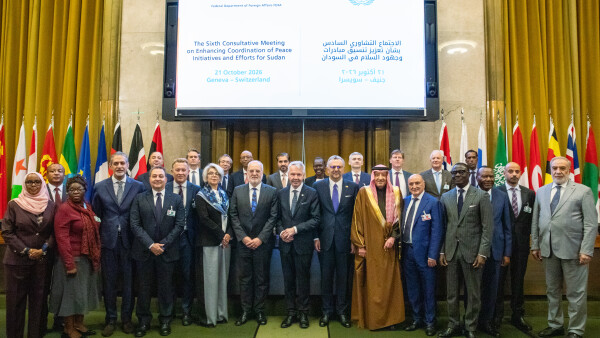
Sixth Consultative Meeting on Enhancing Coordination of Peace Initiatives and Efforts for Sudan
1
1
1
Edited News | UNICEF , WHO , UNHCR
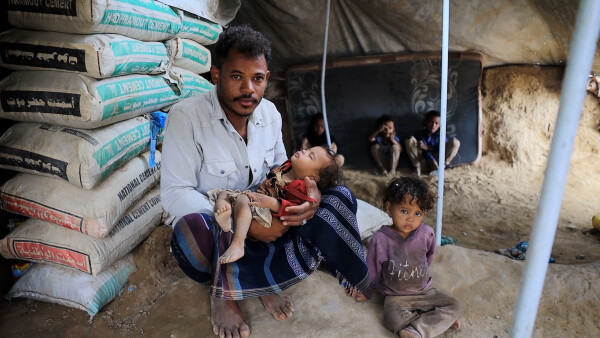
Yemen war continues to force families from homes amid hunger and disease
More than 250,000 people have now fled renewed fighting in Yemen, the UN said on Tuesday, citing particular concern for those sheltering in the southwestern city of Taiz and the wider governorate, where access is “essentially blocked”.

1
1
1
Edited News | UNICEF
A little over one year since a ceasefire agreement was announced between Hamas fighters and Israel, more than 340 children have been reported killed and hundreds more injured, the UN Children’s Fund, UNICEF, said on Friday.

1
1
1
Edited News | UNICEF , IFRC
Six weeks after Nepal’s deadly flooding disaster, communities are still struggling to rebuild their lives, but they will need sustained help as global warming increases the risk of another Himalayan catastrophe, the UN Children’s Fund (UNICEF) said on Friday.

1
1
1
Edited News | WHO
In suspected Russia plague death, testing and monitoring underway – WHO
The death of a lab worker in Russia’s Siberia region has sparked concerns about plague being the cause, the UN World Health Organization (WHO) said on Tuesday, adding that it was following the situation closely.

1
1
Edited News | OHCHR , UNOG
UN Human Rights Chief Volker Türk on Friday provided and oral update to the 63rd session of the Human rights Council on Ukraine.

1
1
1
Edited News | OHCHR , UNOG
UN Human Rights Chief Volker Türk on Friday provided and oral update to the 63rd session of the Human rights Council on the human rights situation in Haiti.

1
1
1
Edited News | WHO
Repeated delays in bringing lifesaving medicines, prosthetics and more from Israel into Gaza risk having devastating consequences on Palestinians who urgently need them in the wartorn enclave, the UN World Health Organization (WHO) said on Friday. “A truck full of non-priority supplies or the right supplies arriving too late, doesn't save lives. That's the question that actually matters," said Dr Reinhilde Van De Weerdt, WHO Representative in the OPT.

1
1
1
Edited News | WHO
DRC: Early access to care and oxygen decisive for Ebola patients’ survival – WHO
In the Democratic Republic of the Congo (DRC), health workers fighting the country’s largest-ever Ebola outbreak are struggling to overcome critical challenges to patient care, the UN World Health Organization (WHO) warned on Tuesday.

1
1
1
Edited News | OCHA , UN
Civilians in Iran are continuing to feel the consequences of months of conflict and military escalation, the UN’s top official in the country has said, as loss of life, damage to civilian infrastructure and mounting economic pressures leave many facing continued uncertainty.