

The United Nations Office at Geneva
Multimedia Newsroom
Edited News , Press Conferences | UNICEF , UNHCR , OCHA
UNHCR/OCHA/UNICEF Virtual Press Conference - Presentation of the Regional Refugee Preparedness and Response Plan for Afghanistan - 27 August 2021
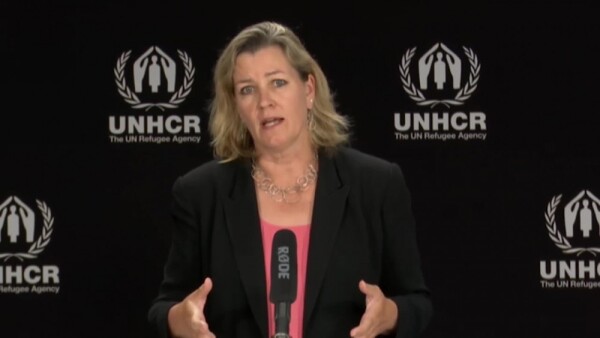
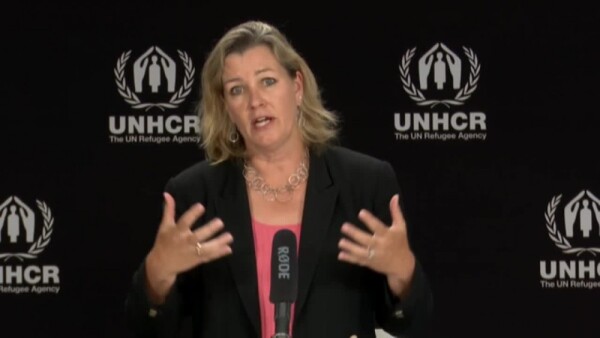
Around 500,000 new Afghan refugees are expected in the region by the end of the year, the UN Refugee Agency (UNHCR), said on Friday, at the presentation of the Regional Preparedness and Emergency Plan for Afghan Refugees. Appealing to all countries neighbouring Afghanistan to keep their borders open to those seeking to escape the intensifying crisis, the agency envisaged this number as “a worst-case scenario”. Based on an analysis of ongoing social, economic, political and the security situation, “the purpose of the figures is to enable us to plan and preposition important assistance so that urgent interventions can be scaled up quickly, efficiently as possible and if needed” Kelly Clements, Deputy High Commissioner, UNHCR said.
The plan is seeking a total of $299 million dollars to support the activities of UN agencies this year, including the UNHCR, the World Food Program and the United Nations Children’s Fund (UNICEF), as well as NGOs, with which the United Nations works. “This is about contingency planning. It is not the actual response,” said Ms Clements. “Increased and immediate funding will allow us to preposition core relief items and be ready for emergency interventions”. The UNHCR Deputy High Commissioner emphasized that significant movements across borders are not yet taking place and that the greatest needs remain inside the country, where the impacts of the conflict have been compounded by a severe drought and the COVID-19 pandemic.
“We know that growing insecurity and violence this year alone has displaced more than half a million Afghans, 80 per cent of whom are women and children,” Ms Clements said. Najeeba Wazedafost, CEO Asia Pacific Refugee Network described the situation over the past week in Afghanistan as “heartbreaking”. APNOR has received “a vast amount of calls to our Afghan crisis helpline where people have been reporting executions, beatings and clampdown on media and radio stations' '. She added that the Taliban have been carrying out “door to door searches, targeted killings and looting in the capital,” as well as attacking thousands of schools, hospitals and homes.
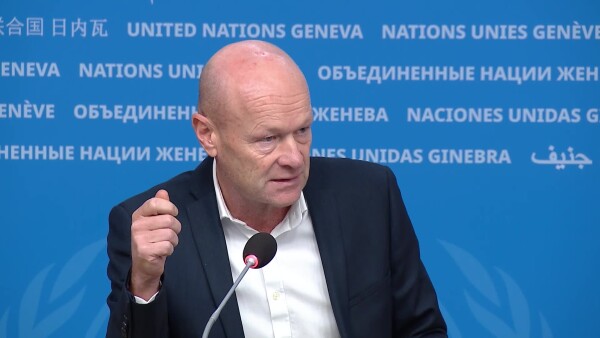
“All roads leading to and going out of the cities are being closed by the Taliban,” and “hospitals have nearly reached full capacity,” she said. The United Nations Office for the Coordination of Humanitarian Affairs (OCHA) added their voice to the call for funding. “At the beginning of this year, we estimated that around 18 million people are in need of humanitarian assistance,” Wafaa Saeed Abdelatef, Director, Coordination Division, UN OCHA: said, describing it as a “staggering number”. She warned that “a lot has happened and we expect that these needs have actually increased, compounded by conflict, compounded by drought and by Covid-19”. Ms Abdelatef said “flexible funding” needs to be scaled up urgently “ because the level of supplies are being stretched and because winter is coming”.
TRT: 02:33”
SOURCE: UNTV CH
RESTRICTIONS: NONE
LANGUAGE: ENGLISH
ASPECT RATIO: 16:9
DATELINE: 27 August 2021, GENEVA, SWITZERLAND
SHOTLIST
1.Exterior wide shot, United Nations flag flying.
- SOUNDBITE: (ENGLISH) Kelly Clements, Deputy High Commissioner, UNHCR:
“ We are preparing for around 500 thousand new refugees in the region, this is a worst case scenario. Our planning figures are based on an analysis of ongoing social, economic, political and the security situation. The purpose of the figures is to enable us to plan and preposition important assistance so that urgent interventions can be scaled up quickly, efficiently as possible and if needed”.
3.Exterior mid shot, United Nations flag flying
- SOUNDBITE: (ENGLISH) Kelly Clements, Deputy High Commissioner, UNHCR: “ Increased and immediate funding will allow us to preposition core relief items and be ready for emergency interventions.
5.Exterior wide shot, United Nations flag flying
- SOUNDBITE: (ENGLISH) Wafaa Saeed Abdelatef, Director, Coordination Division, UN OCHA: “Starting by the humanitarian situation at the beginning of this year, we estimated that around 18 million people are in need of humanitarian assistance. This is almost half the population and it is a staggering number. And this was at the beginning of the year. So as we speak now, a lot has happened and we expect that these needs have actually increased. And this humanitarian needs are coming from decades of conflict, compounded by drought and by covid-19”.
7.Exterior mid shot, United Nations flag flying
8.SOUNDBITE: (ENGLISH) Wafaa Saeed Abdelatef, Director, Coordination Division, UN OCHA: ”We remain short of 800 million dollars. This is needed urgently because the level of supply now are being stretched, because also we are coming to winter and we need there is also not only the scale of the funding, but the urgency of the funding and we need these funds to be flexible”.
9.Exterior wide shot, United Nations flag flying
- SOUNDBITE: (ENGLISH) Najeeba Wazedafost, CEO Asia Pacific Refugee Network:”For us in APNOR, it has been quite heartbreaking, especially in the past week, receiving a vast amount of calls to our Afghan crisis helpline where people have been reporting executions and beatings and clampdown on medias and radio stations. They've been reporting to us about Taliban's, you know, door to door searches, targeted killings and looting in the capital. And again, we've been hearing about schools and hospitals and thousands of homes being attacked. All roads leading to and going out of the cities are being closed by the Taliban. Hospitals, as we already heard, have nearly reached full capacity and really can no longer accept patients”.
11.Exterior wide shot, United Nations flag flying
- SOUNDBITE: (ENGLISH) Kelly Clements, Deputy High Commissioner, UNHCR: “So it's really prepositioning and what I want to underscore about this particular plan. This is about planning and contingency planning. It is not the actual response”.
- Exterior wide shot, United Nations flag flying.
Similar Stories
1
1
1
Edited News | OCHA , UNICEF , WFP
Aid agencies warned on Friday of the fast-developing humanitarian emergency inside Taiz City in Yemen, which has been encircled by de facto Houthi forces fighting government troops along the country’s west coast.
1
1
1
Press Conferences | UN WOMEN , WFP , WHO
UN WOMEN: Sudan Women and girls one year after the fall of El Fasher; increasing drone attacks across the country; WFP: DRC - Ebola spreads to eighth DRC province as WFP delivers food, builds treatment centres and keeps supplies moving; WHO - Update on Ebola (Bundibugyo Virus Disease)
1
12
1
1
Press Conferences , Images | UNOG
Closing Press Conference following the Sixth Consultative Meeting on Enhancing Coordination of Peace Initiatives and Efforts in Sudan

2
17
1
2
Edited News , Press Conferences , Images | OCHA , WMO
Two UN agencies teamed up on Wednesday to issue an appeal for immediate assistance to help communities already being impacted by the strongest El Niño on record.

3
16
2
2
Edited News , B-roll , Conferences , Images | UNITED NATIONS , UNOG
Sixth Consultative Meeting on Enhancing Coordination of Peace Initiatives and Efforts for Sudan
1
1
1
Press Conferences | CITES
Wildlife trade and conservation policy discussions at the 81st meeting of the CITES Standing Committee (SC81)

1
1
1
Edited News | UNICEF , WHO , UNHCR
Yemen war continues to force families from homes amid hunger and disease
More than 250,000 people have now fled renewed fighting in Yemen, the UN said on Tuesday, citing particular concern for those sheltering in the southwestern city of Taiz and the wider governorate, where access is “essentially blocked”.
1
1
1
Press Conferences | UNHCR , UNCTAD , WMO , OCHA , UNICEF , WHO
UNHCR Hungary’s 1956 Refugee Crisis: 70 Years On, UNCTAD World Investment Forum 2026, Doha, WMO Greenhouse Gas Bulletin and Climate Update for COP31, OCHA Afghanistan: Malnutrition, Girls’ Education and Recovery, UNICEF Yemen: Child Malnutrition and Unsafe Water in Taiz, WHO Inequalities in Noncommunicable Diseases and Risk Factors

1
1
1
Press Conferences | UNHCR
End of UNHCR's 77th Annual Executive Committee (ExCom) meeting week

1
1
1
Edited News | UNICEF
A little over one year since a ceasefire agreement was announced between Hamas fighters and Israel, more than 340 children have been reported killed and hundreds more injured, the UN Children’s Fund, UNICEF, said on Friday.

1
1
1
Press Conferences | UNICEF , IOM , UNHCR
UN Special Assistant to the Personal Envoy Office (SUDAN): Peace Initiatives and Efforts in Sudan; UNICEF: Dire situation of children in Gaza; IOM: Damaged Homes and Energy Attacks Risk Displacing Ukrainians for this winter; UNHCR: update on EXCOM week

1
1
1
Press Conferences | IOM , UNDRR
UN stresses importance of household preparedness for disaster risk reduction.