

The United Nations Office at Geneva
Multimedia Newsroom
COVID-19 measures worsen abuse and hunger in North Korea, Human Rights Council hears
Measures taken by the Democratic People's Republic of Korea (DPRK) to contain the spread of the novel coronavirus have exacerbated human rights violations and socio-economic hardship, a UN-appointed independent rights expert told the Human rights Council on Wednesday.
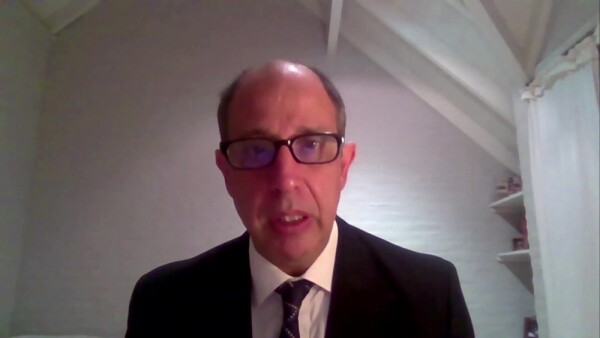
"The isolation of the DPRK during the COVID-19 pandemic means the isolation of ordinary people who are already subject to patterns of serious human rights violations," Special Rapporteur, Tomás Ojea Quintana said.
Addressing the Geneva-based forum on the situation in North Korea, he said that the DPRK “continues to strictly enforce its anti-epidemic measures”, highlighting that unconfirmed reports that the authorities have authorised the police to shoot on sight "at any person attempting to cross the country's borders”.
The country has yet to report confirmed cases of COVID-19. Since last year it imposed the closure of its borders, bans on most international travel and severely restricted travel within the country.
According to the Special Rapporteur – an independent expert appointed by the Council for a three-year unpaid mandate - “several cases of severe punishment against those breaking anti-epidemic prevention measures have been reported by media”.
These prolonged measures have also resulted in “a drastic decline in trade and commercial activities and severe economic hardship to the general population, causing increased food insecurity”.
Instead of a peaceful end to the conflict on the Korean peninsula, “humanitarian operations inside the country have nearly come to a halt, only three international humanitarian workers currently remain inside the country, and diplomatic presence has drastically reduced”.
Given these conditions, the independent expert highlighted the importance of providing entry points and authorising access to the country, including the UN-partnered equitable vaccine-distribution initiative, COVAX.
“According to the WHO (World Health Organization), the DPR Korea had tested 13,259 people for COVID-19, and all the results were negative partly due to the Government’s proactive efforts on prevention,” he said. “The Government applied to join the COVAX scheme, a welcome approach to international cooperation. The country is expected to receive 1,992,000 doses of the AstraZeneca/Oxford Vaccine in the first half of 2021 under this initiative.”
Mr. Quintana maintained that it was time for the Security Council to decide on the referral of the DPRK situation to the International Criminal Court.
There was no response from DPRK, which was absent from the discussion.
- Exterior wide shot, United Nations flag flying.
- Wide shot, Assembly Hall briefing
- SOUNDBITE: (ENGLISH) Tomás Ojea Quintana, Special Rapporteur:
“The time has come for the Security Council to decide on the referral of the situation of the Democratic People’s Republic of Korea to the International Criminal Court, as it has been repeatedly encouraged by this Honorable Human Rights Council and the General Assembly.” - Wide of panel at the Assembly Hall briefing
- SOUNDBITE: (ENGLISH) Tomás Ojea Quintana, Special Rapporteur:
“According to the WHO, the DPR Korea had tested 13,259 people for COVID-19, and all the results were negative partly due to the Government’s proactive efforts on prevention. The Government applied to join the COVAX scheme, a welcome approach to international cooperation. The country is expected to receive 1,992,000 doses of the AstraZeneca/Oxford Vaccine in the first half of 2021 under this initiative.” - Mid side view of panel at the Assembly Hall briefing
- SOUNDBITE: (ENGLISH) Tomás Ojea Quintana, Special Rapporteur:
“DPR Korea continues to strictly implement its anti-epidemic measures. Unconfirmed reports indicated that officials have authorized law enforcement agencies to “shoot on sight” anyone attempting to cross the country’s borders. Several cases of severe punishment against those breaking anti-epidemic prevention measures have been reported by media.” - Mid of panel at the Assembly Hall briefing
- SOUNDBITE: (ENGLISH) Tomás Ojea Quintana, Special Rapporteur:
“Prolonged COVID-19 prevention measures have resulted in a drastic decline in trade and commercial activities and severe economic hardship to the general population, causing increased food insecurity.” - Wide of Special Rapporteur on screen speaking to Assembly Hall briefing
- SOUNDBITE: (ENGLISH) Tomás Ojea Quintana, Special Rapporteur:
“Humanitarian operations inside the country have nearly come to a halt, only three international humanitarian workers (two UN and one NGO staff) currently remain inside the country, and diplomatic presence has drastically reduced.” - Close of digital clock counting down
- SOUNDBITE: (ENGLISH) Tomás Ojea Quintana, Special Rapporteur:
“The isolation of the DPR Korea during the COVID-19 pandemic means the isolation of ordinary people who are already subject to patterns of serious human rights abuses. Providing entry points for the authorities to gradually open up dialogue and grant access to the country is critical, especially when the Government is exceptionally cautious and reluctant to discuss human rights.” - Mid of panel at the Assembly Hall briefing
- Wide of Assembly Hall
- Close of speaker at briefing
Similar Stories

2
17
1
2
Edited News , Press Conferences | OCHA , WMO
Two UN agencies teamed up on Wednesday to issue an appeal for immediate assistance to help communities already being impacted by the strongest El Niño on record.

3
16
2
2
B-roll , Conferences , Edited News | UNITED NATIONS , UNOG
Sixth Consultative Meeting on Enhancing Coordination of Peace Initiatives and Efforts for Sudan

1
1
1
Edited News | UNICEF , WHO , UNHCR
Yemen war continues to force families from homes amid hunger and disease
More than 250,000 people have now fled renewed fighting in Yemen, the UN said on Tuesday, citing particular concern for those sheltering in the southwestern city of Taiz and the wider governorate, where access is “essentially blocked”.

1
1
1
Edited News | UNICEF
A little over one year since a ceasefire agreement was announced between Hamas fighters and Israel, more than 340 children have been reported killed and hundreds more injured, the UN Children’s Fund, UNICEF, said on Friday.

1
1
1
Edited News | UNICEF , IFRC
Six weeks after Nepal’s deadly flooding disaster, communities are still struggling to rebuild their lives, but they will need sustained help as global warming increases the risk of another Himalayan catastrophe, the UN Children’s Fund (UNICEF) said on Friday.

1
1
1
Edited News | WHO
In suspected Russia plague death, testing and monitoring underway – WHO
The death of a lab worker in Russia’s Siberia region has sparked concerns about plague being the cause, the UN World Health Organization (WHO) said on Tuesday, adding that it was following the situation closely.

1
1
Edited News | OHCHR , UNOG
UN Human Rights Chief Volker Türk on Friday provided and oral update to the 63rd session of the Human rights Council on Ukraine.

1
1
1
Edited News | OHCHR , UNOG
UN Human Rights Chief Volker Türk on Friday provided and oral update to the 63rd session of the Human rights Council on the human rights situation in Haiti.

1
1
1
Edited News | WHO
Repeated delays in bringing lifesaving medicines, prosthetics and more from Israel into Gaza risk having devastating consequences on Palestinians who urgently need them in the wartorn enclave, the UN World Health Organization (WHO) said on Friday. “A truck full of non-priority supplies or the right supplies arriving too late, doesn't save lives. That's the question that actually matters," said Dr Reinhilde Van De Weerdt, WHO Representative in the OPT.

1
1
1
Edited News | WHO
DRC: Early access to care and oxygen decisive for Ebola patients’ survival – WHO
In the Democratic Republic of the Congo (DRC), health workers fighting the country’s largest-ever Ebola outbreak are struggling to overcome critical challenges to patient care, the UN World Health Organization (WHO) warned on Tuesday.

1
1
1
Edited News | OCHA , UN
Civilians in Iran are continuing to feel the consequences of months of conflict and military escalation, the UN’s top official in the country has said, as loss of life, damage to civilian infrastructure and mounting economic pressures leave many facing continued uncertainty.
1
1
1
Edited News | WHO , UNICEF
Aid agencies in Yemen highlighted the growing hunger emergency sparked by renewed fighting between Houthi opposition forces and Government troops, after mobile health clinics reported that hundreds of children displaced by the violence are suffering from the most deadly form of malnutrition.