

The United Nations Office at Geneva
Multimedia Newsroom
STORYLINE
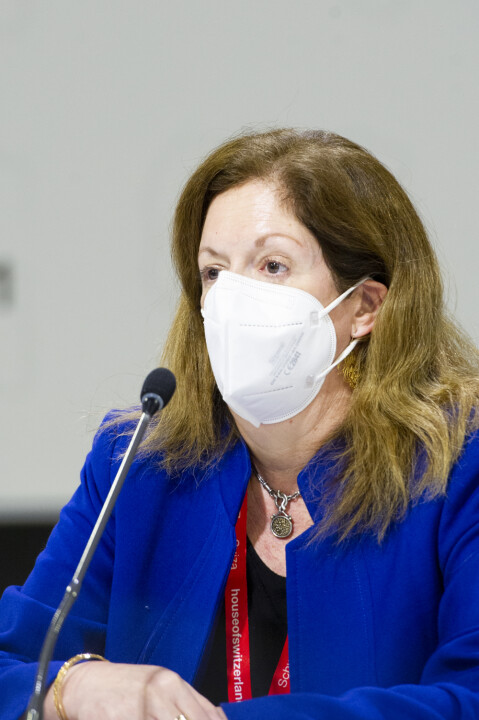
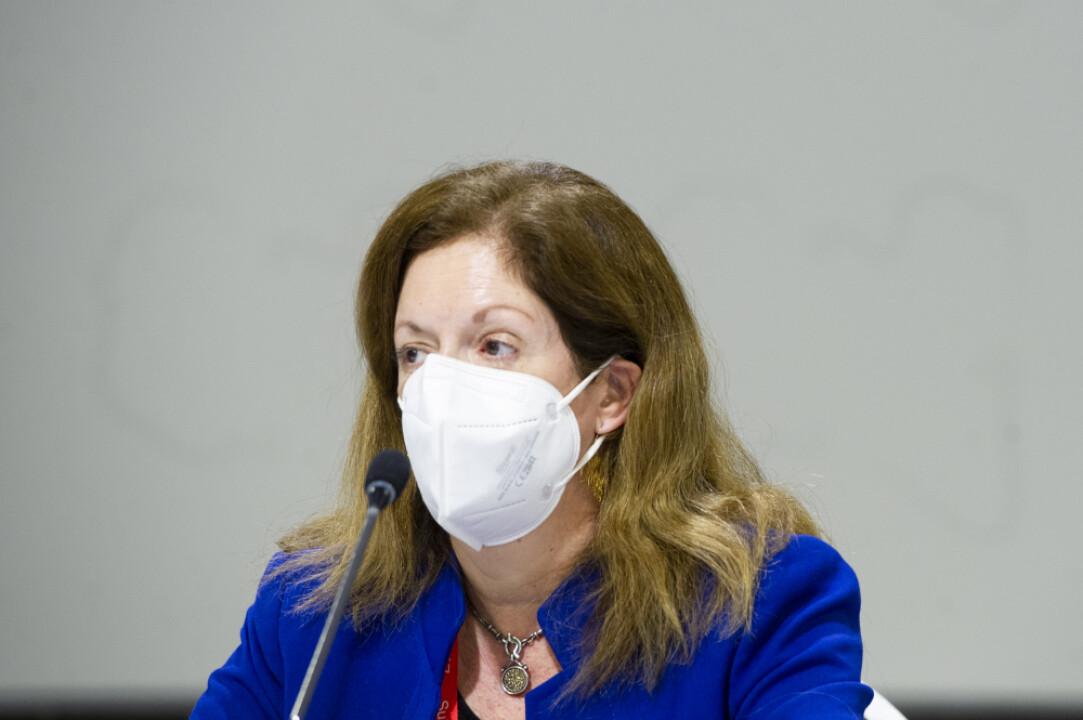
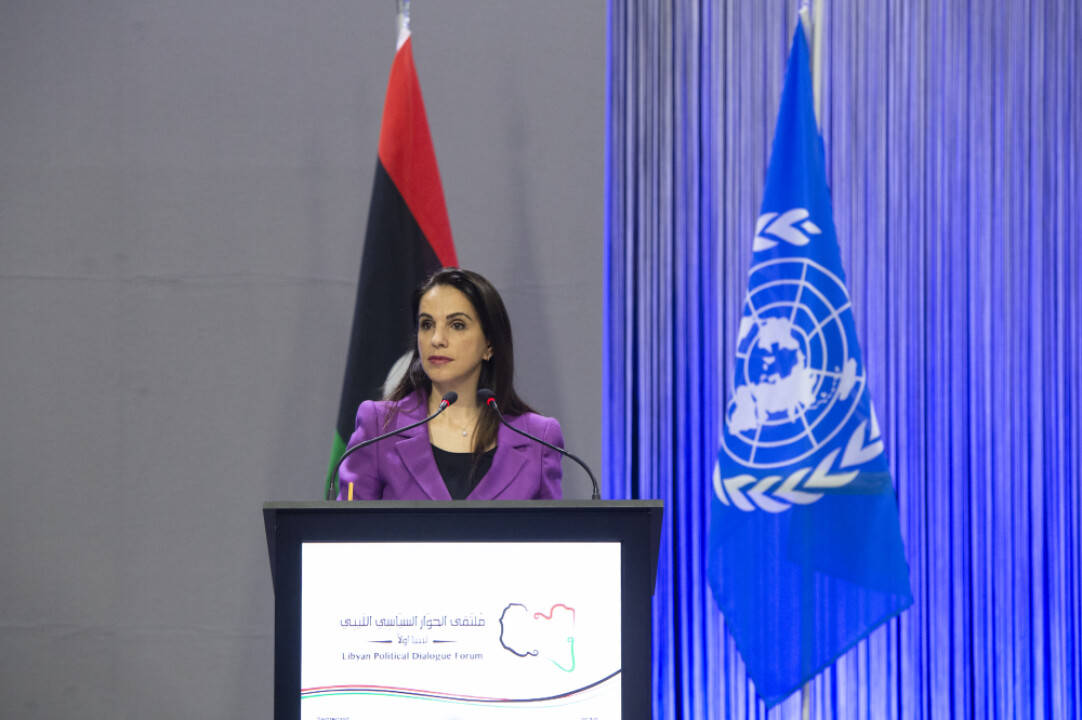
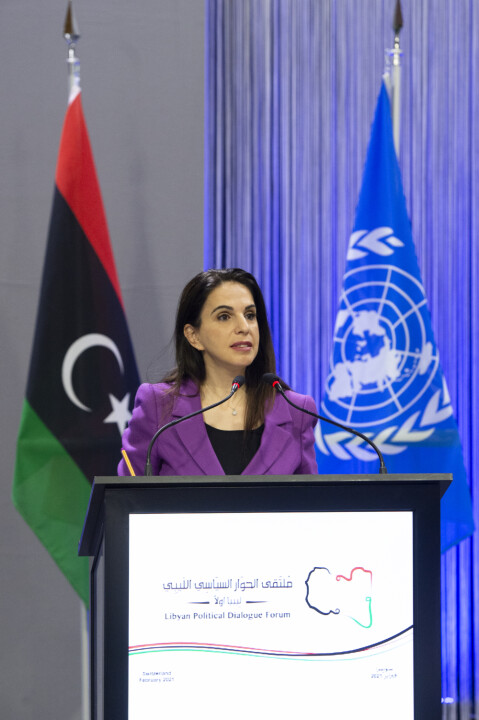
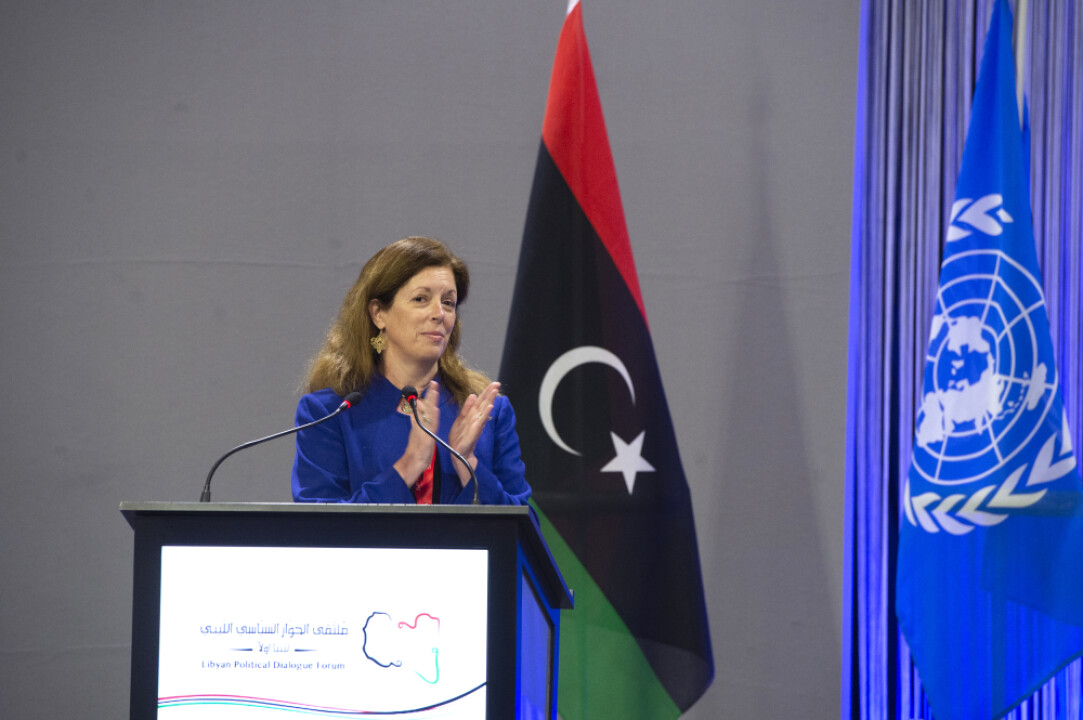
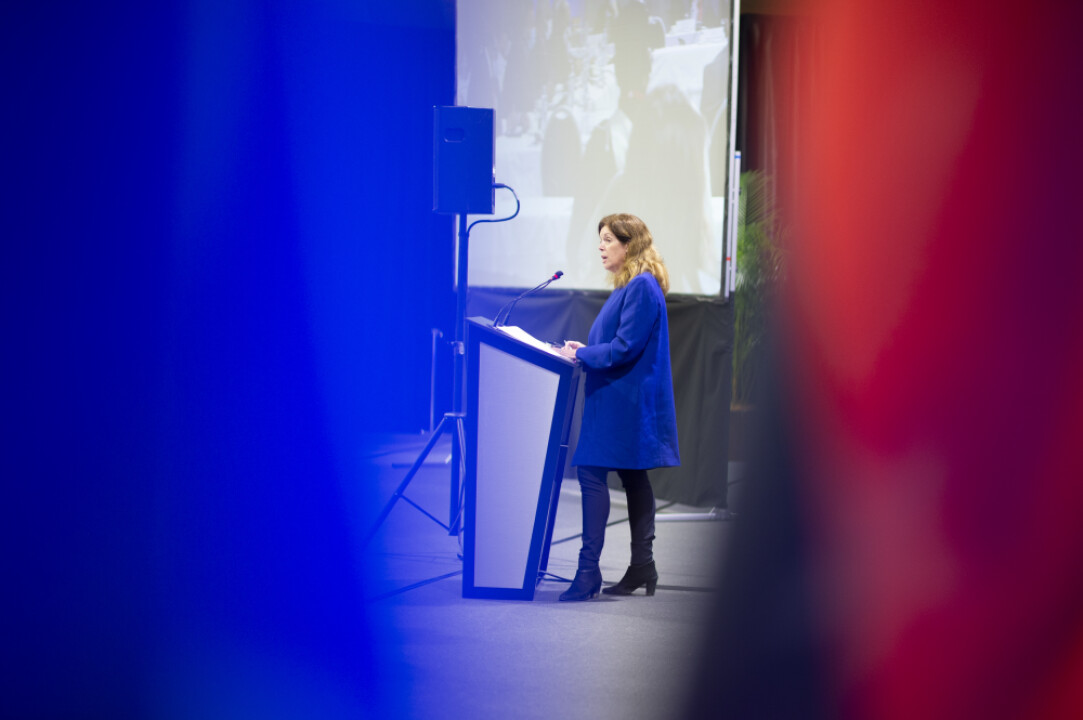
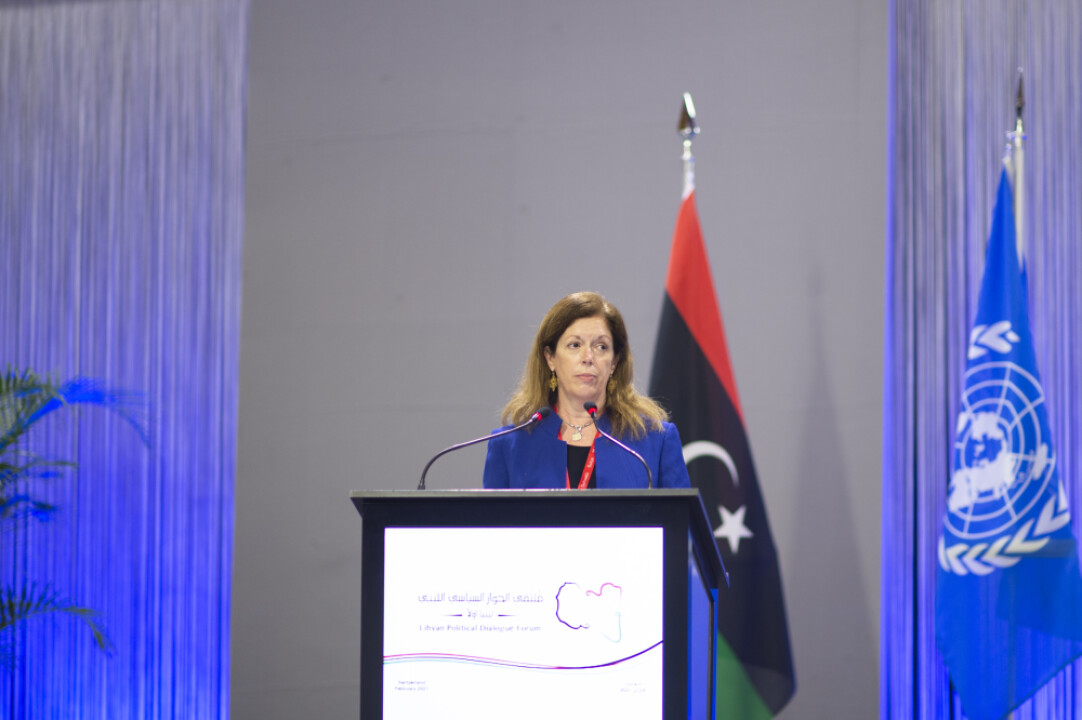
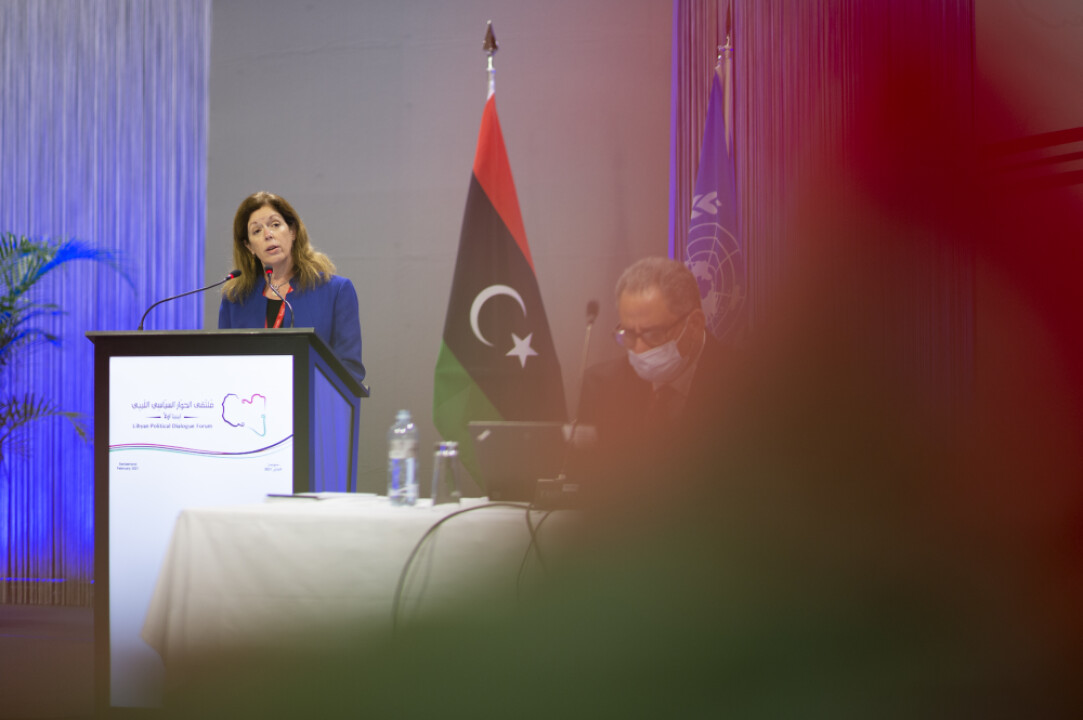
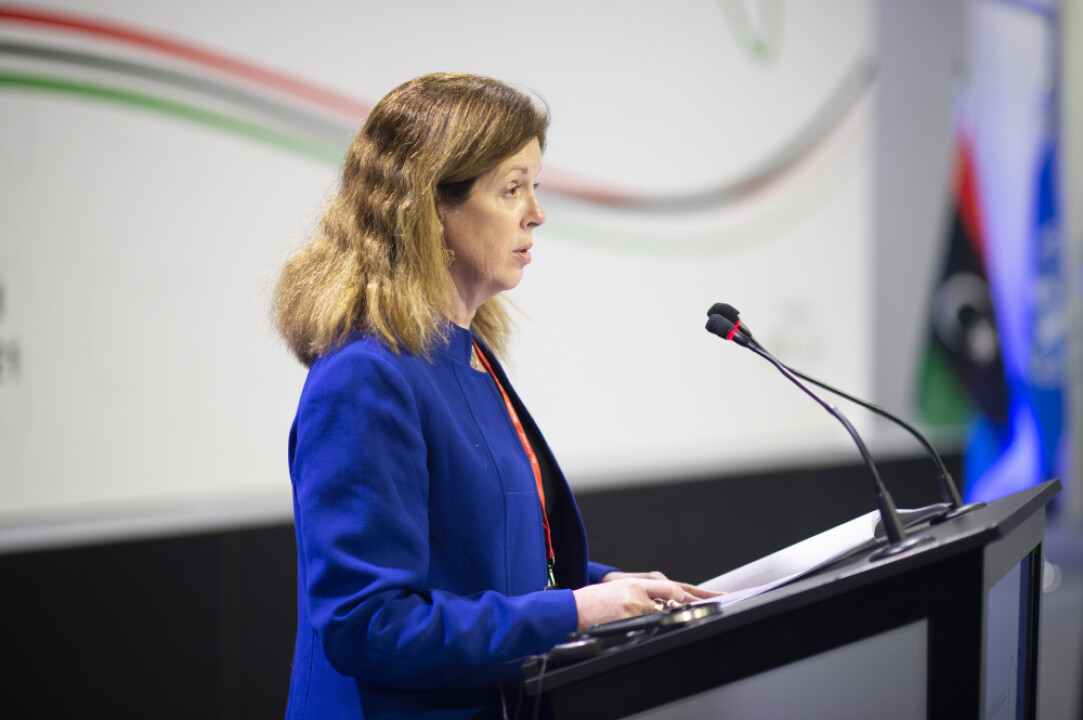
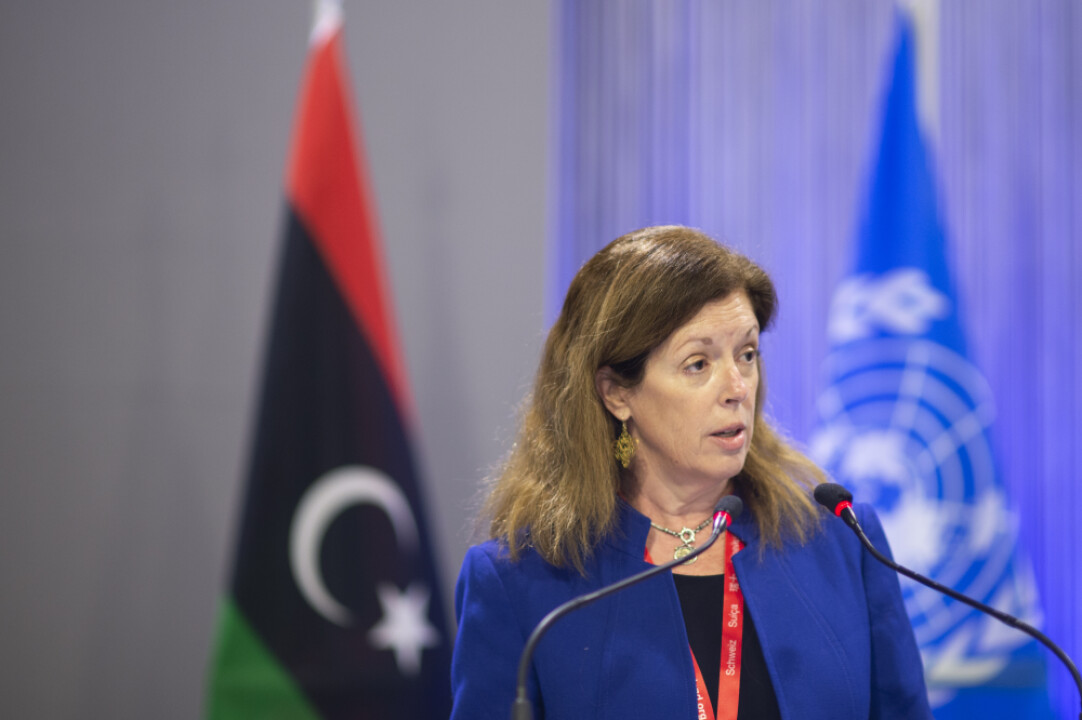
“Open competition is good for democracy”, says Acting Special Representative of the Secretary-General (ASRSG) for Libya and Head of the United Nations Support Mission in Libya (UNSMIL) Stephanie Williams at the opening of new intra-Libyan talks
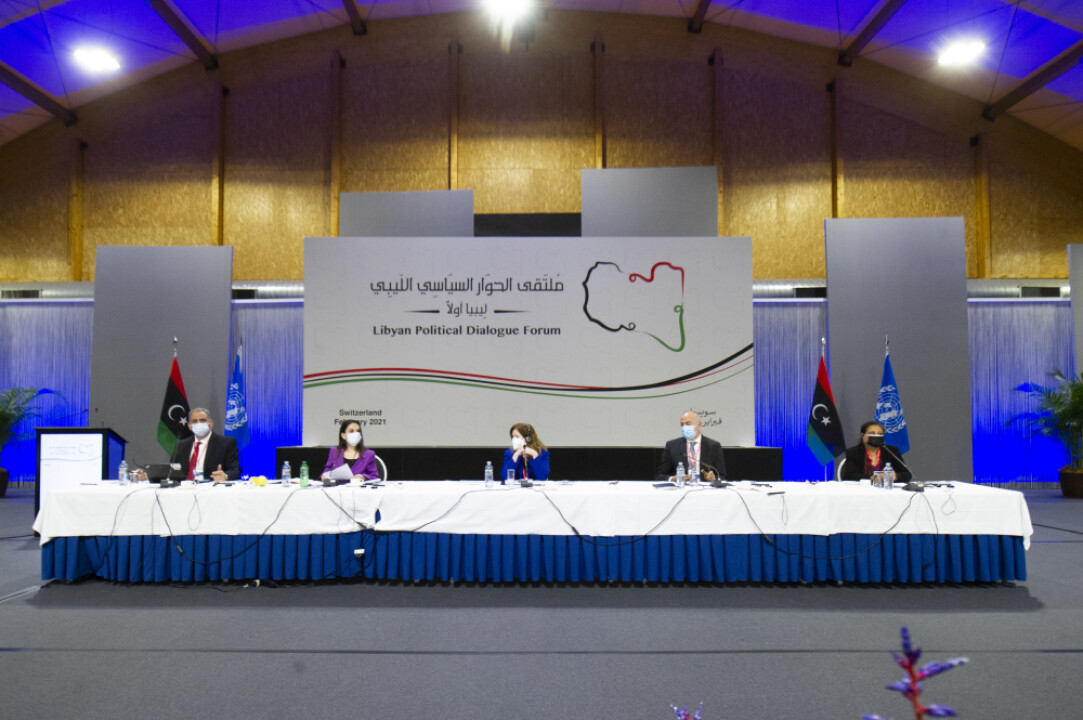
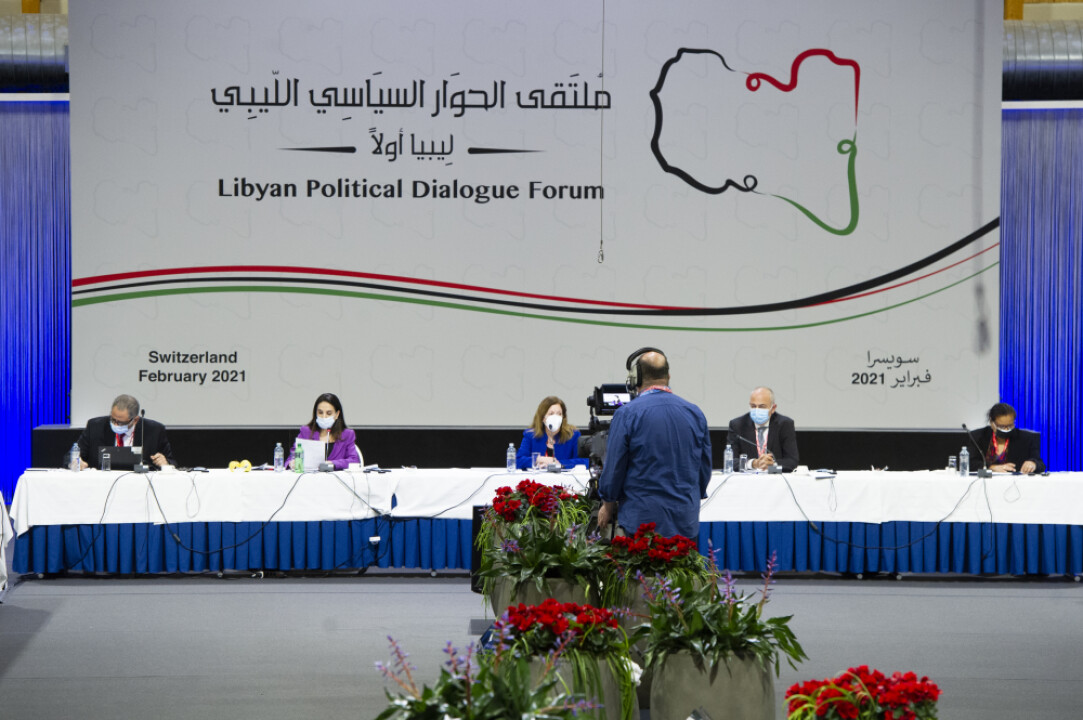
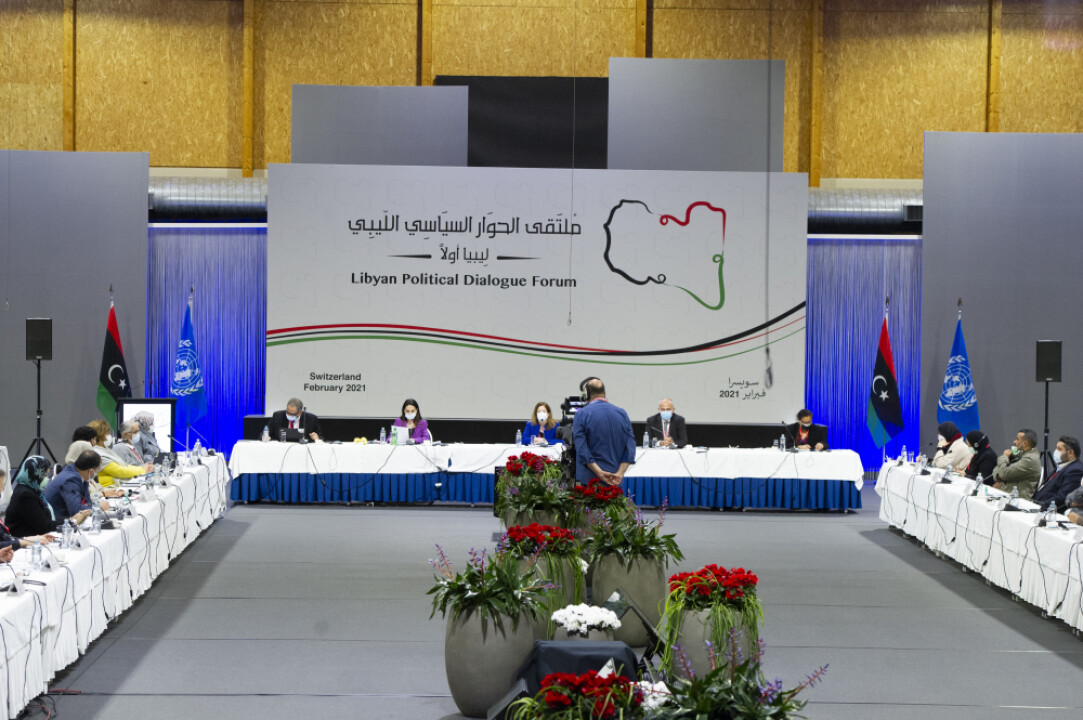
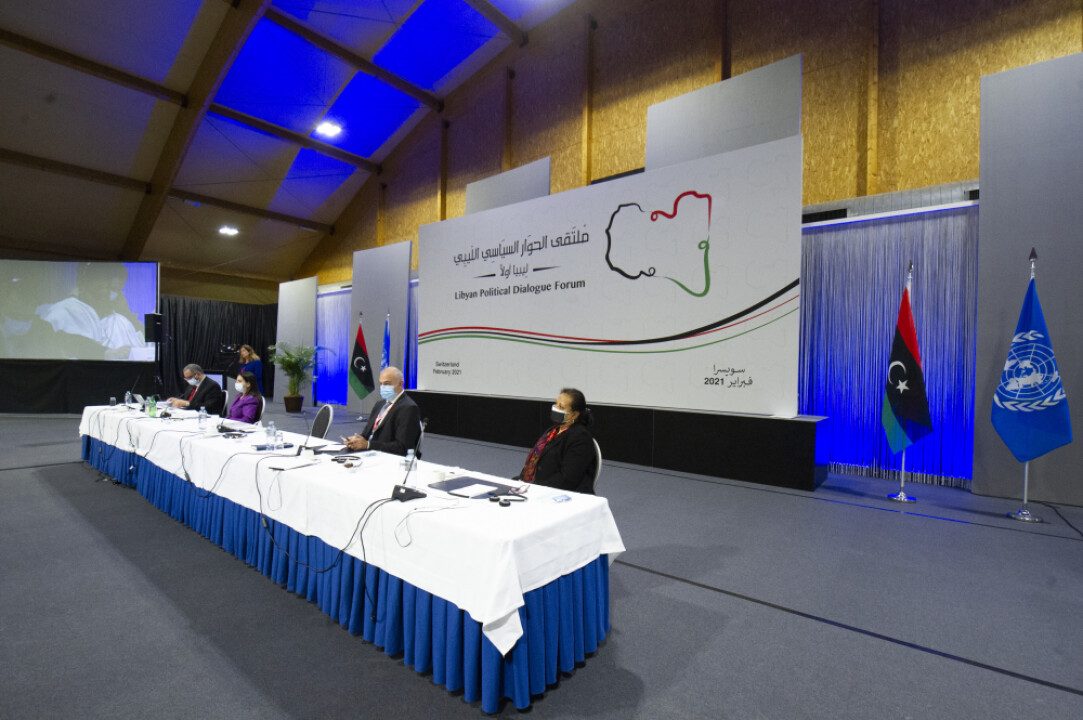
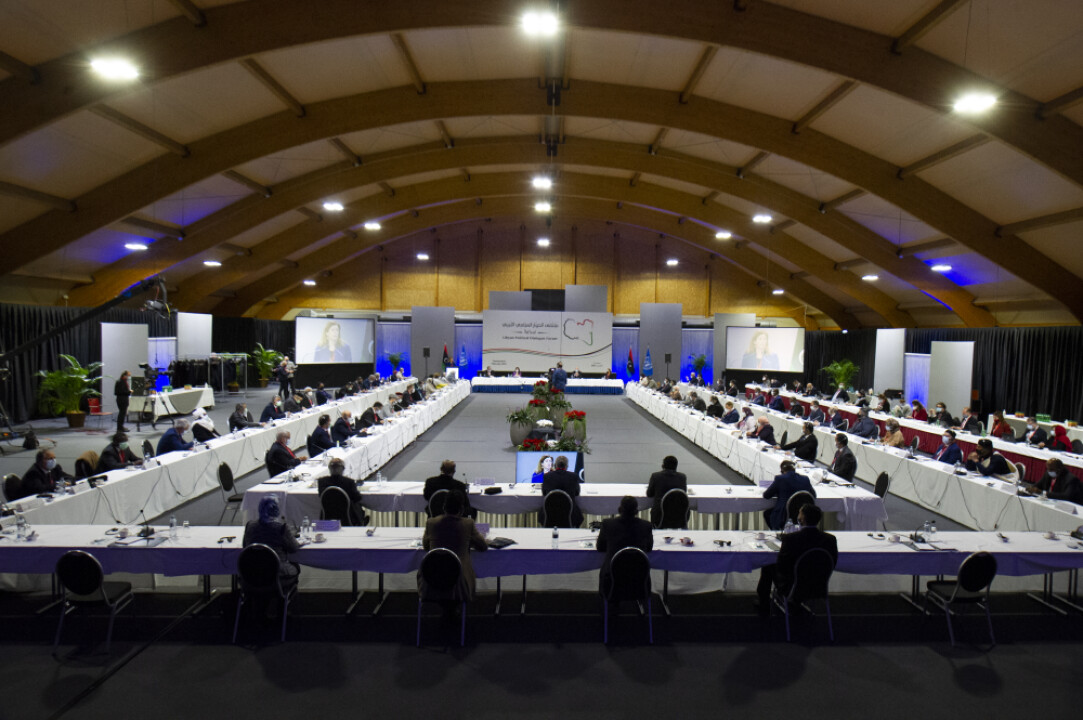
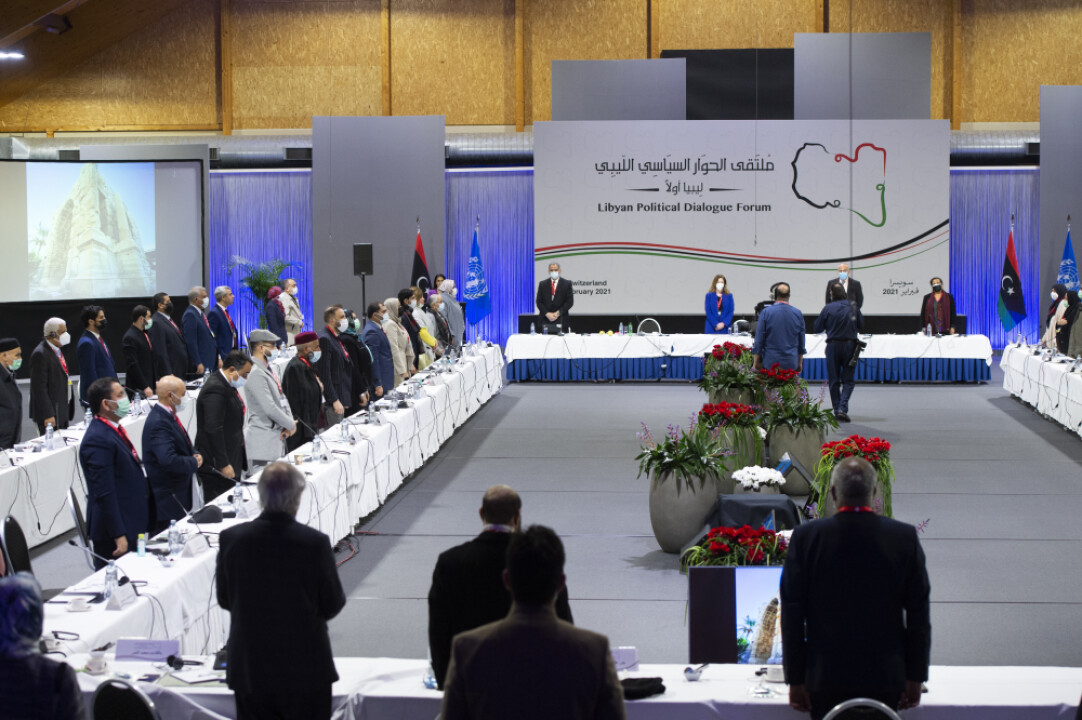
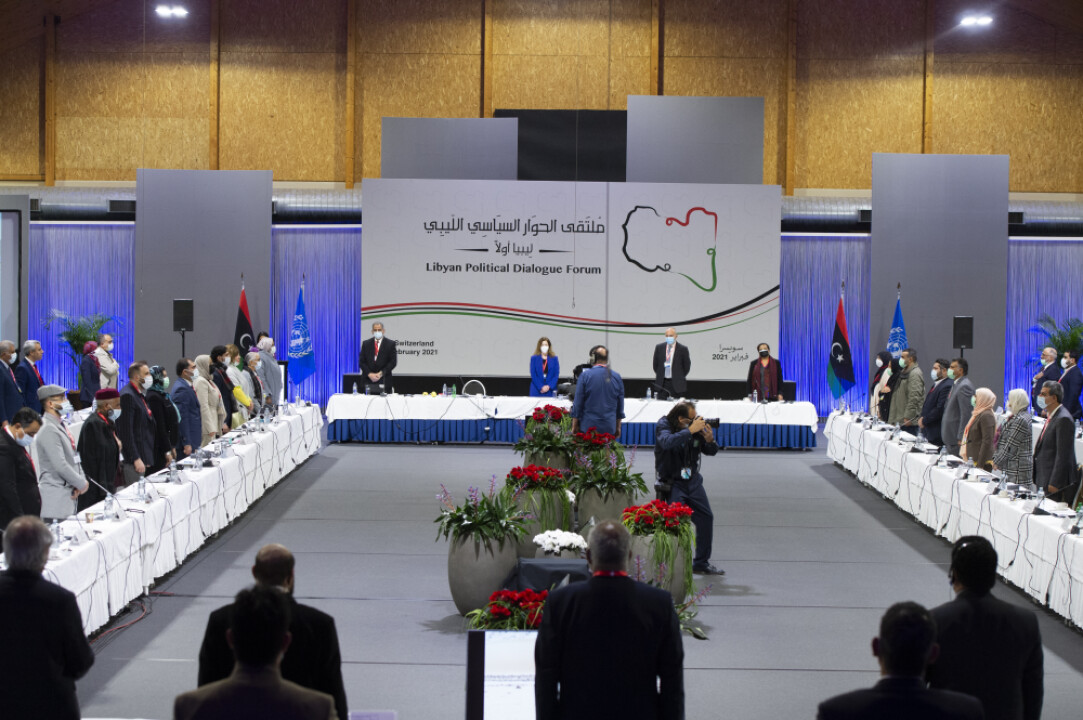
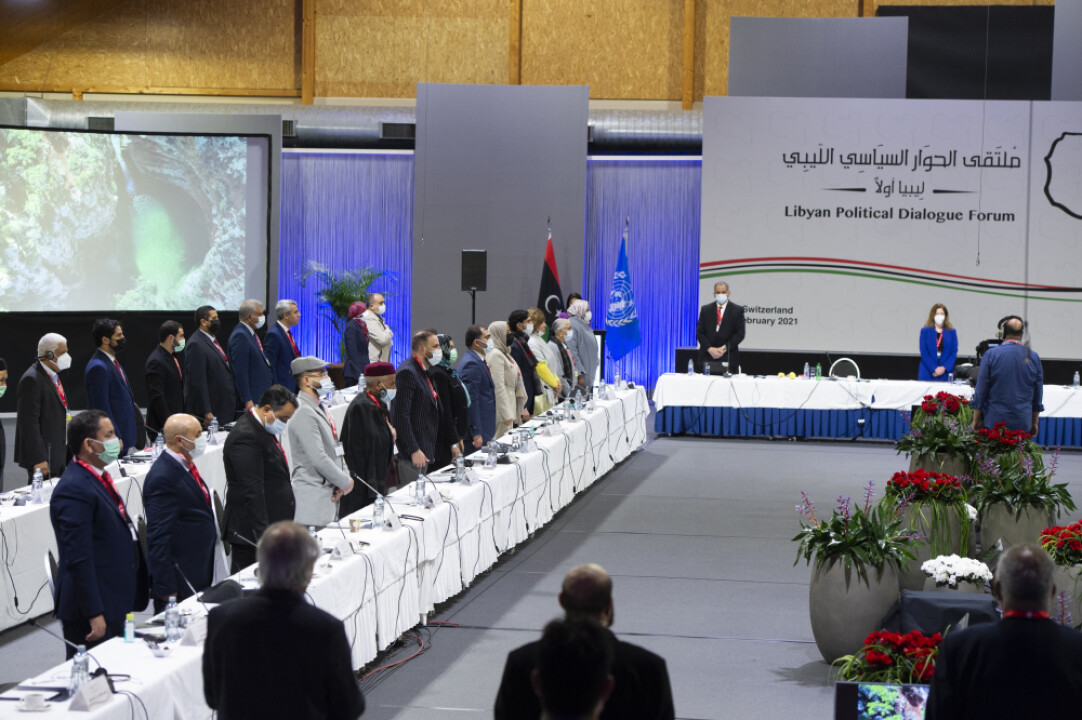
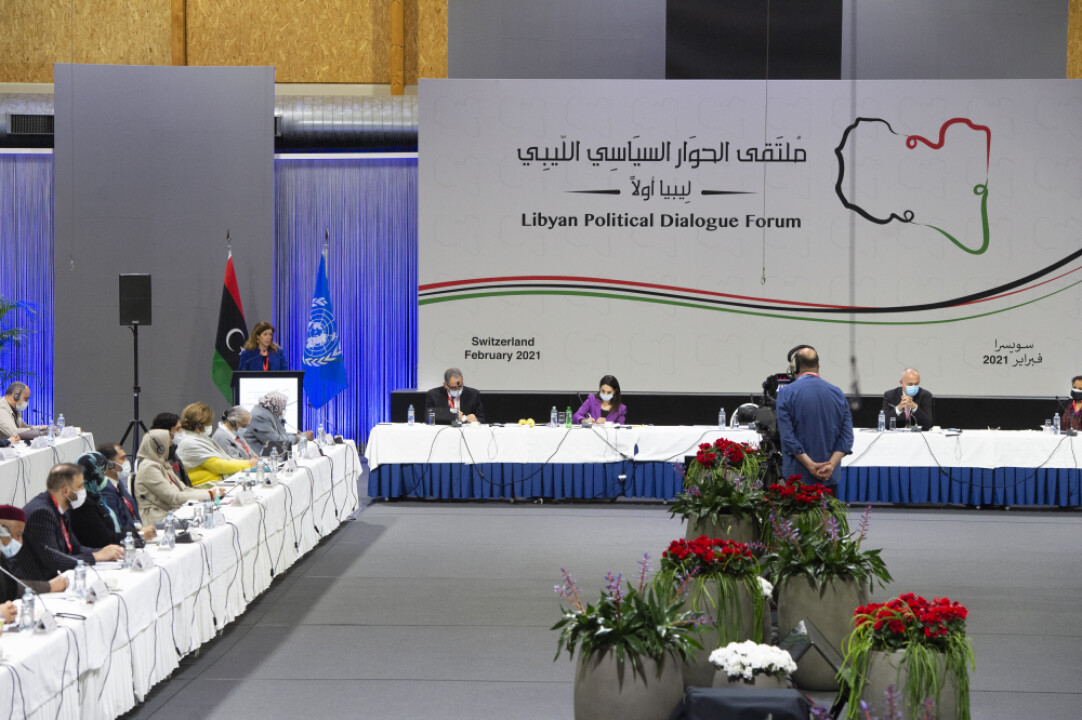
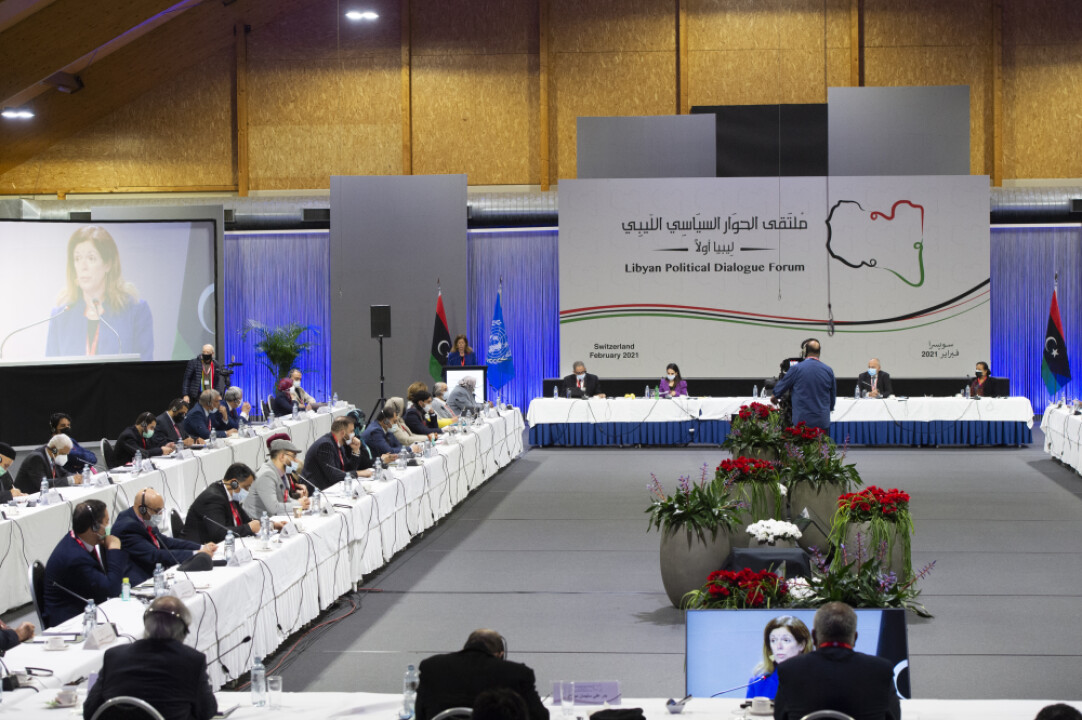
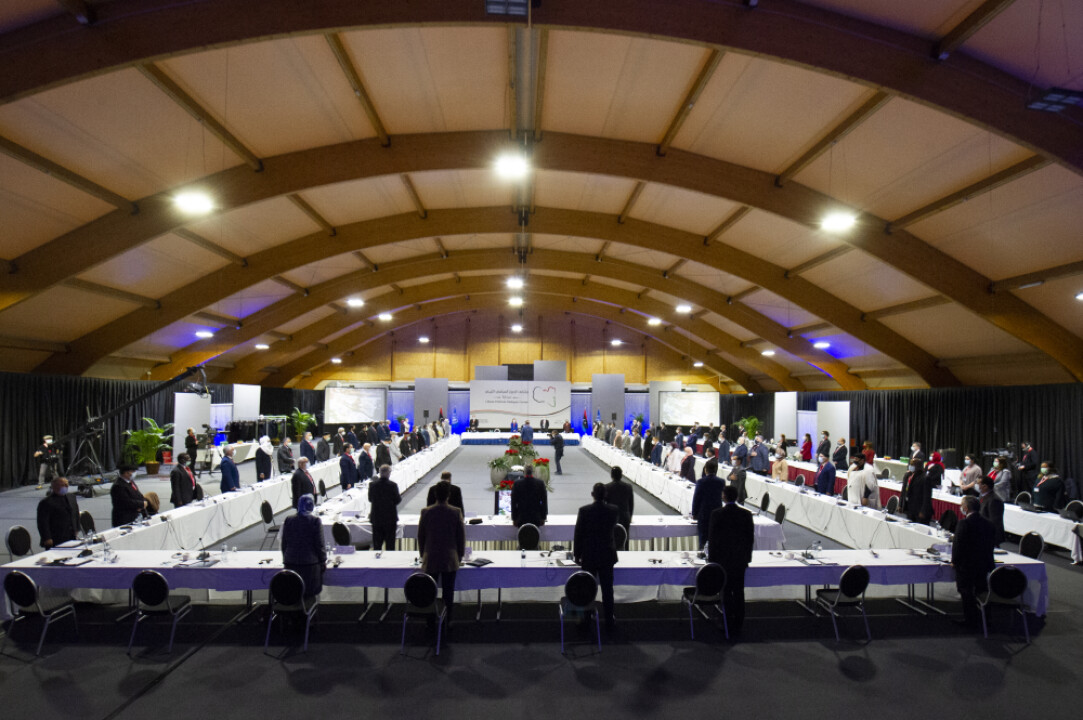
Libyan representatives from opposing factions began a five-day meeting in Switzerland today to select an interim Prime Minister and a Presidency Council, in a crucial bid unite their troubled country under a single government ahead of elections on 24 December, this year.
“While the selection of the interim unified executive is not an election in the traditional sense, open competition is good for democracy. This is the kind of competition that can only take place when the guns are silent. Indeed, a year ago, this would not have been possible”, said Stephanie Williams, the United Nations Acting Special Representative, in her opening remarks today.
Following adoption on 19 January by the LPDF of the mechanism to select this temporary executive authority, UNSMIL – the United Nations Support Mission in Libya - announced the opening of a one-week period for the submission of candidacies, which closed on 28 January at midnight.
“The Libyan people are behind you, they support you, they want you to succeed. They need you to succeed. Don’t let them down,” Ms. Williams urged the delegates.
During the meeting, participants in the LPDF will vote on the positions of a three-member Presidency Council and the Prime Minister, in accordance with the roadmap adopted by the Forum in Tunis in mid-November. This new interim, unified executive authority will be primarily tasked with leading Libya to national elections, set for 24 December 2021, and to reunify state institutions.
“Today you will listen to the presentations of the candidates for the Presidency Council, who will address your questions as well as the questions from the Libyan public that we collected through a dynamic digital dialogue session I held last night with over 1,000 of your fellow citizens, most of them young Libyans”, said Ms. Williams.
“This project is not about power sharing or dividing the cake”, Ms. Williams said. “Rather, it is to form a temporary government composed of patriots who agree to shoulder and share the responsibility to put Libyan sovereignty and the security, prosperity and welfare of the Libyan people above narrow interests and far from the specter of foreign interference”.
---------
Opening Remarks of Acting SRSG, Stephanie Williams,
Libyan Political Dialogue Forum
Switzerland, 1 February 2021
Ladies and Gentlemen, members of the Libyan Political Dialogue Forum
Good morning, Sabah Al-Kheir wa Assalam alaykum,
It is a great pleasure to be able to meet with all of you again in person. Please join me in expressing our deepest appreciation to the Government of Switzerland for the extraordinary effort in making this meeting possible in the midst of a global pandemic, and for their generous hospitality.
I also want to commend your courage. Despite the very real risks the COVID-19 pandemic poses, you have again and again demonstrated admirable determination in coming together in the service of your country. Your fellow Libyans will recognize the sacrifices you have made for the sake of Libya (min ajl Libya).
With the adoption of the Roadmap in Tunis you have made important progress to respond to the aspirations and the demands of the Libyan people for a sovereign and unified Libya and for the restoration of democracy, for a true commitment to national reconciliation in word and in deed, for the return of all of those who have been displaced and in exile, for the renewal of the legitimacy of your institutions, and for the need to provide basic services to your people.
First and foremost, you have put an indelible mark on the calendar for the holding of national elections on December 24th of this year. This decision was greeted with the overwhelming approval by your compatriots and it is a commitment which must be honored at all costs.
Reaching this far and achieving this progress in the political dialogue has been an arduous journey fraught with challenges, many of which you have managed to overcome with your wisdom and remarkable persistence.
After the closing of the one-week period on 28 January for the submission of nominations for the positions of the Presidency Council and Prime Minister, and following the verification process, UNSMILpublished the list of candidates on Saturday. I want to commend the members of the three-person verification committee for their efforts.
I am encouraged by the high number of nominations that you put forward, and I welcome the diversity represented by the pool of candidates who are drawn from all political and social components of the Libyan society. It is a positive sign that this process -- your process -- has inspired a high degree of buy-in and enthusiasm. While the selection of the interim unified executive is not an election in the traditional sense, open competition is good for democracy. This is the kind of competition that can only take place when the guns are silent.
Indeed, a year ago, this would not have been possible.
The Libyan people are behind you, they support you, they want you to succeed. They need you to succeed. Don’t let them down.
To respect our commitment to transparency, today you will listen to the presentations of the candidates for the Presidency Council, who will address your questions as well as the questions from the Libyan public we collected through a dynamic digital dialogue session I held last night with over 1,000 of your fellow citizens, most of them young Libyans. Our goal is to keep these sessions as interactive as possible so we will also broadcast these presentations live to the Libyan public. This will be an open and transparent selection process that all Libyans are going to witness, day by day and minute by minute.
This is your opportunity to ask some hard questions of these candidates. For instance:
Will they honor the commitment to hold national elections on December 24 of this year? Will they put the interests of the people first and foremost, especially those who have been displaced for these many long years?
Will they honor the separation of powers, the prerogatives for the Presidency Council and the government upon which you have agreed? Will they commit to civilian control of the military and to end blatant foreign interference in Libya’s internal affairs?
Will they work together to unify the country’s institutions, to at long last bring to an end the debilitating institutional divisions?
Will they work to fund and empower the municipal councils to ensure the smooth provision of services at the local level? Will they ensure that the health authorities are provided the necessary resources to tackle the ongoing COVID 19 epidemic?
Will they commit themselves to govern well and transparently, to uphold human rights, respect the rule of law and to combat corruption? Will they respect the principles of diversity and inclusivity especially as regards the appointment of women and youth in senior executive positions?
These are just some of the questions that should be posed to these candidates.
This week, after months of work, you have an opportunity to select a temporary unified executive authority, with a mandate defined by the Roadmap adopted in Tunis and with the primary task to take Libya towards the sacred goal of national elections on 24 December.
This project is not about power sharing or dividing the cake. Rather, it is to form a temporary government composed of patriots who agree to shoulder and share the responsibility to put Libyan sovereignty and the security, prosperity and welfare of the Libyan people above narrow interests and far from the specter of foreign interference.
We have a lot of work ahead of us in the next few days. I will ask you to work hard and to work together as you have done so well since our meeting in Tunis. Indeed, I ask you to uphold the same spirit of cooperation, fraternity, integrity and love of nation that you have shown throughout this process.
You should be proud that you and your colleagues in the other Libyan tracks have built a purely Libyan process with full Libyan ownership (Al mulkiya Al-Libiya). Indeed, the story that you have been writing is a uniquely Libyan story.
It is our privilege as the United Nations to accompany you and support you on this journey and my pledge to you is that UNSMIL will put all its energy into ensuring that the International Community respects and validates the decisions you are about to make.
Thank you.
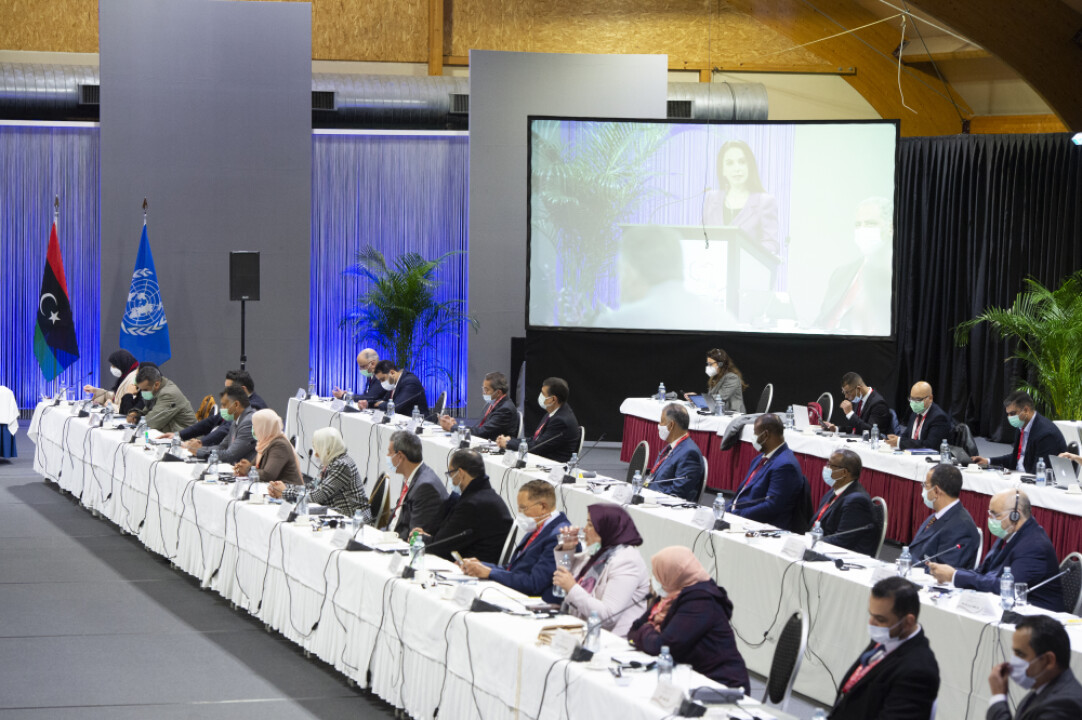
- B-roll of arrivals of participants and Ms. Stephanie Williams, United Nations Acting Special Representative of the Secretary-General, meeting room with participants
- Continuity for "Meeting Libyan Political Dialogue Forum in Geneva": Continuity - CH1 (L): Floor - CH2 (R): Interpretation
- Continuity - English
- Continuty - Arabic
- Edited story (arrivals of participants, shots of meeting room and four soundbites of Stephanie Williams, United Nations Acting Special Representative of the Secretary-General, meeting room with participants (Shotlist and storyline to come)
- Edited story - English
- Edited story - Arabic
SHOTLIST OF THE EDITED STORY
- Exterior wide shot, conference tent close by Geneva, Switzerland
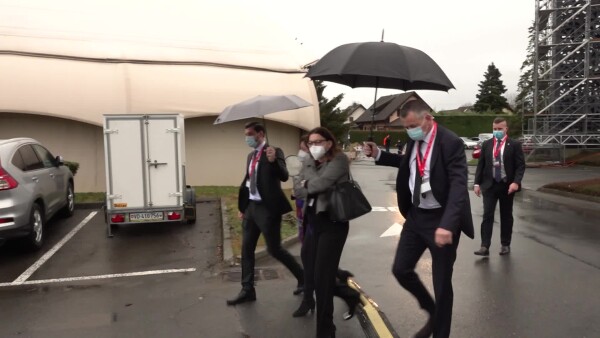
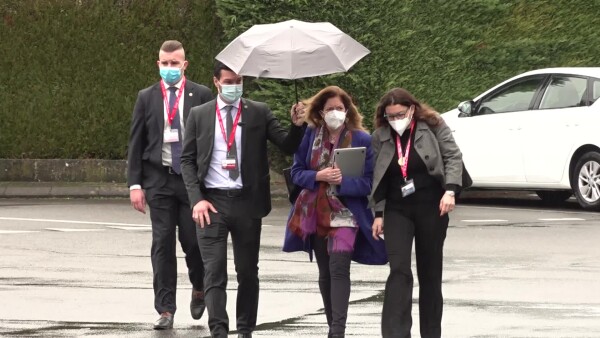
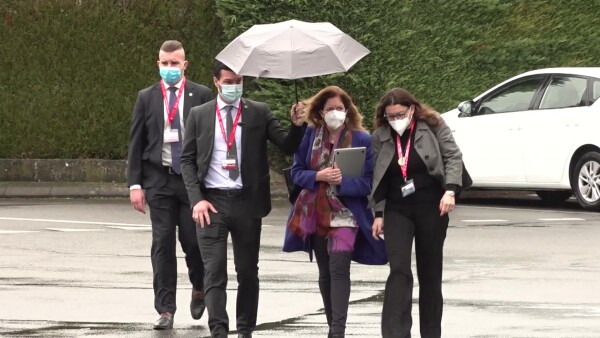
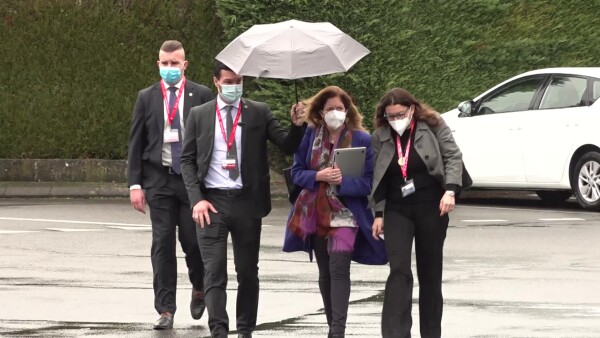
- Arrival of Stephanie Williams, United Nations Acting Special Representative of the Secretary-General with team
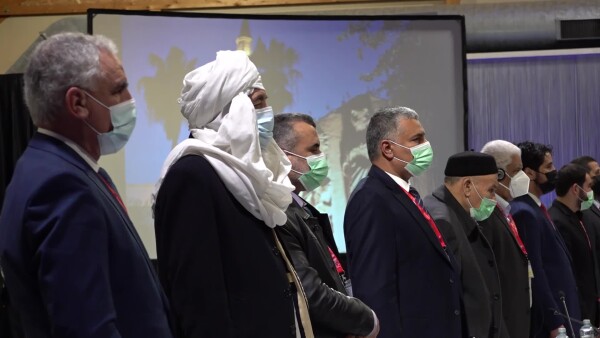
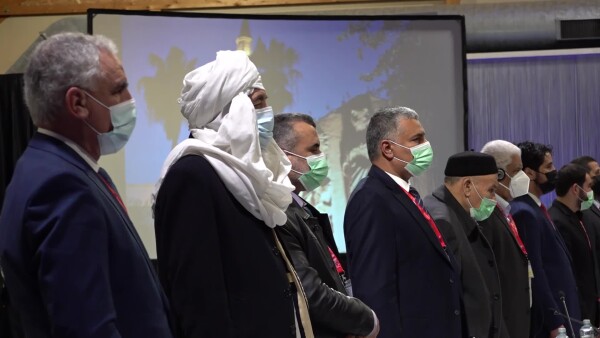
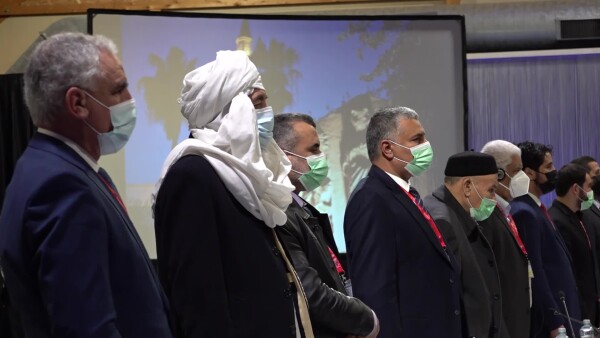
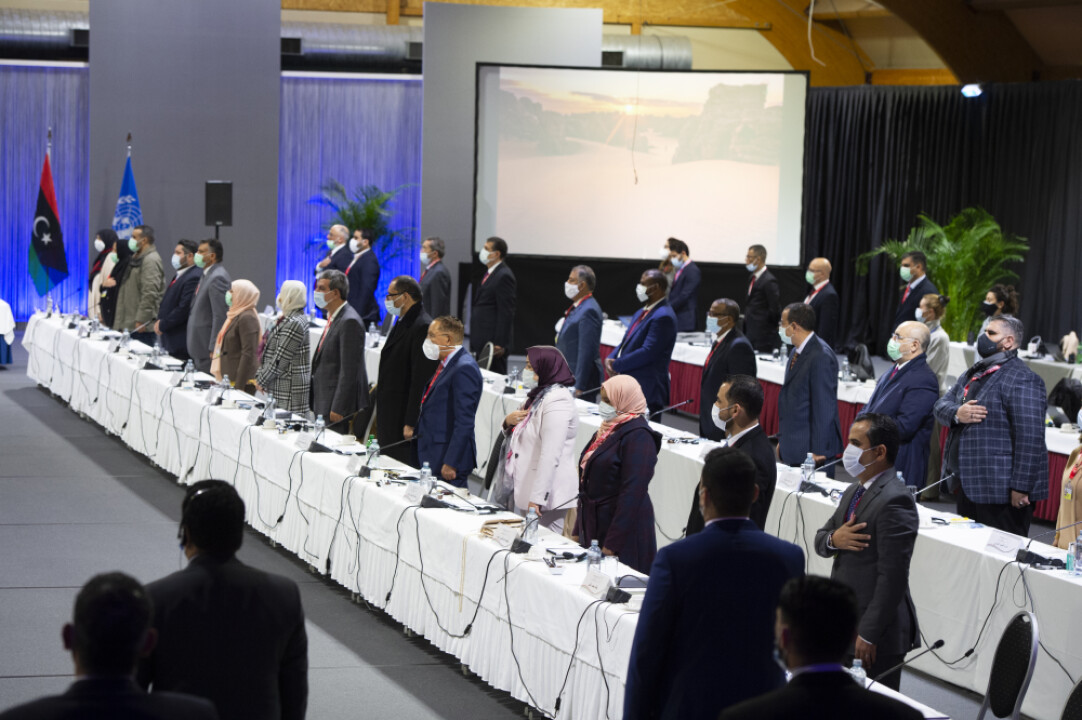
- Various shots, Libyan National anthem
- SOUNDBITE (English) — (off camera) Stephanie Williams, United Nations Acting Special Representative of the Secretary-General: “While the selection of the interim unified executive is not an election in the traditional sense, open competition is good for democracy. This is the kind of competition that can only take place when the guns are silent. Indeed, a year ago, this would not have been possible”.
- Medium shot, Stephanie Williams
- Wide shot, Stephanie Williams talking to participant’s
- Close up, Stephanie Williams talking to participants
- SOUNDBITE (English) — (off camera) Stephanie Williams, United Nations Acting Special Representative of the Secretary-General: “The Libyan people are behind you, they support you, they want you to succeed. They need you to succeed. Don’t let them down”.
- Close up, Stephanie Williams
- Medium shot, Stephanie Williams with participant
- Close up, Stephanie Williams
- SOUNDBITE (English) — (off camera) Stephanie Williams, United Nations Acting Special Representative of the Secretary-General: “Today you will listen to the presentations of the candidates for the Presidency Council, who will address your questions as well as the questions from the Libyan public that we collected through a dynamic digital dialogue session I held last night with over 1,000 of your fellow citizens, most of them young Libyans”.
- Various shots, Stephanie Williams, United Nations Acting Special Representative of the Secretary-General with participants
- SOUNDBITE (English) - (off camera) Stephanie Williams, United Nations Acting Special Representative of the Secretary-General: “This project is not about power sharing or dividing the cake. Rather, it is to form a temporary government composed of patriots who agree to shoulder and share the responsibility to put Libyan sovereignty and the security, prosperity and welfare of the Libyan people above narrow interests and far from the specter of foreign interference”.
Similar Stories

1
1
1
Edited News | UNICEF , IFRC
Six weeks after Nepal’s deadly flooding disaster, communities are still struggling to rebuild their lives, but they will need sustained help as global warming increases the risk of another Himalayan catastrophe, the UN Children’s Fund (UNICEF) said on Friday.
1
1
1
Statements , Press Conferences | OHCHR

1
1
1
Edited News | WHO
In suspected Russia plague death, testing and monitoring underway – WHO
The death of a lab worker in Russia’s Siberia region has sparked concerns about plague being the cause, the UN World Health Organization (WHO) said on Tuesday, adding that it was following the situation closely.

1
1
Edited News | OHCHR , UNOG
UN Human Rights Chief Volker Türk on Friday provided and oral update to the 63rd session of the Human rights Council on Ukraine.
2
1
2
Statements , Conferences | HRC , OHCHR
Interactive dialogue with the High Commissioner for Human Rights, Volker Türk on the oral update on Ukraine.

1
1
1
Edited News | OHCHR , UNOG
UN Human Rights Chief Volker Türk on Friday provided and oral update to the 63rd session of the Human rights Council on the human rights situation in Haiti.

1
1
1
Edited News | WHO
Repeated delays in bringing lifesaving medicines, prosthetics and more from Israel into Gaza risk having devastating consequences on Palestinians who urgently need them in the wartorn enclave, the UN World Health Organization (WHO) said on Friday. “A truck full of non-priority supplies or the right supplies arriving too late, doesn't save lives. That's the question that actually matters," said Dr Reinhilde Van De Weerdt, WHO Representative in the OPT.

1
1
1
Edited News | WHO
DRC: Early access to care and oxygen decisive for Ebola patients’ survival – WHO
In the Democratic Republic of the Congo (DRC), health workers fighting the country’s largest-ever Ebola outbreak are struggling to overcome critical challenges to patient care, the UN World Health Organization (WHO) warned on Tuesday.

1
1
1
Edited News | OCHA , UN
Civilians in Iran are continuing to feel the consequences of months of conflict and military escalation, the UN’s top official in the country has said, as loss of life, damage to civilian infrastructure and mounting economic pressures leave many facing continued uncertainty.
1
1
1
Edited News | WHO , UNICEF
Aid agencies in Yemen highlighted the growing hunger emergency sparked by renewed fighting between Houthi opposition forces and Government troops, after mobile health clinics reported that hundreds of children displaced by the violence are suffering from the most deadly form of malnutrition.
1
1
1
Edited News | UNHCR
Displacement on the rise in Yemen as fighting continues - UNHCR
As hostilities worsen in Yemen, more people have been fleeing their homes, further intensifying the humanitarian crisis within the region, the UN Refugee Agency (UNHCR) warned on Tuesday.
1
1
1
Statements , Conferences | HRC , OHCHR
Interactive dialogue on the oral update of the Independent International Commission of Inquiry on Ukraine at the 63rd regular session of the Human Rights Council