

The United Nations Office at Geneva
Multimedia Newsroom
Edited News | OHCHR
Statement by UN Human Rights Chief Volker Türk to the UN Human Rights Council’s Urgent debate on the Minab school strike in Iran
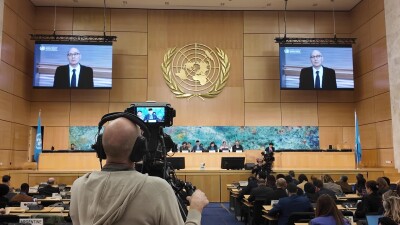
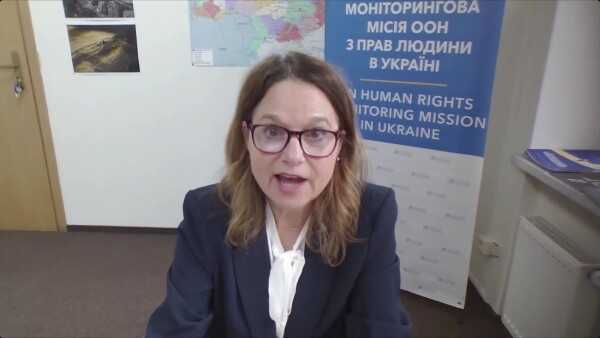
UN Human Rights Chief Volker Türk addressed the Human Rights Council, delivering a video statement on the strike that hit a girls school in Minab, Iran recently, calling for accountability and protection of children.
“The bombing of Shajareh Tayyebeh Elementary School in Minab evoked a visceral horror.
The images of bombed-out classrooms and grieving parents showed clearly who pays the highest price for war: civilians with no power in the decisions that led to conflict. In this case, a reported 168 pupils, teachers, school staff, and their loved ones.” the UN High Commissioner for Human Rights said.
“Whatever differences countries have, we can all agree they will not be solved by killing schoolchildren,” he told the UN Human Rights Council, at the beginning of an urgent debate on the protection of children and educational institutions in international armed conflicts.
“That is why we have the laws of war: to protect children and other civilians caught up in conflict, as well as schools and all civilian infrastructure. In the case of this school, the onus is on those who carried out the attack to investigate it promptly, impartially, transparently and thoroughly, to determine the facts and lay the basis for accountability.
Senior US officials have said the strike is under investigation. The High Commissioner called for that process to be concluded as soon as possible, and for its findings to be made public.”
“There must be justice for the terrible harm done. It is gravely concerning that around the world, attacks on schools are increasing. In 2024, such attacks surged by a shocking 44 percent, leaving 52 million children out of the classroom,” Türk said. “I call on all countries to take urgent steps to protect educational facilities, and those who study and work in them.”
The High Commissioner stated that resort to the use of force, at a time when negotiations were ongoing, is a strategic failure that has had a devastating impact on civilians. “Bombs and missiles are not the path towards sustainable peace. They bring death, destruction and misery, in many cases only deepening grievances and fuelling future violence.”
“In Iran, as the conflict has progressed, US and Israeli attacks have increasingly struck densely populated residential areas and destroyed civilian infrastructure,” he added.
Across all 31 provinces of the country, homes, medical facilities, schools, courts, transport networks, and energy installations have been hit. According to the Iranian authorities, more than 1,900 civilians have been killed and tens of thousands injured.
“The targeting of nuclear facilities is reckless beyond comprehension. These attacks raise serious concerns over compliance with international humanitarian and human rights law, under which the protection of civilians must remain central,” said the High Commissioner.
“The people of Iran are caught between conflict and repression. I am gravely concerned by reports that since the start of the hostilities, the Iranian authorities have intensified their crackdown on civic space,” Türk added.
Iranian authorities have repeatedly said that dissent will be treated as collaboration with the enemy and punished harshly for acts including filming damaged sites or communicating about the conflict. The authorities have intensified arrests, judicial cases, and bans against people and media outlets accused of promoting so-called enemy narratives.
“We have reason to believe hundreds of people have been arrested, while journalists, activists, and public figures have been placed under surveillance. The internet has been shut down for nearly a month. War does not reduce the responsibility of the Iranian authorities to abide by their human rights obligations,” the High Commissioner said.
“The military escalation in the Middle East and the Gulf is reaching dangerous levels. It must end,” he said.
The High Commissioner warned against a rising risk of further contagion and increased civilian suffering in the countries directly involved. Beyond the region, there are fears of grave economic consequences, from deepening poverty and hunger to shortages of medicine and fuel.
“I call on the United States and Israel to end their attacks against Iran. I call on Iran to stop attacking its neighbours and to respect and protect the human rights of its own people,” he said.
The High Commissioner urged restraint on all sides and implore the parties to conflict to return to negotiations – the only path towards a durable solution to their differences.
ENDS
For more information and media requests, please contact
In Geneva:
Ravina Shamdasani: +41 22 917 9169 / ravina.shamdasani@un.org
Marta Hurtado: +41 22 917 9466 / marta.hurtadogomez@un.org
Thameen Al-Kheetan: +41 22 917 4232 / thameen.alkheetan@un.org
Tag and share - X: @UNHumanRights and Facebook: unitednationshumanrights
STORY: Statement by UN Human Rights Chief Volker Türk to the UN Human Rights Council’s Urgentdebate on the Minab school strike in Iran
TRT: 04:02
SOURCE: OHCHR
RESTRICTIONS: NONE
LANGUAGE: English/NATS
ASPECT RATIO: 16:9
DATELINE: 27 March 2026 Geneva, Switzerland (HC recorded statement 26 March 2026 from Washington DC USA)
SHOTLIST
- Exterior shots: Palais des Nations
- Interior shots: Assembly hall
- SOUNDBITE (English) — Volker Türk, UN High Commissioner for Human Rights: “The bombing of Shajareh Tayyebeh Elementary School in Minab evoked a visceral horror. The images of bombed-out classrooms and grieving parents showed clearly who pays the highest price for war: civilians with no power in the decisions that led to conflict. In this case, a reported 168 pupils, teachers, school staff, and their loved ones.”
- Cutaway: Assembly hall
- SOUNDBITE (English) — Volker Türk, UN High Commissioner for Human Rights: “Whatever differences countries have, we can all agree they will not be solved by killing schoolchildren.”
- Cutaway: Assembly hall
- SOUNDBITE (English) — Volker Türk, UN High Commissioner for Human Rights: “That is why we have the laws of war: to protect children and other civilians caught up in conflict, as well as schools and all civilian infrastructure. In the case of this school, the onus is on those who carried out the attack to investigate it promptly, impartially, transparently and thoroughly, to determine the facts and lay the basis for accountability. Senior US officials have said the strike is under investigation. I call for that process to be concluded as soon as possible, and for its findings to be made public. There must be justice for the terrible harm done.”
- Cutaway: Assembly hall
- SOUNDBITE (English) — Volker Türk, UN High Commissioner for Human Rights: “It is gravely concerning that around the world, attacks on schools are increasing. In 2024, such attacks surged by a shocking 44 percent, leaving 52 million children out of the classroom. I call on all countries to take urgent steps to protect educational facilities, and those who study and work in them.”
- Cutaway: Assembly hall
- SOUNDBITE (English) — Volker Türk, UN High Commissioner for Human Rights: “In Iran, as the conflict has progressed, US and Israeli attacks have increasingly struck densely populated residential areas and destroyed civilian infrastructure.”
- Cutaway: Assembly hall
- SOUNDBITE (English) — Volker Türk, UN High Commissioner for Human Rights: “The targeting of nuclear facilities is reckless beyond comprehension. These attacks raise serious concerns over compliance with international humanitarian and human rights law, under which the protection of civilians must remain central.”
- Cutaway: Assembly hall
- SOUNDBITE (English) — Volker Türk, UN High Commissioner for Human Rights: “The people of Iran are caught between conflict and repression. I am gravely concerned by reports that since the start of the hostilities, the Iranian authorities have intensified their crackdown on civic space.”
- Cutaway: Assembly hall
- SOUNDBITE (English) — Volker Türk, UN High Commissioner for Human Rights: “We have reason to believe hundreds of people have been arrested, while journalists, activists, and public figures have been placed under surveillance. The internet has been shut down for nearly a month. War does not reduce the responsibility of the Iranian authorities to abide by their human rights obligations.”
- Cut away: Assembly hall
- SOUNDBITE (English) — Volker Türk, UN High Commissioner for Human Rights: “The military escalation in the Middle East and the Gulf is reaching dangerous levels. It must end.”
- Cut away: Assembly hall
- SOUNDBITE (English) — Volker Türk, UN High Commissioner for Human Rights: “I call on the United States and Israel to end their attacks against Iran. I call on Iran to stop attacking its neighbours, and to respect and protect the human rights of its own people.”
Similar Stories

1
1
1
Edited News | UNICEF
A little over one year since a ceasefire agreement was announced between Hamas fighters and Israel, more than 340 children have been reported killed and hundreds more injured, the UN Children’s Fund, UNICEF, said on Friday.

1
1
1
Edited News | UNICEF , IFRC
Six weeks after Nepal’s deadly flooding disaster, communities are still struggling to rebuild their lives, but they will need sustained help as global warming increases the risk of another Himalayan catastrophe, the UN Children’s Fund (UNICEF) said on Friday.

1
1
1
Edited News | WHO
In suspected Russia plague death, testing and monitoring underway – WHO
The death of a lab worker in Russia’s Siberia region has sparked concerns about plague being the cause, the UN World Health Organization (WHO) said on Tuesday, adding that it was following the situation closely.

1
1
Edited News | OHCHR , UNOG
UN Human Rights Chief Volker Türk on Friday provided and oral update to the 63rd session of the Human rights Council on Ukraine.

1
1
1
Edited News | OHCHR , UNOG
UN Human Rights Chief Volker Türk on Friday provided and oral update to the 63rd session of the Human rights Council on the human rights situation in Haiti.

1
1
1
Edited News | WHO
Repeated delays in bringing lifesaving medicines, prosthetics and more from Israel into Gaza risk having devastating consequences on Palestinians who urgently need them in the wartorn enclave, the UN World Health Organization (WHO) said on Friday. “A truck full of non-priority supplies or the right supplies arriving too late, doesn't save lives. That's the question that actually matters," said Dr Reinhilde Van De Weerdt, WHO Representative in the OPT.

1
1
1
Edited News | WHO
DRC: Early access to care and oxygen decisive for Ebola patients’ survival – WHO
In the Democratic Republic of the Congo (DRC), health workers fighting the country’s largest-ever Ebola outbreak are struggling to overcome critical challenges to patient care, the UN World Health Organization (WHO) warned on Tuesday.

1
1
1
Edited News | OCHA , UN
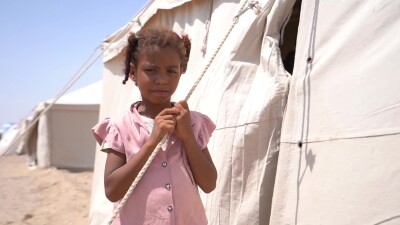
Civilians in Iran are continuing to feel the consequences of months of conflict and military escalation, the UN’s top official in the country has said, as loss of life, damage to civilian infrastructure and mounting economic pressures leave many facing continued uncertainty.
1
1
1
Edited News | WHO , UNICEF
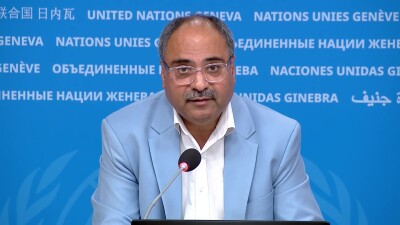
Aid agencies in Yemen highlighted the growing hunger emergency sparked by renewed fighting between Houthi opposition forces and Government troops, after mobile health clinics reported that hundreds of children displaced by the violence are suffering from the most deadly form of malnutrition.
1
1
1
Edited News | UNHCR
Displacement on the rise in Yemen as fighting continues - UNHCR
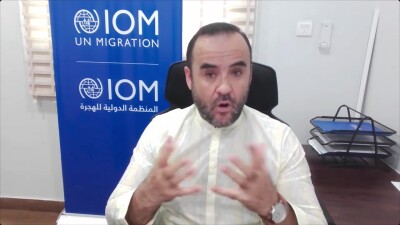
As hostilities worsen in Yemen, more people have been fleeing their homes, further intensifying the humanitarian crisis within the region, the UN Refugee Agency (UNHCR) warned on Tuesday.
1
1
1
Edited News | IOM , OHCHR , UNFPA , UNOG , UNHCR , WHO
Yemen’s humanitarian crisis growing by the hour amid spike in displacement
Yemenis displaced by renewed fighting have described fleeing for their lives amid shelling and gunfire, aid agencies reported on Friday, while highlighting the dramatic increase in humanitarian needs in the country and in Djibouti, where thousands have sought shelter.
1
1
1
Edited News | OHCHR , UNOG
The UN Human Rights Office issued on Friday a report documenting a shocking pattern of sexual violence amid Russia’s full-scale armed attack on Ukraine.