

The United Nations Office at Geneva
Multimedia Newsroom
“Many have been either directly forced to return by States where they have been residing, and others have felt compelled to do so because of threats, harassment and intimidation,” she told the biweekly press briefing in Geneva.
“The UN High Commissioner for Human Rights Volker Türk calls for an immediate halt to the forcible return of all Afghan refugees and asylum-seekers, particularly those at risk of persecution, arbitrary detention, or torture upon their return. Countries in the region must ensure that returns to Afghanistan are voluntary, safe, dignified, and consistent with international law,” Shamdasani stressed.
In just over seven months, over 1.9 million Afghans have returned from Iran and Pakistan to Afghanistan. From Iran alone, over 1.5 million have arrived since the start of the year. Of these, 938,000 or 60 per cent were deported – including 500,000 since 13 June.
More than 300,000 Afghans have been returned from Pakistan since 1 January this year, on top of the many hundreds of thousands more who have returned since the Taliban takeover and the Government’s adoption in 2023 of an “Illegal Foreigners Repatriation Plan”. In Tajikistan too, a group of Afghan nationals, including refugees and asylum-seekers, were reportedly summoned in Vahdat on 8 July by security officials and informed that all Afghan nationals must leave the country within 15 days.
Many Afghans have also been forced to leave or issued ultimatums from several other countries. A number of countries are also considering reversing their asylum policies granting protection for Afghan refugees.
“Sending people back to a country in which they are at risk of persecution, torture, cruel, inhuman or degrading treatment or punishment or other irreparable harm, violates the core international law principle of non-refoulement. People also have a right to make such a claim and have it fairly considered by State authorities before any action to forcibly expel an individual. Deportations in violation of these basic rules must stop immediately,” Shamdasani said.
“At the same time, given the particularly severe situation on the ground – especially for women and girls - we call on all States to increase the availability of legal pathways for Afghans to find a safe place to live,” the spokesperson highlighted.
There is an acute humanitarian and human rights crisis in Afghanistan. The first priority must be to ensure people’s immediate needs, including food, water, shelter and healthcare, are met. They also face structural and systemic discrimination, gender persecution, issues related to ethnicity, obstacles to full reintegration into society, and a dearth of work and livelihoods as a result of a struggling economy.
Women and girls, who are systematically deprived of their rights in Afghanistan, are particularly at risk upon their return. The UN Human Rights Office has spoken out strongly against the extreme institutional discrimination and undue restrictions imposed on women and girls, the cumulative effect of which has been to almost erase women and girls from public life and prevent them from accessing basic services.
Others among those deported are journalists, and former civil servants or employees of the previous Afghan government who are particularly vulnerable to reprisals and torture by the de facto authorities upon their return.
“We implore States to do everything in their power to help those who have already endured decades of warfare, poverty and hardship, as well as extreme discrimination and threats. We must not turn our backs on them now,” Shamdasani concluded.
For more information and media requests, please contact:
In Geneva
Ravina Shamdasani - + 41 22 917 9169 / ravina.shamdasani@un.org or
Jeremy Laurence - +41 22 917 9383 / jeremy.laurence@un.org or
Tag and share
Facebook unitednationshumanrights
Instagram @unitednationshumanrights
STORY: UN Human Rights spokesperson Ravina Shamdasani on returns of Afghans
TRT: 02:10
SOURCE: OHCHR / UNOG
RESTRICTIONS: NONE
LANGUAGE: English/NATS
ASPECT RATIO: 16:9
DATELINE: 18 July 2025 GENEVA, SWITZERLAND
SHOTLIST
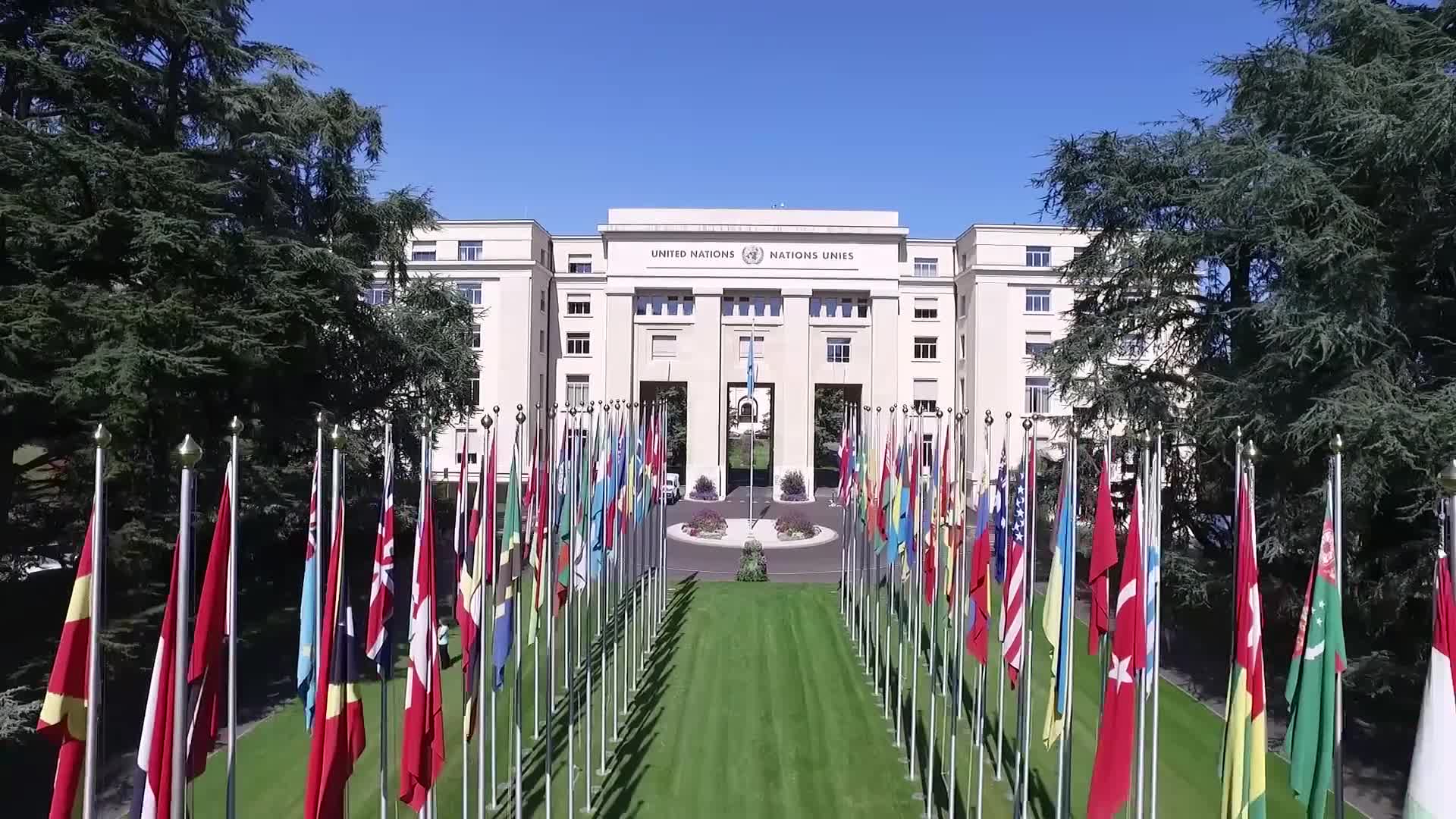
- Exterior shot : Palais des Nations
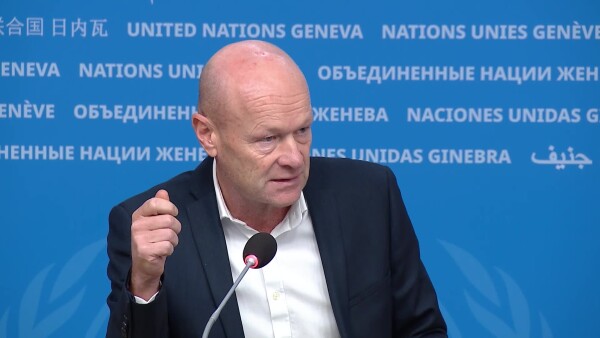
- Interior shot: Briefing room
- SOUNDBITE (English)—Ravina Shamdasani, Spokesperson for the Office of the UN High Commissioner for Human Rights (OHCHR): “The surge in the number of Afghans forced or compelled to return to Afghanistan this year is creating a multi-layered human rights crisis requiring the urgent attention of the international community.”
- Cutaway: Briefing room
- SOUNDBITE (English)—Ravina Shamdasani, Spokesperson for the Office of the UN High Commissioner for Human Rights (OHCHR): “Many have been either directly forced to return by States where they have been residing, and others have felt compelled to do so because of threats, harassment and intimidation.”
- Cutaway: Briefing room
- SOUNDBITE (English)—Ravina Shamdasani, Spokesperson for the Office of the UN High Commissioner for Human Rights (OHCHR): “The UN High Commissioner for Human Rights Volker Türk calls for an immediate halt to the forcible return of all Afghan refugees and asylum-seekers, particularly those at risk of persecution, arbitrary detention, or torture upon their return. Countries in the region must ensure that returns to Afghanistan are voluntary, safe, dignified, and consistent with international law.”
- Cutaway: Briefing room
- SOUNDBITE (English)—Ravina Shamdasani, Spokesperson for the Office of the UN High Commissioner for Human Rights (OHCHR): “Sending people back to a country in which they are at risk of persecution, torture, cruel, inhuman or degrading treatment or punishment or other irreparable harm, violates the core international law principle of non-refoulement. People also have a right to make such a claim and have it fairly considered by State authorities before any action to forcibly expel an individual. Deportations in violation of these basic rules must stop immediately.”
- Cutaways: Briefing room
- SOUNDBITE (English)—Ravina Shamdasani, Spokesperson for the Office of the UN High Commissioner for Human Rights (OHCHR): “At the same time, given the particularly severe situation on the ground – especially for women and girls - we call on all States to increase the availability of legal pathways for Afghans to find a safe place to live.”
- Cutaway: Briefing room
- SOUNDBITE (English)—Ravina Shamdasani, Spokesperson for the Office of the UN High Commissioner for Human Rights (OHCHR): “We implore States to do everything in their power to help those who have already endured decades of warfare, poverty and hardship, as well as extreme discrimination and threats. We must not turn our backs on them now.”
Similar Stories
1
1
1
Edited News | OCHA , UNICEF , WFP
Aid agencies warned on Friday of the fast-developing humanitarian emergency inside Taiz City in Yemen, which has been encircled by de facto Houthi forces fighting government troops along the country’s west coast.

2
17
1
2
Edited News , Press Conferences , Images | OCHA , WMO
Two UN agencies teamed up on Wednesday to issue an appeal for immediate assistance to help communities already being impacted by the strongest El Niño on record.

3
16
2
2
Edited News , B-roll , Conferences , Images | UNITED NATIONS , UNOG
Sixth Consultative Meeting on Enhancing Coordination of Peace Initiatives and Efforts for Sudan

1
1
1
Edited News | UNICEF , WHO , UNHCR
Yemen war continues to force families from homes amid hunger and disease
More than 250,000 people have now fled renewed fighting in Yemen, the UN said on Tuesday, citing particular concern for those sheltering in the southwestern city of Taiz and the wider governorate, where access is “essentially blocked”.

1
1
1
Edited News | UNICEF
A little over one year since a ceasefire agreement was announced between Hamas fighters and Israel, more than 340 children have been reported killed and hundreds more injured, the UN Children’s Fund, UNICEF, said on Friday.

1
1
1
Edited News | UNICEF , IFRC
Six weeks after Nepal’s deadly flooding disaster, communities are still struggling to rebuild their lives, but they will need sustained help as global warming increases the risk of another Himalayan catastrophe, the UN Children’s Fund (UNICEF) said on Friday.

1
1
1
Edited News | WHO
In suspected Russia plague death, testing and monitoring underway – WHO
The death of a lab worker in Russia’s Siberia region has sparked concerns about plague being the cause, the UN World Health Organization (WHO) said on Tuesday, adding that it was following the situation closely.

1
1
Edited News | OHCHR , UNOG
UN Human Rights Chief Volker Türk on Friday provided and oral update to the 63rd session of the Human rights Council on Ukraine.

1
1
1
Edited News | OHCHR , UNOG
UN Human Rights Chief Volker Türk on Friday provided and oral update to the 63rd session of the Human rights Council on the human rights situation in Haiti.

1
1
1
Edited News | WHO
Repeated delays in bringing lifesaving medicines, prosthetics and more from Israel into Gaza risk having devastating consequences on Palestinians who urgently need them in the wartorn enclave, the UN World Health Organization (WHO) said on Friday. “A truck full of non-priority supplies or the right supplies arriving too late, doesn't save lives. That's the question that actually matters," said Dr Reinhilde Van De Weerdt, WHO Representative in the OPT.

1
1
1
Edited News | WHO
DRC: Early access to care and oxygen decisive for Ebola patients’ survival – WHO
In the Democratic Republic of the Congo (DRC), health workers fighting the country’s largest-ever Ebola outbreak are struggling to overcome critical challenges to patient care, the UN World Health Organization (WHO) warned on Tuesday.

1
1
1
Edited News | OCHA , UN
Civilians in Iran are continuing to feel the consequences of months of conflict and military escalation, the UN’s top official in the country has said, as loss of life, damage to civilian infrastructure and mounting economic pressures leave many facing continued uncertainty.