

The United Nations Office at Geneva
Multimedia Newsroom
STORYLINE
UN Trade and Development (UNCTAD) today released its “Trade and Development Report 2024: Rethinking Development in the Age of Discontent”.
At a moment of low growth, high debt, weak investment and trade, and economic volatility, UNCTAD calls for a new approach to development thinking
The report highlights that despite opportunities for developing countries due to growth in South-South trade and demand created by minerals driving the green transition, developing countries face mounting challenges in navigating a sluggish global economy.
Multilateral action and revised international financial architecture are essential for addressing these challenges and supporting sustainable, inclusive growth.
UNCTAD's report underscores the emergence of a "low normal" in global economic growth, with rates projected to remain at just 2.7% for 2024 and 2025, down from an annual average of 3.0% between 2001 and 2019. This is a stark contrast to the 4.4% average growth seen in the years leading up to the global financial crisis.
For developing economies, this slowdown is more acute. While they grew at an impressive 6.6% during 2003-2013, their average growth has since fallen to just 4.1% between 2014 and 2024. Excluding China, the picture is even bleaker: growth in the Global South has averaged only 2.8% over the last decade.
At the same time, developing countries have seen their debt burdens swell by 70% between 2010 and 2023, putting many at risk of austerity measures that could undermine progress toward inclusive development.
Production date: 29 October 2024
Creator: UNCTAD
Subject topical: ECONOMICS
Corporate name: UN TRADE AND DEVELOPMENT – UNCTAD
TRADE AND DEVELOPMENT REPORT 2024 – UNCTAD calls for a "rethink" of development strategies
UN Trade and Development (UNCTAD) launched today the 2024 Trade and Development Report calls for a fundamental rethink of development strategies amid a global slowdown and rising social discontent.
DESCRIPTION
STORY: UNCTAD / UN TRADE AND DEVELOPMENT REPORT
TRT: 02 :50
SOURCE: UNCTAD
RESTRICTIONS: NONE
LANGUAGE: ENGLISH / NATS
WEBSITE: https://unctad.org/tdr2024
DATELINE: 29 OCTOBER 2024, GENEVA, SWITZERLAND
SHOTLIST
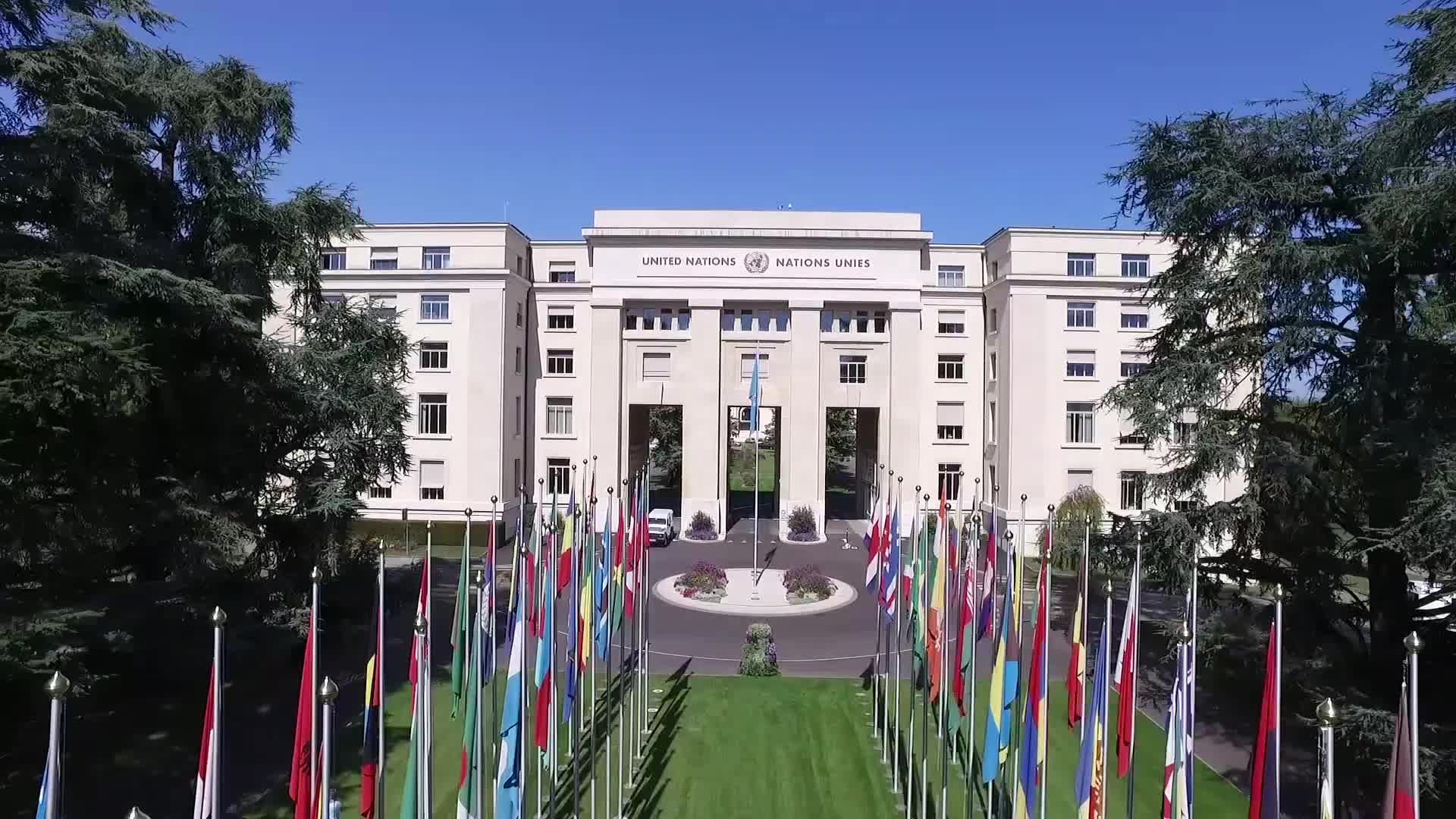
1. Wide shot, exterior, Palais de Nations
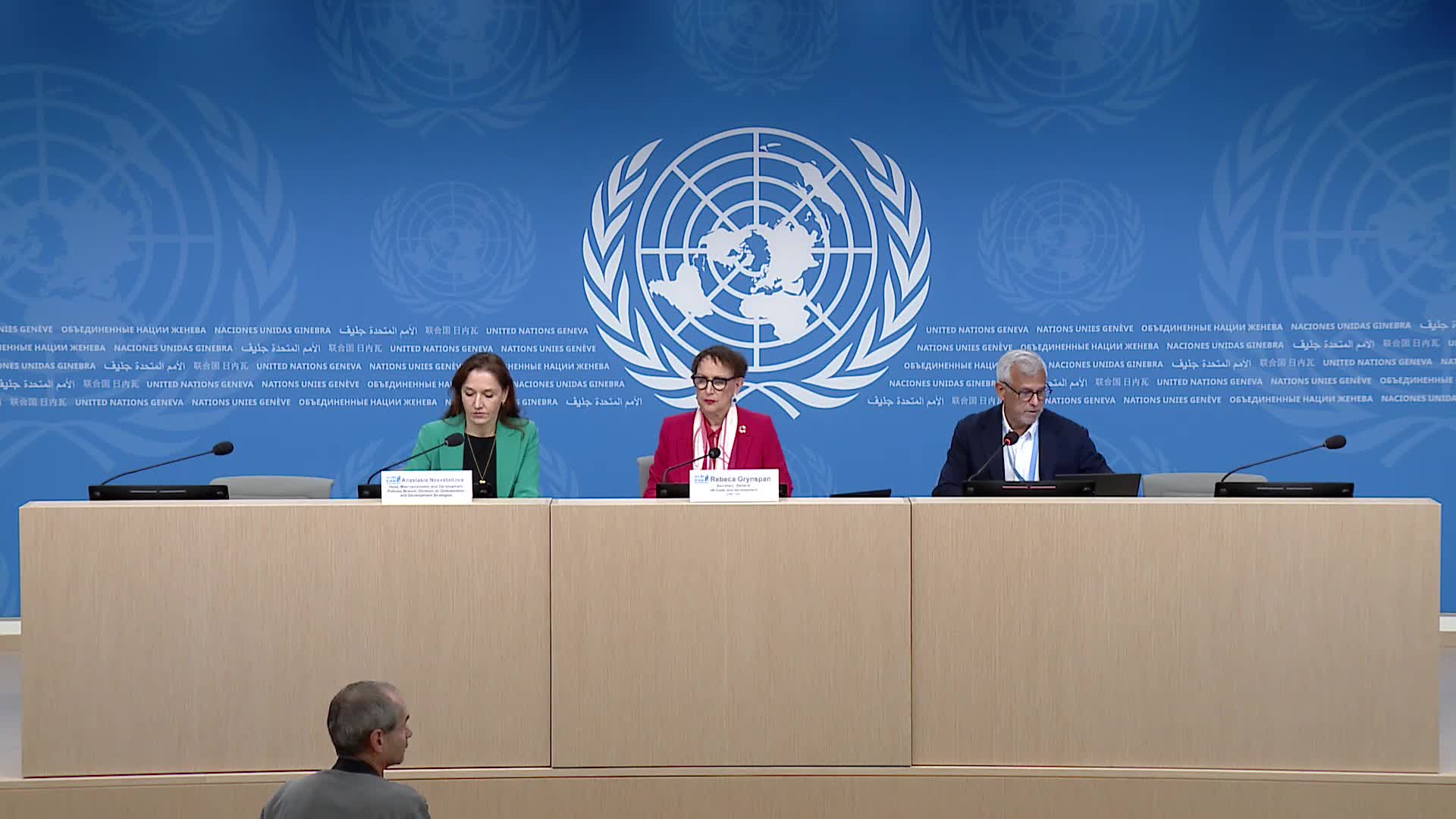
2. Med shot, press room
3. SOUNDBITE (English) Rebeca Grynspan, UN Trade and Development Secretary-General : « We are in a global economy where, although we celebrate the possibility of a soft landing, what we are saying is that we are landing on the wrong runway. We are landing in a framework of slow growth, high debt, weak investment, and the risk of fragmented trade, which is the basis for the widespread discontent we see affecting both developed and developing nations. »
4. Wide shot, speaker on screen, journalist, photographer
5. SOUNDBITE (English) Rebeca Grynspan, UN Trade and Development Secretary-General : « The report we share with you today calls for thinking about development policies with much more focus on the interlinkages between the global economy, global trade, and geopolitics. We call for reform of the international financial architecture through the revival of financial investment and trade dynamism for developing countries »
6. Wide shot, press room
7. SOUNDBITE (English) Rebeca Grynspan, UN Trade and Development Secretary-General: « Global growth is at a new low normal with developing nations facing the hardest and harshest impacts. The global economy is projected to grow at just 2.7% for 2024 and 2025. That is significantly lower from the rate that we had in the era pre-pandemic. »
8. Med shot, photographer
9. SOUNDBITE (English) Rebeca Grynspan, UN Trade and Development Secretary-General: « Debt in developing countries has surged by over 70% from 2010 to 2023.”
10. Med shot, control room
11. SOUNDBITE (English) Rebeca Grynspan, UN Trade and Development Secretary-General: « Rising debt has left many developing nations with very limited fiscal space, making structural reforms to boost productivity and resilience more difficult for their weakening their growth prospects. As we have said before, countries face impossible choices between servicing the debt and investment in development and economic transformation.”
12. Various shots, speaker, photographer, journalist
Speakers:
- Rebeca Grynspan, UN Trade and Development Secretary General
- Anastasia Nesvetailova, UNCTAD, Head, Macroeconomic and Development Policies Branch, Division on Globalization and Development Strategies
Similar Stories
1
1
1
Edited News | OCHA , UNICEF , WFP
Aid agencies warned on Friday of the fast-developing humanitarian emergency inside Taiz City in Yemen, which has been encircled by de facto Houthi forces fighting government troops along the country’s west coast.
1
1
1
Press Conferences | UN WOMEN , WFP , WHO
UN WOMEN: Sudan Women and girls one year after the fall of El Fasher; increasing drone attacks across the country; WFP: DRC - Ebola spreads to eighth DRC province as WFP delivers food, builds treatment centres and keeps supplies moving; WHO - Update on Ebola (Bundibugyo Virus Disease)
1
12
1
1
Press Conferences , Images | UNOG
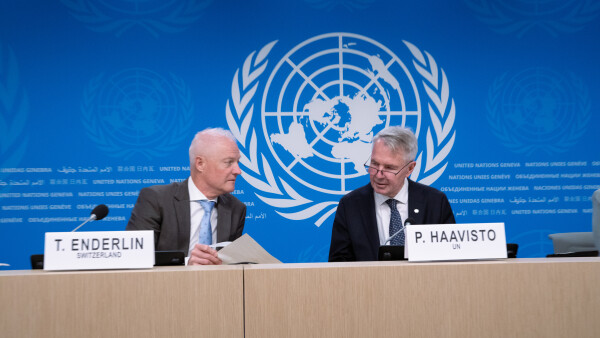
Closing Press Conference following the Sixth Consultative Meeting on Enhancing Coordination of Peace Initiatives and Efforts in Sudan

2
17
1
2
Edited News , Press Conferences , Images | OCHA , WMO
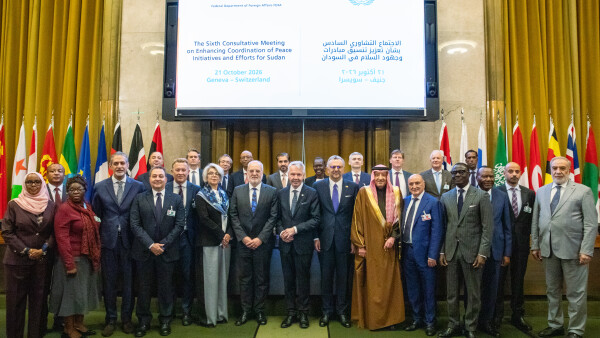
Two UN agencies teamed up on Wednesday to issue an appeal for immediate assistance to help communities already being impacted by the strongest El Niño on record.
3
16
2
2
Edited News , B-roll , Conferences , Images | UNITED NATIONS , UNOG
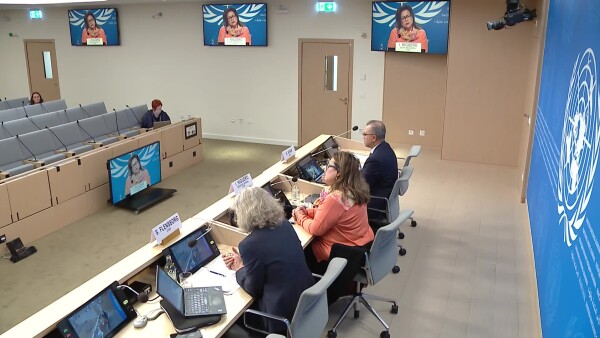
Sixth Consultative Meeting on Enhancing Coordination of Peace Initiatives and Efforts for Sudan
1
1
1
Press Conferences | CITES
Wildlife trade and conservation policy discussions at the 81st meeting of the CITES Standing Committee (SC81)

1
1
1
Edited News | UNICEF , WHO , UNHCR
Yemen war continues to force families from homes amid hunger and disease
More than 250,000 people have now fled renewed fighting in Yemen, the UN said on Tuesday, citing particular concern for those sheltering in the southwestern city of Taiz and the wider governorate, where access is “essentially blocked”.
1
1
1
Press Conferences | UNHCR , UNCTAD , WMO , OCHA , UNICEF , WHO
UNHCR Hungary’s 1956 Refugee Crisis: 70 Years On, UNCTAD World Investment Forum 2026, Doha, WMO Greenhouse Gas Bulletin and Climate Update for COP31, OCHA Afghanistan: Malnutrition, Girls’ Education and Recovery, UNICEF Yemen: Child Malnutrition and Unsafe Water in Taiz, WHO Inequalities in Noncommunicable Diseases and Risk Factors
1
1
1
Press Conferences | UNHCR
End of UNHCR's 77th Annual Executive Committee (ExCom) meeting week

1
1
1
Edited News | UNICEF
A little over one year since a ceasefire agreement was announced between Hamas fighters and Israel, more than 340 children have been reported killed and hundreds more injured, the UN Children’s Fund, UNICEF, said on Friday.
1
1
1
Press Conferences | UNICEF , IOM , UNHCR
UN Special Assistant to the Personal Envoy Office (SUDAN): Peace Initiatives and Efforts in Sudan; UNICEF: Dire situation of children in Gaza; IOM: Damaged Homes and Energy Attacks Risk Displacing Ukrainians for this winter; UNHCR: update on EXCOM week
1
1
1
Press Conferences | IOM , UNDRR
UN stresses importance of household preparedness for disaster risk reduction.