

The United Nations Office at Geneva
Multimedia Newsroom
Conflict-hit Nigerian families hit by COVID lockdowns on ‘life-support’: WFP
Help and funding are needed urgently for millions of people in Nigeria who have been hit severely by the effects of the COVID-19 pandemic, including conflict-hit communities “on life-support” in the north-east, UN humanitarians said on Tuesday.
More than $182 million is needed to sustain lifesaving aid to Africa’s most populous country over the next six months, the World Food Programme (WFP) said.
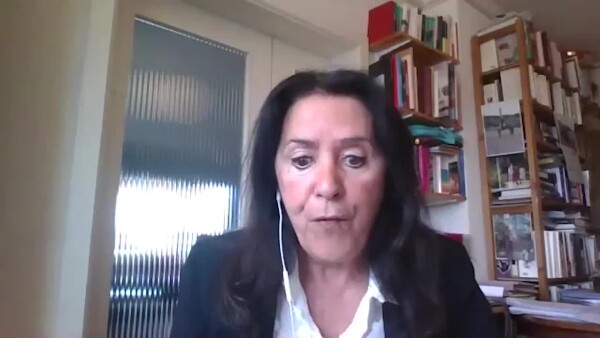
“We are concerned by conflict-affected communities in north-east Nigeria who already face extreme hunger and who are especially vulnerable. They are on life-support and need assistance to survive,” said Elisabeth Byrs, WFP senior spokesperson, in reference to Borno, Adamawa and Yobe.
The three states have been plagued by a decade-long insurgency that has spilled over into the Lake Chad region.
It remains among the most severe humanitarian crises in the world, according to the UN Office for the Coordination of Humanitarian Affairs (OCHA), with some 7.9 million mainly women and children in need of urgent assistance today.
“That’s why WFP is distributing now two months’ worth of food and nutrition assistance in IDP camps and among vulnerable communities to ensure that people have enough food while they are on full or partial lockdown,” Ms Byrs said, outlining plans to help a total of 1.8 million people there.
Needs are great nationally too, the UN agency has warned, linked to a steep drop in international oil prices - Nigeria’s major export commodity - since the outbreak of the virus.
To date, latest World Health Organization (WHO) data indicates that the country has seen more than 12,800 confirmed cases of new coronavirus and over 360 deaths linked to the respiratory disease.
More than 3.8 million people mainly working in the informal sector face losing their jobs amid rising hardship, Ms. Byrs said, and this could rise to 13 million if movement restrictions continue for a longer period.
“This would add to the almost 20 million (23 per cent of the labour force) already out of work,” the WFP spokesperson said.
“In a country where about 90 million people - 46 per cent of the population - live on less than $2 a day, this is a real concern,” Ms. Byrs continued. “The urban poor who depend on a daily wage to feed themselves and their families have been very hit by movement restrictions to contain the spread of the virus.”
Three million individuals among the most vulnerable will receive help, the WFP spokesperson explained, with additional support to Government social protection systems in the cities of Abuja, Kano and Lagos – places where the agency has not been present until now.
WFP’s involvement has included re-adjusting school meals programmes during school closures by providing take-home rations.
The initiative kicked off in the federal capital Abuja and the commercial capital Lagos in mid-May.
The programme – which is led by Nigeria’s Ministry of Humanitarian Affairs - aims to reach nine million children in three million homes across the country’s 36 states, where school closures have affected some 39 million youngsters.
The urban poor remain the focus of the scheme, including the floating slum community of Makoko, where tens of thousands of people live cheek on stilt houses in a village on the outskirts of Lagos.
“When the Government said nobody should go anywhere, I couldn’t go to the market,” said fish-seller and mother-of-four Marceline Wanu, who is 25. “But when I couldn’t go to the market, there was no money to feed my children sometimes and that is very painful. My children received food when they were going to school but when their schools closed, that became an extra burden. But since they gave use some food, it has helped us a bit.”
- Medium-wide shot: exterior, flag alley, Palais des Nations, United Nations Geneva, overcast, blustery.
- SOUNDBITE (EN) - Elisabeth Byrs, Senior Spokesperson for the World Food Programme (WFP): “We are concerned by conflict-affected communities in north-east Nigeria who already face extreme hunger and who are especially vulnerable. They are on life-support and need assistance to survive.”
- Medium-wide shot: UN Geneva flag alley.
- SOUNDBITE (FR) - Elisabeth Byrs, Senior Spokesperson for the World Food Programme (WFP): “WFP plans to scale up its assistance to reach three million people in Nigeria, including an expansion to support Government social protection systems in the cities of Abuja, Kano and Lagos.”
- Wide shot: UN Geneva Palais des Nations and UN flag.
- SOUNDBITE (EN) - Elisabeth Byrs, Senior Spokesperson for the World Food Programme (WFP): “That’s why WFP is distributing now two months’ worth of food and nutrition assistance in IDP camps and among vulnerable communities to ensure that people have enough food while they are on full or partial lockdown.”
- Medium shot: UN Geneva flag alley, elevated shot with Palais des Nations to rear.
- SOUNDBITE (EN) - Elisabeth Byrs, Senior Spokesperson for the World Food Programme (WFP): “WFP needs urgently $182 million over the next six months to provide crucial assistance to these people and including people who have affected by COVID-19.”
- Wide shot: view from UN Geneva looking across to ICRC headquarters, beyond UN flag blowing in the wind.
- SOUNDBITE (EN) - Elisabeth Byrs, Senior Spokesperson for the World Food Programme (WFP): “In a country where about 90 million people - 46 per cent of the population - live on less than $2 a day, this is a real concern. The urban poor who depend on a daily wage to feed themselves and their families have been very hit by movement restrictions to contain the spread of the virus.”
- Wide shot: UN Geneva entrance with Palais des Nations behind.
- Close-up: anti-war memorial and view of “broken chair” landmines memorial and UN Geneva flag alley, viewed from the Place des Nations, Geneva.
- Medium shot: “broken chair” landmines memorial and UN Geneva flag alley, viewed from the Place des Nations, Geneva.
Similar Stories
1
1
1
Edited News | OCHA , UNICEF , WFP
Aid agencies warned on Friday of the fast-developing humanitarian emergency inside Taiz City in Yemen, which has been encircled by de facto Houthi forces fighting government troops along the country’s west coast.

2
17
1
2
Edited News , Press Conferences , Images | OCHA , WMO
Two UN agencies teamed up on Wednesday to issue an appeal for immediate assistance to help communities already being impacted by the strongest El Niño on record.

3
16
2
2
Edited News , B-roll , Conferences , Images | UNITED NATIONS , UNOG
Sixth Consultative Meeting on Enhancing Coordination of Peace Initiatives and Efforts for Sudan

1
1
1
Edited News | UNICEF , WHO , UNHCR
Yemen war continues to force families from homes amid hunger and disease
More than 250,000 people have now fled renewed fighting in Yemen, the UN said on Tuesday, citing particular concern for those sheltering in the southwestern city of Taiz and the wider governorate, where access is “essentially blocked”.

1
1
1
Edited News | UNICEF
A little over one year since a ceasefire agreement was announced between Hamas fighters and Israel, more than 340 children have been reported killed and hundreds more injured, the UN Children’s Fund, UNICEF, said on Friday.

1
1
1
Edited News | UNICEF , IFRC
Six weeks after Nepal’s deadly flooding disaster, communities are still struggling to rebuild their lives, but they will need sustained help as global warming increases the risk of another Himalayan catastrophe, the UN Children’s Fund (UNICEF) said on Friday.

1
1
1
Edited News | WHO
In suspected Russia plague death, testing and monitoring underway – WHO
The death of a lab worker in Russia’s Siberia region has sparked concerns about plague being the cause, the UN World Health Organization (WHO) said on Tuesday, adding that it was following the situation closely.

1
1
Edited News | OHCHR , UNOG
UN Human Rights Chief Volker Türk on Friday provided and oral update to the 63rd session of the Human rights Council on Ukraine.

1
1
1
Edited News | OHCHR , UNOG
UN Human Rights Chief Volker Türk on Friday provided and oral update to the 63rd session of the Human rights Council on the human rights situation in Haiti.

1
1
1
Edited News | WHO
Repeated delays in bringing lifesaving medicines, prosthetics and more from Israel into Gaza risk having devastating consequences on Palestinians who urgently need them in the wartorn enclave, the UN World Health Organization (WHO) said on Friday. “A truck full of non-priority supplies or the right supplies arriving too late, doesn't save lives. That's the question that actually matters," said Dr Reinhilde Van De Weerdt, WHO Representative in the OPT.

1
1
1
Edited News | WHO
DRC: Early access to care and oxygen decisive for Ebola patients’ survival – WHO
In the Democratic Republic of the Congo (DRC), health workers fighting the country’s largest-ever Ebola outbreak are struggling to overcome critical challenges to patient care, the UN World Health Organization (WHO) warned on Tuesday.

1
1
1
Edited News | OCHA , UN
Civilians in Iran are continuing to feel the consequences of months of conflict and military escalation, the UN’s top official in the country has said, as loss of life, damage to civilian infrastructure and mounting economic pressures leave many facing continued uncertainty.