

The United Nations Office at Geneva
Multimedia Newsroom
Edited News | OHCHR , UNOG
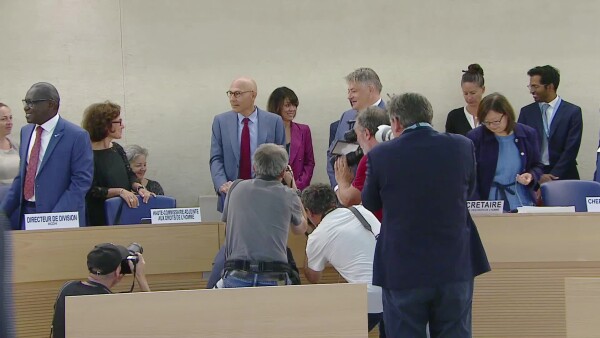
UN Human Rights Chief Volker Türk flagged climate change as a “spiralling human rights emergency for many countries”
“Last month, in Iraq, the cradle of so many civilisations, I witnessed a small piece of the environmental horror that is our global planetary crisis. In Basra – where 30 years ago date palms lined lush canals – drought, searing heat, extreme pollution and fast-depleting supplies of fresh water are creating barren landscapes of rubble and dust,” Türk told the opening session of the UN Human Rights Council in Geneva.
“Climate change is pushing millions of people into famine. It is destroying hopes, opportunities, homes and lives. In recent months, urgent warnings have become lethal realities again and again all around the world,” the High Commissioner said.
“We do not need more warnings. The dystopian future is already here. We need urgent action, now. And we know what to do. The real question is: what stops us,” said Türk.
The High Commissioner warned of the risks of the politics of deception, helped by new technologies, lies and disinformation that are mass-produced to sow chaos, to confuse, and ultimately to deny reality and ensure no action will be taken that could endanger the interests of entrenched elites. The most apparent case of this is climate change, he highlighted.
Sustainable Development Goal 16 – on Peace, Justice and Strong Institutions – encapsulates our way out and forward from the turbulence that we are experiencing, the High Commissioner noted.
“Its emphasis on this interlocking relationship between good governance and development represents the linchpin that holds the 2030 Agenda for Sustainable Development together. Every development goal is grounded in equality and human dignity. They all require accountable institutions, an impartial, independent rule of law, and vibrant civil society,” he said.
Türk cited the situation across the countries of the Sahel, where most people struggle for daily survival, as another example of the impact of environmental degradation and climate change – a crisis to which they have contributed almost nothing. Burkina Faso, Chad, Mali and Niger, among the eight least developed countries in the world. Resources required for survival, such as fertile land and water, are diminishing, resulting in conflict between communities. The adaptation measures that they so urgently need are far too costly – and the financial support that is regularly promised at international conferences trickles in too slowly.
“None of the challenges faced by these countries can be addressed in isolation: they are interlinked. Climate change, including related droughts and extreme weather events; failure to invest adequately in education, healthcare, sanitation, social protections, impartial justice and other human rights; decades of weak governance, and a lack of transparent and accountable decision-making are the sources that violent extremism draws from,” Türk said.
“With the planetary crisis gaining pace, there is also a vital need for a shift to human rights economies that promote green solutions. I cannot emphasise too strongly the need for a rapid, equitable phase-out of fossil fuels, and effectively financed human rights-based climate action – notably for adaptation, and to address loss and damage,” he stressed.
“I am also attentive to the need to counter the impunity of people and businesses who severely plunder our environment. An international crime of ecocide has been proposed for inclusion in the Rome Statute of the International Criminal Court by a number of States and civil society groups. I welcome consideration of this and other measures to expand accountability for environmental damage, both at national and international level,” the High Commissioner said.
At the SDG summit next week; at COP28, on climate change; and at the Summit of the Future, States need to pivot decisively towards fundamental changes, Türk urged.
“Civil, political, economic, social and cultural rights, the right to development and the right to a clean, healthy and sustainable environment all build on each other. This is the meaning of the indivisibility and interdependence of human rights. Moving forward together, they contribute to real solutions to our most pressing challenges,” the High Commissioner said.
ENDS
For more information and media requests, please contact:
In Geneva
Ravina Shamdasani - + 41 22 917 9169 / ravina.shamdasani@un.org or
Liz Throssell + 41 22 917 9296 / elizabeth.throssell@un.org
Tag and share
Twitter @UNHumanRights
Facebook unitednationshumanrights
Instagram @unitednationshumanrights
STORY: UN Human Rights Chief Volker Türk flagged climate change as a “spiralling human rights emergency for many countries.”
TRT: 03:54
SOURCE: UNTV / OHCHR
RESTRICTIONS: NONE
LANGUAGE: English/NATS
ASPECT RATIO: 16:9
DATELINE: 11-09-2023 GENEVA, SWITZERLAND
SHOTLIST
- Exterior shot: Palais des Nations, Geneva.
- Wide shot: wide shot room 20
- Soundbite (English)— Volker Türk, UN High Commissioner for Human Rights, (OHCHR): “Last month, in Iraq, the cradle of so many civilisations, I witnessed a small piece of the environmental horror that is our global planetary crisis. In Basra – where 30 years ago date palms lined lush canals – drought, searing heat, extreme pollution and fast-depleting supplies of fresh water are creating barren landscapes of rubble and dust.”
- Cut away: Room 20
- Soundbite (English)— Volker Türk, UN High Commissioner for Human Rights, (OHCHR): “Climate change is pushing millions of people into famine. It is destroying hopes, opportunities, homes and lives. In recent months, urgent warnings have become lethal realities again and again all around the world.”
- Cut away: Room 20
- Soundbite (English)— Volker Türk, UN High Commissioner for Human Rights, (OHCHR): “We do not need more warnings. The dystopian future is already here. We need urgent action, now. And we know what to do. The real question is: what stops us.”
- Cut away: Room 20
- Soundbite (English)— Volker Türk, UN High Commissioner for Human Rights, (OHCHR): “Its emphasis on this interlocking relationship between good governance and development represents the linchpin that holds the 2030 Agenda for Sustainable Development together. Every development goal is grounded in equality and human dignity. They all require accountable institutions, an impartial, independent rule of law, and vibrant civil society.”
- Cut away: Room 20
- Soundbite (English)— Volker Türk, UN High Commissioner for Human Rights, (OHCHR): “None of the challenges faced by these countries can be addressed in isolation: they are interlinked. Climate change, including related droughts and extreme weather events; failure to invest adequately in education, healthcare, sanitation, social protections, impartial justice and other human rights; decades of weak governance, and a lack of transparent and accountable decision-making are the sources that violent extremism draws from.”
- Cut away: Room 20
- Soundbite (English)— Volker Türk, UN High Commissioner for Human Rights, (OHCHR): “With the planetary crisis gaining pace, there is also a vital need for a shift to human rights economies that promote green solutions. I cannot emphasise too strongly the need for a rapid, equitable phase-out of fossil fuels, and effectively financed human rights-based climate action – notably for adaptation, and to address loss and damage,”
- Cut away: Room 20
- Soundbite (English)— Volker Türk, UN High Commissioner for Human Rights, (OHCHR) “I am also attentive to the need to counter the impunity of people and businesses who severely plunder our environment. An international crime of ecocide has been proposed for inclusion in the Rome Statute of the International Criminal Court by a number of Statesand civil society groups. I welcome consideration of this and other measures to expand accountability for environmental damage, both at national and international level.”
- Cut away: Room 20
- Soundbite (English)— Volker Türk, UN High Commissioner for Human Rights, (OHCHR): “Civil, political, economic, social and cultural rights, the right to development and the right to a clean, healthy and sustainable environment all build on each other. This is the meaning of the indivisibility and interdependence of human rights. Moving forward together, they contribute to real solutions to our most pressing challenges.”
- Cut away: Room 20
Similar Stories

1
1
1
Edited News | UNICEF
A little over one year since a ceasefire agreement was announced between Hamas fighters and Israel, more than 340 children have been reported killed and hundreds more injured, the UN Children’s Fund, UNICEF, said on Friday.

1
1
1
Edited News | UNICEF , IFRC
Six weeks after Nepal’s deadly flooding disaster, communities are still struggling to rebuild their lives, but they will need sustained help as global warming increases the risk of another Himalayan catastrophe, the UN Children’s Fund (UNICEF) said on Friday.

1
1
1
Edited News | WHO
In suspected Russia plague death, testing and monitoring underway – WHO
The death of a lab worker in Russia’s Siberia region has sparked concerns about plague being the cause, the UN World Health Organization (WHO) said on Tuesday, adding that it was following the situation closely.

1
1
Edited News | OHCHR , UNOG
UN Human Rights Chief Volker Türk on Friday provided and oral update to the 63rd session of the Human rights Council on Ukraine.

1
1
1
Edited News | OHCHR , UNOG
UN Human Rights Chief Volker Türk on Friday provided and oral update to the 63rd session of the Human rights Council on the human rights situation in Haiti.

1
1
1
Edited News | WHO
Repeated delays in bringing lifesaving medicines, prosthetics and more from Israel into Gaza risk having devastating consequences on Palestinians who urgently need them in the wartorn enclave, the UN World Health Organization (WHO) said on Friday. “A truck full of non-priority supplies or the right supplies arriving too late, doesn't save lives. That's the question that actually matters," said Dr Reinhilde Van De Weerdt, WHO Representative in the OPT.

1
1
1
Edited News | WHO
DRC: Early access to care and oxygen decisive for Ebola patients’ survival – WHO
In the Democratic Republic of the Congo (DRC), health workers fighting the country’s largest-ever Ebola outbreak are struggling to overcome critical challenges to patient care, the UN World Health Organization (WHO) warned on Tuesday.

1
1
1
Edited News | OCHA , UN
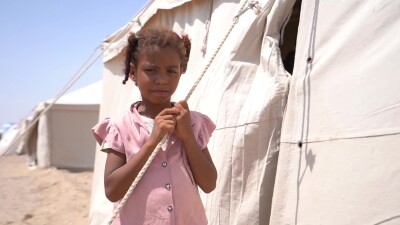
Civilians in Iran are continuing to feel the consequences of months of conflict and military escalation, the UN’s top official in the country has said, as loss of life, damage to civilian infrastructure and mounting economic pressures leave many facing continued uncertainty.
1
1
1
Edited News | WHO , UNICEF
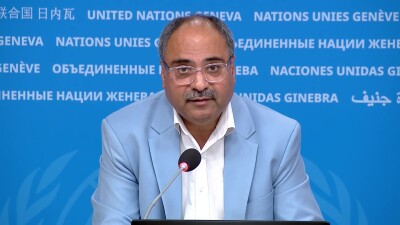
Aid agencies in Yemen highlighted the growing hunger emergency sparked by renewed fighting between Houthi opposition forces and Government troops, after mobile health clinics reported that hundreds of children displaced by the violence are suffering from the most deadly form of malnutrition.
1
1
1
Edited News | UNHCR
Displacement on the rise in Yemen as fighting continues - UNHCR
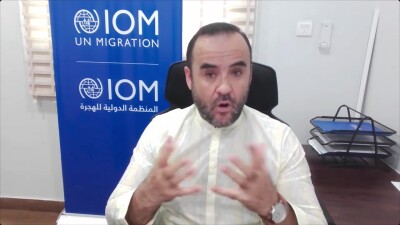
As hostilities worsen in Yemen, more people have been fleeing their homes, further intensifying the humanitarian crisis within the region, the UN Refugee Agency (UNHCR) warned on Tuesday.
1
1
1
Edited News | IOM , OHCHR , UNFPA , UNOG , UNHCR , WHO
Yemen’s humanitarian crisis growing by the hour amid spike in displacement
Yemenis displaced by renewed fighting have described fleeing for their lives amid shelling and gunfire, aid agencies reported on Friday, while highlighting the dramatic increase in humanitarian needs in the country and in Djibouti, where thousands have sought shelter.
1
1
1
Edited News | OHCHR , UNOG
The UN Human Rights Office issued on Friday a report documenting a shocking pattern of sexual violence amid Russia’s full-scale armed attack on Ukraine.