

The United Nations Office at Geneva
Multimedia Newsroom
Edited News | WHO , WFP
UNOG Bi-weekly press briefing: WFP-WHO Solidarity Flight Covid-19 Response
The first United Nations “Solidarity Flight” is scheduled to leave Addis Ababa, Ethiopia, this afternoon - from there, the aircraft will transport the vital medical cargo to all countries in Africa, where supplies are desperately needed to contain the spread of COVID-19.
The airlift represents the largest single shipment of medical supplies from the World Health Organization (WHO) since the start of the Covid-19 pandemic. The cargo includes face shields, gloves, goggles, gowns, masks, medical aprons and thermometers, as well as ventilators.
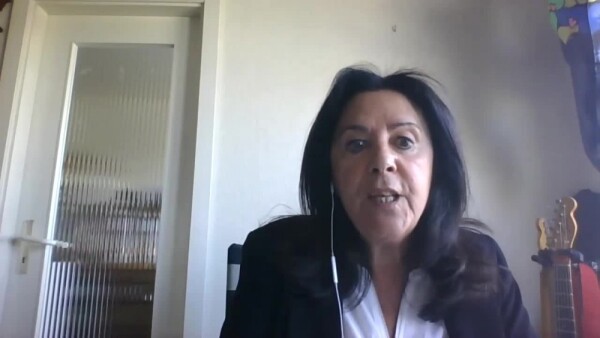
“The cargo arrived in Addis Ababa this morning from WHO’s Dubai regional logistical hubs and these flights will move from Addis Ababa this afternoon around 3 pm Geneva time”, WFP spokeswoman Elisabeth Byrssaid at a virtual media briefing organized by the UN in Geneva.
“These flights will transport the vital equipment to five other countries: Djibouti, Sudan, Eritrea, Somalia, and Tanzania”. From those five hubs they will be transported to as many countries as possible, across the African continent.
The cargo includes “one million face masks, face shields, gloves, googles, gowns, medical aprons, and thermometers as well as ventilators enough to protect health workers while treating 30, 000 patients across the continent,’ Ms. Byrs said.
“ This is by far the largest single shipment of supplies since the start of pandemic”, she added.
This cargo will ensure that people living in weaker health care systems can get tested and treated while ensuring that health care workers are properly protected.
“WFP is setting up the Addis Ababa air ops this week to help transport protective equipment and medical supplies and humanitarian workers across Africa for the Covid-19 response”, Ms Byrs said, in reference to the airlift operation. “To do so, we badly need funding and we stand ready to set up a logistical backbone for global response effort”.
In order to continue providing these vital services, WFP is calling on donors to increase their funding for these air bridges that allow for the transfer of supplies, equipment and health care personnel to the frontlines of the COVID-19 pandemic.
In reference to the WFP airlift, WHO spokesperson Margaret Harris said that the cooperation between the two agencies was an indication of the “crucial” nature of the supplies delivery, as well as of “ how important it is that we are all working across agencies and how this Covid response has to be an across-UN response.
“ This is how the world is going to beat it,” Ms. Harris added.
- Wide shot, exterior UN Palais
- SOUNDBITE (EN): Elisabeth Byrs, Spokesperson for the World Food Programme (WFP): “The cargo arrived in Addis Ababa this morning from WHO’s Dubai regional logistical hubs and these flights will move from Addis Ababa this afternoon around 3 pm Geneva time. These flights will transport the vital equipment to five other countries, Djibouti, Sudan, Eritrea, Somalia, and Tanzania”.
- Close up: UN Palais
- SOUNDBITE (EN): Elisabeth Byrs, Spokesperson for the World Food Programme (WFP): “The cargo includes: 1 million face masks, face chills, gloves, googles, gowns, medical aprons, and thermometers as well as ventilators enough to protect health workers while treating 30 000 patients across the continent. This is by far the largest single shipment of supplies since the start of pandemic”.
- Zoom out: UN Palais
- SOUNDBITE (EN): Elisabeth Byrs, Spokesperson for the World Food Programme (WFP): “WFP is setting up the Addis Ababa air op(erations) this week to help transport protective equipment and medical supplies and humanitarian workers across Africa for the Covid-19 response. To do so, we badly need funding and we stand ready to set up a logistical backbone for global response effort”.
- Close up, Stop sign in front of UN Palais
- SOUNDBITE (EN): Margaret Harris, Spokesperson for the World Health Organisation (WHO): “This is an indication of how crucial it is and how important it is that we are all working across agencies and how this Covid response has to be an across UN response. This is how the world is going to beat it”.
- Wide shot: Broken chair in front of UN building
- Zoom out: UN Palais on Place des Nations, Geneva
Similar Stories

1
1
1
Edited News | OCHA , UNICEF , WFP
Aid agencies warned on Friday of the fast-developing humanitarian emergency inside Taiz City in Yemen, which has been encircled by de facto Houthi forces fighting government troops along the country’s west coast.

2
17
1
2
Edited News , Press Conferences , Images | OCHA , WMO
Two UN agencies teamed up on Wednesday to issue an appeal for immediate assistance to help communities already being impacted by the strongest El Niño on record.

3
16
2
2
Edited News , B-roll , Conferences , Images | UNITED NATIONS , UNOG
Sixth Consultative Meeting on Enhancing Coordination of Peace Initiatives and Efforts for Sudan

1
1
1
Edited News | UNICEF , WHO , UNHCR
Yemen war continues to force families from homes amid hunger and disease
More than 250,000 people have now fled renewed fighting in Yemen, the UN said on Tuesday, citing particular concern for those sheltering in the southwestern city of Taiz and the wider governorate, where access is “essentially blocked”.

1
1
1
Edited News | UNICEF
A little over one year since a ceasefire agreement was announced between Hamas fighters and Israel, more than 340 children have been reported killed and hundreds more injured, the UN Children’s Fund, UNICEF, said on Friday.

1
1
1
Edited News | UNICEF , IFRC
Six weeks after Nepal’s deadly flooding disaster, communities are still struggling to rebuild their lives, but they will need sustained help as global warming increases the risk of another Himalayan catastrophe, the UN Children’s Fund (UNICEF) said on Friday.

1
1
1
Edited News | WHO
In suspected Russia plague death, testing and monitoring underway – WHO
The death of a lab worker in Russia’s Siberia region has sparked concerns about plague being the cause, the UN World Health Organization (WHO) said on Tuesday, adding that it was following the situation closely.

1
1
Edited News | OHCHR , UNOG
UN Human Rights Chief Volker Türk on Friday provided and oral update to the 63rd session of the Human rights Council on Ukraine.

1
1
1
Edited News | OHCHR , UNOG
UN Human Rights Chief Volker Türk on Friday provided and oral update to the 63rd session of the Human rights Council on the human rights situation in Haiti.

1
1
1
Edited News | WHO
Repeated delays in bringing lifesaving medicines, prosthetics and more from Israel into Gaza risk having devastating consequences on Palestinians who urgently need them in the wartorn enclave, the UN World Health Organization (WHO) said on Friday. “A truck full of non-priority supplies or the right supplies arriving too late, doesn't save lives. That's the question that actually matters," said Dr Reinhilde Van De Weerdt, WHO Representative in the OPT.

1
1
1
Edited News | WHO
DRC: Early access to care and oxygen decisive for Ebola patients’ survival – WHO
In the Democratic Republic of the Congo (DRC), health workers fighting the country’s largest-ever Ebola outbreak are struggling to overcome critical challenges to patient care, the UN World Health Organization (WHO) warned on Tuesday.

1
1
1
Edited News | OCHA , UN
Civilians in Iran are continuing to feel the consequences of months of conflict and military escalation, the UN’s top official in the country has said, as loss of life, damage to civilian infrastructure and mounting economic pressures leave many facing continued uncertainty.