

The United Nations Office at Geneva
Multimedia Newsroom
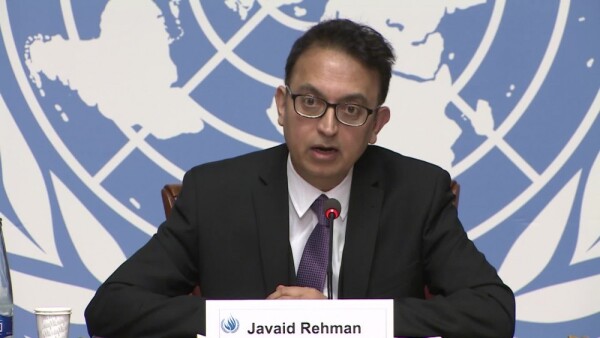
Special Rapporteur Javaid Rehman on the situation of human rights in Iran – welcomes mass prisoner release linked to COVID-19
Overcrowding in Iran’s prisons remains serious in the context of the COVID-19 outbreak, a UN appointed independent rights expert said on Tuesday -- despite the recent release of tens of thousands of prisoners.
Speaking in Geneva, Javaid Rehman, UN Special Rapporteur on the situation of human rights in the Islamic Republic of Iran, said that overcrowding is a source of infections and ill-health.
“I have highlighted my concerns, for example, issues of overcrowding. Iranian prisons and detention places have been overcrowded. That is a very disturbing feature. There is also this disturbing feature of lack of hygiene and sanitation. So this was a recipe for diseases,” he said.
Some preventive measures have been taken - Iran has temporarily freed about 70,000 prisoners to combat the spread of the coronavirus.
“These releases are only restricted to convictions of individuals (serving sentences) of up to 5 years. So that does not include people who have been charged and convicted of national security offences or serious crimes and also dual and foreign nationals,” Mr Rehman said.
Some seven thousand people were arrested during nationwide protests against the government in November 2019, when at least 300 people were killed, and some of those who remain in detention have been handed the death penalty, and are therefore not eligible for Iran’s programme of temporary release, a “very unfortunate and disturbing situation,” Mr Rehman said.
Across the country there has been a rapid expansion in the number of infections since the first two reported deaths in Qom on 19 February. Mr Rehman said that reportedly “little action was taken initially”, and that current measures are “still inadequate.”
“The current figures that we have are -these are official figures- that there are around 300 deaths and there are approximately 8000 cases of this disease. In my estimation the state has done too little and too late.”
Iran has not imposed widespread quarantine measures, despite having one of the world's worst death tolls outside of China, the epicenter of the outbreak.
Nonetheless, some improvements have been noted. “There are efforts being made to establish humanitarian corridors," Mr Rehman said. "And there is already work that is being done to support Iran’s efforts, to deal with the issue of medical equipment particularly with regards to kits and other relevant medication to deal with coronavirus.”
1. Wide shot: exterior, flag alley, Palais des Nations, United Nations Geneva
2. Wide shot: journalists, Room III
3. SOUNDBITE (EN) — UN Special Rapporteur on the situation of human rights in the Islamic Republic of Iran, Javaid Rehman: “I have highlighted my concerns, for example, issues of overcrowding. Iranian prisons and detention places have been overcrowded. That is a very disturbing feature. There is also this disturbing feature of lack of hygiene and sanitation. So this was a recipe for diseases.”
4. Two-shot: journalists
5. SOUNDBITE (EN) — UN Special Rapporteur on the situation of human rights in the Islamic Republic of Iran, Javaid Rehman: “The situation on Coronavirus is highly disturbing within Iran. The disease has spread widely, it had rapid expansion, since the first two reported deaths that we – the information that we received – took place in Qom on 19 February.”
6. Medium shot: journalist puts on her spectacles and leans forward
7. SOUNDBITE (EN) — UN Special Rapporteur on the situation of human rights in the Islamic Republic of Iran, Javaid Rehman: “The current figures that we have are -these are official figures- that there are around 300 deaths and there are approximately 8000 cases of this disease. In my estimation the state has done too little and too late.”
8. Medium shot: Journalist in foreground, Javaid Rehman out of focus in background
9. SOUNDBITE (EN) — UN Special Rapporteur on the situation of human rights in the Islamic Republic of Iran, Javaid Rehman: “These include the temporary release of 70 000 individuals who have been convicted. But these releases are only restricted to convictions of individuals of up to 5 years So that does not include people who have been charged and convicted of national security offences or serious crimes and also dual and foreign nationals.”
10.Close up: camera with monitor showing Javaid Rehman, cameraman leans in to eyepiece
11.SOUNDBITE (EN) — UN Special Rapporteur on the situation of human rights in the Islamic Republic of Iran, Javaid Rehman:“There are efforts being made to establish humanitarian corridors and there is already work that is being done to support Iran’s efforts, to deal with the issue of medical equipment particularly with regards to kits and other relevant medication to deal with coronavirus”
12.Two shot: journalists
13. Wide shot: journalists, Javaid Rehman in background
14. Medium shot: journalist working, two others are seen partially
Similar Stories

1
1
1
Edited News | UNICEF , WHO , UNHCR
Yemen war continues to force families from homes amid hunger and disease
More than 250,000 people have now fled renewed fighting in Yemen, the UN said on Tuesday, citing particular concern for those sheltering in the southwestern city of Taiz and the wider governorate, where access is “essentially blocked”.

1
1
1
Edited News | UNICEF
A little over one year since a ceasefire agreement was announced between Hamas fighters and Israel, more than 340 children have been reported killed and hundreds more injured, the UN Children’s Fund, UNICEF, said on Friday.

1
1
1
Edited News | UNICEF , IFRC
Six weeks after Nepal’s deadly flooding disaster, communities are still struggling to rebuild their lives, but they will need sustained help as global warming increases the risk of another Himalayan catastrophe, the UN Children’s Fund (UNICEF) said on Friday.

1
1
1
Edited News | WHO
In suspected Russia plague death, testing and monitoring underway – WHO
The death of a lab worker in Russia’s Siberia region has sparked concerns about plague being the cause, the UN World Health Organization (WHO) said on Tuesday, adding that it was following the situation closely.

1
1
Edited News | OHCHR , UNOG
UN Human Rights Chief Volker Türk on Friday provided and oral update to the 63rd session of the Human rights Council on Ukraine.

1
1
1
Edited News | OHCHR , UNOG
UN Human Rights Chief Volker Türk on Friday provided and oral update to the 63rd session of the Human rights Council on the human rights situation in Haiti.

1
1
1
Edited News | WHO
Repeated delays in bringing lifesaving medicines, prosthetics and more from Israel into Gaza risk having devastating consequences on Palestinians who urgently need them in the wartorn enclave, the UN World Health Organization (WHO) said on Friday. “A truck full of non-priority supplies or the right supplies arriving too late, doesn't save lives. That's the question that actually matters," said Dr Reinhilde Van De Weerdt, WHO Representative in the OPT.

1
1
1
Edited News | WHO
DRC: Early access to care and oxygen decisive for Ebola patients’ survival – WHO
In the Democratic Republic of the Congo (DRC), health workers fighting the country’s largest-ever Ebola outbreak are struggling to overcome critical challenges to patient care, the UN World Health Organization (WHO) warned on Tuesday.

1
1
1
Edited News | OCHA , UN
Civilians in Iran are continuing to feel the consequences of months of conflict and military escalation, the UN’s top official in the country has said, as loss of life, damage to civilian infrastructure and mounting economic pressures leave many facing continued uncertainty.
1
1
1
Edited News | WHO , UNICEF
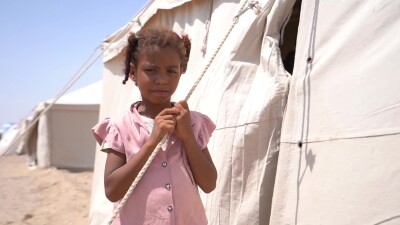
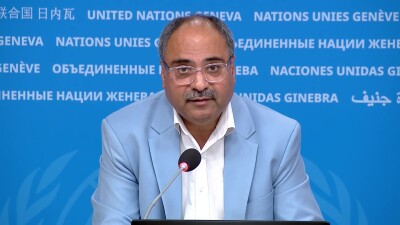
Aid agencies in Yemen highlighted the growing hunger emergency sparked by renewed fighting between Houthi opposition forces and Government troops, after mobile health clinics reported that hundreds of children displaced by the violence are suffering from the most deadly form of malnutrition.
1
1
1
Edited News | UNHCR
Displacement on the rise in Yemen as fighting continues - UNHCR
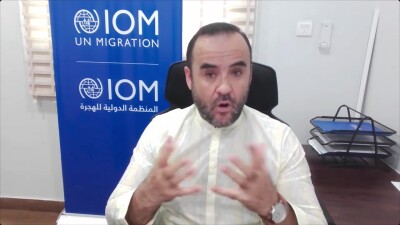
As hostilities worsen in Yemen, more people have been fleeing their homes, further intensifying the humanitarian crisis within the region, the UN Refugee Agency (UNHCR) warned on Tuesday.
1
1
1
Edited News | IOM , OHCHR , UNFPA , UNOG , UNHCR , WHO
Yemen’s humanitarian crisis growing by the hour amid spike in displacement
Yemenis displaced by renewed fighting have described fleeing for their lives amid shelling and gunfire, aid agencies reported on Friday, while highlighting the dramatic increase in humanitarian needs in the country and in Djibouti, where thousands have sought shelter.