

The United Nations Office at Geneva
Multimedia Newsroom
À Gaza, les ménages dirigés par des femmes font face à des « choix impossibles » pour survivre
Dans la bande de Gaza déchirée par la guerre, un nombre croissant de ménages dirigés par des femmes font face à des « décisions impossibles » chaque jour, au milieu des frappes aériennes israéliennes continues et des ressources encore rares, ont déclaré mardi les humanitaires de l'ONU.
Selon de nouvelles données de l'ONU Femmes, près d'un ménage sur quatre à Gaza serait dirigé par une femme, soit environ 86 290 familles. « C'est le double du taux d'avant octobre 2023 et cela fait suite aux meurtres généralisés de Palestiniens », a déclaré Sofia Calltorp, chef de l'action humanitaire de l'agence.
La mise à jour intervient 11 mois après qu'un accord de cessez-le-feu a été conclu entre les combattants du Hamas et Israël. Cela n'a pas arrêté les échanges de tirs continus et le meurtre de 246 femmes et filles palestiniennes par des bombardements aériens israéliens et des opérations militaires au sol à Gaza. « Cela équivaut à six femmes et filles tuées chaque semaine entre octobre 2025 et le 28 juillet 2026 », a déclaré Mme Calltorp.
Dans l'enclave aujourd'hui, l'accès à la nourriture, à l'eau potable, aux produits d'hygiène et aux services essentiels reste « sévèrement limité », a déclaré le responsable de l'ONU aux journalistes à Genève.
« Il y a des restrictions sur l'accès humanitaire, l'insécurité et le bombardement israélien continu », a-t-elle expliqué. « Les femmes à la tête des ménages sont chaque jour forcées de prendre des décisions impossibles sur la manière d'allouer des ressources rares, d'accéder à l'aide et simplement d'assurer la survie de ceux dont elles ont la charge. »
Parmi les victimes figure Raghad Ashour, 18 ans, « tuée dans une frappe israélienne alors qu'elle se rendait à son examen de terminale à Gaza City », a déclaré Mme Calltorp. « Dina Almadhoun, 31 ans, a été tuée dans une frappe à Gaza City ; une fillette de six ans a été tuée dans une frappe d'hélicoptère sur un campement de familles déplacées dans la région de Mawasi à Khan Younis. »
Le bilan global des victimes signalées depuis l'accord de cessez-le-feu est de 1 303 morts et 4 336 blessés, selon les autorités sanitaires de Gaza citées par le bureau de coordination de l'aide de l'ONU, OCHA.
L'analyse de l'ONU Femmes a également montré que les femmes qui dirigent des ménages sont plus susceptibles de manquer d'abri, de nourriture et d'argent que les ménages dirigés par des hommes. « Elles sont également plus susceptibles d'être déplacées ou de voir leur maison détruite », a souligné Mme Calltorp.
En raison de la guerre, déclenchée par des attaques terroristes menées par le Hamas en Israël en octobre 2023, la plupart des 2,1 millions d'habitants de Gaza restent aujourd'hui déplacés.
Les Palestiniens sont confinés à moins de 40 % de la bande de Gaza alors que les autorités israéliennes continuent de restreindre l'accès aux zones au-delà de ce qui est connu sous le nom de lignes « Jaune » et « Orange ». Plus de la moitié de la population (58 %) fait face à des besoins critiques ou catastrophiques en matière d'abris, selon le bureau de coordination de l'aide de l'ONU, OCHA, qui a indiqué que lorsque la « Ligne Jaune » a été établie après le cessez-le-feu, elle couvrait environ 53 % de la bande de Gaza.
Ces restrictions se sont ensuite élargies, laissant environ les deux tiers de Gaza soit inaccessibles, soit soumis à de sévères restrictions d'accès, avec des civils confinés dans des zones surpeuplées et dangereuses.
fin
Histoire : Mise à jour sur Gaza – ONU Femmes
SOURCE : UNTV CH
RESTRICTIONS : AUCUNE
LANGUE : ANGLAIS / NATS
FORMAT D'IMAGE : 16:9
Durée : 3’09”
DATELINE : 8 septembre 2026 - GENÈVE, SUISSE et mai 2026 GAZA – AL-MAWASI
Conférence de presse à Genève
Orateurs :
- ONU FEMMES - Sofia Calltorp, Chef de l'Action Humanitaire
LISTE DE PLANS
- Plan moyen extérieur : allée des drapeaux de l'ONU.
- Plan large de la salle de presse, orateur au podium.
- EXTRAIT SONORE (Anglais) ONU FEMMES - Sofia Calltorp, Chef de l'Action Humanitaire : « Nous avons parlé à des veuves et à des femmes dont les maris sont portés disparus, détenus, gravement blessés, déplacés de force ou dont le sort reste inconnu. Et nous avons trouvé une quantité horrifiante de chagrin collectif.»
- Plan large, salle de presse.
- EXTRAIT SONORE (Anglais) ONU FEMMES - Sofia Calltorp, Chef de l'Action Humanitaire : «L'accès à la nourriture, à l'eau potable, aux fournitures d'hygiène et aux services essentiels est sévèrement limité. Il y a des restrictions sur l'accès humanitaire, de l'insécurité et des bombardements israéliens continus. Les femmes à la tête de foyers sont chaque jour forcées de prendre des décisions impossibles sur la manière d'allouer des ressources rares, d'accéder à l'aide et simplement d'assurer la survie de ceux dont elles ont la charge.»
- Plan large, salle de presse, orateur externe sur écran TV.
- EXTRAIT SONORE (Anglais) ONU FEMMES - Sofia Calltorp, Chef de l'Action Humanitaire : «Deux cent quarante-six femmes et filles palestiniennes ont été tuées par des bombardements aériens israéliens et des opérations militaires au sol à Gaza depuis l'entrée en vigueur de l'accord de cessez-le-feu en octobre 2025. Cela équivaut à six femmes et filles tuées chaque semaine entre octobre 2025 et le 28 juillet 2026.»
- Plan large, orateur au podium, orateur externe sur écran TV.
- EXTRAIT SONORE (Anglais) ONU FEMMES - Sofia Calltorp, Chef de l'Action Humanitaire : «Raghad Ashour, âgée de dix-huit ans, a été tuée dans une frappe israélienne alors qu'elle se rendait à son examen de 11e année à Gaza City ; Dina Almadhoun, âgée de 31 ans, a été tuée dans une frappe à Gaza City. Une fillette de six ans a été tuée dans une frappe d'hélicoptère sur un campement de familles déplacées dans la région de Mawasi à Khan Younis.»
- Plan large, salle de presse.
- EXTRAIT SONORE (Anglais) ONU FEMMES - Sofia Calltorp, Chef de l'Action Humanitaire : «Les données de l'ONU Femmes montrent que les femmes à la tête de foyers sont plus susceptibles d'être privées d'abri, de nourriture et de finances que les foyers dirigés par des hommes. Elles sont également plus susceptibles d'être déplacées ou de voir leur maison détruite.»
- Plan moyen, journaliste.
- Plan moyen, participant.
- Plan moyen, journaliste.
- Plan moyen, femme lavant des vêtements à la main à Al-Mawasi, Gaza (veuillez créditer ONU Femmes).
- Plan large, une jeune femme tenant un bébé reçoit des fournitures d'aide (veuillez créditer ONU Femmes).
- Plan moyen-large, une mère nourrit sa fille sous une tente (veuillez créditer ONU Femmes).
- Plan rapproché, une femme aidant une fille avec ses devoirs sous une tente. (veuillez créditer ONU Femmes).
- Plan rapproché, une femme aidant une fille avec ses devoirs. (veuillez créditer ONU Femmes).
Similar Stories

1
1
1
Edited News | UNICEF
A little over one year since a ceasefire agreement was announced between Hamas fighters and Israel, more than 340 children have been reported killed and hundreds more injured, the UN Children’s Fund, UNICEF, said on Friday.

1
1
1
Edited News | UNICEF , IFRC
Six weeks after Nepal’s deadly flooding disaster, communities are still struggling to rebuild their lives, but they will need sustained help as global warming increases the risk of another Himalayan catastrophe, the UN Children’s Fund (UNICEF) said on Friday.

1
1
1
Edited News | WHO
In suspected Russia plague death, testing and monitoring underway – WHO
The death of a lab worker in Russia’s Siberia region has sparked concerns about plague being the cause, the UN World Health Organization (WHO) said on Tuesday, adding that it was following the situation closely.

1
1
Edited News | OHCHR , UNOG
UN Human Rights Chief Volker Türk on Friday provided and oral update to the 63rd session of the Human rights Council on Ukraine.

1
1
1
Edited News | OHCHR , UNOG
UN Human Rights Chief Volker Türk on Friday provided and oral update to the 63rd session of the Human rights Council on the human rights situation in Haiti.

1
1
1
Edited News | WHO
Repeated delays in bringing lifesaving medicines, prosthetics and more from Israel into Gaza risk having devastating consequences on Palestinians who urgently need them in the wartorn enclave, the UN World Health Organization (WHO) said on Friday. “A truck full of non-priority supplies or the right supplies arriving too late, doesn't save lives. That's the question that actually matters," said Dr Reinhilde Van De Weerdt, WHO Representative in the OPT.

1
1
1
Edited News | WHO
DRC: Early access to care and oxygen decisive for Ebola patients’ survival – WHO
In the Democratic Republic of the Congo (DRC), health workers fighting the country’s largest-ever Ebola outbreak are struggling to overcome critical challenges to patient care, the UN World Health Organization (WHO) warned on Tuesday.

1
1
1
Edited News | OCHA , UN
Civilians in Iran are continuing to feel the consequences of months of conflict and military escalation, the UN’s top official in the country has said, as loss of life, damage to civilian infrastructure and mounting economic pressures leave many facing continued uncertainty.
1
1
1
Edited News | WHO , UNICEF
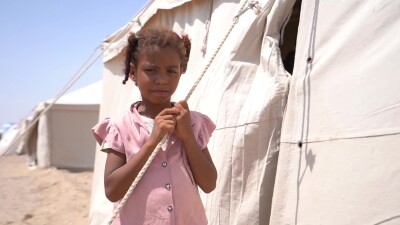
Aid agencies in Yemen highlighted the growing hunger emergency sparked by renewed fighting between Houthi opposition forces and Government troops, after mobile health clinics reported that hundreds of children displaced by the violence are suffering from the most deadly form of malnutrition.
1
1
1
Edited News | UNHCR
Displacement on the rise in Yemen as fighting continues - UNHCR
As hostilities worsen in Yemen, more people have been fleeing their homes, further intensifying the humanitarian crisis within the region, the UN Refugee Agency (UNHCR) warned on Tuesday.
1
1
1
Edited News | IOM , OHCHR , UNFPA , UNOG , UNHCR , WHO
Yemen’s humanitarian crisis growing by the hour amid spike in displacement
Yemenis displaced by renewed fighting have described fleeing for their lives amid shelling and gunfire, aid agencies reported on Friday, while highlighting the dramatic increase in humanitarian needs in the country and in Djibouti, where thousands have sought shelter.
1
1
1
Edited News | OHCHR , UNOG
The UN Human Rights Office issued on Friday a report documenting a shocking pattern of sexual violence amid Russia’s full-scale armed attack on Ukraine.