

The United Nations Office at Geneva
Multimedia Newsroom
La flambée d'Ebola en RDC se propage de manière exponentielle, avertissent les intervenants de l'ONU
Alors que l'épidémie d'Ebola la plus meurtrière de l'histoire de la RDC continuait de se propager vendredi, les intervenants de l'ONU ont renouvelé leur appel urgent pour un soutien international immédiat, les financements existants pour le travail vital étant extrêmement bas.
« Nous sommes couverts seulement pour les prochaines semaines, et très bientôt les fonds seront épuisés, » a déclaré Julien Harneis, Coordonnateur principal de l'ONU pour Ebola. « Chaque retard dans le financement et la mise en œuvre rend cette épidémie plus mortelle, plus difficile à arrêter et plus coûteuse. Nous avons donc besoin de ce soutien international immédiatement.»
Depuis que l'épidémie a été déclarée le 15 mai, 5 290 personnes ont été infectées et 2 516 sont décédées, selon les dernières données des autorités sanitaires publiées vendredi.
Sur le nombre total de cas confirmés, 1 152 personnes se sont rétablies et près de 840 personnes restent en isolement ou hospitalisées. Le taux de létalité est de 47,6 % et le suivi des contacts est de 82,9 %.
Lors d'un point de presse avec les journalistes depuis l'épicentre d'Ebola à Bunia, dans la province de l'Ituri, M. Harneis a averti que la maladie « croît de manière exponentielle », avec la moitié de tous les décès survenus au cours des 20 derniers jours seulement.
« L'épidémie se propage dans une zone plus grande que la France. Et la flambée croît plus rapidement et plus largement que la réponse à Ebola », a-t-il souligné, alors que les conditions d'exploitation « brutales » continuent d'entraver les progrès des travailleurs de première ligne.
Trois mois après le début de l'épidémie, 160 travailleurs de la santé ont contracté Ebola et 43 d'entre eux sont décédés. « Et puis, lorsque nous intervenons, en plus de la menace du virus, les travailleurs de la santé et les travailleurs de première ligne ont été attaqués par des jeunes, les ambulances ont été brûlées et caillassées et les installations de santé ont été attaquées », a expliqué M. Harneis.
« Les conditions sur le terrain sont extrêmement difficiles, mais nous continuerons à déployer toute l'assistance humanitaire et médicale nécessaire jusqu'à ce que le travail soit terminé », a déclaré le vétéran de l'aide humanitaire.
« La semaine dernière, j'essayais d'entrer dans un foyer d'Ebola, et il a fallu trois heures pour parcourir 60 kilomètres », a-t-il ajouté.
Un autre obstacle clé à la réponse est le manque de services sociaux de base dans les six provinces orientales où le virus se propage (Ituri, Nord-Kivu, Sud-Kivu, Haut-Uélé, Tshopo et Bas-Uélé), conséquence directe de décennies de violence dans cette région riche en ressources.
Les lacunes dans les services de santé coordonnés par le gouvernement et un nombre limité de banques ont créé d'autres problèmes.
« Dans cette région, le système bancaire fonctionne à peine », a expliqué M. Harneis. « Nous ne sommes pas en mesure d'apporter le montant d'argent nécessaire pour payer les travailleurs, ce qui a entraîné un grand mécontentement parmi les travailleurs de première ligne.»
Et bien que les États-Unis aient contribué 80 millions de dollars au gouvernement de la RDC pour augmenter la capacité des lits et les pratiques d'inhumation sécurisées, entre autres soutiens, les réductions du travail d'aide - en particulier au cours des deux dernières années - ont réduit la capacité des organisations humanitaires de plus de 30 %, a-t-il ajouté.
Malgré ces défis, plusieurs agences spécialisées de l'ONU continuent de travailler aux côtés des autorités de la RDC pour repousser Ebola. Elles incluent l'Organisation mondiale de la santé, le Programme alimentaire mondial, le Fonds des Nations Unies pour l'enfance (UNICEF), l'agence des migrations de l'ONU (OIM) et des partenaires tels que Médecins Sans Frontières.
« C'est une maladie, c'est une menace invisible qui pénètre dans votre communauté et soudainement les gens commencent à tomber malades autour de vous et vos proches meurent », a déclaré M. Harneis. « Et cela génère beaucoup de peur dans n'importe quelle communauté.»
fin
Épidémie d'Ebola en RDC - OCHA
TRT : 3’11”
SOURCE : UNTV CH
RESTRICTIONS : AUCUNE
LANGUE : ANGLAIS / FRANÇAIS / SONS
RAPPORT D'ASPECT : 16:9
DATELINE : 21 AOÛT 2026 GENÈVE, SUISSE & AOÛT 2026 BUNIA, RDC ; veuillez créditer OCHA.
Orateurs :
- Julien Harneis, Coordonnateur principal de l'ONU pour l'Ebola (depuis Bunia, RDC)
LISTE DE PLANS
- Vue extérieure large, allée des drapeaux de l'ONU à Genève.
- Vue large, salle de presse de l'ONU à Genève, orateurs au podium, orateur externe montré sur les écrans de télévision.
- EXTRAIT SONORE (Anglais) – Julien Harneis, Coordonnateur principal de l'ONU pour l'Ebola : “L'épidémie d'Ebola croît de manière exponentielle. Au cours des trois derniers mois, 2 500 personnes sont mortes, dont la moitié au cours des 20 derniers jours. Et l'épidémie se propage largement ; elle couvre maintenant une zone plus grande que la France.”
- Vue moyenne-large, orateurs au podium, orateur externe sur écran de télévision.
- EXTRAIT SONORE (Anglais) – Julien Harneis, Coordonnateur principal de l'ONU pour l'Ebola : “Pourquoi est-il si difficile de répondre ? Eh bien, les conditions d'opération sont brutales ; 160 travailleurs de la santé sont tombés malades d'Ebola et 43 d'entre eux sont décédés. Et puis, lorsque nous répondons, en plus de la menace du virus, les travailleurs de la santé et les travailleurs de première ligne ont été attaqués par des jeunes. Des ambulances ont été brûlées et caillassées et les installations de santé ont été attaquées.”
- Vue large, salle de presse, écrans de télévision montrant l'orateur externe.
- EXTRAIT SONORE (Français) – Julien Harneis, Coordonnateur principal de l'ONU pour l'Ebola : “Je regarde les collègues du Gouvernement ; ils sont sur le terrain en permanence et ils ne relâchent pas. Oui, c'est vrai que des ambulances ont été cassées, mais nous continuons le travail. C'est vrai que les conditions de la route, des conditions sur le terrain sont extrêmement difficiles, mais nous continuons à déployer toute l'assistance humanitaire et médicale qui est nécessaire, et nous continuons jusqu'à c’est terminé.”
- Vue large, orateurs au podium, écran de télévision montrant l'orateur externe.
- EXTRAIT SONORE (Anglais) – Julien Harneis, Coordonnateur principal de l'ONU pour l'Ebola : “Se déplacer est difficile. La semaine dernière, j'essayais d'entrer dans un foyer d'Ebola, et il a fallu trois heures pour parcourir 60 kilomètres.”
- Vue large, salle de presse.
- EXTRAIT SONORE (Anglais) – Julien Harneis, Coordonnateur principal de l'ONU pour l'Ebola : “Dans cette région, le système bancaire fonctionne à peine. Nous ne pouvons pas apporter la somme d'argent nécessaire pour payer les travailleurs, ce qui a conduit à un grand mécontentement parmi les travailleurs de première ligne. Et puis, les coupes dans l'aide au fil des ans, en particulier au cours des deux dernières années, ont réduit la capacité des organisations humanitaires de plus de 30 pour cent.”
- Vue large, salle de presse.
- EXTRAIT SONORE (Anglais) – Julien Harneis, Coordonnateur principal de l'ONU pour l'Ebola : “Nous ne sommes couverts que pour les prochaines semaines, et très bientôt le financement sera épuisé. Donc, nous devons intensifier, nous devons avoir un investissement beaucoup plus important, un soutien beaucoup plus grand de la communauté internationale. Et chaque retard dans le financement et la mise en œuvre rend cette épidémie plus mortelle, plus difficile à arrêter et plus coûteuse. Nous avons donc besoin de ce soutien international immédiatement.”
- Vue moyenne-large, salle de presse.
- Vue moyenne, journaliste.
- Vue moyenne, participants, journaliste.
- Vue large, un centre de santé à Bunia, province de l'Ituri. Veuillez créditer OCHA.
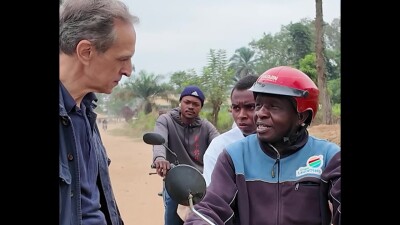
- Vue moyenne-large, Julien Harneis parlant à un motard. Veuillez créditer OCHA.
- Vue moyenne-large, un travailleur de la santé communautaire parlant à une mère et des enfants. Veuillez créditer OCHA.
- Vue moyenne-large, un travailleur de la santé communautaire parlant à une mère et des enfants. Veuillez créditer OCHA.
Similar Stories

1
1
1
Edited News | UNICEF , WHO , UNHCR
Yemen war continues to force families from homes amid hunger and disease
More than 250,000 people have now fled renewed fighting in Yemen, the UN said on Tuesday, citing particular concern for those sheltering in the southwestern city of Taiz and the wider governorate, where access is “essentially blocked”.

1
1
1
Edited News | UNICEF
A little over one year since a ceasefire agreement was announced between Hamas fighters and Israel, more than 340 children have been reported killed and hundreds more injured, the UN Children’s Fund, UNICEF, said on Friday.

1
1
1
Edited News | UNICEF , IFRC
Six weeks after Nepal’s deadly flooding disaster, communities are still struggling to rebuild their lives, but they will need sustained help as global warming increases the risk of another Himalayan catastrophe, the UN Children’s Fund (UNICEF) said on Friday.

1
1
1
Edited News | WHO
In suspected Russia plague death, testing and monitoring underway – WHO
The death of a lab worker in Russia’s Siberia region has sparked concerns about plague being the cause, the UN World Health Organization (WHO) said on Tuesday, adding that it was following the situation closely.

1
1
Edited News | OHCHR , UNOG
UN Human Rights Chief Volker Türk on Friday provided and oral update to the 63rd session of the Human rights Council on Ukraine.

1
1
1
Edited News | OHCHR , UNOG
UN Human Rights Chief Volker Türk on Friday provided and oral update to the 63rd session of the Human rights Council on the human rights situation in Haiti.

1
1
1
Edited News | WHO
Repeated delays in bringing lifesaving medicines, prosthetics and more from Israel into Gaza risk having devastating consequences on Palestinians who urgently need them in the wartorn enclave, the UN World Health Organization (WHO) said on Friday. “A truck full of non-priority supplies or the right supplies arriving too late, doesn't save lives. That's the question that actually matters," said Dr Reinhilde Van De Weerdt, WHO Representative in the OPT.

1
1
1
Edited News | WHO
DRC: Early access to care and oxygen decisive for Ebola patients’ survival – WHO
In the Democratic Republic of the Congo (DRC), health workers fighting the country’s largest-ever Ebola outbreak are struggling to overcome critical challenges to patient care, the UN World Health Organization (WHO) warned on Tuesday.

1
1
1
Edited News | OCHA , UN
Civilians in Iran are continuing to feel the consequences of months of conflict and military escalation, the UN’s top official in the country has said, as loss of life, damage to civilian infrastructure and mounting economic pressures leave many facing continued uncertainty.
1
1
1
Edited News | WHO , UNICEF
Aid agencies in Yemen highlighted the growing hunger emergency sparked by renewed fighting between Houthi opposition forces and Government troops, after mobile health clinics reported that hundreds of children displaced by the violence are suffering from the most deadly form of malnutrition.
1
1
1
Edited News | UNHCR
Displacement on the rise in Yemen as fighting continues - UNHCR
As hostilities worsen in Yemen, more people have been fleeing their homes, further intensifying the humanitarian crisis within the region, the UN Refugee Agency (UNHCR) warned on Tuesday.
1
1
1
Edited News | IOM , OHCHR , UNFPA , UNOG , UNHCR , WHO
Yemen’s humanitarian crisis growing by the hour amid spike in displacement
Yemenis displaced by renewed fighting have described fleeing for their lives amid shelling and gunfire, aid agencies reported on Friday, while highlighting the dramatic increase in humanitarian needs in the country and in Djibouti, where thousands have sought shelter.