

The United Nations Office at Geneva
Multimedia Newsroom
Edited News | OHCHR
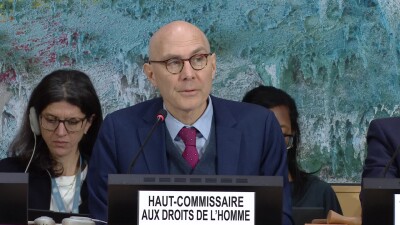
Le Haut-Commissaire des Nations Unies aux droits de l'homme Volker Türk s'adresse au Conseil des droits de l'homme sur la situation dans le territoire palestinien occupé
“La situation dans le Territoire palestinien occupé est une catastrophe créée par l'homme,” a-t-il déclaré aux représentants des États membres lors de la session du CDH à Genève.
Le rapport documente les événements entre le 1er novembre 2024 et le 31 octobre 2025, montrant le mépris total d'Israël pour les droits de l'homme à Gaza et en Cisjordanie, ainsi que les graves violations également commises par le Hamas et d'autres groupes armés palestiniens, a expliqué le Haut-Commissaire.
“Les preuves recueillies par mon Bureau révèlent un schéma constant de violations flagrantes et d'abus des droits de l'homme, de graves violations du droit international humanitaire et de crimes d'atrocité – qui restent impunis,” a-t-il ajouté.
Türk a déclaré que “Les attaques continues d'Israël contre les immeubles résidentiels et les tentes de fortune, détruisant des quartiers entiers, ont causé des morts massives parmi les civils. Plus de 25 500 Palestiniens ont été tués, y compris des familles entières, et plus de 68 800 ont été blessés pendant la période couverte par le rapport.”
“Parmi les tués figuraient de nombreux journalistes palestiniens. Mon Bureau a vérifié que 292 ont été tués lors des opérations israéliennes depuis le 7 octobre 2023,” a-t-il déclaré.
La militarisation de l'aide humanitaire par Israël, à travers la Fondation humanitaire de Gaza, a également conduit à des tueries à grande échelle. Entre fin mai et le 8 octobre 2025, le Bureau des droits de l'homme de l'ONU a enregistré 2 435 Palestiniens tués par l'armée israélienne près des points de collecte de nourriture — principalement des jeunes hommes et garçons.
En août 2025, la famine a été déclarée à Gaza, touchant plus d'un demi-million de personnes. Selon le ministère palestinien de la Santé, au moins 463 Palestiniens, dont 157 enfants, sont morts de faim. Le Haut-Commissaire a déclaré que cela était le résultat direct du blocage par Israël de l'aide humanitaire et d'autres actions délibérées.
“Les forces israéliennes ont continué à tuer du personnel humanitaire et médical pendant cette période, et à procéder à des arrestations massives de Palestiniens à travers Gaza et la Cisjordanie,” a déclaré Türk. “Ces arrestations équivalaient souvent à une détention arbitraire et comprenaient des disparitions forcées.”
Il a ajouté : “Depuis le 7 octobre 2023, mon Bureau a vérifié qu'au moins 89 Palestiniens sont morts en détention israélienne. La torture et autres mauvais traitements des Palestiniens en détention israélienne restent répandus.”
Le Haut-Commissaire a également noté qu'au cours de l'année 2025, le Hamas et d'autres groupes armés palestiniens ont continué à détenir des otages en violation flagrante du droit international. Cinquante et un otages saisis le 7 octobre 2023 ont été rendus à leurs proches. À leur libération, les otages ont raconté leurs épreuves traumatisantes, y compris des violences sexuelles et basées sur le genre, des tortures, des passages à tabac, et une détention prolongée sous terre.
En juin, des rapports ont indiqué que des hommes armés, prétendument affiliés au Hamas, ont sommairement exécuté 12 Palestiniens associés à la Fondation humanitaire de Gaza.
“En Cisjordanie, y compris Jérusalem-Est, les forces de sécurité israéliennes ont continué à lancer des frappes aériennes et à utiliser une force illégale, tuant des centaines de Palestiniens. En janvier 2025, les forces israéliennes ont lancé l'Opération Mur de Fer dans le nord de la Cisjordanie, qui est toujours en cours. Jusqu'à présent, elles ont forcé 32 000 Palestiniens à quitter leurs maisons,”a déclaré Türk.
Les forces de sécurité palestiniennes ont augmenté l'utilisation de la force inutile ou disproportionnée, entraînant la mort illégale d'au moins 8 Palestiniens. Elles ont également détenu arbitrairement et maltraité plus de 300 Palestiniens.
“Le cessez-le-feu du 11 octobre 2025 a apporté un certain soulagement. Mais nous ne devons pas confondre cela avec la paix ou la sécurité. Des gens continuent de mourir à Gaza sous le feu israélien, de froid, de faim, et de maladies et blessures traitables,” a déclaré le Chef des droits de l'homme de l'ONU.
Depuis le cessez-le-feu, les attaques israéliennes à Gaza ont tué plus de 600 personnes et blessé plus de 1 600, selon le ministère palestinien de la Santé. Ailleurs, cela serait considéré comme une crise majeure, a-t-il déclaré.
Les droits de l'homme de l'ONU ont également enregistré au moins 80 meurtres signalés de Palestiniens par le Hamas depuis le cessez-le-feu, principalement par des exécutions sommaires et lors d'affrontements avec des factions rivales.
Le Haut-Commissaire a déploré la décision d'Israël l'année dernière de suspendre quelque 37 groupes d'aide de Gaza, ainsi que son interdiction des opérations de l'UNRWA et la démolition de ses locaux à Jérusalem-Est, en violation flagrante du droit international.
Le Haut-Commissaire de l'ONU a déclaré que la situation en Cisjordanie est particulièrement préoccupante. “Les récentes mesures israéliennes d'expansion de l'expropriation des terres consolident l'annexion du territoire palestinien. Cela constitue une violation flagrante du droit des Palestiniens à l'autodétermination,” a-t-il déclaré.
Les forces de sécurité israéliennes continuent d'utiliser une force inutile et disproportionnée, et ont tué 1 020 Palestiniens depuis le 7 octobre 2023, selon les chiffres vérifiés par les droits de l'homme de l'ONU.
“Pris ensemble, les actions d'Israël semblent viser à provoquer un changement démographique permanent à Gaza et en Cisjordanie, soulevant des inquiétudes quant à un nettoyage ethnique,” a déclaré Türk . “L'absence de responsabilité pour les violations flagrantes commises est tout simplement honteuse.”
“Les droits de l'homme ont été écrasés dans le Territoire palestinien occupé. Tout effort réaliste de reconstruction et de mouvement vers une stabilité durable devra être ancré dans les droits de l'homme. Et cela est urgent. La reconstruction de Gaza n'est pas un exercice logistique,” a-t-il déclaré.
“Les voix des mouvements pour la paix – palestiniens, israéliens, et ceux qui rassemblent Palestiniens et Israéliens – doivent être entendues et suivies. Cela peut renforcer la base pour le dialogue et augmenter l'espace pour des récits partagés,” a déclaré Türk.
FIN
Pour plus d'informations et demandes médias, veuillez contacter
À Genève:
Ravina Shamdasani: +41 22 917 9169 / ravina.shamdasani@un.org
Jeremy Laurence: +41 22 917 9383 / jeremy.laurence@un.org
Taguez et partagez - X: @UNHumanRights et Facebook: unitednationshumanrights
HISTOIRE : Le Haut-Commissaire des Nations Unies aux droits de l'homme, Volker Türk, s'adresse au Conseil des droits de l'homme sur la situation dans le territoire palestinien occupé
TRT : 04:00
SOURCE : OHCH/UNOG
RESTRICTIONS : AUCUNE
LANGUE : Anglais/NATS
RATIO D'ASPECT : 16:9
DATELINE : 26 février 2026 – GENÈVE, SUISSE
LISTE DE PLANS
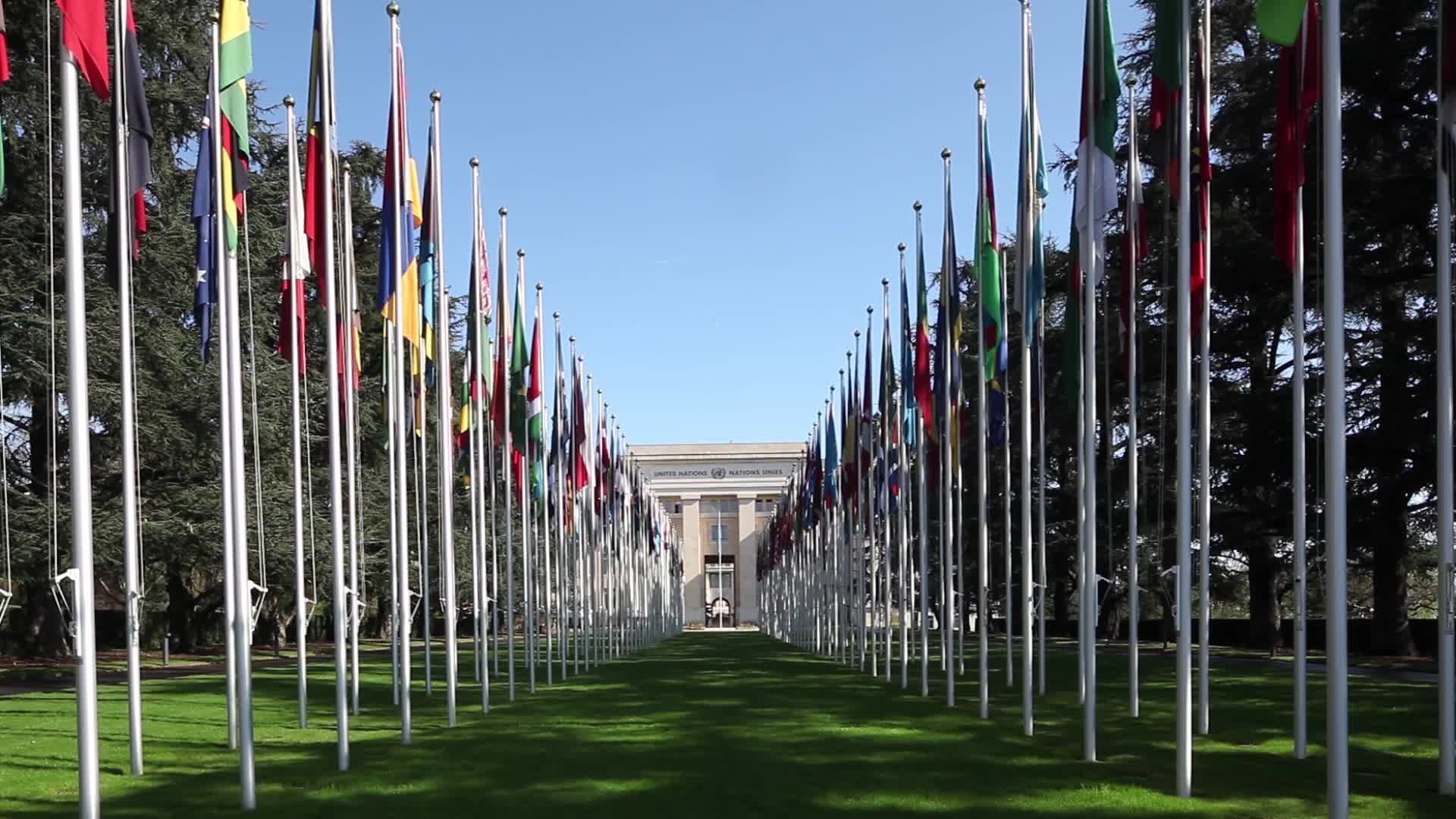
- Différents plans extérieurs : Palais des Nations
- Plans intérieurs : Salle de l'Assemblée
- EXTRAIT SONORE (Anglais) — Volker Türk, Haut-Commissaire des Nations Unies aux droits de l'homme : “La situation dans le territoire palestinien occupé est une catastrophe causée par l'homme.”
- Plans de coupe : Salle de l'Assemblée
- EXTRAIT SONORE (Anglais) — Volker Türk, Haut-Commissaire des Nations Unies aux droits de l'homme : “Les preuves recueillies par mon Bureau révèlent un schéma constant de violations graves et abus des droits de l'homme, de violations graves du droit humanitaire international et de crimes atroces – qui restent impunis.”
- Plans de coupe : Salle de l'Assemblée
- EXTRAIT SONORE (Anglais) — Volker Türk, Haut-Commissaire des Nations Unies aux droits de l'homme : “Les attaques continues d'Israël sur les bâtiments résidentiels et les tentes de fortune, détruisant des quartiers entiers, ont causé des morts massives de civils. Plus de 25 500 Palestiniens ont été tués, y compris des familles entières, et plus de 68 800 ont été blessés pendant la période de rapport.”
- Plans de coupe : Salle de l'Assemblée
- EXTRAIT SONORE (Anglais) — Volker Türk, Haut-Commissaire des Nations Unies aux droits de l'homme : “Parmi les tués se trouvaient de nombreux journalistes palestiniens. Mon Bureau a vérifié que 292 ont été tués lors des opérations israéliennes depuis le 7 octobre 2023.”
- Plans de coupe : Salle de l'Assemblée
- EXTRAIT SONORE (Anglais) — Volker Türk, Haut-Commissaire des Nations Unies aux droits de l'homme : “Les forces israéliennes ont continué à tuer du personnel humanitaire et médical pendant cette période, et à procéder à des arrestations massives de Palestiniens à travers Gaza et la Cisjordanie.” Ces arrestations équivalaient souvent à une détention arbitraire et incluaient des disparitions forcées.”
- Plans de coupe : Salle de l'Assemblée
- EXTRAIT SONORE (Anglais) — Volker Türk, Haut-Commissaire des Nations Unies aux droits de l'homme : “Depuis le 7 octobre 2023, mon Bureau a vérifié qu'au moins 89 Palestiniens sont morts en détention israélienne. La torture et d'autres mauvais traitements des Palestiniens en détention israélienne restent répandus.”
- Plans de coupe : Salle de l'Assemblée
- EXTRAIT SONORE (Anglais) — Volker Türk, Haut-Commissaire des Nations Unies aux droits de l'homme : “En Cisjordanie, y compris Jérusalem-Est, les forces de sécurité israéliennes ont continué à lancer des frappes aériennes et à utiliser la force illégale, tuant des centaines de Palestiniens. En janvier 2025, les forces israéliennes ont lancé l'Opération Mur de Fer dans le nord de la Cisjordanie, qui est toujours en cours. Jusqu'à présent, elles ont forcé 32 000 Palestiniens à quitter leurs foyers.”
- Plans de coupe : Salle de l'Assemblée
- EXTRAIT SONORE (Anglais) — Volker Türk, Haut-Commissaire des Nations Unies aux droits de l'homme : “Le cessez-le-feu du 11 octobre 2025 a apporté un certain soulagement. Mais nous ne devons pas confondre cela avec la paix ou la sécurité. Les gens continuent de mourir à Gaza sous le feu israélien, de froid, de faim, et de maladies et blessures traitables.”
- Plans de coupe : Salle de l'Assemblée
- EXTRAIT SONORE (Anglais) — Volker Türk, Haut-Commissaire des Nations Unies aux droits de l'homme : “Les récentes mesures israéliennes élargissant l'expropriation des terres consolident l'annexion du territoire palestinien. Cela constitue une violation flagrante du droit des Palestiniens à l'autodétermination.”
- Plans de coupe : Salle de l'Assemblée
- EXTRAIT SONORE (Anglais) — Volker Türk, Haut-Commissaire des Nations Unies aux droits de l'homme : “Pris ensemble, les actions d'Israël semblent viser à provoquer un changement démographique permanent à Gaza et en Cisjordanie, soulevant des inquiétudes quant à un nettoyage ethnique. L'absence de responsabilité pour les violations flagrantes commises est tout simplement honteuse.”
- Plans de coupe : Salle de l'Assemblée
- EXTRAIT SONORE (Anglais) — Volker Türk, Haut-Commissaire des Nations Unies aux droits de l'homme : “Les droits de l'homme ont été écrasés dans le territoire palestinien occupé. Tout effort réaliste pour reconstruire et avancer vers une stabilité durable devra être ancré dans les droits de l'homme. Et cela est urgent. La reconstruction de Gaza n'est pas un exercice logistique.”
- Plans de coupe : Salle de l'Assemblée
- EXTRAIT SONORE (Anglais) — Volker Türk, Haut-Commissaire des Nations Unies aux droits de l'homme : “Les voix des mouvements pour la paix – palestiniens, israéliens, et ceux qui réunissent Palestiniens et Israéliens – doivent être entendues et prises en compte. Cela peut renforcer la base pour le dialogue et augmenter l'espace pour des récits partagés.”
Similar Stories
1
1
1
Edited News | OCHA , UNICEF , WFP
Aid agencies warned on Friday of the fast-developing humanitarian emergency inside Taiz City in Yemen, which has been encircled by de facto Houthi forces fighting government troops along the country’s west coast.

2
17
1
2
Edited News , Press Conferences , Images | OCHA , WMO
Two UN agencies teamed up on Wednesday to issue an appeal for immediate assistance to help communities already being impacted by the strongest El Niño on record.
3
16
2
2
Edited News , B-roll , Conferences , Images | UNITED NATIONS , UNOG
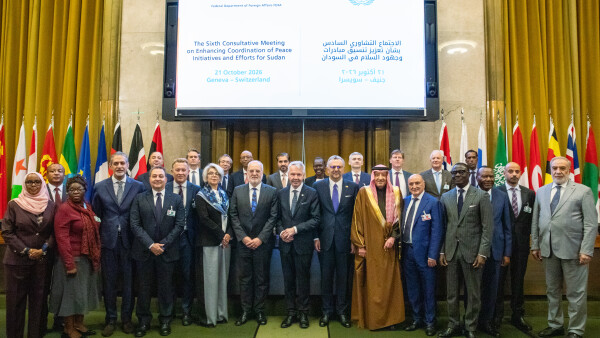
Sixth Consultative Meeting on Enhancing Coordination of Peace Initiatives and Efforts for Sudan
1
1
1
Edited News | UNICEF , WHO , UNHCR
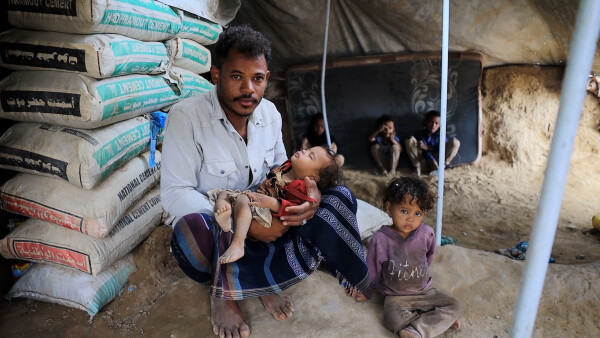
Yemen war continues to force families from homes amid hunger and disease
More than 250,000 people have now fled renewed fighting in Yemen, the UN said on Tuesday, citing particular concern for those sheltering in the southwestern city of Taiz and the wider governorate, where access is “essentially blocked”.

1
1
1
Edited News | UNICEF
A little over one year since a ceasefire agreement was announced between Hamas fighters and Israel, more than 340 children have been reported killed and hundreds more injured, the UN Children’s Fund, UNICEF, said on Friday.

1
1
1
Edited News | UNICEF , IFRC
Six weeks after Nepal’s deadly flooding disaster, communities are still struggling to rebuild their lives, but they will need sustained help as global warming increases the risk of another Himalayan catastrophe, the UN Children’s Fund (UNICEF) said on Friday.

1
1
1
Edited News | WHO
In suspected Russia plague death, testing and monitoring underway – WHO
The death of a lab worker in Russia’s Siberia region has sparked concerns about plague being the cause, the UN World Health Organization (WHO) said on Tuesday, adding that it was following the situation closely.

1
1
Edited News | OHCHR , UNOG
UN Human Rights Chief Volker Türk on Friday provided and oral update to the 63rd session of the Human rights Council on Ukraine.

1
1
1
Edited News | OHCHR , UNOG
UN Human Rights Chief Volker Türk on Friday provided and oral update to the 63rd session of the Human rights Council on the human rights situation in Haiti.

1
1
1
Edited News | WHO
Repeated delays in bringing lifesaving medicines, prosthetics and more from Israel into Gaza risk having devastating consequences on Palestinians who urgently need them in the wartorn enclave, the UN World Health Organization (WHO) said on Friday. “A truck full of non-priority supplies or the right supplies arriving too late, doesn't save lives. That's the question that actually matters," said Dr Reinhilde Van De Weerdt, WHO Representative in the OPT.

1
1
1
Edited News | WHO
DRC: Early access to care and oxygen decisive for Ebola patients’ survival – WHO
In the Democratic Republic of the Congo (DRC), health workers fighting the country’s largest-ever Ebola outbreak are struggling to overcome critical challenges to patient care, the UN World Health Organization (WHO) warned on Tuesday.

1
1
1
Edited News | OCHA , UN
Civilians in Iran are continuing to feel the consequences of months of conflict and military escalation, the UN’s top official in the country has said, as loss of life, damage to civilian infrastructure and mounting economic pressures leave many facing continued uncertainty.