

The United Nations Office at Geneva
Multimedia Newsroom
Les Nations Unies expriment leur préoccupation concernant un incident de pulvérisation chimique sur la Ligne bleue du Liban
Les Nations Unies ont réitéré leurs préoccupations vendredi face aux rapports indiquant que les forces israéliennes ont pulvérisé des herbicides sur des zones au nord de la Ligne bleue séparant le Liban d'Israël le 1er février. Ce développement pose un « risque humanitaire sérieux » pour les civils vivant là-bas, a déclaré le Bureau du Haut-Commissariat aux droits de l'homme (OHCHR), lors d'un briefing avec les journalistes à Genève.
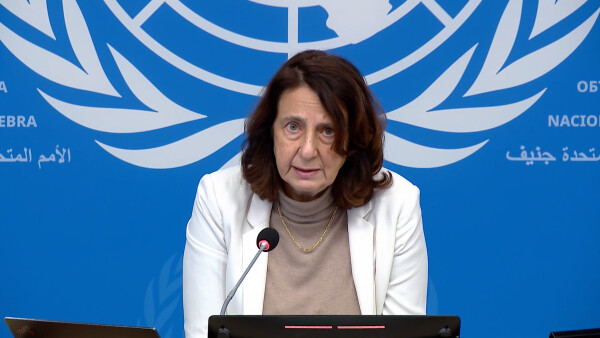
« L'utilisation d'herbicides soulève des questions sur les effets sur les terres agricoles locales et sur la manière dont cela pourrait affecter le retour des civils dans leurs foyers et leurs moyens de subsistance à long terme », a déclaré Alessandra Vellucci, Directrice du Service de l'information des Nations Unies à Genève.
Répétant la réaction à l'incident par le porte-parole du Secrétaire général des Nations Unies à New York jeudi, Mme Vellucci a souligné les obligations de toutes les parties en vertu du droit humanitaire international. « Toute activité de l'IDF au nord de la Ligne bleue est une violation de la Résolution 1701 », a-t-elle déclaré aux journalistes.
Le porte-parole de l'OHCHR, Thameen Al-Kheetan, a insisté sur le fait que les rapports nécessitaient une enquête plus approfondie « pour confirmer la nature des substances chimiques » utilisées. « Les attaques sur les terres agricoles et les sources d'eau posent un risque humanitaire sérieux », a-t-il poursuivi.
Le bureau des droits de l'homme des Nations Unies a également exprimé une profonde préoccupation face aux développements en Cisjordanie occupée, avertissant que de nouvelles opérations et colonies israéliennes risquent de compromettre un État palestinien viable.
Depuis l'année dernière, des dizaines de milliers de Palestiniens ont été déplacés de force à travers la Cisjordanie occupée.
Cela inclut trois camps de réfugiés touchés par l'opération militarisée « Mur de fer » d'Israël qui a déraciné plus de 32 000 personnes des camps de Jénine, Tulkarem et Nur Shams. Ils ne peuvent toujours pas rentrer chez eux et beaucoup ont vu leurs maisons détruites par les forces israéliennes, a affirmé M. Al-Kheetan.
Les nouvelles opérations de sécurité israéliennes impactant les Palestiniens ont inclus une campagne à Jérusalem-Est occupée, y compris au moins deux opérations majeures ciblant deux communautés palestiniennes, selon le bureau des droits de l'homme des Nations Unies, OHCHR.
« Dans le camp de réfugiés de Shu'fat, ils ont perquisitionné des dizaines de maisons et de magasins, détenu au moins 25 Palestiniens, confisqué des biens et saisi 10 véhicules privés », a déclaré M. Al-Kheetan. « Dans une autre opération à grande échelle, ciblant le quartier de Kafr Aqab et les limites du camp de réfugiés de Qalandiya, les forces de sécurité israéliennes auraient démoli 70 structures palestiniennes. Cela semble être en préparation de projets de colonisation majeurs dans la région. »
Le porte-parole de l'OHCHR a noté qu'en décembre, les autorités israéliennes ont lancé des appels d'offres pour la construction de plus de 3 000 unités de colonisation dans la zone entre trois des centres urbains palestiniens les plus importants : Jérusalem-Est, Ramallah et Bethléem.
En réponse à une question sur le « plan E1 » israélien qui séparerait apparemment le nord et le sud de la Cisjordanie de Jérusalem-Est, M. Al-Kheetan a averti qu'il « risque de séparer les communautés palestiniennes les unes des autres et affecte donc sérieusement la viabilité d'un État palestinien... en fin de compte, toutes les colonies doivent être évacuées et l'activité de colonisation doit cesser. »
fin
Mise à jour Liban, Cisjordanie – UNIS, OHCHR
TRT : 2’46”
SOURCE : UNTV CH
RESTRICTIONS : AUCUNE
LANGUE : ANGLAIS, FRANÇAIS / NATS
RAPPORT D'ASPECT : 16:9
DATELINE : 6 FÉVRIER 2026 GENÈVE, SUISSE
Orateurs :
- Alessandra Vellucci, Directrice, Service d'information des Nations Unies à Genève
- Thameen Al-Kheetan, orateur, OHCHR
LISTE DE PLANS
- Vue extérieure large, allée des drapeaux de l'ONU Genève.
- Vue large, salle de presse de l'ONU Genève, orateurs au podium, journalistes.
- EXTRAIT SONORE (Anglais) – Alessandra Vellucci, Directrice, Service d'information des Nations Unies à Genève : “Nous sommes au courant des rapports selon lesquels la substance larguée sur des zones près de la Ligne Bleue le 1er février est un herbicide. L'utilisation d'herbicides soulève des questions sur les effets sur les terres agricoles locales et sur la façon dont cela pourrait affecter le retour des civils dans leurs foyers et leurs moyens de subsistance à long terme, comme l'a également dit Thameen. Nous rappelons aux parties leurs obligations en vertu du droit international humanitaire et d'autres cadres juridiques possibles. Toute activité de l'IDF au nord de la Ligne Bleue est une violation de la Résolution 1701.”
- Vue large, orateurs au podium.
- EXTRAIT SONORE (Français) – Thameen Al-Kheetan, orateur, OHCHR : « On est inquiets par ces rapports, qui parlent de l’usage par des avions israéliens, de substances chimiques sur des terres agricoles dans le sud du Liban et dans certaines parties de la Syrie. »
- Vue moyenne-large, journalistes, participants.
- EXTRAIT SONORE (Français) – Thameen Al-Kheetan, orateur, OHCHR : « Si ces rapports se confirment, ces actes sont inquiétants par rapport au droit international humanitaire et cela requiert beaucoup plus d’investigation encore pour mettre la lumière sur la nature de ces substances chimiques. Les attaques sur les terres agricoles et sur les sources d’alimentation posent un risque sérieux – un risque humanitaire sérieux - et aussi pour l’environnement et la vie des civils dans ces endroits-là. »
- Vue large, journalistes, journaliste TV, techniciens.
- EXTRAIT SONORE (Anglais) – Thameen Al-Kheetan, orateur, OHCHR : “Une série de nouvelles opérations israéliennes et de plans de colonisation en Cisjordanie occupée, y compris Jérusalem-Est, risquent de compromettre sérieusement la viabilité d'un État palestinien et la réalisation du droit des Palestiniens à l'autodétermination.”
- Vue moyenne, journalistes.
- EXTRAIT SONORE (Anglais) – Thameen Al-Kheetan, orateur, OHCHR : “Le projet E1 est également très préoccupant car il risque de séparer les communautés palestiniennes les unes des autres et donc d'affecter sérieusement la viabilité d'un État palestinien. Donc, celui-ci est vraiment préoccupant, mais le point essentiel est que toutes les colonies doivent être évacuées et l'activité de colonisation doit cesser.”
- Vue large, orateurs au podium.
- Vue large, orateurs au podium, journalistes, écran TV montrant l'orateur.
Similar Stories

1
1
1
Edited News | UNICEF
A little over one year since a ceasefire agreement was announced between Hamas fighters and Israel, more than 340 children have been reported killed and hundreds more injured, the UN Children’s Fund, UNICEF, said on Friday.

1
1
1
Edited News | UNICEF , IFRC
Six weeks after Nepal’s deadly flooding disaster, communities are still struggling to rebuild their lives, but they will need sustained help as global warming increases the risk of another Himalayan catastrophe, the UN Children’s Fund (UNICEF) said on Friday.

1
1
1
Edited News | WHO
In suspected Russia plague death, testing and monitoring underway – WHO
The death of a lab worker in Russia’s Siberia region has sparked concerns about plague being the cause, the UN World Health Organization (WHO) said on Tuesday, adding that it was following the situation closely.

1
1
Edited News | OHCHR , UNOG
UN Human Rights Chief Volker Türk on Friday provided and oral update to the 63rd session of the Human rights Council on Ukraine.

1
1
1
Edited News | OHCHR , UNOG
UN Human Rights Chief Volker Türk on Friday provided and oral update to the 63rd session of the Human rights Council on the human rights situation in Haiti.

1
1
1
Edited News | WHO
Repeated delays in bringing lifesaving medicines, prosthetics and more from Israel into Gaza risk having devastating consequences on Palestinians who urgently need them in the wartorn enclave, the UN World Health Organization (WHO) said on Friday. “A truck full of non-priority supplies or the right supplies arriving too late, doesn't save lives. That's the question that actually matters," said Dr Reinhilde Van De Weerdt, WHO Representative in the OPT.

1
1
1
Edited News | WHO
DRC: Early access to care and oxygen decisive for Ebola patients’ survival – WHO
In the Democratic Republic of the Congo (DRC), health workers fighting the country’s largest-ever Ebola outbreak are struggling to overcome critical challenges to patient care, the UN World Health Organization (WHO) warned on Tuesday.

1
1
1
Edited News | OCHA , UN
Civilians in Iran are continuing to feel the consequences of months of conflict and military escalation, the UN’s top official in the country has said, as loss of life, damage to civilian infrastructure and mounting economic pressures leave many facing continued uncertainty.
1
1
1
Edited News | WHO , UNICEF
Aid agencies in Yemen highlighted the growing hunger emergency sparked by renewed fighting between Houthi opposition forces and Government troops, after mobile health clinics reported that hundreds of children displaced by the violence are suffering from the most deadly form of malnutrition.
1
1
1
Edited News | UNHCR
Displacement on the rise in Yemen as fighting continues - UNHCR
As hostilities worsen in Yemen, more people have been fleeing their homes, further intensifying the humanitarian crisis within the region, the UN Refugee Agency (UNHCR) warned on Tuesday.
1
1
1
Edited News | IOM , OHCHR , UNFPA , UNOG , UNHCR , WHO
Yemen’s humanitarian crisis growing by the hour amid spike in displacement
Yemenis displaced by renewed fighting have described fleeing for their lives amid shelling and gunfire, aid agencies reported on Friday, while highlighting the dramatic increase in humanitarian needs in the country and in Djibouti, where thousands have sought shelter.
1
1
1
Edited News | OHCHR , UNOG
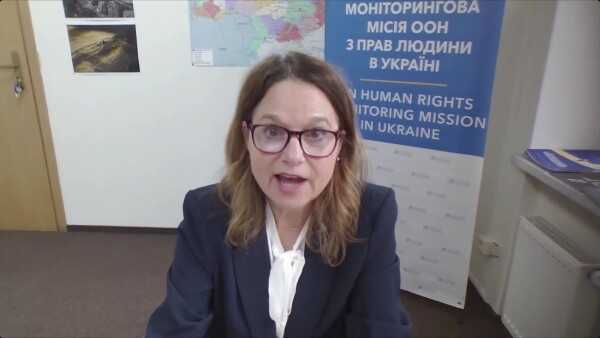
The UN Human Rights Office issued on Friday a report documenting a shocking pattern of sexual violence amid Russia’s full-scale armed attack on Ukraine.