

The United Nations Office at Geneva
Multimedia Newsroom
Gaza : 250 000 personnes seront touchées par le nouvel ordre d'évacuation d'Israël, selon l'UNRWA
Les nouveaux ordres d'évacuation émis par l'armée israélienne pour les zones du sud de Gaza devraient toucher 250 000 personnes, y compris l'est de Khan Younis et Rafah, ont déclaré mardi les humanitaires de l'ONU.
Ce développement survient quelques semaines seulement après que les Gazaouis soient retournés à un Khan Younis dévasté en quête d'abri, suite à l'opération militaire israélienne à Rafah, qui a provoqué un déplacement massif.
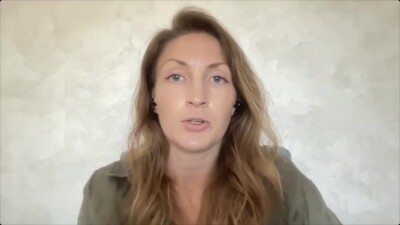
Selon l'Agence des Nations Unies pour les Réfugiés de Palestine dans le Proche-Orient (UNRWA), le nombre de personnes déplacées est susceptible d'augmenter. « Déjà sur le terrain, nous voyons des familles se déplacer, des gens commencer à emballer leurs affaires et essayer de quitter cette zone », a déclaré Louise Wateridge, responsable principale de la communication de l'UNRWA.
Les Forces de Défense Israéliennes ont retiré les forces terrestres de Khan Younis en avril, après des mois de combats intenses qui ont laissé une grande partie de la ville en ruines.
Mme Wateridge a décrit le dernier bouleversement comme un autre coup dévastateur pour les familles de la bande de Gaza, déjà nombreuses à être déplacées et maintenant forcées de se déplacer vers la zone surpeuplée d'al-Mawasi et de camper au bord de l'eau.
Pendant ce temps, Khan Younis reste « une zone militaire très active. Il n'y a pas de sécurité pour partir », a souligné Mme Wateridge, parlant de Gaza aux journalistes à Genève. Elle a rappelé que l'UNICEF avait rapporté plus tôt dans l'année que Gaza compte désormais environ 17 000 enfants non accompagnés ou séparés. « Que deviennent ces enfants ? Quelles décisions prennent ces enfants ? Qu'en est-il des personnes âgées ? Qu'en est-il des malades ? » a-t-elle insisté.
Bien que l'armée israélienne ait apparemment déclaré que les patients et le personnel médical de l'hôpital européen de Khan Younis ne sont pas soumis à un ordre d'évacuation, ils se sont auto-évacués pour éviter les effusions de sang et être complètement coupés du soutien ambulancier et des fournitures, selon l'Organisation Mondiale de la Santé (OMS) de l'ONU.
L'agence de santé de l'ONU a également exprimé sa profonde préoccupation concernant le manque de carburant nécessaire pour maintenir toutes les opérations humanitaires – y compris la santé – en cours. Depuis la fermeture de la frontière de Rafah, qui était le principal point d'entrée du carburant à Gaza, les opérations de réponse sanitaire ont été considérablement compromises, a-t-elle noté, aucun carburant n'entrant dans l'enclave depuis le 27 juin.
« Pour maintenir des opérations complètes, la santé seule a besoin de 80 000 litres de carburant par jour. Le secteur de l'eau et de l'assainissement a besoin de 70 000 litres de carburant par jour pour faire fonctionner les services critiques qui restent accessibles », a expliqué le Dr Hanan Balkhy, directeur régional de l'agence de santé de l'ONU pour la Méditerranée orientale. « Du 15 au 23 juin, le cluster de l'eau et de l'assainissement a reçu moins de cinq pour cent du carburant nécessaire chaque jour pour maintenir ces services en fonctionnement », a-t-elle insisté.
De nouveaux combats dans la région de Khan Younis pourraient encore entraver l'accès des Palestiniens à l'eau potable à un moment où le manque d'assainissement contribue de manière significative à la propagation des maladies. L'OMS a enregistré un « nombre croissant d'adultes et d'enfants souffrant de maladies d'origine hydrique, telles que l'hépatite A, les maladies diarrhéiques, les affections cutanées et d'autres ».
La plupart des 2,3 millions d'habitants de Gaza ont fui leurs maisons, beaucoup ayant été déplacés plusieurs fois, rapportent les humanitaires de l'ONU. Les restrictions israéliennes et les combats ont entravé la livraison de l'aide humanitaire, alimentant une faim généralisée et suscitant des craintes de famine, selon le bureau de coordination de l'aide de l'ONU, OCHA.
Israël et le Hamas sont en guerre depuis les attaques terroristes menées par le Hamas dans plusieurs endroits du sud d'Israël le 7 octobre de l'année dernière, tuant environ 1 200 personnes et capturant 253 otages.
fin
TRT: 02’08”
SOURCE: UNTV CH
LANGUAGE: ENGLISH
ASPECT RATIO: 16:9
DATELINE: 02 juillet 2024 - GENÈVE, SUISSE
Conférence de presse à Genève
LISTE DES PLANS
- Plan moyen extérieur : allée des drapeaux de l'ONU
- Plan large du podium dans la salle de conférence de presse
- EXTRAIT SONORE (Anglais) Louise Wateridge, porte-parole de l'UNRWA : “À l'est de Khan Younis, de nouveaux ordres d'évacuation et de déplacement ont été émis la nuit dernière. Déjà sur le terrain, nous voyons des gens se déplacer, des familles se déplacer, des gens commencer à emballer leurs affaires et essayer de quitter cette zone. L'UNRWA estime qu'environ 250 000 personnes ont été touchées par ces ordres. Bien sûr, comme d'habitude, nous nous attendons à ce que ces chiffres augmentent. Pour nous, c'est un autre coup dévastateur pour la réponse humanitaire ici.”
- Plan large de la salle de presse
5. EXTRAIT SONORE (Anglais) Louise Wateridge, porte-parole de l'UNRWA: “C'est une zone militaire très active. Il n'y a pas de sécurité pour partir. Et comme l'a rapporté l'Unicef plus tôt dans l'année, 17 000 enfants sont non accompagnés ou séparés. Qu'en est-il de ces enfants ? Quelles décisions prennent ces enfants ? Qu'en est-il des personnes âgées ? Qu'en est-il des malades ? »
- Plan large de la salle de presse
- EXTRAIT SONORE (Anglais) Dr Hanan Balkhy, directrice régionale de l'OMS pour la Méditerranée orientale : “Pour maintenir des opérations complètes, la santé seule a besoin de 80 000 litres de carburant par jour. Le secteur de l'eau et de l'assainissement a besoin de 70 000 litres de carburant supplémentaires par jour pour faire fonctionner les services essentiels.”
- Plan large de la salle de presse
- EXTRAIT SONORE (Anglais) Dr Hanan Balkhy, directrice régionale de l'OMS pour la Méditerranée orientale : “Du 15 au 23 juin, le cluster eau et assainissement a reçu moins de cinq pour cent du carburant nécessaire chaque jour pour maintenir ces services en fonctionnement.”
- Plan moyen de la salle de presse avec des journalistes prenant des notes
- EXTRAIT SONORE (Anglais) Dr Hanan Balkhy, directrice régionale de l'OMS pour la Méditerranée orientale : “(Le) manque d'eau potable et d'assainissement contribue de manière significative à la propagation des maladies. Il y a des augmentations préoccupantes du nombre d'adultes et d'enfants souffrant de maladies d'origine hydrique, telles que l'hépatite A, les maladies diarrhéiques, les affections cutanées, et d'autres.”
- Plans rapprochés variés de journalistes assistant au briefing dans la salle de presse
Similar Stories

1
1
1
Edited News | UNICEF
A little over one year since a ceasefire agreement was announced between Hamas fighters and Israel, more than 340 children have been reported killed and hundreds more injured, the UN Children’s Fund, UNICEF, said on Friday.

1
1
1
Edited News | UNICEF , IFRC
Six weeks after Nepal’s deadly flooding disaster, communities are still struggling to rebuild their lives, but they will need sustained help as global warming increases the risk of another Himalayan catastrophe, the UN Children’s Fund (UNICEF) said on Friday.

1
1
1
Edited News | WHO
In suspected Russia plague death, testing and monitoring underway – WHO
The death of a lab worker in Russia’s Siberia region has sparked concerns about plague being the cause, the UN World Health Organization (WHO) said on Tuesday, adding that it was following the situation closely.

1
1
Edited News | OHCHR , UNOG
UN Human Rights Chief Volker Türk on Friday provided and oral update to the 63rd session of the Human rights Council on Ukraine.

1
1
1
Edited News | OHCHR , UNOG
UN Human Rights Chief Volker Türk on Friday provided and oral update to the 63rd session of the Human rights Council on the human rights situation in Haiti.

1
1
1
Edited News | WHO
Repeated delays in bringing lifesaving medicines, prosthetics and more from Israel into Gaza risk having devastating consequences on Palestinians who urgently need them in the wartorn enclave, the UN World Health Organization (WHO) said on Friday. “A truck full of non-priority supplies or the right supplies arriving too late, doesn't save lives. That's the question that actually matters," said Dr Reinhilde Van De Weerdt, WHO Representative in the OPT.

1
1
1
Edited News | WHO
DRC: Early access to care and oxygen decisive for Ebola patients’ survival – WHO
In the Democratic Republic of the Congo (DRC), health workers fighting the country’s largest-ever Ebola outbreak are struggling to overcome critical challenges to patient care, the UN World Health Organization (WHO) warned on Tuesday.

1
1
1
Edited News | OCHA , UN
Civilians in Iran are continuing to feel the consequences of months of conflict and military escalation, the UN’s top official in the country has said, as loss of life, damage to civilian infrastructure and mounting economic pressures leave many facing continued uncertainty.
1
1
1
Edited News | WHO , UNICEF
Aid agencies in Yemen highlighted the growing hunger emergency sparked by renewed fighting between Houthi opposition forces and Government troops, after mobile health clinics reported that hundreds of children displaced by the violence are suffering from the most deadly form of malnutrition.
1
1
1
Edited News | UNHCR
Displacement on the rise in Yemen as fighting continues - UNHCR
As hostilities worsen in Yemen, more people have been fleeing their homes, further intensifying the humanitarian crisis within the region, the UN Refugee Agency (UNHCR) warned on Tuesday.
1
1
1
Edited News | IOM , OHCHR , UNFPA , UNOG , UNHCR , WHO
Yemen’s humanitarian crisis growing by the hour amid spike in displacement
Yemenis displaced by renewed fighting have described fleeing for their lives amid shelling and gunfire, aid agencies reported on Friday, while highlighting the dramatic increase in humanitarian needs in the country and in Djibouti, where thousands have sought shelter.
1
1
1
Edited News | OHCHR , UNOG
The UN Human Rights Office issued on Friday a report documenting a shocking pattern of sexual violence amid Russia’s full-scale armed attack on Ukraine.