

The United Nations Office at Geneva
Multimedia Newsroom
Edited News | OCHA , IOM , paho , UNHCR , OHCHR , IFRC
Venezuela earthquake response - OCHA, IOM, PAHO, UNHCR, OHCHR, IFRC
Venezuela quake: ‘People still terrified to re-enter what were their homes’
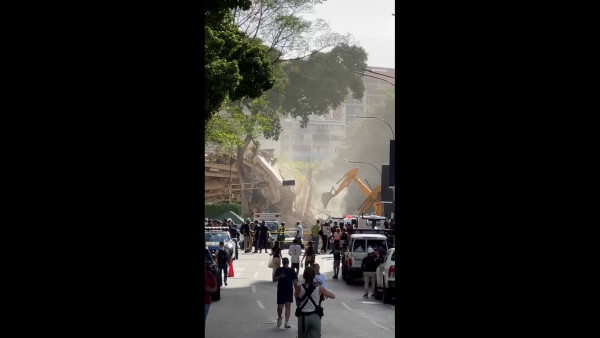
Aid agencies on Friday highlighted massive needs across Venezuela caused by a double earthquake disaster that has killed at least 235 people so far, with search and rescue for people trapped under the rubble still the top priority.
In all, up to 6.8 million people could be impacted by Wednesday’s emergency, based on the latest available population and damage projections, according to the UN agency for migration, IOM.
More than 41,000 people have also been reported missing through an online portal.
And amid reports that rescuers are digging with their bare hands in some quake-hit centres, people “are still terrified to re-enter what were their homes or other structures” and need help, reported UN-partner the International Federation of Red Cross and Red Crescent Societies (IFRC).
The quakes, measuring 7.2 and 7.5 on the Richter scale, mostly affected the Caracas capital district and the states of Miranda, Carabobo, Yaracuy and La Guaira.
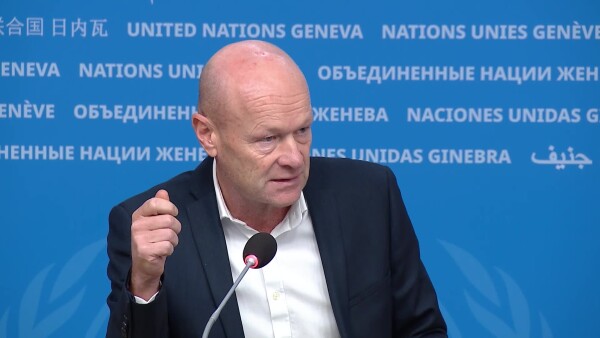
“People left everything and nothing is functioning as it should or as it has in these areas. And so, just ensuring that people can literally survive with those essentials is our priority on the ground,” IFRC spokesperson Loyce Pace, Regional Director for the Americas, told journalists in Geneva, via video from Panama City.
Many medical needs are critical. “The overriding priority is to urgently provide lifesaving health care and rescue as many people as possible, because the first hours, as you know, are critical to saving lives,” said Dr Ciro Ugarte, Health Emergencies Director for the Pan American Health Organization (PAHO), the Regional Office for the UN World Health Organization (WHO).
Dr Ugarte described medical teams under pressure to triage mass casualties and provide trauma care for broken bones, burns and other injuries associated with buildings collapsing, particularly in areas where search and rescue operations are ongoing.
The senior medic noted in addition that access remains “very difficult” for all teams working on the ground and particularly those in the health sector, making it difficult to make a thorough assessment of the situation. "We have been struggling to reach all those health facilities," he explained.
In addition to emergency medical care, people “who have lost everything” need temporary shelter, safe water, sanitation, healthcare, protection and essential relief items, said Zoe Brennan from the UN migration agency, IOM. Later, the recovery will need to be sustained “to help families rebuild their homes, restore livelihoods and recover with dignity”, she insisted.
Aid agencies highlighted how the earthquakes hit an already vulnerable country; millions of nationals live abroad after escaping a longstanding economic crisis and human rights violations that have been the subject of an ongoing Human Rights Council investigation.
Confirming an internet blackout in Venezuela, the UN human rights office, OHCHR, said that “pre-existing restrictions” remained in place in the first few hours after the earthquakes.
“We call, as we've called before, to adopt measures to safeguard the digital space and guarantee the right to information and freedom of expression and access to digital media in Venezuela,” said OHCHR spokesperson Marta Hurtado.
ends
Venezuela earthquake response: OCHA, IOM, PAHO, UNHCR, OHCHR, IFRC
TRT: 3 min 14s
SOURCE: UNTV CH
RESTRICTIONS: NONE
LANGUAGE: ENGLISH / NATS
ASPECT RATIO: 16:9 & 9:16 vertical broll
DATELINE: 26 JUNE 2026 GENEVA, SWITZERLAND & 25 JUNE 2026 LOS PALOS GRANDES IN THE MUNICIPALITY OF CHACAO, CARACAS, VENEZUELA (please credit UNHCR)
Speakers:
- OCHA spokesperson Jens Laerke
- IFRC spokesperson Loyce Pace, Regional Director for the Americas (from Panama City)
- Dr Ciro Ugarte, PAHO/WHO Health Emergencies Director (from Washington, DC)
- UNHCR spokesperson Matt Saltmarsh
- IOM spokesperson Zoe Brennan
- OHCHR spokesperson Marta Hurtado
SHOTLIST
- Exterior wide aerial view of UN Geneva.
- Wide, Press room.
- SOUNDBITE (English) — OCHA spokesperson Jens Laerke: “The entire humanitarian system is moving very fast and at scale, supporting the government-led response in Venezuela. Top priority: search and rescue.”
- Wide, journalists, participants, remote speaker on TV screen.
- SOUNDBITE (English) – IFRC spokesperson Loyce Pace, Regional Director for the Americas: “After two nights, people are still terrified to re-enter what were their homes or other structures and still finding themselves displaced.”
- Wide, Press room.
- SOUNDBITE (English) – IFRC spokesperson Loyce Pace, Regional Director for the Americas: “People left everything and nothing is functioning as it should or as it has in these areas. And so, just ensuring that people can literally survive with those essentials is our priority on the ground.”
- Medium-wide, podium speakers listening with headsets.
- SOUNDBITE (English) – UNHCR spokesperson Matt Saltmarsh: “Tragically, authorities in La Guaira reported the collapse of a temporary accommodation centre hosting around 140 returnees who had recently arrived on a flight from the United States.”
- Wide, podium speakers.
- SOUNDBITE (English) – IOM spokesperson Zoe Brennan: “On the basis of the best available population and damage projections, IOM estimates that up to 6.76 million people could be affected in Venezuela following these events.”
- Wide, podium speakers, journalists, participants.
- SOUNDBITE (English) – IOM spokesperson Zoe Brennan: “The immediate priorities are clear: emergency shelter, safe water, sanitation, health care, protection and essential relief items for those who have lost everything.”
- Wide, Press room.
- SOUNDBITE (English) – Dr Ciro Ugarte, PAHO/WHO Health Emergencies Director (from Washington, DC): “The overriding priority is to urgently provide lifesaving health care and rescue as many people as possible, because the first hours, as you know, are critical to saving lives.”
- Medium, journalist.
- SOUNDBITE (English) – Dr Ciro Ugarte, PAHO/WHO Health Emergencies Director (from Washington, DC): “The immediate health priorities include also mass casualty management, trauma care, particularly in the areas with collapsed buildings and ongoing search and rescue operations. Hospitals are managing injuries such as broken bones and health injuries, but also we are seeing burns and other injuries that result from building collapse.”
- Wide, podium speakers.
- SOUNDBITE (English) OHCHR spokesperson Marta Hurtado: “We have documented that, yes, pre-existing restrictions to the internet stay in place during the first few hours after the earthquake. Of course, we call, as we've called before, to adopt measures to safeguard the digital space and guarantee the right to information and freedom of expression and access to digital media in Venezuela.”
- Wide, vertical, earth-moving equipment at work and emergency services in Los Palos Grandes in the Municipality of Chacao, Caracas. Please credit UNHCR.
- Wide, vertical, earth-moving equipment at work and crowds in Los Palos Grandes in the Municipality of Chacao, Caracas. Please credit UNHCR.
- Wide, vertical, public building showing earthquake damage in Los Palos Grandes in the Municipality of Chacao, Caracas. Please credit UNHCR.
- Wide, vertical, apartment building showing earthquake damage in in Los Palos Grandes in the Municipality of Chacao, Caracas. Please credit UNHCR.
- Wide, vertical, apartment building showing earthquake damage in Los Palos Grandes in the Municipality of Chacao, Caracas. Please credit UNHCR.
Similar Stories
1
1
1
Edited News | OCHA , UNICEF , WFP
Aid agencies warned on Friday of the fast-developing humanitarian emergency inside Taiz City in Yemen, which has been encircled by de facto Houthi forces fighting government troops along the country’s west coast.

2
17
1
2
Edited News , Press Conferences , Images | OCHA , WMO
Two UN agencies teamed up on Wednesday to issue an appeal for immediate assistance to help communities already being impacted by the strongest El Niño on record.

3
16
2
2
Edited News , B-roll , Conferences , Images | UNITED NATIONS , UNOG
Sixth Consultative Meeting on Enhancing Coordination of Peace Initiatives and Efforts for Sudan

1
1
1
Edited News | UNICEF , WHO , UNHCR
Yemen war continues to force families from homes amid hunger and disease
More than 250,000 people have now fled renewed fighting in Yemen, the UN said on Tuesday, citing particular concern for those sheltering in the southwestern city of Taiz and the wider governorate, where access is “essentially blocked”.

1
1
1
Edited News | UNICEF
A little over one year since a ceasefire agreement was announced between Hamas fighters and Israel, more than 340 children have been reported killed and hundreds more injured, the UN Children’s Fund, UNICEF, said on Friday.

1
1
1
Edited News | UNICEF , IFRC
Six weeks after Nepal’s deadly flooding disaster, communities are still struggling to rebuild their lives, but they will need sustained help as global warming increases the risk of another Himalayan catastrophe, the UN Children’s Fund (UNICEF) said on Friday.

1
1
1
Edited News | WHO
In suspected Russia plague death, testing and monitoring underway – WHO
The death of a lab worker in Russia’s Siberia region has sparked concerns about plague being the cause, the UN World Health Organization (WHO) said on Tuesday, adding that it was following the situation closely.

1
1
Edited News | OHCHR , UNOG
UN Human Rights Chief Volker Türk on Friday provided and oral update to the 63rd session of the Human rights Council on Ukraine.

1
1
1
Edited News | OHCHR , UNOG
UN Human Rights Chief Volker Türk on Friday provided and oral update to the 63rd session of the Human rights Council on the human rights situation in Haiti.

1
1
1
Edited News | WHO
Repeated delays in bringing lifesaving medicines, prosthetics and more from Israel into Gaza risk having devastating consequences on Palestinians who urgently need them in the wartorn enclave, the UN World Health Organization (WHO) said on Friday. “A truck full of non-priority supplies or the right supplies arriving too late, doesn't save lives. That's the question that actually matters," said Dr Reinhilde Van De Weerdt, WHO Representative in the OPT.

1
1
1
Edited News | WHO
DRC: Early access to care and oxygen decisive for Ebola patients’ survival – WHO
In the Democratic Republic of the Congo (DRC), health workers fighting the country’s largest-ever Ebola outbreak are struggling to overcome critical challenges to patient care, the UN World Health Organization (WHO) warned on Tuesday.

1
1
1
Edited News | OCHA , UN
Civilians in Iran are continuing to feel the consequences of months of conflict and military escalation, the UN’s top official in the country has said, as loss of life, damage to civilian infrastructure and mounting economic pressures leave many facing continued uncertainty.