

The United Nations Office at Geneva
Multimedia Newsroom
New Visitors Gateway to the UN unveiled in Geneva
A ceremony marking the completion of the construction of the Portail des Nations, a soon-to-open visitors centre for the UN in Geneva, was held today for diplomats from around the world who have gathered in the Swiss city for the opening session of the Human Rights Council.
Designed as a new entry point for visitors to the UN’s European headquarters at the Palais des Nations, the Portail will provide a dedicated space for welcoming, informing and engaging the public on the role of the United Nations and multilateral cooperation.
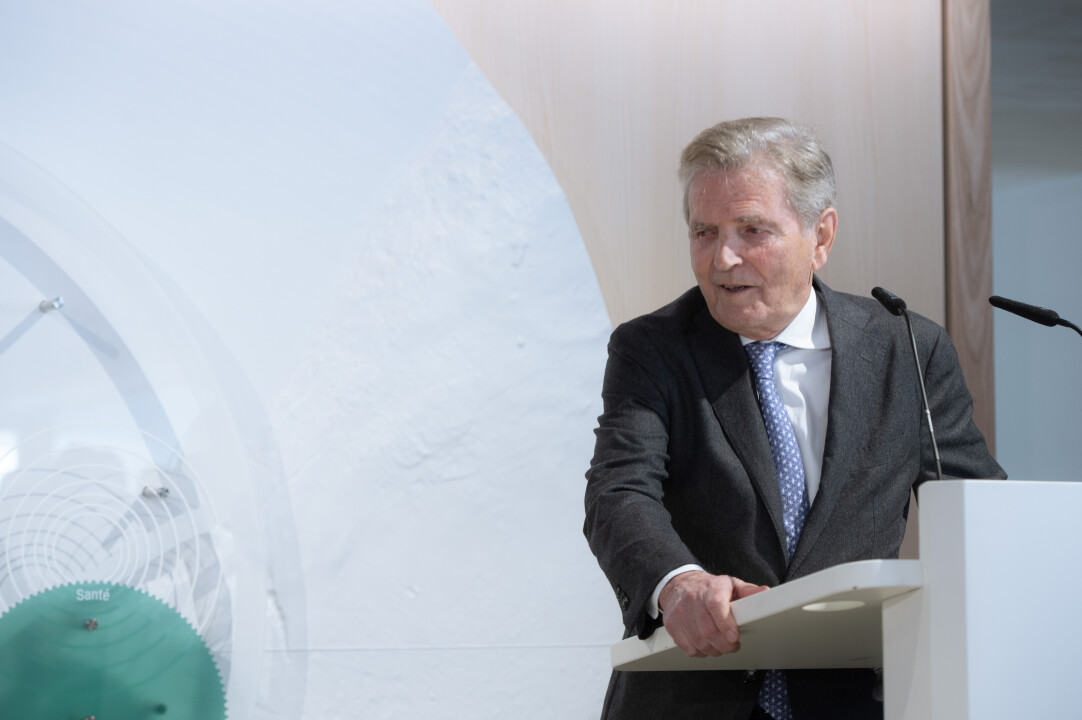
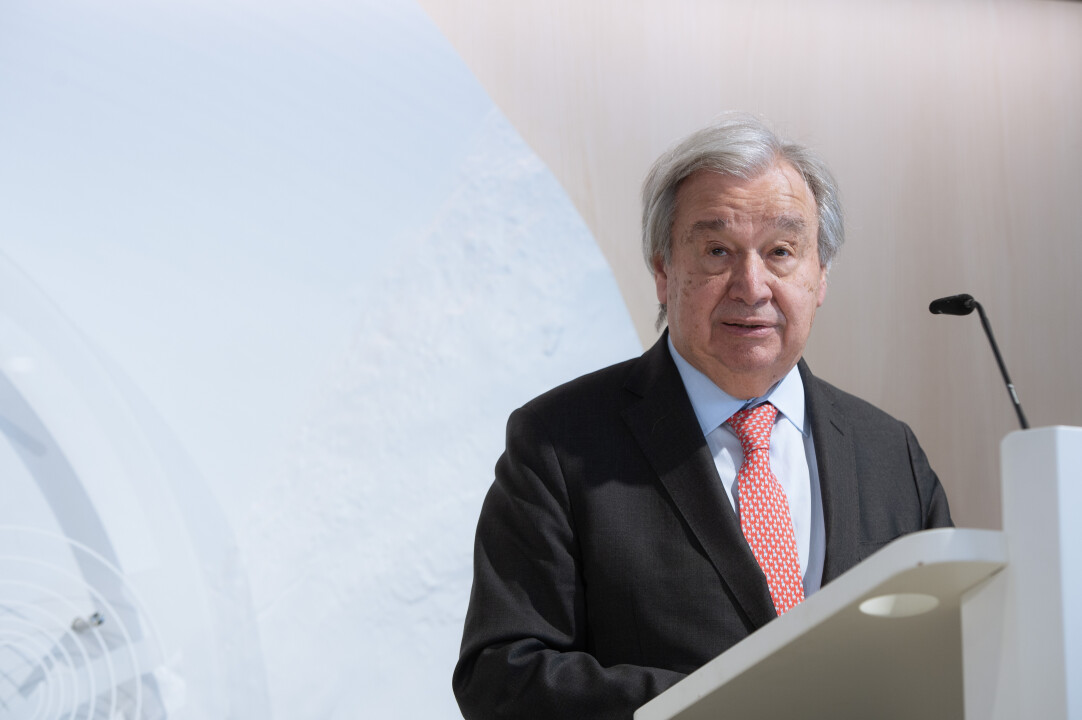
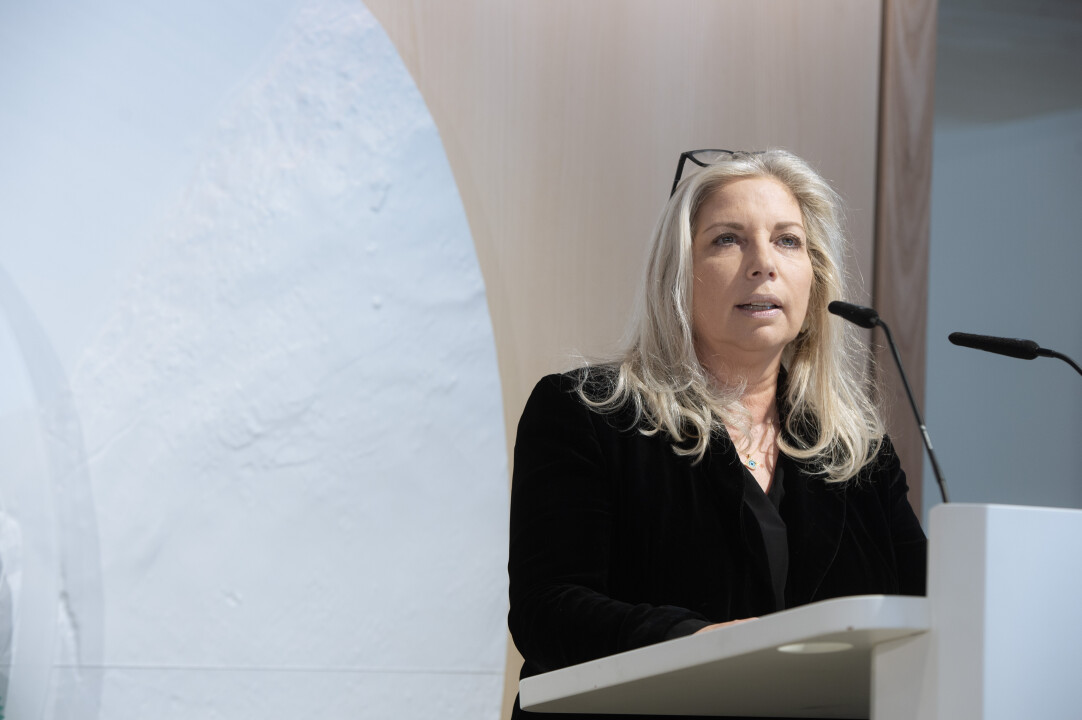
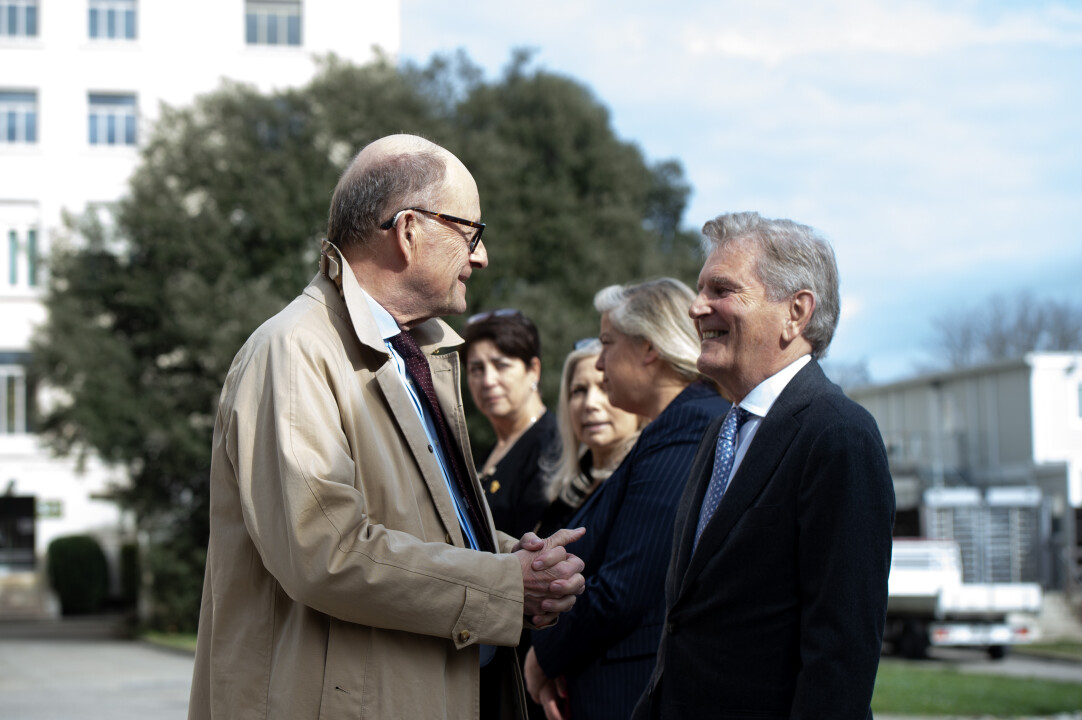
The “topping out ceremony” — a construction tradition marking the placement of the final structural elements to a building complex— took place in the presence of UN Secretary-General António Guterres; Vice President of the Swiss Confederation and Head of the Federal Department of Foreign Affairs Ignazio Cassis; State Councillor of the Republic and Canton of Geneva Nathalie Fontanet; and the President of the Portail des Nations Foundation, Ivan Pictet.
“Engaging with public audiences has never been more vital. Around the world, we see multilateralism under attack and raw power on the rise. We see hate and bigotry taking root, and facts twisted beyond recognition. That is why we need venues like the Portail des Nations, the Gateway of Nations. It will offer visitors a fresh way to experience our European Headquarters — and connect with our work around the globe,” Mr. Guterres said.
Speaking in French, Swiss Vice President Ignazio Cassis said “I look forward to seeing this place flooded with visitors from all over the world; among which young people, who will use this Portal not only to enter a building, but also to better understand why international cooperation remains essential.”
Ms. Nathalie Fontanet, speaking on behalf of the Geneva authorities, stated that “this new gateway reflects Geneva’s deep commitment to international cooperation. It highlights the expertise and innovation driven by the United Nations, its agencies and partners working here for the benefit of humanity.”
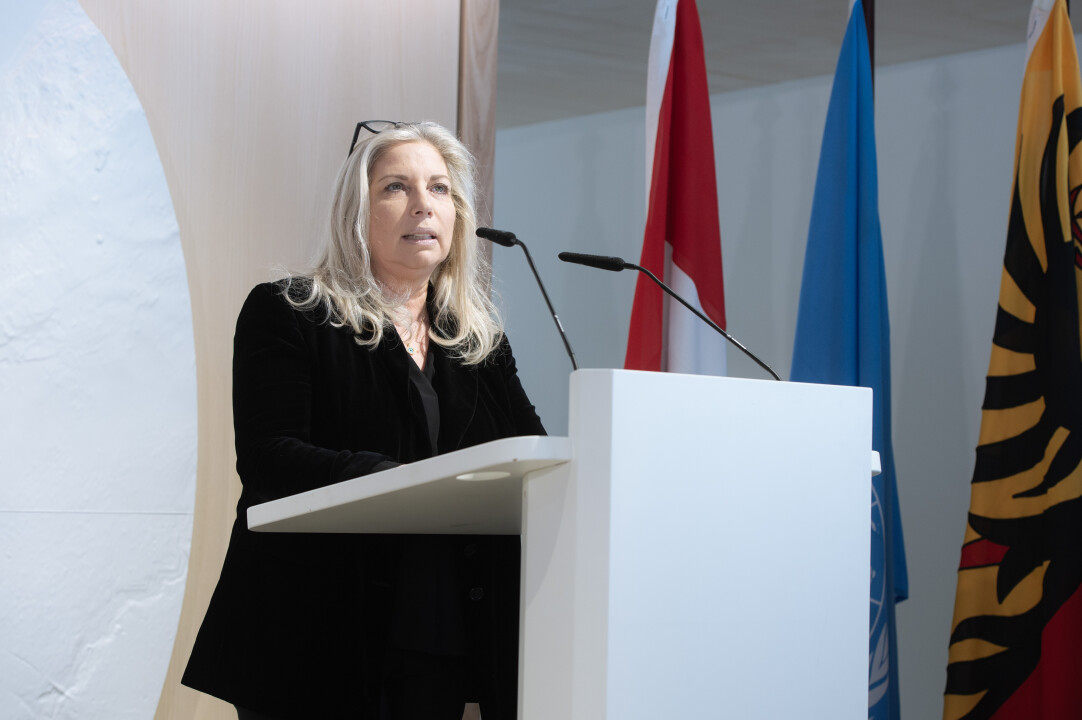
Presenting an artistic clock display that evokes Geneva’s watch-making heritage and highlights the main areas of work of the UN system, Ivan Pictet, the President of the Portail des Nations Foundation, said that in Geneva “you find the highest concentration of international organizations, in a circle of a few hundred meters. And what this clock is doing, but you cannot hear, is that it is ticking. The challenges we face: — climate, health, work, education and inequality cannot wait for another ‘report’”, he said, using the French meaning of the word that denotes a postponement (as well as a written report). “It reminds us that multilateral cooperation is not a luxury. It is the only serious answer we have, today, to adapt to a new world order.”
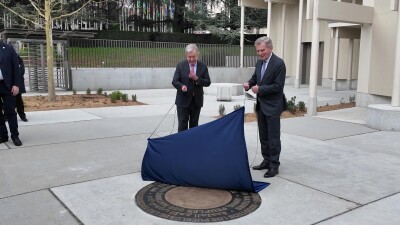
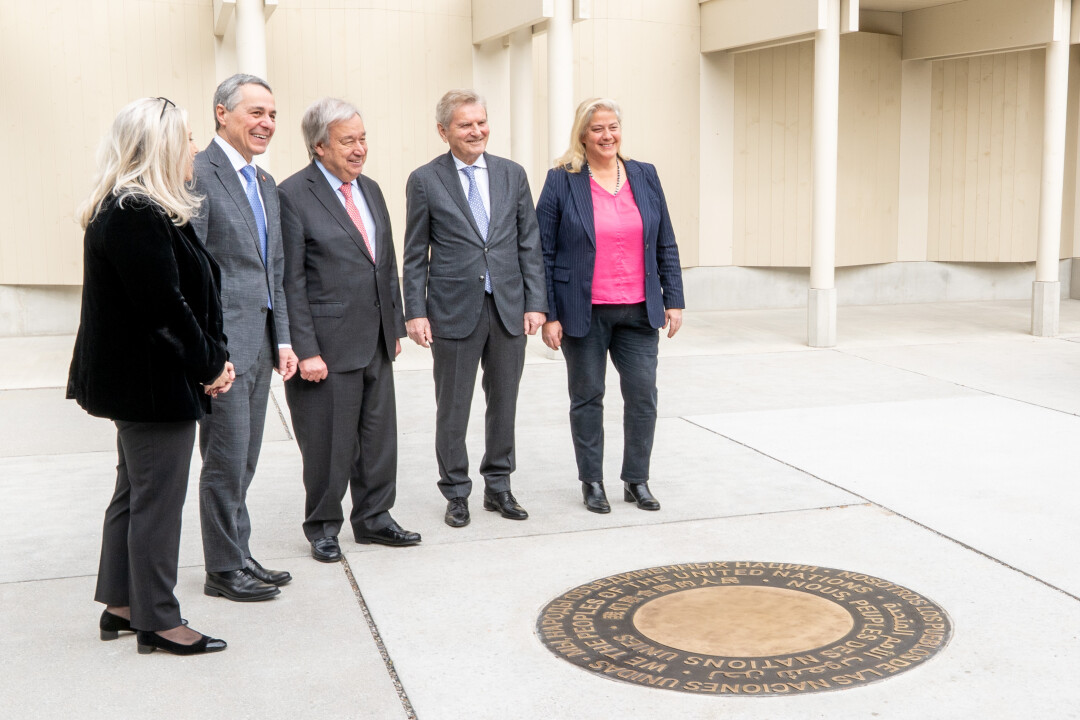
The ceremony included the unveiling of a “We the Peoples” plaque, symbolizing the principles and values enshrined in the Charter of the United Nations.
This new UN Geneva visitor centre, which opens on the the public square known as Place des Nations, is expected to open to the public in May 2026. Once operational, it will offer a unique immersive experience dedicated to multilateralism, the role of the United Nations family in Geneva and the breadth of its international cooperation activities - in addition to becoming the point of departure and arrival for the guided tours of the Palais des Nations.
— ends —
Story: New Visitors Gateway to the UN unveiled in Geneva
TRT: 4:00
SOURCE: UNTV CH
RESTRICTIONS: NONE
LANGUAGE: ENGLISH / FRENCH / NATS
ASPECT RATIO: 16:9
DATELINE: 23 FEBRUARY 2025 GENEVA, SWITZERLAND
Speakers:
- UN Secretary-General, António Guterres
- Vice President of the Swiss Confederation and Head of the Federal Department of Foreign Affairs, Ignazio Cassis
- State Councillor of the Republic and Canton of Geneva, Nathalie Fontanet
- President of the Portail des Nations Foundation, Ivan Pictet
- Exterior Wide, UN Geneva flag alley (file footage).
- Exterior Wide, UN Geneva Palais des Nations, with new Portail des Nations building visible on the left.
- Exterior Wide, arrival of Vice President and Head of Department of Foreign Affairs of Switzerland, H.E. Ignazio Cassis.
- Exterior Wide pans left, arrival of UN Secretary-General António Guterres, who is introduced to Geneva authorities.
- Ext Medium wide, Ignazio Cassis (left) António Guterres (center) and Ivan Pictet (right) walking together
- Ext Wide shot, Ignazio Cassis (left) António Guterres (center) and Ivan Pictet (right) walking together with large group of deluges
- Ext Medium wide, Ignazio Cassis (left) António Guterres (center) and Ivan Pictet (right) walking together, with Ignazio Cassis commenting, sound up.
- Ext Medium shot follows Ignazio Cassis and António Guterres
- Interior Medium wide, master of ceremonies introduces UN Secretary-General António Guterres, sound up.
- SOUNDBITE (English) – António Guterres, UN Secretary-General: “Engaging with public audiences has never been more vital. Around the world, we see multilateralism under attack and raw power on the rise. We see hate and bigotry taking root, and facts twisted beyond recognition. That is why we need venues like the Portail des Nations, the Gateway of Nations. It will offer visitors a fresh way to experience our European headquarters — and connect with our work around the globe.”
- Interior, Pan left, audience clapping.
- SOUNDBITE (French) – H.E. Ignazio Cassis, Vice President of the Swiss Confederation and Head of Department of Foreign Affairs of Switzerland: “Je me rejoui de voir ici des visiteurs du monde entier, en particulier des jeunes, franchir ce Portail et comprendre pourquoi la coopération reste essentielle.” (“I look forward to seeing this place flooded with visitors from all over the world, especially young people, who enter this gateway to better understand why international cooperation remains essential.”)
- Wide shot , attendees listening
- SOUNDBITE (English) – Ms. Nathalie Fontanet, State Councillor of the Republic and Canton of Geneva Nathalie Fontanet :“This new gateway reflects Geneva’s deep commitment to international cooperation. It highlights the expertise and innovation driven by the United Nations, its agencies and partners working here for the benefit of humanity.”
- Cutaway, viewfinder of camera as Ivan Pictet speaks.
- SOUNDBITE (English) – Ivan Pictet, President of the Portail des Nations Foundation: “You find the highest concentration of international organizations, in a circle of a few hundred meters. And what this clock is doing, but you cannot hear, is that it is ticking. The challenges we face: — climate, health, work, education and inequality cannot wait for another ‘report… It reminds us that multilateral cooperation is not a luxury. It is the only serious answer we have, today, to adapt to a new world order.”
- Interior wide, delegates chat as Mr. Pictet and Mr. Guterres appear on large screen
- Exterior, medium-wide Mr. Pictet and Mr. Guterres unveil the “We the Peoples” plaque
- Panning shot, attendees applauding
- Medium-Wide, Mr. Guterres and Mr. Pictet looking at the plaque, shake hands
- Medium-Wide, Mr. Guterres and Mr. Pictet and other dignitaries gather for photo-op
- Reaction shot of photographers and audience.
- Medium shot showing the “We the Peoples” plaque, tilts up to show Mr. Guterres talking to diplomats.
Similar Stories

1
1
1
Edited News | OCHA , UNICEF , WFP
Aid agencies warned on Friday of the fast-developing humanitarian emergency inside Taiz City in Yemen, which has been encircled by de facto Houthi forces fighting government troops along the country’s west coast.

2
17
1
2
Edited News , Press Conferences , Images | OCHA , WMO
Two UN agencies teamed up on Wednesday to issue an appeal for immediate assistance to help communities already being impacted by the strongest El Niño on record.

3
16
2
2
Edited News , B-roll , Conferences , Images | UNITED NATIONS , UNOG
Sixth Consultative Meeting on Enhancing Coordination of Peace Initiatives and Efforts for Sudan

1
1
1
Edited News | UNICEF , WHO , UNHCR
Yemen war continues to force families from homes amid hunger and disease
More than 250,000 people have now fled renewed fighting in Yemen, the UN said on Tuesday, citing particular concern for those sheltering in the southwestern city of Taiz and the wider governorate, where access is “essentially blocked”.

1
1
1
Edited News | UNICEF
A little over one year since a ceasefire agreement was announced between Hamas fighters and Israel, more than 340 children have been reported killed and hundreds more injured, the UN Children’s Fund, UNICEF, said on Friday.

1
1
1
Edited News | UNICEF , IFRC
Six weeks after Nepal’s deadly flooding disaster, communities are still struggling to rebuild their lives, but they will need sustained help as global warming increases the risk of another Himalayan catastrophe, the UN Children’s Fund (UNICEF) said on Friday.

1
1
1
Edited News | WHO
In suspected Russia plague death, testing and monitoring underway – WHO
The death of a lab worker in Russia’s Siberia region has sparked concerns about plague being the cause, the UN World Health Organization (WHO) said on Tuesday, adding that it was following the situation closely.

1
1
Edited News | OHCHR , UNOG
UN Human Rights Chief Volker Türk on Friday provided and oral update to the 63rd session of the Human rights Council on Ukraine.

1
1
1
Edited News | OHCHR , UNOG
UN Human Rights Chief Volker Türk on Friday provided and oral update to the 63rd session of the Human rights Council on the human rights situation in Haiti.

1
1
1
Edited News | WHO
Repeated delays in bringing lifesaving medicines, prosthetics and more from Israel into Gaza risk having devastating consequences on Palestinians who urgently need them in the wartorn enclave, the UN World Health Organization (WHO) said on Friday. “A truck full of non-priority supplies or the right supplies arriving too late, doesn't save lives. That's the question that actually matters," said Dr Reinhilde Van De Weerdt, WHO Representative in the OPT.

1
1
1
Edited News | WHO
DRC: Early access to care and oxygen decisive for Ebola patients’ survival – WHO
In the Democratic Republic of the Congo (DRC), health workers fighting the country’s largest-ever Ebola outbreak are struggling to overcome critical challenges to patient care, the UN World Health Organization (WHO) warned on Tuesday.

1
1
1
Edited News | OCHA , UN
Civilians in Iran are continuing to feel the consequences of months of conflict and military escalation, the UN’s top official in the country has said, as loss of life, damage to civilian infrastructure and mounting economic pressures leave many facing continued uncertainty.