

The United Nations Office at Geneva
Multimedia Newsroom
“State of Silence”: Diego Luna brings the fight to protect the press to the UN in Geneva
Mexican actor, producer and director Diego Luna has brought his fight to protect journalists all the way to the United Nations, in Geneva.
Together with documentary director Santiago Masa, he is putting a spotlight on the silencing of investigative journalism in his country, and on the incredibly high price that many journalist have to pay in pursuit of truth.
Mr. Luna is the executive producer of “State of Silence”, a documentary on the challenges of press freedom in Mexico. The film, which Santiago Maza directed, portrays four courageous Mexican journalists who have become targets in retaliation for their reporting on organized crime and systemic corruption. Many reporters have been forced into hiding or into exile, limiting the public’s access to critical information.
“There are areas that have been silenced in our country”, the star of the “Narcos: Mexico” series told UN News, as he explained how violence, impunity, threats against journalists have been growing to the point of creating “zones of silence, zones where one doesn’t find out what is happening because there is no one to report stories”.
Since 2017, there have been 69 recorded murders and 32 documented cases of disappearances of journalists in Mexico, a staggering number for a country that is not at war, according to the United Nations Human Rights office (OHCHR). The UN’s human rights arm leads the International Day to End Impunity for Crimes Against Journalists, and partnered with the “State of Silence” production team to screen the documentary at a theatrical premiere in the Swiss city of Geneva.
High level of Impunity
“Violence exists because nothing happens, because it can be done”, alerted Diego Luna. “It is just a sample of what we live in the country, a country with a very high level of impunity”, he insisted. “Also, journalism experiences a head-on confrontation and a disqualification from the different powers, not only the political power and but also the economic forces. There is a constant disqualification and then an indifference as well. We have normalized violence, we have normalized injustice, we have normalized inequality in our country,” deplored the renowned actor.
Mexico ranks 121st in the World Press Freedom Index of Reporters Without Borders (RSF) and 165th in terms of safety. This reality reflects the decline of media freedom the OHCHR has observed in all regions of the globe in recent years. Between 2006 and 2024, over 1,700 journalists have been killed around the world in possible connection with their work, and around 85 percent of the cases did not make it to court, according to a report of the UN Educational, Scientific and Cultural Organization (UNESCO) that is mandated with keeping track of and promoting journalists’ safety worldwide. It also reveals that murders of journalists rose 38 per cent between 2022 and 2023.
“It’s too easy to get away with crime”, emphasized Thibaut Bruttin, Director General of Reporters Without Borders who took part in the panel debate after the screening. “If you are an armed group, a mafia group, in many countries around the world, there is very little chance statistically that you will be held accountable. So that involves stimulating the prosecutors and teams who must investigate these cases”, he added.
Beside the impunity and lack of protection, journalists in many countries also face the criminalization of their activities. Diego Luna denounced the indifference and solitude that reporters often endure while carrying out their investigations, and the fatalism in public expression about the work of media.
For the movie star, the support of international organizations like the United Nations is fundamental for these issues to gain a wider resonance, to connect the reality of the journalists in Mexico with those of others in different parts of the world.
Echoing those concerns, Reporters Without Borders warned against the mix of information between pure propaganda, advertising, rumor, opinion and journalism that “truly risks perishing in this ecosystem which is also economically not favorable,” and the need to foster a social and political environment that actively defends the access to reliable information, the role of the media and recognize its liability.
“When you have professional skills and a liability regime associated with your publication, you should benefit from advantages from the technological platforms, from the public with a label, from advertisers, from public authorities. And it is this virtuous circle of journalism that we must build together», explained Mr. Bruttin.
State of Silence premiered this year at the Tribeca International Film Festival in the United States and the Guadalajara International Film Festival in Mexico. It won Best Feature Film at the Santiago International Film Festival in Chile.
-ends-
Story: “Crimes against journalists – Diego Luna and RSF” – 14 November 2024
Speakers:
- Diego Luna, actor, director and producer
- Thibaut Bruttin, Director General of Reporters Without Borders (RSF
TRT: 04’36”
SOURCE: UNTV CH
LANGUAGE: ENGLISH / NATS
ASPECT RATIO: 16:9
DATELINE shote on: 14 November 2024 - GENEVA, SWITZERLAND
One to one interviews in TV Studio Geneva
SHOTLIST
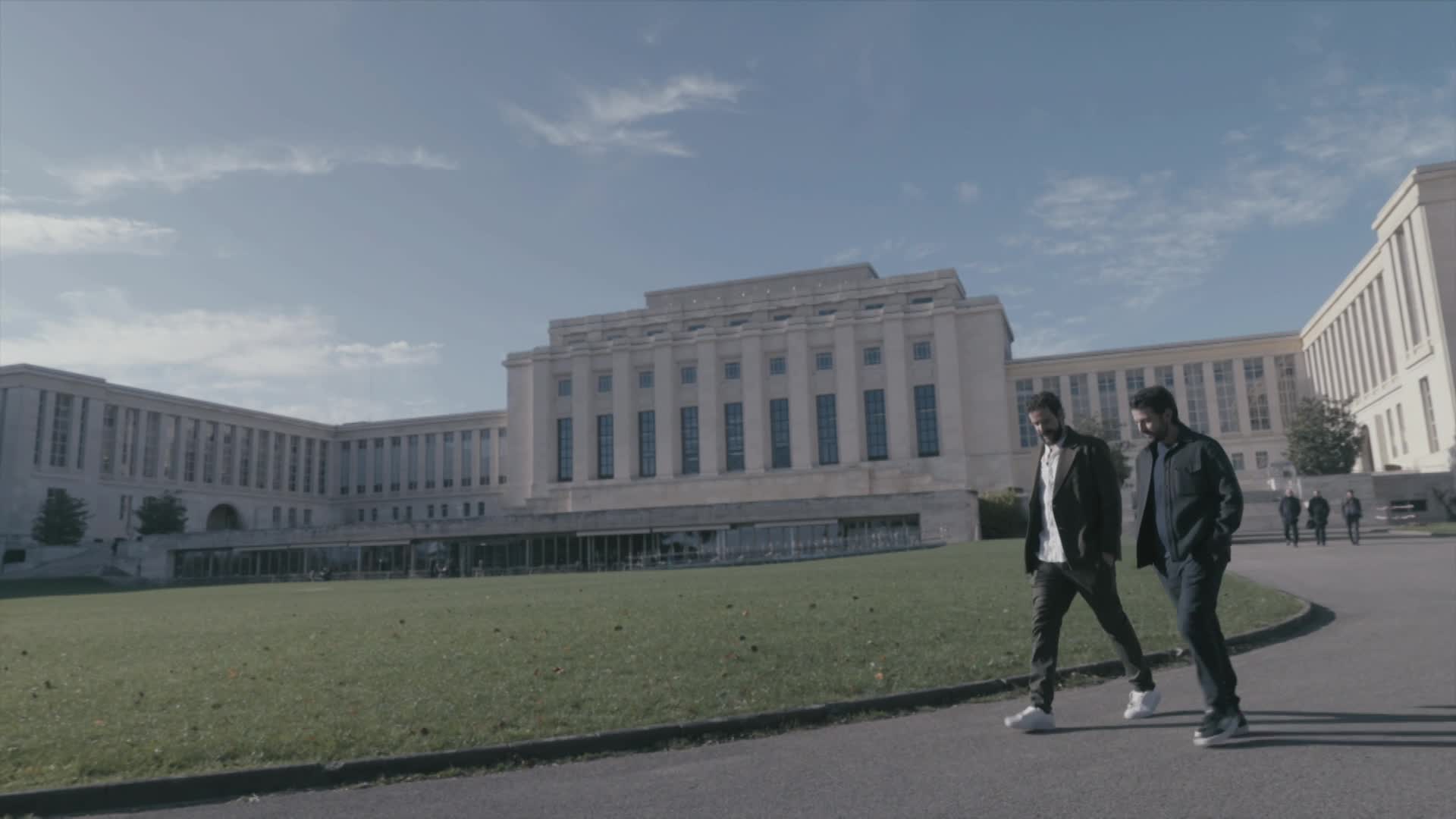
- Diego Luna and Director Santiago Maza walking in front of the United Nations building in Geneva towards the press conference room.
- Soundbite (Spanish) Diego Luna, actor, director and producer: “’Estado de silencio’ es el título de un documental que habla sobre ejercer el periodismo hoy en México, como hay zonas que han sido silenciadas en nuestro país. Hoy la violencia, la impunidad, las amenazas contra el periodismo han ido creciendo al punto de crear zonas de silencio, zonas donde no nos enteramos de qué es lo que pasa, donde no hay nadie contándonos esas historias.”
English translation: “'State of silence' is the title of a documentary that talks about practicing journalism today in Mexico, how there are areas that have been silenced in our country. Today violence, impunity, threats against journalism have been growing to the point of creating zones of silence, zones where we do not find out what is happening, where there is no one to tell us stories.” - Video clip: excerpt of the trailer presenting the four Mexican journalists portrayed.
- Soundbite (Spanish) Diego Luna, actor, director and producer: “Esta violencia existe porque no pasa nada, porque se puede. Es solo el botón de muestra de lo que se vive en el país, un país con un altísimo nivel de impunidad.”
English translation: “This violence exists because nothing happens, because it can be done. It is just a sample of what we live in the country, a country with a very high level of impunity.”
- Cutaway: wide shot of the press conference room in Geneva.
- Soundbite (Spanish) Diego Luna, actor, director and producer: “Hoy, el periodismo vive una confrontación frontal y una descalificación de los distintos poderes, no solo el poder político sino el económico también. Hay una descalificación constante y luego una indiferencia también: hemos normalizado la violencia, hemos normalizado la injusticia, hemos normalizado la desigualdad en nuestro país.”
English translation: “Today, journalism is facing a head-on confrontation and a disqualification from the different powers, not only from the political power but the economic forces as well. There is a constant disqualification and then indifference as well: we have normalized violence, we have normalized injustice, we have normalized inequality in our country.”
- Medium shot of Thibaut Bruttin being interviewed in the press conference room.
- Soundbite (French) Thibaut Bruttin, Director General of Reporters Without Borders (RSF): « Aujourd'hui, c'est trop facile de s'en tirer. Si vous êtes un groupe armé, un groupe mafieux, dans beaucoup de pays du monde, il y a très peu de chances statistiquement, que vous ayez à rendre des comptes tôt ou tard. Donc ça, ça passe par la stimulation des procureurs et des équipes qui doivent enquêter sur ces affaires-là. »
English translation: “Today, it’s too easy to get away with it. If you are an armed group, a mafia group, in many countries around the world, there is very little chance statistically that you will be held accountable. So, that involves stimulating the prosecutors and the teams who must investigate these cases. » - Video clip: excerpt of the trailer.
- Soundbite (Spanish) Diego Luna, actor, director and producer: “Nosotros podemos ayudar no solo a que el cine termine conectándoles con el público, sino además con quienes hacen y ejercen el periodismo en otros países, en otros territorios. Y para eso es importante el trabajo que se puede hacer, por ejemplo, desde aquí, desde la ONU, en crear, entender estas redes, en crear lazos entre quienes hoy están viviendo una realidad similar en otros países.”
English translation: “We can help not only so that cinema ends up connecting them (the journalists) with the public, but also with those who make and practice journalism in other countries, in other territories. And for that, the work that can be done from here, from the UN, is important in creating and understanding these networks, in creating ties between those who today are living a similar reality in other countries.” - Wide travelling shot on the public at Cinérama Empire theater in Geneva.
- Medium shot of Diego Luna taking selfies with fans following the screening.
- Soundbite (French) Thibaut Bruttin, Director General of Reporters Without Borders (RSF) : «On est dans un capharnaüm aujourd'hui où vous avez un mélange entre des informations qui sont de la pure propagande, de la publicité, de la rumeur, du commentaire et au milieu de tout ça se trouve le pauvre journalisme. Et le journalisme risque véritablement de périr dans cet écosystème qui lui est, en plus, économiquement défavorable. »
English translation: “We are in a mess today where you have a mixture between information which is pure propaganda, advertising, rumor, opinion and in the middle of all that is journalism. And journalism truly risks perishing in this ecosystem which is also economically unfavorable to it. » - Wide shot of theater and screen showing “State of Silence”.
- Medium shot of the panel discussion at Cinérama Empire theater with Thibaut Bruttin talking.
(Members of the panel from left to right are: Gunilla von Hall, Swedish journalist; Thibaut Bruttin RSF; Diego Luna and Volker Türk, High Commissioner for Human Rights). - Soundbite (French) Thibaut Bruttin, Director General of Reporters Without Borders (RSF) : «Quand vous avez des compétences professionnelles, quand vous avez un régime de responsabilité qui est associé à votre publication, vous devriez bénéficier d’avantages auprès des plateformes technologiques, auprès du public avec un label, auprès des annonceurs, auprès des pouvoirs publics. Et c'est ce cercle vertueux du journalisme qu'il faut qu'on construise ensemble. »
English translation: “When you have professional skills, when you have a liability regime associated with your publication, you should benefit from advantages from the technological platforms, from the public with a label, from advertisers, from public authorities. And it is this virtuous circle of journalism that we must build together. »
Clean version of the trailer and film excerpts attached.
Trailer and film excerpts with English subtitles available here
Similar Stories

1
1
1
Edited News | OCHA , UNICEF , WFP
Aid agencies warned on Friday of the fast-developing humanitarian emergency inside Taiz City in Yemen, which has been encircled by de facto Houthi forces fighting government troops along the country’s west coast.

2
17
1
2
Edited News , Press Conferences , Images | OCHA , WMO
Two UN agencies teamed up on Wednesday to issue an appeal for immediate assistance to help communities already being impacted by the strongest El Niño on record.

3
16
2
2
Edited News , B-roll , Conferences , Images | UNITED NATIONS , UNOG
Sixth Consultative Meeting on Enhancing Coordination of Peace Initiatives and Efforts for Sudan

1
1
1
Edited News | UNICEF , WHO , UNHCR
Yemen war continues to force families from homes amid hunger and disease
More than 250,000 people have now fled renewed fighting in Yemen, the UN said on Tuesday, citing particular concern for those sheltering in the southwestern city of Taiz and the wider governorate, where access is “essentially blocked”.

1
1
1
Edited News | UNICEF
A little over one year since a ceasefire agreement was announced between Hamas fighters and Israel, more than 340 children have been reported killed and hundreds more injured, the UN Children’s Fund, UNICEF, said on Friday.

1
1
1
Edited News | UNICEF , IFRC
Six weeks after Nepal’s deadly flooding disaster, communities are still struggling to rebuild their lives, but they will need sustained help as global warming increases the risk of another Himalayan catastrophe, the UN Children’s Fund (UNICEF) said on Friday.

1
1
1
Edited News | WHO
In suspected Russia plague death, testing and monitoring underway – WHO
The death of a lab worker in Russia’s Siberia region has sparked concerns about plague being the cause, the UN World Health Organization (WHO) said on Tuesday, adding that it was following the situation closely.

1
1
Edited News | OHCHR , UNOG
UN Human Rights Chief Volker Türk on Friday provided and oral update to the 63rd session of the Human rights Council on Ukraine.

1
1
1
Edited News | OHCHR , UNOG
UN Human Rights Chief Volker Türk on Friday provided and oral update to the 63rd session of the Human rights Council on the human rights situation in Haiti.

1
1
1
Edited News | WHO
Repeated delays in bringing lifesaving medicines, prosthetics and more from Israel into Gaza risk having devastating consequences on Palestinians who urgently need them in the wartorn enclave, the UN World Health Organization (WHO) said on Friday. “A truck full of non-priority supplies or the right supplies arriving too late, doesn't save lives. That's the question that actually matters," said Dr Reinhilde Van De Weerdt, WHO Representative in the OPT.

1
1
1
Edited News | WHO
DRC: Early access to care and oxygen decisive for Ebola patients’ survival – WHO
In the Democratic Republic of the Congo (DRC), health workers fighting the country’s largest-ever Ebola outbreak are struggling to overcome critical challenges to patient care, the UN World Health Organization (WHO) warned on Tuesday.

1
1
1
Edited News | OCHA , UN
Civilians in Iran are continuing to feel the consequences of months of conflict and military escalation, the UN’s top official in the country has said, as loss of life, damage to civilian infrastructure and mounting economic pressures leave many facing continued uncertainty.