

The United Nations Office at Geneva
Multimedia Newsroom
Edited News | UNICEF , WHO
Gaza Humanitarian situation UNICEF WHO 28 November 2023
STORYLINE
On the fifth day of a pause in fighting in the Gaza Strip, UN humanitarians echoed the UN Secretary-General and called for a full humanitarian ceasefire and for more aid deliveries to enter into the devastated enclave, such is the scale of need.
“If hostilities continued, if the attacks continue to like anything like the ferocity of the first six or seven weeks, we see the mass killings of children and civilians. We've already seen that. And now, as Gazans have told me here, they are starting from the position of a nightmare,” said Mr. Elder.
UN humanitarians underscored the critical need for more fuel in the north of Gaza, so that it can be used to power hospitals, provide clean water and maintain other vital civilian infrastructure.
Such services have been massively impacted by weeks of Israeli bombardment in response to Hamas’s 7 October massacres in southern Israel that left some 1,200 dead and around 240 taken hostage.
Gazan health authorities have reported that more than 15,000 people, mostly women and children, have been killed in attacks to date.
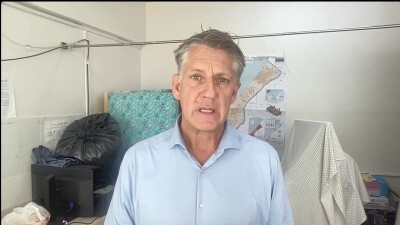
“I was in Gaza City on Sunday. You can see the look in people's faces when there was a delivery of water, people would drink the water at the moment it was given to them,” said James Elder, spokesperson for the UN Children’s Fund (UNICEF) in an update from southern Gaza.
“We have 1.8 million people displaced now, all of them bearing the marks of these horrendous attacks,” Mr. Elder continued. “You really do see sorrow and stress sort of taking root here in Gaza. There are long queues. You see a queues for two, three hours of adolescent girls just trying to go to the bathroom. And they will say time and again, ‘We've lost everything. Why are we being denied our dignity?’”
As negotiations continue for the release of more hostages in return for a prolongation of the pause in fighting, the UNICEF spokesperson spoke of his distress at seeing so many youngsters fighting for their lives.
“I expected the worst in coming, and I was surprised that it was even worse than I had imagined,” he said. “Hospitals for children - hospitals full stop - are war zones. I see children with horrendous wounds of war in car parks, on makeshift mattresses, in gardens, everywhere, doctors having to make horrendous decisions on who they prioritize.”
Mr. Elder recalled a particular encounter he had during these last days in Gaza. “I think of the little boy I saw coming from Shifa, who has spent three or four days on a bus in those 40 kilometers because of checkpoints and who had not had any help. And he's missing his left leg. The smell was clear, that was decomposing and that boy had shrapnel all over. Potentially, he was blind and had burns to 50 per cent of his body. It's not an outlier, though. Those wounds are everywhere.”
Speaking in Geneva, UN World Health Organization (WHO) spokesperson Dr. Margaret Harris said that on 24 November an assessment mission of shelters in northern Gaza had highlighted a lack of waste collection and the extremely limited access to medical consultations. “Basically, if you're sick, if your child has diarrhoea, if you've got a respiratory infection, you're not going to get any - you're very unlikely to get any - medical care because it just isn't available.”
Due to the overcrowding and poor sanitary conditions at UNRWA shelters, there have been significant increases in some communicable diseases and conditions such as diarrhoea, acute respiratory infections, skin infections and hygiene-related conditions like lice.
“If you have a child with diarrhoea, you need to give them rehydration to in order to keep them going until they get better. And if you're not able to do that, they can die very quickly from dehydration,” said Dr. Harris.
Drawing attention to the many chronic health conditions affecting Gazans, Dr. Harris pointed out that these conditions “will become acute…and those acute conditions will kill them. So eventually we will see more people dying from disease than we are even seeing from the bombardment.”
In its latest update, UN aid coordination office OCHA said that deliveries of relief supplies have been speeded up south of Wadi Gaza, where the bulk of some estimated 1.7 million internally displaced persons have sought shelter. “Key service providers, including hospitals, water and sanitation facilities and shelters, have continued receiving fuel on a daily basis to operate generators,” OCHA reported.
-ends-
STORY: Gaza Humanitarian Situation UNICEF - WHO
TRT: 3’21”
SOURCE: UNTV CH
LANGUAGE: ENGLISH
ASPECT RATIO: 16:9
DATELINE: 28 November 2023 - GENEVA, SWITZERLAND
SHOTLIST
- Exterior medium shot: UN building with UN flag, UN Geneva.
- Wide shot, press briefing room with spokesperson, journalists and screens, UN Geneva
- SOUNDBITE (ENGLISH) – James Elder, UNICEF spokesperson: “The situation there was desperate. I was in Gaza City on Sunday. You can see the look in people's faces when there was a delivery of water, people would drink the water at the moment it was given to them.”
- Cutaway: Close up, journalist listening, UN Geneva
- SOUNDBITE (ENGLISH) – James Elder, UNICEF spokesperson: “We have 1.8 million people displaced now, all of them bearing the marks of these horrendous attacks. You really do see sorrow and stress sort of taking root here in Gaza. So, yes, there are long queues. You see queues for two, three hours of adolescent girls just trying to go to the bathroom. And they will say time and again, you know, ‘We've lost everything, why are we being denied our dignity?’”
- Cutaway: Wide shot, press briefing room with spokesperson, journalists and screens, UN Geneva
- SOUNDBITE (ENGLISH) - James Elder, UNICEF spokesperson: “I expected the worst in coming and I was surprised that it was even worse than I'd imagined. Hospitals for children - hospitals full stop - are war zones. I see children with horrendous wounds of war in carparks, on makeshift mattresses, in gardens everywhere, doctors having to make horrendous decisions on who they prioritize.”
- Cutaway: Wide shot, press briefing room with journalists and screens, UN Geneva
- SOUNDBITE (ENGLISH) - James Elder, UNICEF spokesperson: “I think of the little boy I saw coming from Shifa, who spent three or four days on a bus in those 40 kilometers because of checkpoints and so on had not had any help. And he's missing his left leg. The smell was clear. That was decomposing. And that boy had that had shrapnel all over. Potentially, was blind and had burns to 50 per cent of his body. It's not an outlier. Those wounds are everywhere.”
- Cutaway: Medium shot, cameraman and journalist listening, UN Geneva
- SOUNDBITE (ENGLISH) - James Elder, UNICEF spokesperson: “If hostilities continue, if the attacks continue, with anything like anything like the ferocity of the first six or seven weeks, you see it, we see the mass killing of children and civilians. We've already seen that. And now, as I say, as Gazans have told me here, they are starting from the position of a nightmare.”
- Cutaway: Wide shot, press briefing room with journalists and screens, UN Geneva
- SOUNDBITE (ENGLISH) – Dr. Margaret Harris, spokesperson for the World Health Organization (WHO): “On 24 November WHO carry out an assessment mission to the UNRWA shelters north of Gaza. Of the things they noted were the lack of waste collection around the shelters, the extremely limited access to medical consultations. So basically, if you're sick, if your child has diarrhea, if you've got a respiratory infection, you're not going to get any, you're very unlikely to get any medical care, because it just isn't available.”
- Cutaway: Wide shot, press briefing room with journalists and screens, UN Geneva
- SOUNDBITE (ENGLISH) – Dr. Margaret Harris, spokesperson for the World Health Organization (WHO): “If you have a child with diarrhea, you need to give them rehydration in order to keep them going until they get better. And if you're not able to do that, they can die very quickly from dehydration.”
- Cutaway: Wide shot, press briefing room with journalists and screens, UN Geneva
- SOUNDBITE (ENGLISH) – Dr. Margaret Harris, spokesperson for the World Health Organization (WHO): “So those chronic conditions will become acute things, acute conditions, and those acute conditions will kill them. So eventually we will see more people dying from disease than we are even seeing from the bombardment. If we are not able to put back this health system and provide the basics of life, food, water, medicines and of course, fuel to operate the hospitals.”
- Cutaway: close up, journalist listening, UN Geneva
- Cutaway: close up, journalist listening, UN Geneva
- Cutaway: medium shot, press briefing room with journalists and camera man, UN Geneva
Similar Stories
1
1
1
Edited News | OCHA , UNICEF , WFP
Aid agencies warned on Friday of the fast-developing humanitarian emergency inside Taiz City in Yemen, which has been encircled by de facto Houthi forces fighting government troops along the country’s west coast.

2
17
1
2
Edited News , Press Conferences , Images | OCHA , WMO
Two UN agencies teamed up on Wednesday to issue an appeal for immediate assistance to help communities already being impacted by the strongest El Niño on record.
3
16
2
2
Edited News , B-roll , Conferences , Images | UNITED NATIONS , UNOG
Sixth Consultative Meeting on Enhancing Coordination of Peace Initiatives and Efforts for Sudan

1
1
1
Edited News | UNICEF , WHO , UNHCR
Yemen war continues to force families from homes amid hunger and disease
More than 250,000 people have now fled renewed fighting in Yemen, the UN said on Tuesday, citing particular concern for those sheltering in the southwestern city of Taiz and the wider governorate, where access is “essentially blocked”.

1
1
1
Edited News | UNICEF
A little over one year since a ceasefire agreement was announced between Hamas fighters and Israel, more than 340 children have been reported killed and hundreds more injured, the UN Children’s Fund, UNICEF, said on Friday.

1
1
1
Edited News | UNICEF , IFRC
Six weeks after Nepal’s deadly flooding disaster, communities are still struggling to rebuild their lives, but they will need sustained help as global warming increases the risk of another Himalayan catastrophe, the UN Children’s Fund (UNICEF) said on Friday.

1
1
1
Edited News | WHO
In suspected Russia plague death, testing and monitoring underway – WHO
The death of a lab worker in Russia’s Siberia region has sparked concerns about plague being the cause, the UN World Health Organization (WHO) said on Tuesday, adding that it was following the situation closely.

1
1
Edited News | OHCHR , UNOG
UN Human Rights Chief Volker Türk on Friday provided and oral update to the 63rd session of the Human rights Council on Ukraine.

1
1
1
Edited News | OHCHR , UNOG
UN Human Rights Chief Volker Türk on Friday provided and oral update to the 63rd session of the Human rights Council on the human rights situation in Haiti.

1
1
1
Edited News | WHO
Repeated delays in bringing lifesaving medicines, prosthetics and more from Israel into Gaza risk having devastating consequences on Palestinians who urgently need them in the wartorn enclave, the UN World Health Organization (WHO) said on Friday. “A truck full of non-priority supplies or the right supplies arriving too late, doesn't save lives. That's the question that actually matters," said Dr Reinhilde Van De Weerdt, WHO Representative in the OPT.

1
1
1
Edited News | WHO
DRC: Early access to care and oxygen decisive for Ebola patients’ survival – WHO
In the Democratic Republic of the Congo (DRC), health workers fighting the country’s largest-ever Ebola outbreak are struggling to overcome critical challenges to patient care, the UN World Health Organization (WHO) warned on Tuesday.

1
1
1
Edited News | OCHA , UN
Civilians in Iran are continuing to feel the consequences of months of conflict and military escalation, the UN’s top official in the country has said, as loss of life, damage to civilian infrastructure and mounting economic pressures leave many facing continued uncertainty.