

The United Nations Office at Geneva
Multimedia Newsroom
Edited News , Images | OHCHR
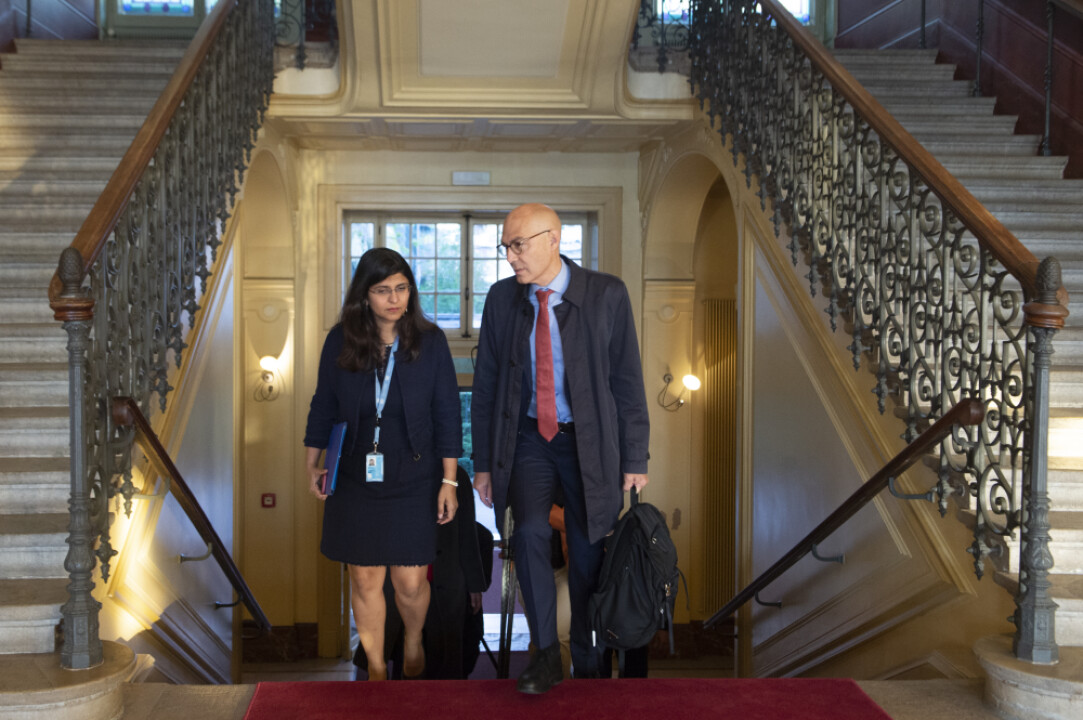
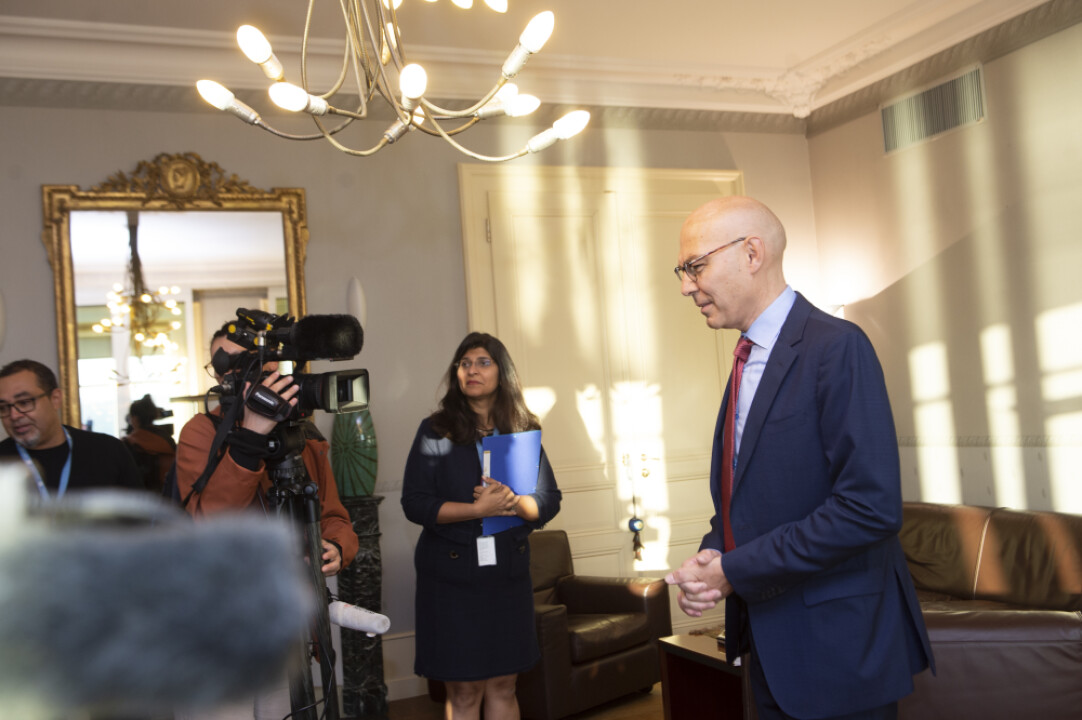
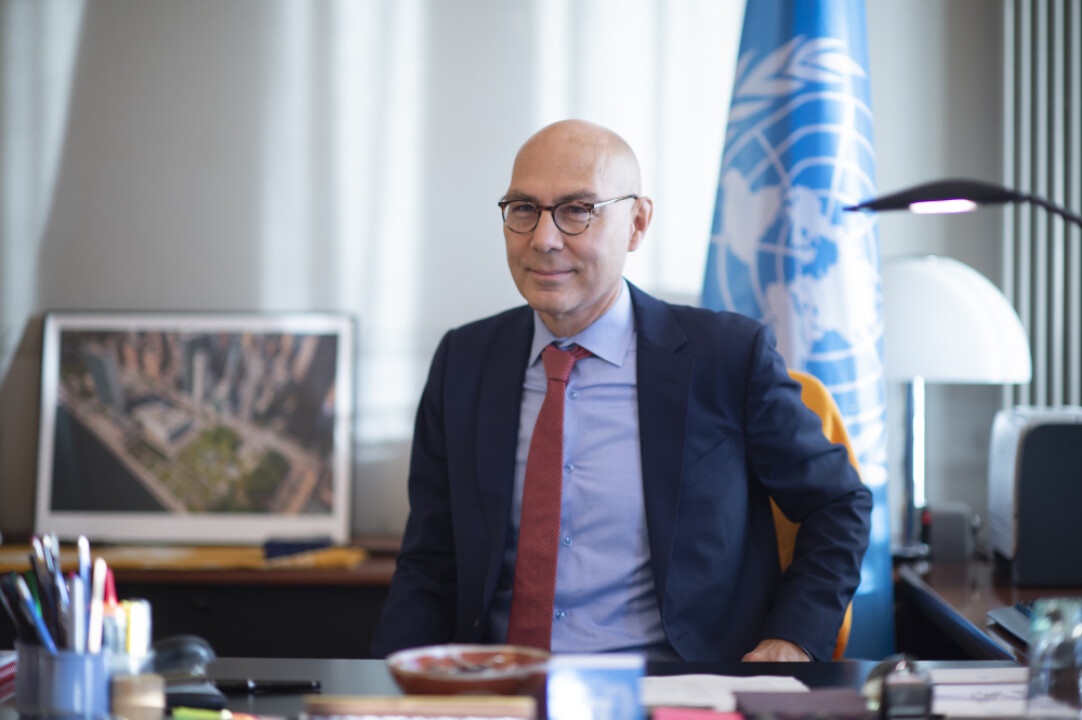
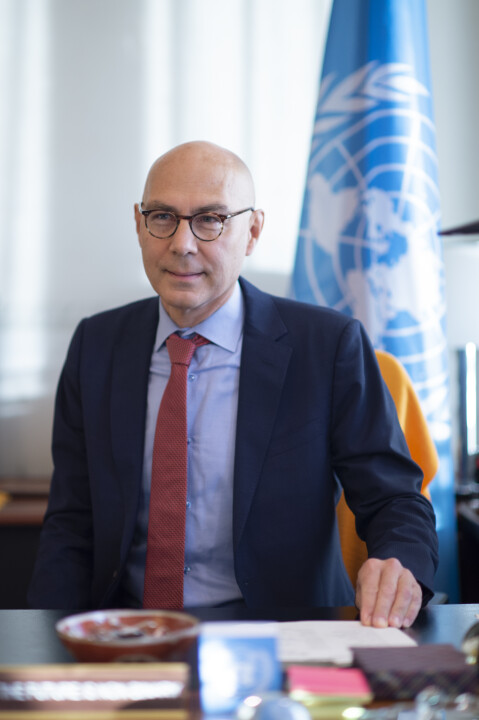
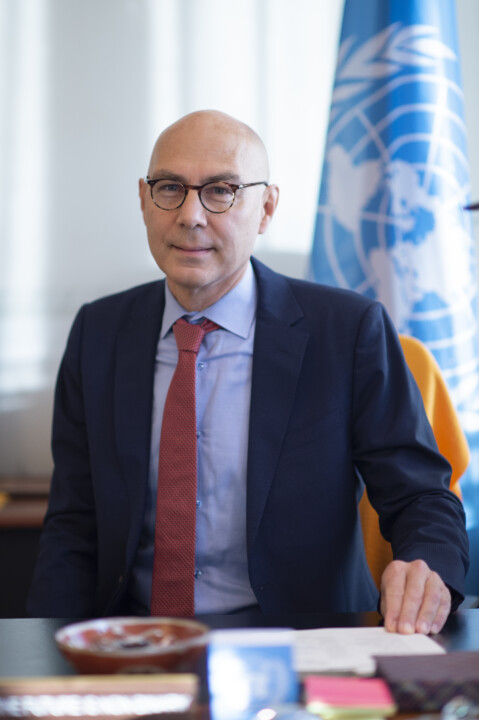
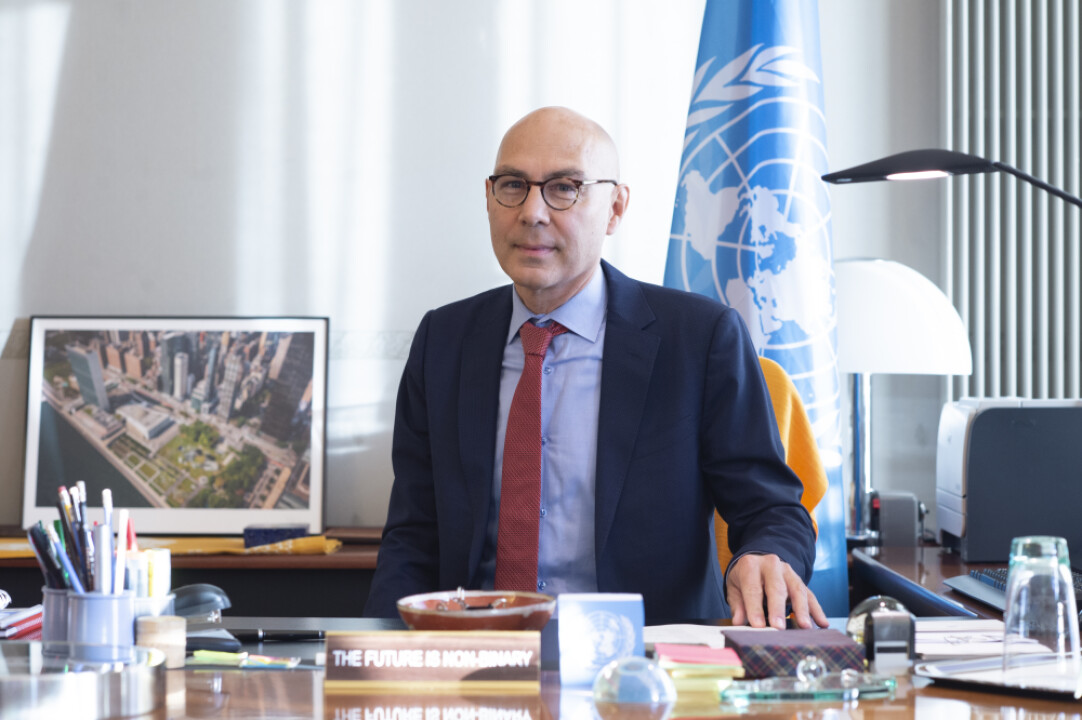
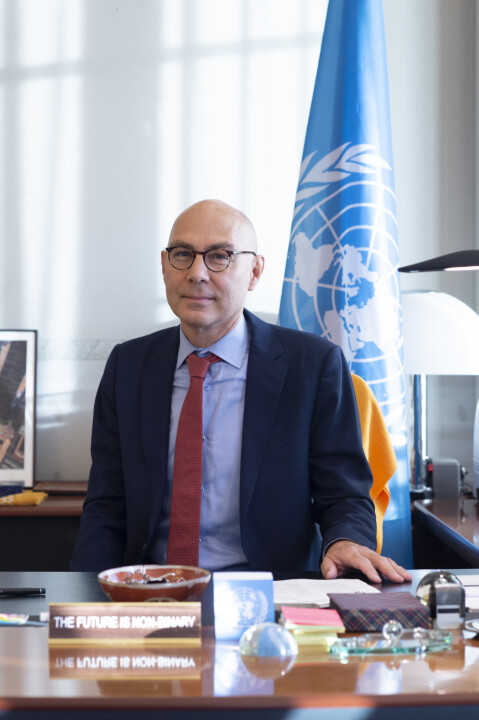
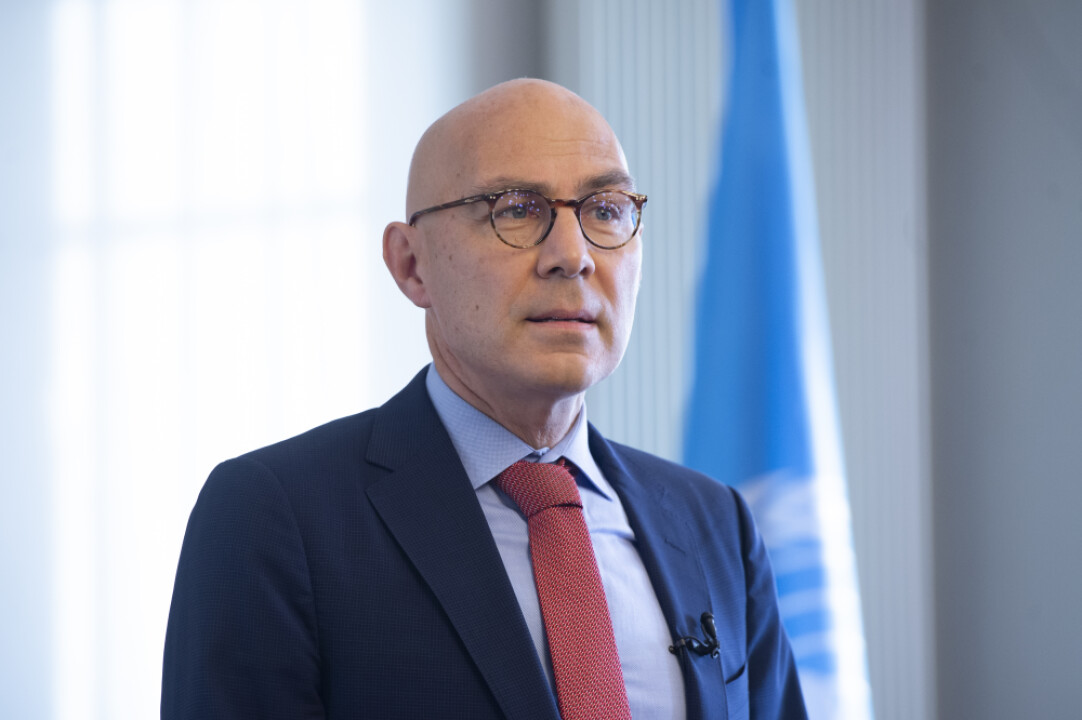
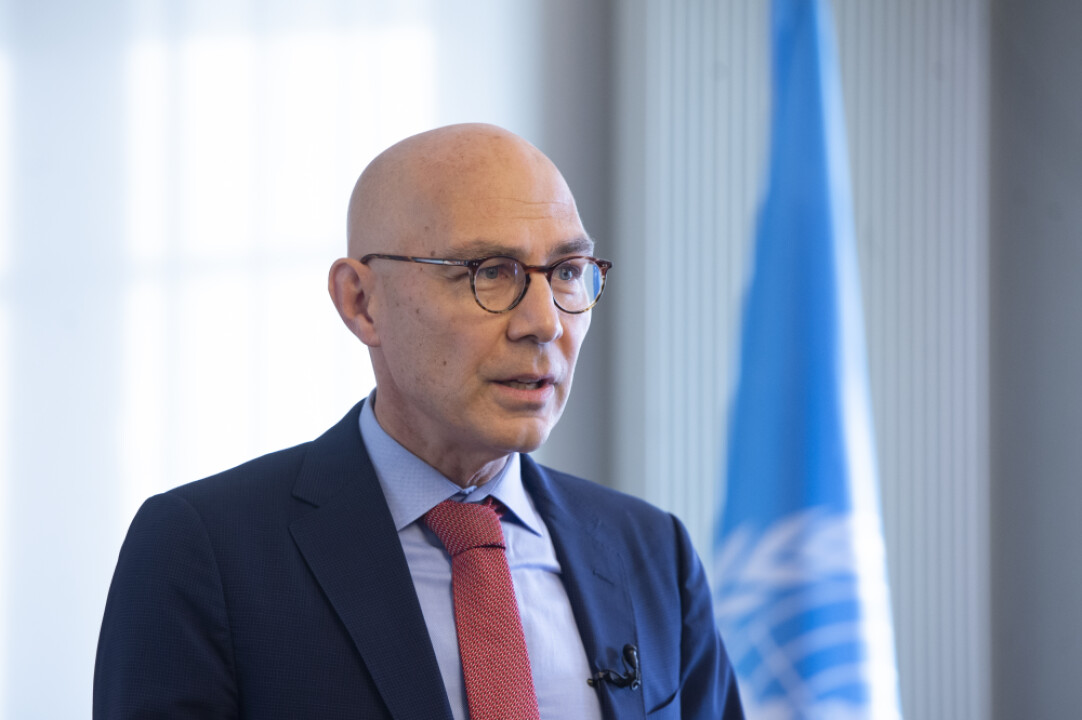
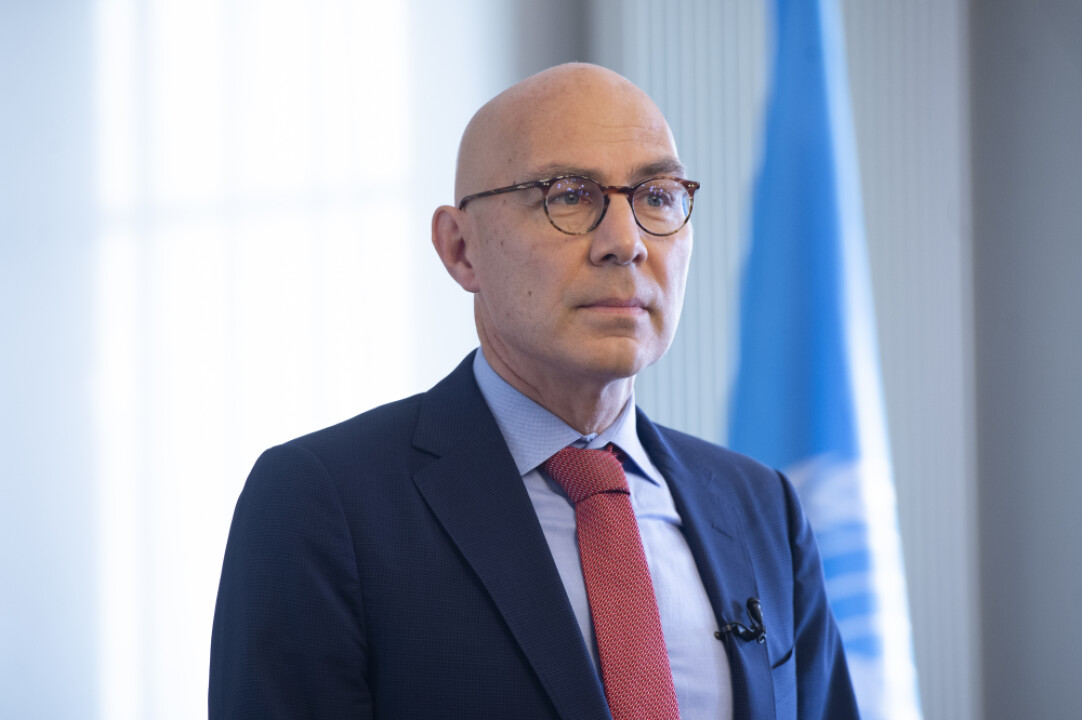
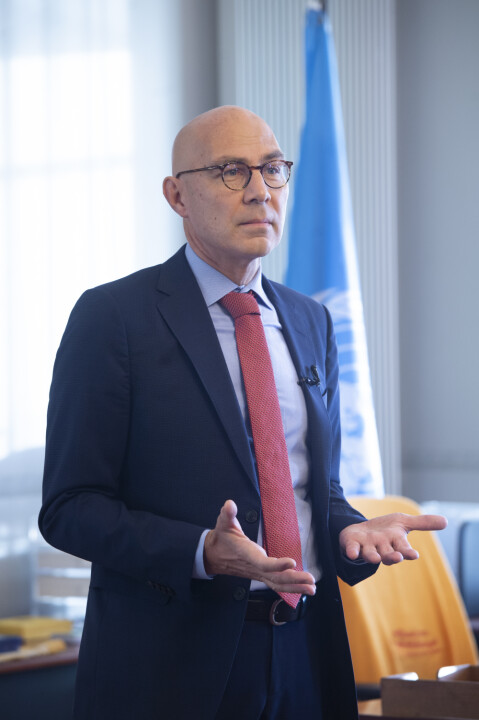
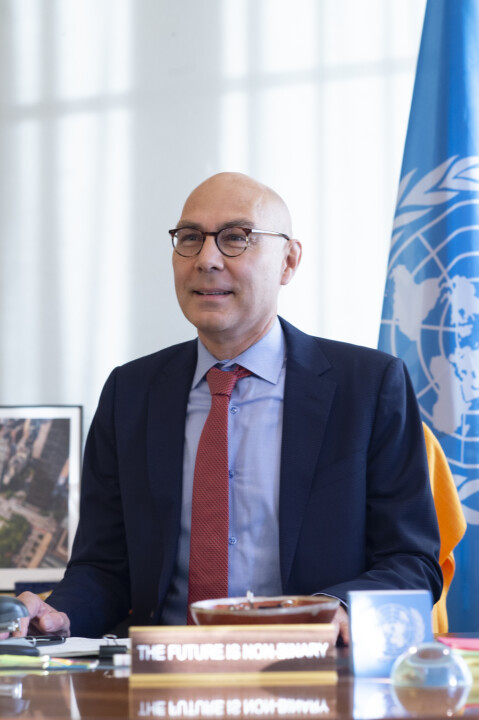
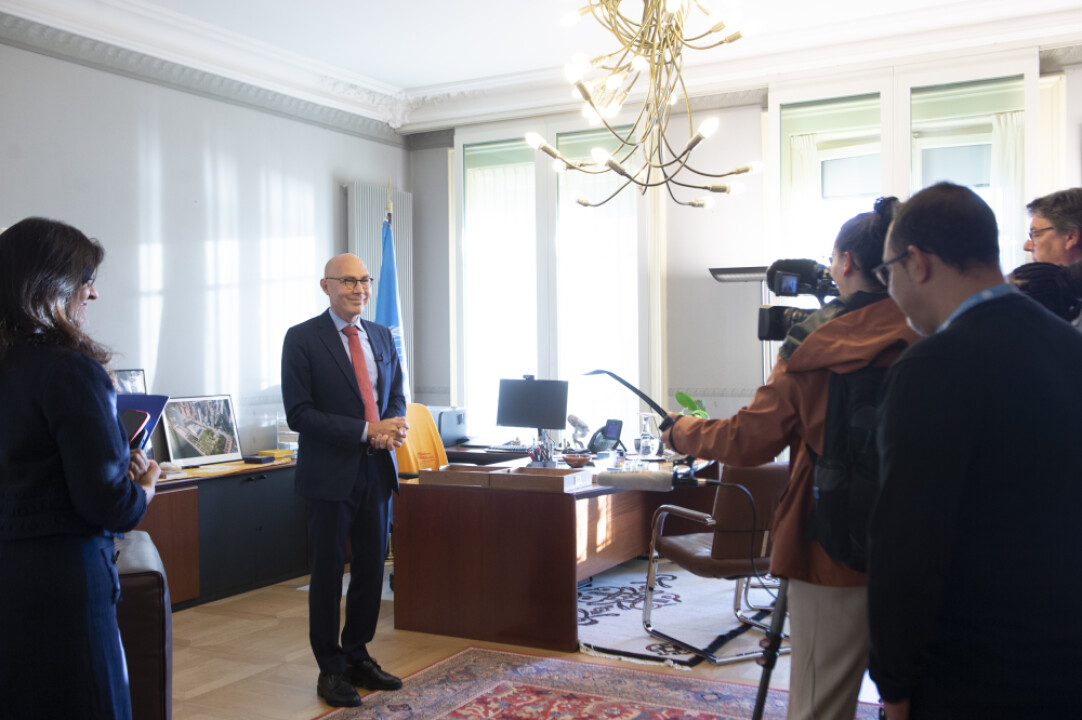
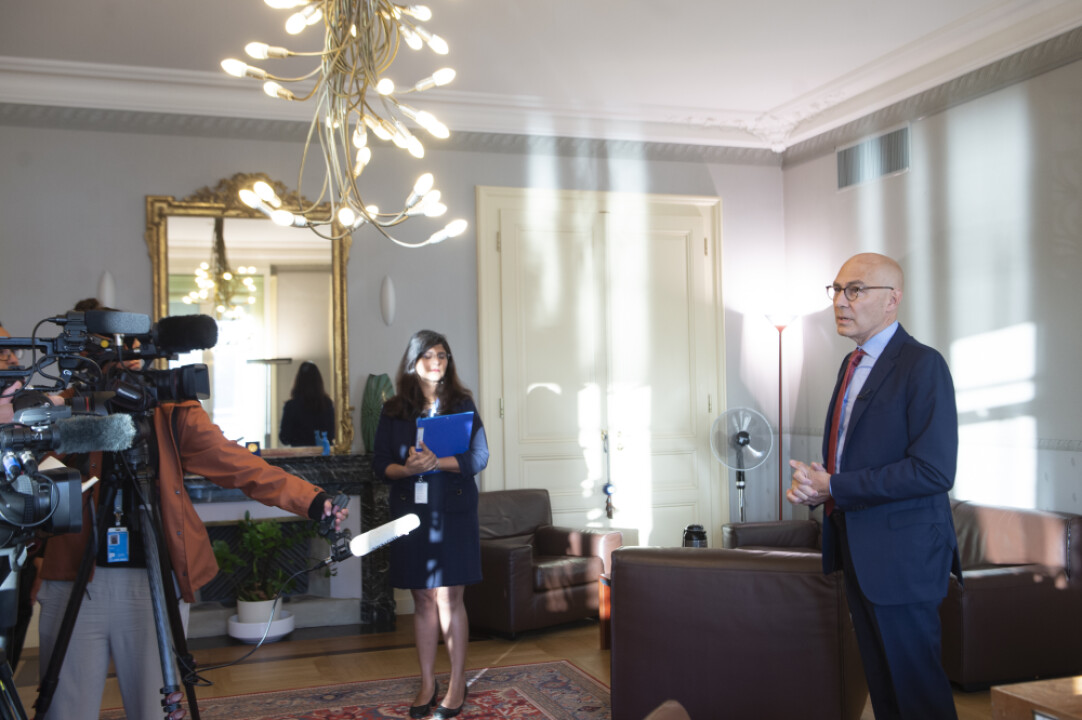
Arrival of new UN Human Rights High Commissioner Volker Türk at Palais Wilson
STORY: Arrival of new UN Human Rights High Commissioner Volker Türk at Palais Wilson
TRT: 03:23
SOURCE: OHCHR
RESTRICTIONS: NONE
LANGUAGE: English/NATS
ASPECT RATIO: 16:9
DATELINE: 17-10-2022 GENEVA, SWITZERLAND
SHOTLIST
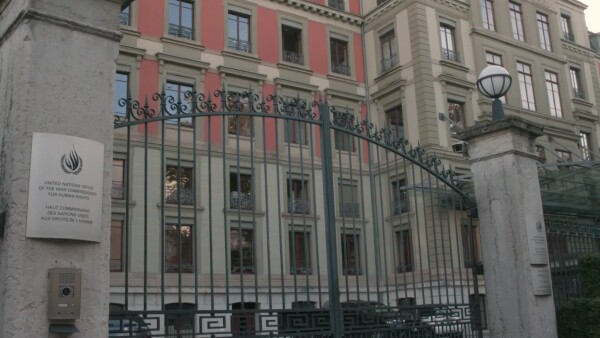
- Exterior shots: Palais Wilson, Geneva.
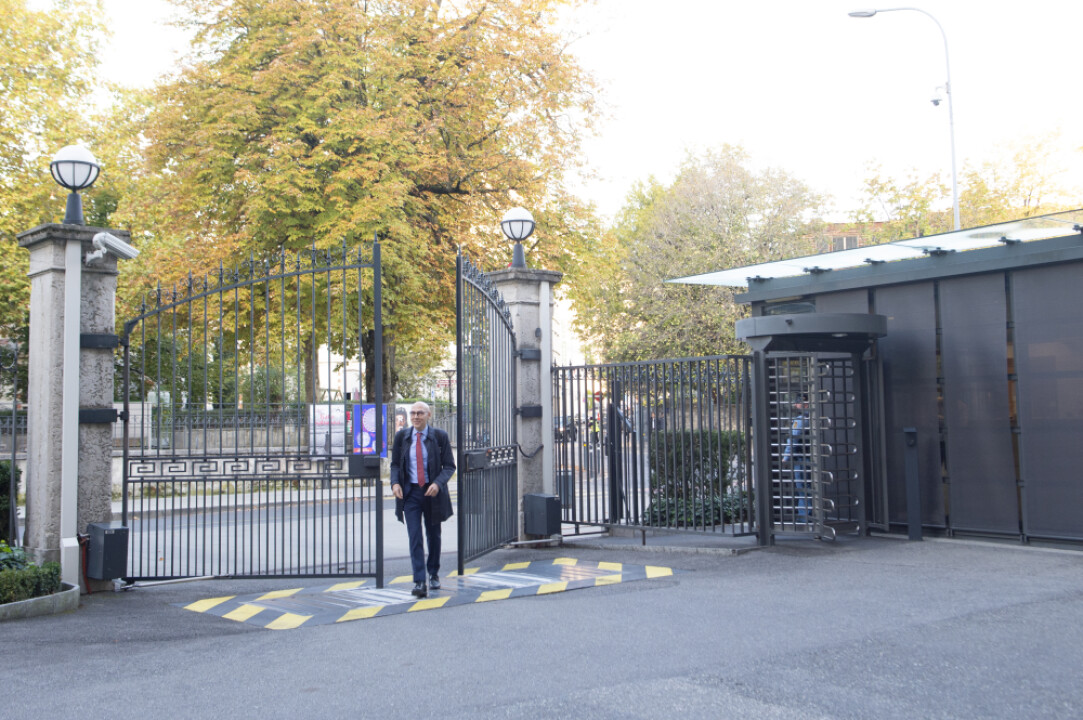
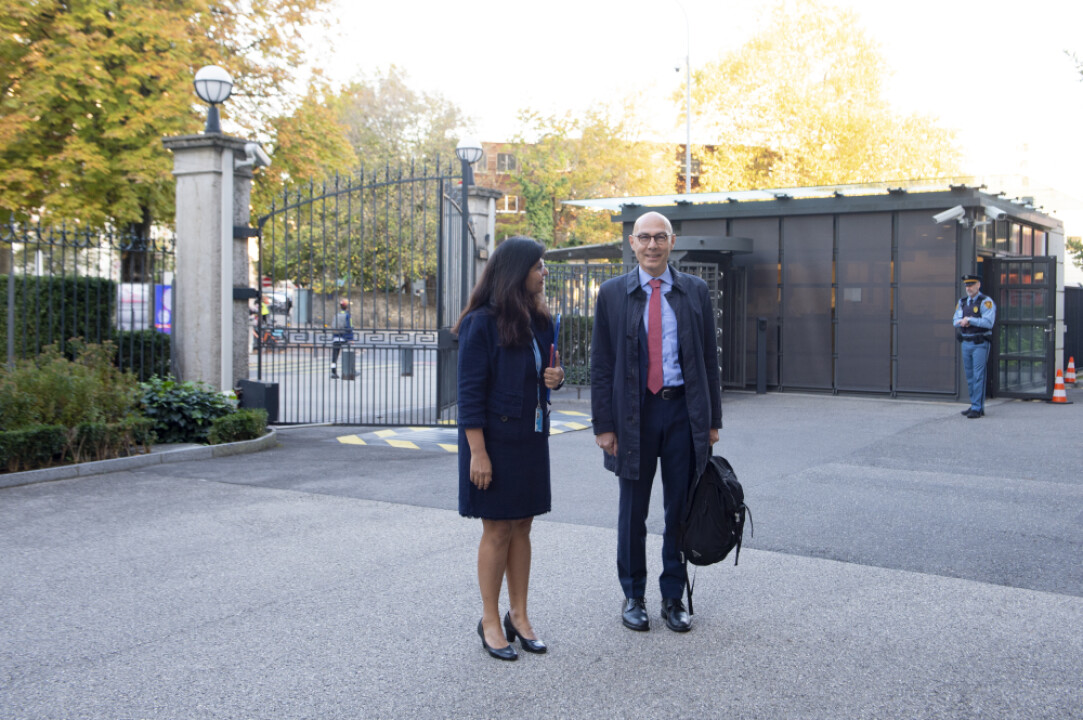
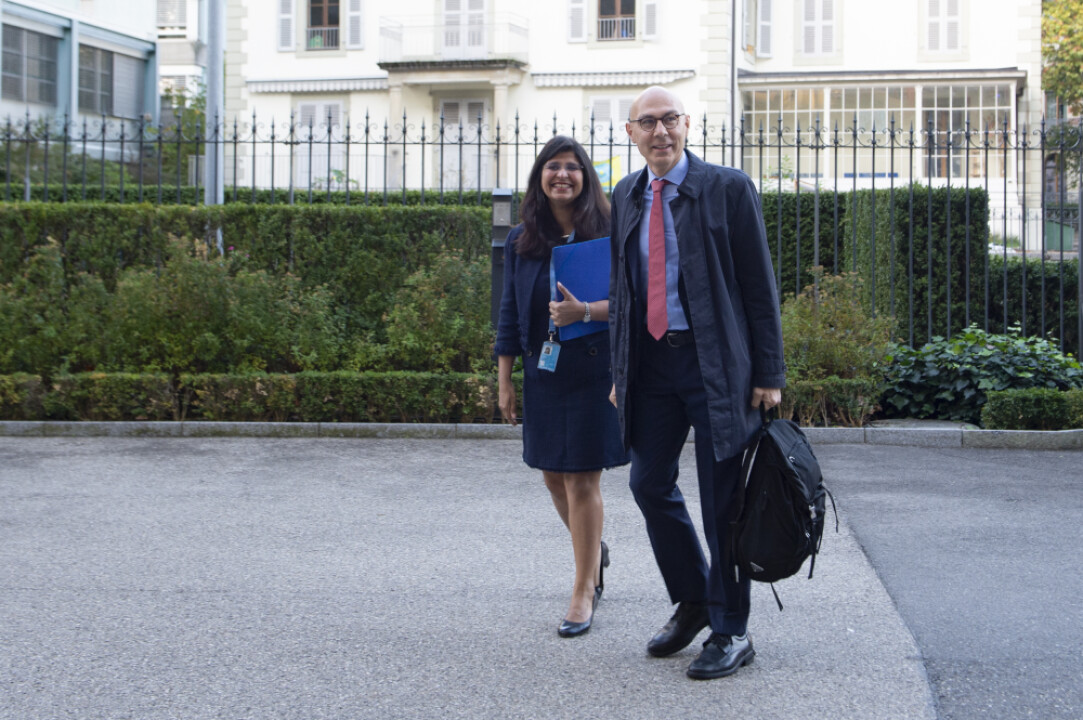
- Various exterior shot: Arrival of HC Volker Türk through the gates of Palais Wilson greeted by UN Human rights spokesperson Ravina Shamdasani
- Various shots interior: Arriving at his office in Palais Wilson.
- SOUNDBITE (English)—Volker Türk, UN High Commissioner for Human Rights (OHCHR): “It's very important at this point in time to have a very strong focus on human rights.”
- SOUNDBITE (English)—Volker Türk, UN High Commissioner for Human Rights (OHCHR): “Let's not forget, it's one of the fundamental pillars of the United Nations, apart from peace and security and sustainable development. It comes at a very critical point in time when we have seen so many divisions around the world, but also incredible pushback on gender issues, on civic space issues, on the utter contempt for human life in warfare – just recently, now, as we speak, what's happening in Ukraine, but also in places like Ethiopia and elsewhere. For me, it's very important in the exercise of my responsibilities to be guided by the impact that we can have on people's lives and how they interact with each other, how they interact with nature and with future generations. That's incredibly important.”
- SOUNDBITE (English)—Volker Türk, UN High Commissioner for Human Rights (OHCHR): “I will also be guided by the Charter of the United Nations, by the Universal Declaration of Human Rights, by all these incredible achievements of humanity, the different human rights, normative instruments that have been established.”
- SOUNDBITE (English)—Volker Türk, UN High Commissioner for Human Rights (OHCHR): “For me, human rights is a common language of humanity. It unifies us. It is not meant to divide us. I think that's a very important message and we need to strive together. Working with yourselves, with Member States, with governments, with civil society organizations, with parliamentarians, with faith leaders, to advance this extremely important cause that we all believe in, because ultimately it affects all our lives, and we need to respect that very much.”
- SOUNDBITE (English)—Volker Türk, UN High Commissioner for Human Rights (OHCHR): “So, thank you very much and look forward to working with you.”
- SOUNDBITE (English)—Volker Türk, UN High Commissioner for Human Rights (OHCHR): “Protection of media and journalists is incredibly important for me, and I will be putting a particular emphasis on that. It's very important at this point in time to have a very strong focus on human rights.”
- Medium shots: UN High Commissioner Volker Türk at his desk.
SCRIPT
Volker Türk began his four-year mandate as the eighth United Nations High Commissioner for Human Rights, this morning at the Palais Wilson in Geneva.
“It's very important at this point in time to have a very strong focus on human rights,” the High Commissioner stated.
“Let's not forget, it's one of the fundamental pillars of the United Nations, apart from peace and security and sustainable development. It comes at a very critical point in time when we have seen so many divisions around the world, but also incredible pushback on gender issues, on civic space issues, on the utter contempt for human life in warfare – just recently now and as we speak, what's happening in Ukraine, but also in places like Ethiopia and elsewhere. For me, it's very important in the exercise of my responsibilities to be guided by the impact that we can have on people's lives and how they interact with each other, how they interact with nature and with future generations. That's incredibly important,” he added.
“I will also be guided by the Charter of the United Nations, by the Universal Declaration of Human Rights, by all these incredible achievements of humanity, the different human rights, normative instruments that have been established,” Türk said.
Adding “For me, human rights is a common language of humanity. It unifies us. It is not meant to divide us. I think that's a very important message and we need to strive together. Working with yourselves, with Member States, with governments, with civil society organizations, with parliamentarians, with faith leaders to advance this extremely important cause that we all believe in, because ultimately it affects all our lives, and we need to respect that very much.”
“So, thank you very much and look forward to working with you.”
And in conclusion “Protection of media and journalists is incredibly important for me, and I will be putting a particular emphasis on that. It's very important at this point in time to have a very strong focus on human rights.”
For more information and media requests, please contact:
In Geneva: Ravina Shamdasani - + 41 22 917 9169 / ravina.shamdasani@un.org
Similar Stories

1
1
1
Edited News | OCHA , UNICEF , WFP
Aid agencies warned on Friday of the fast-developing humanitarian emergency inside Taiz City in Yemen, which has been encircled by de facto Houthi forces fighting government troops along the country’s west coast.
1
12
1
1
Press Conferences , Images | UNOG
Closing Press Conference following the Sixth Consultative Meeting on Enhancing Coordination of Peace Initiatives and Efforts in Sudan

2
17
1
2
Edited News , Press Conferences , Images | OCHA , WMO
Two UN agencies teamed up on Wednesday to issue an appeal for immediate assistance to help communities already being impacted by the strongest El Niño on record.

3
16
2
2
Edited News , B-roll , Conferences , Images | UNITED NATIONS , UNOG
Sixth Consultative Meeting on Enhancing Coordination of Peace Initiatives and Efforts for Sudan

1
1
1
Edited News | UNICEF , WHO , UNHCR
Yemen war continues to force families from homes amid hunger and disease
More than 250,000 people have now fled renewed fighting in Yemen, the UN said on Tuesday, citing particular concern for those sheltering in the southwestern city of Taiz and the wider governorate, where access is “essentially blocked”.

1
1
1
Edited News | UNICEF
A little over one year since a ceasefire agreement was announced between Hamas fighters and Israel, more than 340 children have been reported killed and hundreds more injured, the UN Children’s Fund, UNICEF, said on Friday.

1
1
1
Edited News | UNICEF , IFRC
Six weeks after Nepal’s deadly flooding disaster, communities are still struggling to rebuild their lives, but they will need sustained help as global warming increases the risk of another Himalayan catastrophe, the UN Children’s Fund (UNICEF) said on Friday.

1
1
1
Edited News | WHO
In suspected Russia plague death, testing and monitoring underway – WHO
The death of a lab worker in Russia’s Siberia region has sparked concerns about plague being the cause, the UN World Health Organization (WHO) said on Tuesday, adding that it was following the situation closely.

1
1
Edited News | OHCHR , UNOG
UN Human Rights Chief Volker Türk on Friday provided and oral update to the 63rd session of the Human rights Council on Ukraine.

1
1
1
Edited News | OHCHR , UNOG
UN Human Rights Chief Volker Türk on Friday provided and oral update to the 63rd session of the Human rights Council on the human rights situation in Haiti.

1
1
1
Edited News | WHO
Repeated delays in bringing lifesaving medicines, prosthetics and more from Israel into Gaza risk having devastating consequences on Palestinians who urgently need them in the wartorn enclave, the UN World Health Organization (WHO) said on Friday. “A truck full of non-priority supplies or the right supplies arriving too late, doesn't save lives. That's the question that actually matters," said Dr Reinhilde Van De Weerdt, WHO Representative in the OPT.

1
1
1
Edited News | WHO
DRC: Early access to care and oxygen decisive for Ebola patients’ survival – WHO
In the Democratic Republic of the Congo (DRC), health workers fighting the country’s largest-ever Ebola outbreak are struggling to overcome critical challenges to patient care, the UN World Health Organization (WHO) warned on Tuesday.