

The United Nations Office at Geneva
Multimedia Newsroom
Edited News , Statements | UNOG , UNITED NATIONS
UNOG-NEWS-HRC 43rd Session Michelle Bachelet Coronavirus COVID-19
Coronavirus: UN rights chief warns against stigmatization of ethnic groups
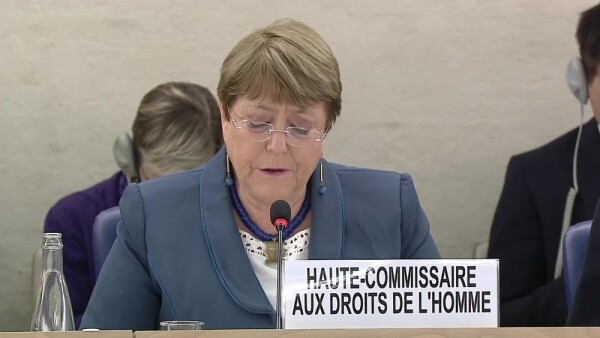
Discrimination against those affected by coronavirus/COVID-19 must be tackled head on by Governments everywhere, UN rights chief Michelle Bachelet said on Thursday, in an appeal for “transparency and information” to help combat the epidemic.
Speaking at the Human Rights Council in Geneva, Ms. Bachelet explained that the epidemic “has set off a disturbing wave of prejudice against people of Chinese and East Asian ethnicity”.
Amid reports of xenophobic abuse aimed at Asian people in Europe and elsewhere, she added: “I call on Member States to do their utmost to combat this and other forms of discrimination.”
According to the World Health Organization (WHO), some 81,000 cases of infection have now been registered, for the most part in China, where the illness emerged late last year.
Ahead of the High Commissioner’s speech, Swiss health authorities earlier confirmed that the first case of coronavirus infection had been detected in Geneva – just the latest city to be affected by the outbreak’s rapid spread across the globe.
On Wednesday, Brazilian authorities also confirmed Latin America’s first case of COVID-19, as data indicated that for the first time, the number of new cases outside China has surpassed those identified inside it.
The UN agency’s latest data from Wednesday 26 February showed that more than 2,700 people had died from the virus in China, with 44 deaths in another 37 countries.
In common with other epidemics, health workers are deemed to be particularly vulnerable to infection from COVID-19, whose symptoms include breathing difficulties and fever, the High Commissioner intimated.
“I extend my deepest respect to the medical teams around the world who are tackling the coronavirus, COVID-19, which constitutes a serious threat to the rights to life and to health of people everywhere,” she said.
Likening the outbreak to “a test of our societies’ resilience”, Ms. Bachelet insisted that human rights norms provided “crucial guideposts” that could improve the effectiveness of the response.
“To effectively combat the virus, all public health measures should be carried out without discrimination of any kind, with an emphasis on transparency and information to empower people to participate in protecting health,” she said.
“Quarantines, which restrict the right to freedom of movement, should be proportionate to the risk, time-bound, and safe. The rights of those under quarantine must be protected, including rights to food and clean water, the right to be treated humanely, access to healthcare, the right to be informed, and freedom of expression. Our field presences will support all stakeholders to uphold the rights of all affected people.”
According to the WHO, the disease is most dangerous for elderly people and those suffering from existing chronic conditions including high blood pressure and diabetes.
“People living in collective institutions, including many older people and people deprived of their liberty, are likely to be more vulnerable to this infection,” Ms. Bachelet said.
- Wide shot: exterior, flag alley, Palais des Nations, United Nations Geneva.
- Wide shot: Human Rights Council, podium speakers who include Michelle Bachelet, High Commissioner for Human Rights, and Elisabeth Tichy-Fisslberger, President of the Human Rights Council 43rd Session,.
- Medium shot: Human Rights Council, podium speakers including Michelle Bachelet, High Commissioner for Human Rights and President of the Council 43rd Session, Elisabeth Tichy-Fisslberger.
- SOUNDBITE (EN) — Michelle Bachelet, High Commissioner for Human Rights: “The coronavirus epidemic has set off a disturbing wave of prejudice against people of Chinese and East Asian ethnicity, and I call on Member States to do their utmost to combat this and other forms of discrimination.”
- Close-up: ambassador wearing facemask speaking from the floor (inaudible) and glancing up, Human Rights Council, 43rd Session.
- SOUNDBITE (EN) — Michelle Bachelet, High Commissioner for Human Rights: “I extend my deepest respect to the medical teams around the world who are tackling the coronavirus, COVID-19, which constitutes a serious threat to the rights to life and to health of people everywhere. A health crisis like this epidemic is a test of our societies’ resilience – and the human rights framework brings crucial guideposts that can strengthen the effectiveness of our response. To effectively combat the virus, all public health measures should be carried out without discrimination of any kind, with an emphasis on transparency and information to empower people to participate in protecting health. Quarantines, which restrict the right to freedom of movement, should be proportionate to the risk, time-bound, and safe. The rights of those under quarantine must be protected, including rights to food and clean water, the right to be treated humanely, access to healthcare, the right to be informed, and freedom of expression. Our field presences will support all stakeholders to uphold the rights of all affected people. People living in collective institutions, including many older people and people deprived of their liberty, are likely to be more vulnerable to this infection.”
Similar Stories
1
1
1
Edited News | OCHA , UNICEF , WFP
Aid agencies warned on Friday of the fast-developing humanitarian emergency inside Taiz City in Yemen, which has been encircled by de facto Houthi forces fighting government troops along the country’s west coast.

2
17
1
2
Edited News , Press Conferences , Images | OCHA , WMO
Two UN agencies teamed up on Wednesday to issue an appeal for immediate assistance to help communities already being impacted by the strongest El Niño on record.
3
16
2
2
Edited News , B-roll , Conferences , Images | UNITED NATIONS , UNOG
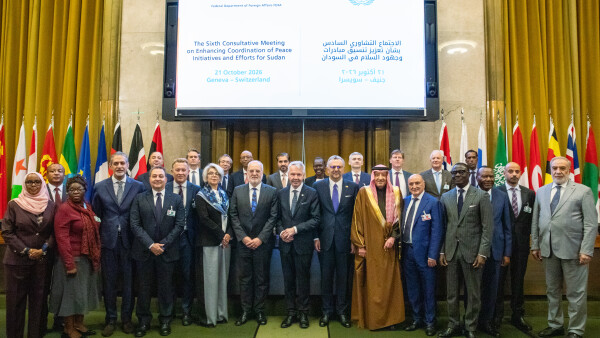
Sixth Consultative Meeting on Enhancing Coordination of Peace Initiatives and Efforts for Sudan

1
1
1
Edited News | UNICEF , WHO , UNHCR
Yemen war continues to force families from homes amid hunger and disease
More than 250,000 people have now fled renewed fighting in Yemen, the UN said on Tuesday, citing particular concern for those sheltering in the southwestern city of Taiz and the wider governorate, where access is “essentially blocked”.

1
1
1
Edited News | UNICEF
A little over one year since a ceasefire agreement was announced between Hamas fighters and Israel, more than 340 children have been reported killed and hundreds more injured, the UN Children’s Fund, UNICEF, said on Friday.

1
1
1
Edited News | UNICEF , IFRC
Six weeks after Nepal’s deadly flooding disaster, communities are still struggling to rebuild their lives, but they will need sustained help as global warming increases the risk of another Himalayan catastrophe, the UN Children’s Fund (UNICEF) said on Friday.
1
1
1
Statements , Press Conferences | OHCHR

1
1
1
Edited News | WHO
In suspected Russia plague death, testing and monitoring underway – WHO
The death of a lab worker in Russia’s Siberia region has sparked concerns about plague being the cause, the UN World Health Organization (WHO) said on Tuesday, adding that it was following the situation closely.

1
1
Edited News | OHCHR , UNOG
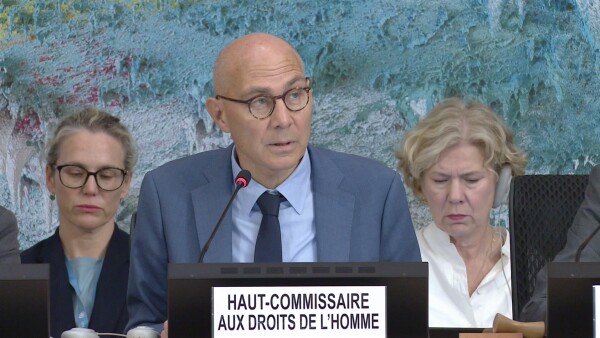
UN Human Rights Chief Volker Türk on Friday provided and oral update to the 63rd session of the Human rights Council on Ukraine.
2
1
2
Statements , Conferences | HRC , OHCHR
Interactive dialogue with the High Commissioner for Human Rights, Volker Türk on the oral update on Ukraine.

1
1
1
Edited News | OHCHR , UNOG
UN Human Rights Chief Volker Türk on Friday provided and oral update to the 63rd session of the Human rights Council on the human rights situation in Haiti.

1
1
1
Edited News | WHO
Repeated delays in bringing lifesaving medicines, prosthetics and more from Israel into Gaza risk having devastating consequences on Palestinians who urgently need them in the wartorn enclave, the UN World Health Organization (WHO) said on Friday. “A truck full of non-priority supplies or the right supplies arriving too late, doesn't save lives. That's the question that actually matters," said Dr Reinhilde Van De Weerdt, WHO Representative in the OPT.