

The United Nations Office at Geneva
Multimedia Newsroom
STORYLINE
As Za’atari refugee camp marks 10 years, war-weary Syrians still face uncertain future
Ten years since Jordan’s Za’atari camp opened its doors to 80,000 displaced Syrians, poverty now affects an increasing number of residents who face an uncertain future, the UN refugee agency, UNHCR, said on Friday.
“With the increase in food prices across the world, many refugee families are struggling to meet their basic needs on a daily basis,” said Dominik Bartsch, UNHCR Representative in Amman. “There is of course food assistance provided, but overall, household incomes are declining rapidly and we’re seeing the level of poverty increasing in the camp.”
According to UNHCR, two in three refugee families in Za’atari say they are in debt and 92 per reported resorting to negative coping strategies, such as reducing food intake or accepting high-risk jobs. These numbers have been going up at a worrying pace.
And after UN-led constitutional talks between Syria’s warring sides were postponed at the start of the week, humanitarians remain particularly worried for Syrian children housed at Za’atari, for whom the camp “has become their world”, said Mr. Bartsch.
“Prospects for return for the time being do not look promising. We are not seeing an environment in Syria that would be conducive to returns, but it is nonetheless reassuring that refugees when asked would they consider returning back home, overwhelmingly respond positively.”
More than 20,000 births have been recorded in Za’atari camp since its opening, Mr. Bartsch noted, before pointing to the “limited opportunities for the many children who are born in the camp and have seen no other environs than the camp itself”.
Crediting the camp with “saving thousands of lives and providing work and opportunities “for Jordanians and Syrians alike”, the UN refugee agency official warned that the situation was not sustainable, with its weather-beaten temporary shelters increasingly showing their limitations.
“The caravans, which replaced tents in 2013, have a normal life span of six to eight years meaning most of them are now in need of urgent repair…In 2021 alone, over 7,000 refugees requested support for maintenance as roofs and windows cracked and walls warped, leaving some residents exposed to the elements,” he explained.
STORY: Zaatari Refugee Camp Marks 10 Years - UNHCR
TRT: 02’16”
SOURCE: UNTV CH
RESTRICTIONS: NONE
LANGUAGE: ENGLISH/NATS
ASPECT RATIO: 16:9
DATELINE: Friday 29 July 2022, GENEVA, SWITZERLAND
SHOTLIST
- Medium shot, UN Geneva flag alley.
- Wide shot, press room with panel of speakers.
- SOUNDBITE (ENGLISH) Dominik Bartsch, UNHCR Representative in Amman, (via Zoom from Amman): “It is a testimony, a testimony to the generosity of the Government of Jordan, which at the time 10 years ago, 11 years ago, allowed Syrian refugees access to its territory and then set up facilities that really are remarkable by global standards.”
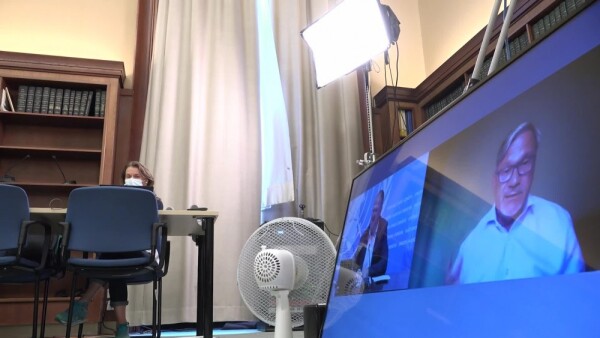
- Close-up, TV screen showing speakers, journalist to rear.
- SOUNDBITE (ENGLISH) Dominik Bartsch, UNHCR Representative in Amman, (via Zoom from Amman): “With the increase in food prices across the world, many refugee families are struggling to meet their basic needs on a daily basis. There is of course food assistance provided, but overall, household incomes are declining rapidly and we’re seeing the level of poverty increasing in the camp.”
- Medium-wide shot, journalists, TV cameras, light panel.
- SOUNDBITE (ENGLISH) Dominik Bartsch, UNHCR Representative in Amman, (via Zoom from Amman): “Limited mobility of means, limited opportunities, and perhaps most depressingly, limited opportunities for the many children who are born in the camp and have seen no other environs than the camp itself.”
- Medium shot of journalists and TV camera on tripod.
- SOUNDBITE (ENGLISH) Dominik Bartsch, UNHCR Representative in Amman, (via Zoom from Amman): “In the long run, our projection is that a continued approach of gradual inclusion of refugees in national assistance is the pathway to follow. And again, Jordan has been an exemplary (inaudible) in this regard, from early very on ‘til now, access of refugees to the educational system, access to health and indeed access to the labour market.”
- Medium shot, journalist looking at laptop.
- SOUNDBITE (ENGLISH) Dominik Bartsch, UNHCR Representative in Amman, (via Zoom from Amman): “Prospects for return for the time being do not look promising. We are not seeing an environment in Syria that would be conducive to returns, but it is nonetheless reassuring that refugees when asked would they consider returning back home, overwhelmingly respond positively.”
- Wide shot, press room, journalists and UN staff listening.
- Medium shot, journalists following proceedings.
- Medium shot, TV screen showing speakers, UN logo backdrop panel.
Similar Stories
1
1
1
Edited News | OCHA , UNICEF , WFP
Aid agencies warned on Friday of the fast-developing humanitarian emergency inside Taiz City in Yemen, which has been encircled by de facto Houthi forces fighting government troops along the country’s west coast.

2
17
1
2
Edited News , Press Conferences , Images | OCHA , WMO
Two UN agencies teamed up on Wednesday to issue an appeal for immediate assistance to help communities already being impacted by the strongest El Niño on record.
3
16
2
2
Edited News , B-roll , Conferences , Images | UNITED NATIONS , UNOG
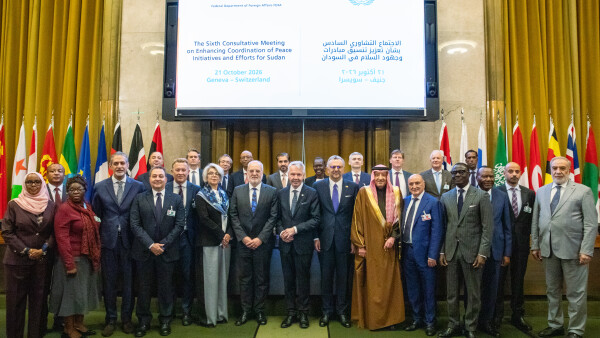
Sixth Consultative Meeting on Enhancing Coordination of Peace Initiatives and Efforts for Sudan
1
1
1
Edited News | UNICEF , WHO , UNHCR
Yemen war continues to force families from homes amid hunger and disease
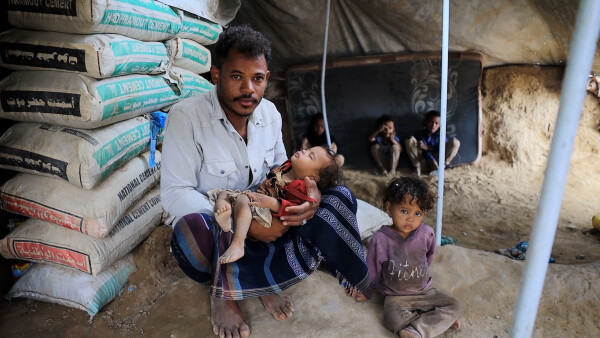
More than 250,000 people have now fled renewed fighting in Yemen, the UN said on Tuesday, citing particular concern for those sheltering in the southwestern city of Taiz and the wider governorate, where access is “essentially blocked”.

1
1
1
Edited News | UNICEF
A little over one year since a ceasefire agreement was announced between Hamas fighters and Israel, more than 340 children have been reported killed and hundreds more injured, the UN Children’s Fund, UNICEF, said on Friday.

1
1
1
Edited News | UNICEF , IFRC
Six weeks after Nepal’s deadly flooding disaster, communities are still struggling to rebuild their lives, but they will need sustained help as global warming increases the risk of another Himalayan catastrophe, the UN Children’s Fund (UNICEF) said on Friday.

1
1
1
Edited News | WHO
In suspected Russia plague death, testing and monitoring underway – WHO
The death of a lab worker in Russia’s Siberia region has sparked concerns about plague being the cause, the UN World Health Organization (WHO) said on Tuesday, adding that it was following the situation closely.

1
1
Edited News | OHCHR , UNOG
UN Human Rights Chief Volker Türk on Friday provided and oral update to the 63rd session of the Human rights Council on Ukraine.

1
1
1
Edited News | OHCHR , UNOG
UN Human Rights Chief Volker Türk on Friday provided and oral update to the 63rd session of the Human rights Council on the human rights situation in Haiti.

1
1
1
Edited News | WHO
Repeated delays in bringing lifesaving medicines, prosthetics and more from Israel into Gaza risk having devastating consequences on Palestinians who urgently need them in the wartorn enclave, the UN World Health Organization (WHO) said on Friday. “A truck full of non-priority supplies or the right supplies arriving too late, doesn't save lives. That's the question that actually matters," said Dr Reinhilde Van De Weerdt, WHO Representative in the OPT.

1
1
1
Edited News | WHO
DRC: Early access to care and oxygen decisive for Ebola patients’ survival – WHO
In the Democratic Republic of the Congo (DRC), health workers fighting the country’s largest-ever Ebola outbreak are struggling to overcome critical challenges to patient care, the UN World Health Organization (WHO) warned on Tuesday.

1
1
1
Edited News | OCHA , UN
Civilians in Iran are continuing to feel the consequences of months of conflict and military escalation, the UN’s top official in the country has said, as loss of life, damage to civilian infrastructure and mounting economic pressures leave many facing continued uncertainty.