

The United Nations Office at Geneva
Multimedia Newsroom
Mariupol steel works convoy: UN health agency ready ‘for whatever is needed’
UN humanitarians said on Tuesday that they were standing ready to help receive a group of evacuees from the heavily damaged Azovstal steel works complex in the embattled Ukrainian city of Mariupol, more than two months since Russia’s invasion of its neighbour.
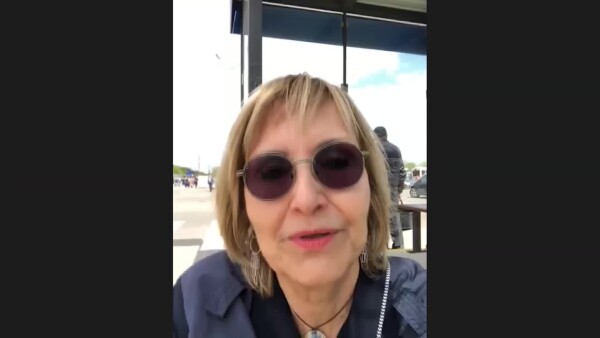
“We do not know what to expect …on this convoy but we are all of us, the health system, MSF is here with us and other NGOs and volunteers, all ready for the, whatever is needed,” said Dr Dorit Nizan, World Health Organization (WHO) Incident Manager for Ukraine, speaking from a reception centre in Zaporizhzhia, hundreds of miles to the north of Mariupol.
Confirmation came on Sunday from the UN aid coordinating office OCHA that the operation to evacuate desperate civilians from the vast steel plant was under way, coordinated by the UN, the International Committee of the Red Cross and “parties to the conflict”.
According to news reports, more than 100 civilians were allowed to leave in the first phase of the operation. Many others have already arrived in Zaporizhzhia from villages and towns to the west of Mariupol, Dr Nizan said.
Although the majority of these arrivals had only minor injuries requiring medical care, mental health linked to the trauma of the war “is a big issue” which will require care and support in the longer term, the WHO official explained.
“We are already receiving people, mainly mothers and children from Mariupol and its vicinity. So these people continue coming and I don’t know if you can see in the background, but cars are coming with volunteers from the region here, Zaporizhzhia, that are driving them from the contact line.”
Before the Russian invasion on 24 February, Mariupol’s population numbered around 500,000. Today, around 100,000 are believed to remain in the battered city, the WHO official continued.
Since the start of the war, the UN health agency has delivered 382 tonnes of medical supplies to Ukraine, including 291 tonnes that have already reached beneficiaries. The agency has established hubs across the vast country, including in Lviv, Kyiv, Dnipro, Donetsk and Luhansk.
“Many people left these regions because they are close to the contact line, and they are you know, under fight(ing) and shelling,” Dr Nizan said. “But many of the health workers stayed to deliver, to help, and those that left are replaced by other health care workers that came from the other areas that were occupied.”
ends
STORY: Ukraine Update - WHO
TRT: 1 min 29s
SOURCE: UNTV CH
RESTRICTIONS: NONE
LANGUAGE: ENGLISH / NATS
ASPECT RATIO: 16:9
DATELINE: 3 May 2022 GENEVA, SWITZERLAND
SHOTLIST
- Exterior wide shot, Palais des Nations flag alley, nations’ flags flying, a cloudy day.
- Wide shot, podium with moderator in Press briefing room, Palais des Nations.
- SOUNDBITE (English) — Dr Dorit Nizan, (via Zoom from Zaporizhzhia), WHO Incident Manager for Ukraine: “We do not know what to expect on the, you know, on this convoy but we are all of us, the health system, MSF is here with us and other NGOs and volunteers, all ready for the, whatever is needed.”
- Wide shot, podium moderator and large-screen TV showing Dr Nizan speaking via Zoom from Ukraine.
- SOUNDBITE (English) — Dr Dorit Nizan, (via Zoom from Zaporizhzhia), WHO Incident Manager for Ukraine: “We are already receiving people, mainly mothers and children from Mariupol and its vicinity. So these people continue coming and I don’t know if you can see in the background, but cars are coming with volunteers from the region here, Zaporizhzhia, that are driving them from the contact line.”
- Medium shot, journalists wearing facemasks checking phone or typing on laptops, TV light panel to rear.
- SOUNDBITE (English) — Dr Dorit Nizan, (via Zoom from Zaporizhzhia), WHO Incident Manager for Ukraine: “Many people left these regions because they are close to the contact line, and they are you know, under fight(ing) and shelling, but many of the health workers stayed to deliver, to help, and those that left are replaced by other health care workers that came from the other areas that were occupied.”
- Medium shot, journalists wearing facemasks, typing on laptops or checking mobile phone.
- Medium shot, journalists wearing facemasks, typing on laptop or taking notes.
- Wide shot, journalists wearing facemasks, typing on laptop or taking notes.
Similar Stories
1
1
1
Edited News | OCHA , UNICEF , WFP
Aid agencies warned on Friday of the fast-developing humanitarian emergency inside Taiz City in Yemen, which has been encircled by de facto Houthi forces fighting government troops along the country’s west coast.

2
17
1
2
Edited News , Press Conferences , Images | OCHA , WMO
Two UN agencies teamed up on Wednesday to issue an appeal for immediate assistance to help communities already being impacted by the strongest El Niño on record.
3
16
2
2
Edited News , B-roll , Conferences , Images | UNITED NATIONS , UNOG
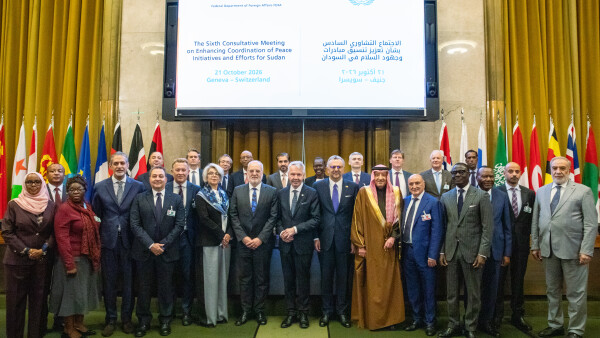
Sixth Consultative Meeting on Enhancing Coordination of Peace Initiatives and Efforts for Sudan

1
1
1
Edited News | UNICEF , WHO , UNHCR
Yemen war continues to force families from homes amid hunger and disease
More than 250,000 people have now fled renewed fighting in Yemen, the UN said on Tuesday, citing particular concern for those sheltering in the southwestern city of Taiz and the wider governorate, where access is “essentially blocked”.

1
1
1
Edited News | UNICEF
A little over one year since a ceasefire agreement was announced between Hamas fighters and Israel, more than 340 children have been reported killed and hundreds more injured, the UN Children’s Fund, UNICEF, said on Friday.

1
1
1
Edited News | UNICEF , IFRC
Six weeks after Nepal’s deadly flooding disaster, communities are still struggling to rebuild their lives, but they will need sustained help as global warming increases the risk of another Himalayan catastrophe, the UN Children’s Fund (UNICEF) said on Friday.

1
1
1
Edited News | WHO
In suspected Russia plague death, testing and monitoring underway – WHO
The death of a lab worker in Russia’s Siberia region has sparked concerns about plague being the cause, the UN World Health Organization (WHO) said on Tuesday, adding that it was following the situation closely.

1
1
Edited News | OHCHR , UNOG
UN Human Rights Chief Volker Türk on Friday provided and oral update to the 63rd session of the Human rights Council on Ukraine.

1
1
1
Edited News | OHCHR , UNOG
UN Human Rights Chief Volker Türk on Friday provided and oral update to the 63rd session of the Human rights Council on the human rights situation in Haiti.

1
1
1
Edited News | WHO
Repeated delays in bringing lifesaving medicines, prosthetics and more from Israel into Gaza risk having devastating consequences on Palestinians who urgently need them in the wartorn enclave, the UN World Health Organization (WHO) said on Friday. “A truck full of non-priority supplies or the right supplies arriving too late, doesn't save lives. That's the question that actually matters," said Dr Reinhilde Van De Weerdt, WHO Representative in the OPT.

1
1
1
Edited News | WHO
DRC: Early access to care and oxygen decisive for Ebola patients’ survival – WHO
In the Democratic Republic of the Congo (DRC), health workers fighting the country’s largest-ever Ebola outbreak are struggling to overcome critical challenges to patient care, the UN World Health Organization (WHO) warned on Tuesday.

1
1
1
Edited News | OCHA , UN
Civilians in Iran are continuing to feel the consequences of months of conflict and military escalation, the UN’s top official in the country has said, as loss of life, damage to civilian infrastructure and mounting economic pressures leave many facing continued uncertainty.