

The United Nations Office at Geneva
Multimedia Newsroom
تقلص المساحة الإنسانية وعدم وجود وقف إطلاق النار يتطلب ممر إنساني داخل غزة - منظمة الصحة العالمية
مع استمرار تدهور الوضع الإنساني في غزة خلال الأسابيع الأخيرة، حذرت منظمة الصحة العالمية (WHO) يوم الثلاثاء من الكارثة الصحية والإنسانية المستمرة في المنطقة الفلسطينية ودعت إلى إنشاء ممر إنساني لجلب الإمدادات الضرورية بشكل عاجل.
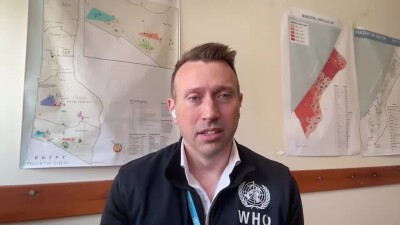
وقال الدكتور ريك بيبركورن، الممثل الخاص لمنظمة الصحة العالمية في الأراضي الفلسطينية المحتلة، من القدس: "تقلص المساحة الإنسانية وعدم الوصول، ونحن لسنا نتحدث فقط عن الإمدادات الإنسانية إلى غزة، ولكن أيضًا المساعدات الإنسانية والعمل داخل غزة، يعيق إمكانية تقديم المساعدة للأشخاص المحتاجين أينما كانوا في الشمال أو الوسط أو المنطقة الجنوبية."
"طالما أنه لا يوجد وقف لإطلاق النار، فإنه من الضروري توفير ممرات إنسانية داخل غزة للتأكد من أن هذا يمكن أن يحدث"، قال المسؤول في منظمة الصحة العالمية.
وكررت منظمة الصحة العالمية دعوتها لحماية نشطة للمدنيين والرعاية الصحية والالتزام الكامل بالقانون الإنساني الدولي من جميع الأطراف المتصارعة.
"ما نراه فعليًا هو تدفق مقيد للإمدادات والوصول، ولكن الأمر مهم جدًا أيضًا، إجلاء الطاقم الطبي من العديد من المستشفيات بسبب مخاوف من السلامة، يغادرون هم وعائلاتهم"، قال الدكتور بيبركورن. "إنه وصف لكارثة ويجعل المستشفيات أقل فعالية. لذا انتقلوا من كونها فعالة، جزئيا فعالة، بصعوبة فعالة ونحن نشهد هذا في الشمال."
وقال شون كيسي، منسق فرق الطوارئ الطبية في منظمة الصحة العالمية، من جنوب غزة: "نحن نشهد كارثة إنسانية تتكشف أمام أعيننا هنا في قطاع غزة. ليس فقط أن 85 في المائة من السكان قد نزحوا. العديد منهم نزحوا مرارًا وتكرارًا هنا في رفح، حيث أنا. هناك ملاجئ، ملاجئ عشوائية في كل مكان. الناس ينامون تحت البطانيات، تحت خيام مؤقتة، في ملاجئ مزدحمة جدًا."
وفقًا لوزارة الصحة في غزة، قتل 23,084 شخصًا في القطاع، وكان 70 في المائة منهم نساء وأطفال. كما أصيب حوالي 59,000 شخص، وهو ما يعادل حوالي 2.7 في المائة من سكان غزة.
وأفاد السيد كيسي بأن "المرضى وعائلاتهم يخاطرون بحياتهم للبحث عن الرعاية. وبالتالي، هذه الأرقام التي تمثل أكثر من 22,000 شخص قتلوا، و 58,000 أصيبوا، العديد منهم قابلون للعلاج إذا كان لديهم وصول إلى الرعاية، لديهم إصابات قابلة للعلاج. لديهم أطراف يتم بأسفها بترها لأنهم ليس لديهم وصول إلى الجراحة."
وبالنسبة لسؤال صحفي حول ما إذا كانت الأعمال العدائية قد انخفضت خلال الأيام الأخيرة، قال السيد كيسي: "ما زالت أقسام الطوارئ تشهد تدفقًا مستمرًا من الصدمات [...] بين الأطفال الذين يلعبون في الشوارع، بين الناس الذين في منازلهم. لذا من جانبنا، نحن لا نزال نرى و - يمكنني القول هذا بثقة - عددًا هائلًا من الضحايا وعددًا هائلًا من الضحايا المتعلقين بالأعمال العدائية." وأضاف أن "إصابات الشظايا، وجروح الرصاص، والإصابات المتأتية من انهيار المباني، كل ذلك لا يزال يحدث كل يوم."
تعبر منظمة الصحة العالمية عن قلقها بشكل خاص بشأن ثلاثة مستشفيات تقع بالقرب من مناطق الإجلاء - مستشفى غزة الأوروبي ومجمع ناصر الطبي والأقصى - حيث تمثل الثلاثة مصدر "حيوي" في الجنوب لحوالي مليوني شخص.
ووفقًا للمسؤول في منظمة الصحة العالمية، تم إلغاء ما مجموعه ستة مهمات إنسانية مخطط لها من قبل WHO منذ 26 ديسمبر. "نحن نخطط للمهمات تقريبًا كل يوم للذهاب إلى المنطقة الوسطى والشمال ونكافح باستمرار لتنظيف تلك المهمات. وهذا له عواقب كبيرة"، قال السيد كيسي. "إنه يعني أن المستشفيات ليس لديها وقود. يعني أن المرضى ليس لديهم طعام. يعني أنه لا توجد إمدادات لرعاية المرضى."
منذ أسبوعين، لم تتمكن منظمة الصحة العالمية من نقل الإمدادات الإنسانية إلى بعض المستشفيات الأكثر يأسًا في الشمال. "نحن ما زلنا نوفر الإمدادات للجنوب. ولكن كما قلت، المستشفيات القليلة المتبقية تنفجر حقًا. إنها تنفجر بالمرضى، إنها تنفجر بالنازحين."
-النهاية-
قصة: تحديث الوضع الصحي - غزة - منظمة الصحة العالمية
المدة: 3:29 دقيقة
المصدر: UNTV CH
اللغة: الإنجليزية
نسبة العرض إلى الارتفاع: 16:9
تاريخ البث: 9 يناير 2024 - جنيف، سويسرا
قائمة اللقطات
- لقطة واسعة النطاق للخارج: مبنى الأمم المتحدة مع العلم الأممي والثلج، جنيف، الأمم المتحدة.
- انتقال: لقطة متوسطة لمدخل الأمم المتحدة في ساحة الأمم
- تصريح (بالإنجليزية) - الدكتور ريك بيبركورن، ممثل منظمة الصحة العالمية في الأراضي الفلسطينية المحتلة: “أولاً، تقلص المساحة الإنسانية ونقص الوصول، ونحن لسنا نتحدث فقط عن إمدادات إنسانية إلى غزة، بل أيضًا عن المساعدات الإنسانية والعمل داخل غزة، بحيث يمكن تقديم هذه المساعدات للأشخاص المحتاجين أينما كانوا في الشمال أو الوسط أو المنطقة الجنوبية. وطالما لا يوجد هدنة، فإن الممرات الإنسانية مطلوبة داخل غزة لضمان حدوث ذلك.”
- انتقال: لقطة متوسطة، شارع العلم الأممي في جنيف مغطى بالثلج
- تصريح (بالإنجليزية) - الدكتور ريك بيبركورن، ممثل منظمة الصحة العالمية في الأراضي الفلسطينية المحتلة: “فما نراه فعليًا هو تقلص في تدفق الإمدادات والوصول، ولكن الأمر مهم للغاية أيضًا، وهو إجلاء الطاقم الطبي من العديد من المستشفيات بسبب مخاوف من السلامة، فإنهم وعائلاتهم يغادرون. إنه وصفة للكارثة الأخرى ويجعل المستشفى غير قادر على العمل بشكل أكبر. لذا انتقلوا من كونها مفعلة، جزئياً مفعلة، إلى أن تكاد تكون غير قادرة على العمل. ونحن نشهد هذا في الشمال ونريد أن نناشد مرة أخرى أيضًا المجتمع الدولي.”
- انتقال: لقطة واسعة النطاق، العلم الأممي مع الثلج
- تصريح (بالإنجليزية) - شون كيسي، منسق فرق الطوارئ الطبية في منظمة الصحة العالمية: “نرى كارثة إنسانية تتكشف أمام أعيننا هنا في قطاع غزة. ليس فقط أن 85% من السكان قد نزحوا. العديد منهم نزحوا مرارًا وتكرارًا. هنا في رفح حيث أنا، هناك ملاجئ، ملاجئ عفوية في كل مكان. الناس ينامون تحت البطانيات، تحت خيام مؤقتة، في ملاجئ مزدحمة جدًا.”
- انتقال: لقطة واسعة النطاق، مبنى الأمم المتحدة مع الأعلام تحت الثلج
- تصريح (بالإنجليزية) - شون كيسي، منسق فرق الطوارئ الطبية في منظمة الصحة العالمية: “المرضى وعائلاتهم يخاطرون بحياتهم فقط للبحث عن الرعاية الطبية. ولذلك، هؤلاء الأشخاص الذين يمثلون الـ 22,000 وأكثر الذين قتلوا، والـ 58,000 الذين أصيبوا، العديد منهم يمكن علاجه إذا كان لديهم وصول إلى الرعاية، لديهم إصابات يمكن علاجها. لديهم أطراف يتم بالأسف تشريحها لأنهم ليس لديهم وصول إلى الجراحة.”
- انتقال: لقطة واسعة النطاق، مبنى الأمم المتحدة مع الأعلام تحت الثلج
- تصريح (بالإنجليزية) - شون كيسي، منسق فرق الطوارئ الطبية في منظمة الصحة العالمية: “على مدى الأسابيع القليلة الماضية، ما زالت إدارات الطوارئ تشهد تدفقًا مستمرًا من الإصابات وتدفقًا مستمرًا من الإصابات بين الأطفال الذين يلعبون في الشوارع، بين الأشخاص الذين في منازلهم. لذا من جانبنا، من الصعب رؤية ذلك. لا زلنا نرى، وأستطيع أن أقول ذلك بثقة، أن هناك عددًا هائلًا من الضحايا وعددًا هائلًا من الضحايا المتعلقة بالأعمال العدائية. لذا الإصابات بشظايا، الجروح بالرصاص، الإصابات المتأتية من انهيار المباني، كل ذلك لا يزال يحدث كل يوم.”
- انتقال: لقطة واسعة النطاق، مبنى الأمم المتحدة مع الأعلام تحت الثلج، شخص يمشي
- انتقال: لقطة مقربة، مبنى الأمم المتحدة مع الأعلام تحت الثلج
Similar Stories

1
1
1
Edited News | UNICEF
A little over one year since a ceasefire agreement was announced between Hamas fighters and Israel, more than 340 children have been reported killed and hundreds more injured, the UN Children’s Fund, UNICEF, said on Friday.

1
1
1
Edited News | UNICEF , IFRC
Six weeks after Nepal’s deadly flooding disaster, communities are still struggling to rebuild their lives, but they will need sustained help as global warming increases the risk of another Himalayan catastrophe, the UN Children’s Fund (UNICEF) said on Friday.

1
1
1
Edited News | WHO
In suspected Russia plague death, testing and monitoring underway – WHO
The death of a lab worker in Russia’s Siberia region has sparked concerns about plague being the cause, the UN World Health Organization (WHO) said on Tuesday, adding that it was following the situation closely.

1
1
Edited News | OHCHR , UNOG
UN Human Rights Chief Volker Türk on Friday provided and oral update to the 63rd session of the Human rights Council on Ukraine.

1
1
1
Edited News | OHCHR , UNOG
UN Human Rights Chief Volker Türk on Friday provided and oral update to the 63rd session of the Human rights Council on the human rights situation in Haiti.

1
1
1
Edited News | WHO
Repeated delays in bringing lifesaving medicines, prosthetics and more from Israel into Gaza risk having devastating consequences on Palestinians who urgently need them in the wartorn enclave, the UN World Health Organization (WHO) said on Friday. “A truck full of non-priority supplies or the right supplies arriving too late, doesn't save lives. That's the question that actually matters," said Dr Reinhilde Van De Weerdt, WHO Representative in the OPT.

1
1
1
Edited News | WHO
DRC: Early access to care and oxygen decisive for Ebola patients’ survival – WHO
In the Democratic Republic of the Congo (DRC), health workers fighting the country’s largest-ever Ebola outbreak are struggling to overcome critical challenges to patient care, the UN World Health Organization (WHO) warned on Tuesday.

1
1
1
Edited News | OCHA , UN
Civilians in Iran are continuing to feel the consequences of months of conflict and military escalation, the UN’s top official in the country has said, as loss of life, damage to civilian infrastructure and mounting economic pressures leave many facing continued uncertainty.

1
1
1
Edited News | WHO , UNICEF
Aid agencies in Yemen highlighted the growing hunger emergency sparked by renewed fighting between Houthi opposition forces and Government troops, after mobile health clinics reported that hundreds of children displaced by the violence are suffering from the most deadly form of malnutrition.
1
1
1
Edited News | UNHCR
Displacement on the rise in Yemen as fighting continues - UNHCR
As hostilities worsen in Yemen, more people have been fleeing their homes, further intensifying the humanitarian crisis within the region, the UN Refugee Agency (UNHCR) warned on Tuesday.
1
1
1
Edited News | IOM , OHCHR , UNFPA , UNOG , UNHCR , WHO
Yemen’s humanitarian crisis growing by the hour amid spike in displacement
Yemenis displaced by renewed fighting have described fleeing for their lives amid shelling and gunfire, aid agencies reported on Friday, while highlighting the dramatic increase in humanitarian needs in the country and in Djibouti, where thousands have sought shelter.
1
1
1
Edited News | OHCHR , UNOG
The UN Human Rights Office issued on Friday a report documenting a shocking pattern of sexual violence amid Russia’s full-scale armed attack on Ukraine.