

The United Nations Office at Geneva
Multimedia Newsroom
Edited News | UNICEF , WHO
مستجدات الوضع الإنساني في غزة | اليونيسف | منظمة الصحة العالمية، 19 ديسمبر/كانون الأول 2023
القصة
“قطاع غزة لا يزال أخطر مكان في العالم ليكون الطفل” – اليونيسف
وسط الارتفاع المستمر في عدد القتلى والجرحى من سكان غزة خلال القصف العسكري الإسرائيلي المستمر رداً على هجمات 7 أكتوبر الإرهابية التي شنتها حماس وجماعات مسلحة أخرى، أعرب قدامى العاملين في مجال المساعدات بالأمم المتحدة يوم الثلاثاء عن قلقهم إزاء الوضع اليائس في مستشفيات القطاع.
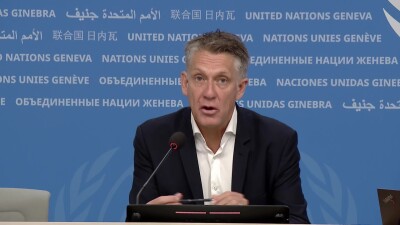
“قطاع غزة لا يزال أخطر مكان في العالم ليكون الطفل ويومًا بعد يوم تتعزز هذه الحقيقة القاسية”، قال جيمس إلدر، المتحدث باسم صندوق الأمم المتحدة للطفولة (اليونيسف)، في إفادة للصحفيين في الأمم المتحدة في جنيف. مشيراً إلى مجمع ناصر الطبي في خان يونس، جنوب غزة، قال السيد إلدر إن “خلال الـ 48 ساعة الماضية تم قصف أكبر مستشفى متبقي يعمل بكامل طاقته في غزة – مرتين.”
قال السيد إلدر إن المصابين لا يملكون الإمدادات الأساسية وأن الأطفال الذين يتعافون من عمليات البتر يُقتلون في الصراع المستمر.
كان يتحدث قبل اجتماع مقرر لمجلس الأمن الدولي للتصويت على قرار يدعو إلى وقف القتال في غزة لتسهيل تسليم المساعدات الإنسانية للمدنيين الفلسطينيين الذين يحتاجون إلى الطعام والماء والدواء.
أكد المتحدث باسم اليونيسف أنه لا توجد مناطق “آمنة” في غزة يمكن للأطفال وعائلاتهم اللجوء إليها للبحث عن الأمان.
“المناطق المسماة ‘آمنة’ تكون آمنة فقط عندما تكون خالية من القصف، ولكن عندما تتوفر فيها الشروط الأساسية من الطعام والماء والدواء والمأوى. ومع ذلك، في ظل الظروف الحالية المحاصرة، من المستحيل توفير الإمدادات الكافية لمثل هذه المناطق”، قال السيد إلدر. “إنها بقع صغيرة من الأرض القاحلة أو زوايا الشوارع في الأحياء، أو مباني مبنية بدون ماء، بدون مرافق، بدون مأوى من البرد والآن المطر وبالتأكيد بدون صرف صحي.”
اليوم في غزة يوجد حوالي مرحاض واحد لكل 700 طفل وعائلاتهم. يظل العاملون في المجال الإنساني قلقين بشكل متزايد بشأن ارتفاع الجوع في قطاع غزة، قائلين إن وفيات الأطفال بسبب الأمراض قد تتجاوز تلك التي قُتلت في القصف.
“سوء التغذية يرتفع أيضًا بين أطفال غزة. لذلك، فإن الأمراض مثل الإسهال تصبح الآن قاتلة.” أكد السيد إلدر أن “أكثر من 130,000 من أطفال غزة الأكثر ضعفًا، وهم الأطفال حديثي الولادة حتى سن سنتين، لا يحصلون على الرضاعة الطبيعية المنقذة للحياة أو التغذية التكميلية المناسبة لأعمارهم التي يحتاجونها بشدة. لذلك هذا هو السيناريو أيضًا بدون مياه آمنة كافية، طعام وصرف صحي، الذي يمكن أن يجلبه فقط وقف إطلاق النار الإنساني.”
وفقًا لوزارة الصحة في غزة، بين 7 أكتوبر و18 ديسمبر، قُتل ما لا يقل عن 19,453 فلسطينيًا في غزة. يُقال إن حوالي 70 في المائة من القتلى هم من النساء والأطفال. أصيب حوالي 52,286 فلسطينيًا، وفقًا لوزارة الصحة في القطاع. العديد من الأشخاص مفقودون، يُفترض أنهم مدفونون تحت الأنقاض، ينتظرون الإنقاذ أو الانتشال.
في بيان شديد اللهجة، قال السيد إلدر إنه “غاضب من أن أصحاب السلطة يتجاهلون الكوابيس الإنسانية التي تُطلق على مليون طفل. أنا غاضب من أن الأطفال الذين يتعافون من عمليات البتر في المستشفيات يُقتلون في تلك المستشفيات. أنا غاضب من أن هناك المزيد من الأطفال يختبئون في هذه اللحظة في مكان ما وسيُصابون بلا شك وسيخضعون لعمليات بتر في الأيام القادمة... أنا غاضب من أن من بين جميع الهجمات العبثية، الاعتراف الوحيد بالغباء هو استخدام القنابل الغبية. أنا غاضب من أن الأمراض مسلحة بشكل جيد مثل الأطراف المتحاربة. ولكن لا، لا تحصل على أي اهتمام.”
وفقًا لأحدث تقرير صادر عن مكتب الأمم المتحدة لتنسيق الشؤون الإنسانية (أوتشا)، في 18 ديسمبر، في الصباح الباكر، تعرض مستشفى الشفاء لضربة مرة أخرى، بما في ذلك بوابة المدخل ومبنى الجراحة. يُقال إن الضربات قتلت خمسة أشخاص، بما في ذلك الأطفال. حوالي الساعة 10:30 صباحًا، تعرض المستشفى لضربة مرة أخرى حيث كان النازحون داخليًا يحتمون، مما أسفر عن مقتل 26 فلسطينيًا وإصابة آخرين.
نقلاً عن زملائها الطبيين العاملين في غزة، قالت الدكتورة مارغريت هاريس، المتحدثة باسم وكالة الصحة التابعة للأمم المتحدة (منظمة الصحة العالمية)، إنهم “يتحدثون عن عدم القدرة حتى على المشي في مناطق الطوارئ خوفًا من الدوس على الناس. وعندما لا يدوسون على الناس، يدوسون على الدم. إنه مشهد لم يره أي من زملائي، جميعهم أشخاص ذوو خبرة في الطوارئ، أطباء، لم يروا شيئًا مثله. وما أسمعه في الاجتماعات هو، ‘ليس لدي كلمات. لقد نفدت الكلمات. لا أعرف كيف أصف حتى الرعب الذي أراه.’”
وصفت مسؤولة منظمة الصحة العالمية سماعها من زميل يروي كيف أن الناس “كانوا يرقدون على الأرض في ألم شديد، في عذاب، لكنهم لم يطلبوا تخفيف الألم. كانوا يطلبون الماء. إنه أمر لا يصدق أن العالم يسمح لهذا بالاستمرار.”
بينما استمرت الطائرات والمدفعية الإسرائيلية في قصف قطاع غزة في اليوم الرابع والسبعين من هجومها، كرر العاملون في المجال الإنساني بالأمم المتحدة دعواتهم إلى “وقف فوري ودائم لإطلاق النار الإنساني” باعتباره الطريقة الوحيدة لإنهاء قتل وإصابة الأطفال، ووفيات الأطفال بسبب الأمراض.
“أعتقد أن ما يجعل الأرقام الهائلة للأطفال الذين تعرضوا لعمليات بتر، الأرقام الهائلة للأطفال الذين تعرضوا لعمليات بتر ولم يتم إخبارهم بعد بأن والديهم أيضًا ماتوا في الهجوم، وبالطبع، أن كل طفل يتحمل هذه الأسابيع العشرة من الجحيم ولا يمكن لأي منهم الهروب،” قال السيد إلدر.
أفادت الدكتورة هاريس أن إيصال المساعدات إلى غزة يمثل تحديًا كبيرًا بالفعل، ولكن الوصول إلى المستشفيات داخل غزة أكثر صعوبة لأن المركبات لا يمكنها الوصول إلى الطرق المتضررة بشدة. لذلك، يتم نقل العديد من المرضى إما بواسطة أقاربهم أو بواسطة عربات تجرها الحمير.
“أعداد هائلة من الناس يعانون الآن من أمراض أخرى. أعداد هائلة من الناس يحتاجون إلى رعاية صحية أكثر بكثير مما كان مطلوبًا في الأوقات العادية ومع ذلك القليل جدًا يأتي عبر الحدود،” قالت. “ولكن حتى القليل يمكن أن يصل فعليًا إلى المستشفيات بسبب الأضرار الهائلة في البنية التحتية.”
-النهاية-
القصة: تحديث إنساني لغزة – اليونيسف، منظمة الصحة العالمية
المدة: 3:57”
المصدر: تلفزيون الأمم المتحدة جنيف
اللغة: الإنجليزية
نسبة العرض إلى الارتفاع: 16:9
تاريخ التصوير: 19 ديسمبر 2023 - جنيف، سويسرا
قائمة اللقطات
- لقطة واسعة خارجية: مبنى الأمم المتحدة مع علم الأمم المتحدة، جنيف.
- لقطة واسعة، غرفة الإحاطة الصحفية مع المنسق في الأمم المتحدة جنيف
- مقتطف صوتي (بالإنجليزية) – جيمس إلدر، المتحدث باسم اليونيسف: “قطاع غزة لا يزال أخطر مكان في العالم للأطفال، ويومًا بعد يوم تتعزز هذه الحقيقة الوحشية. خلال الـ 48 ساعة الماضية، تم قصف أكبر مستشفى متبقي يعمل بشكل كامل في غزة - مرتين.”
- لقطة متوسطة: غرفة الإحاطة الصحفية مع المتحدث على المنصة والصحفيين والمتحدث على الشاشات، الأمم المتحدة جنيف
- مقتطف صوتي (بالإنجليزية) – جيمس إلدر، المتحدث باسم اليونيسف: “ما يسمى بالمناطق الآمنة تكون آمنة فقط عندما تكون خالية من القصف، وعندما تتوفر فيها الشروط من طعام وماء ودواء ومأوى. ولكن، في ظل الظروف الحالية المحاصرة، من المستحيل توفير الإمدادات الكافية لهذه المناطق. لقد رأيت ذلك بنفسي. إنها بقع صغيرة من الأرض القاحلة أو زوايا الشوارع في الأحياء، أو مباني مبنية بدون ماء، بدون مرافق، بدون مأوى من البرد والآن المطر، وبالتأكيد بدون صرف صحي.”
- لقطة واسعة: غرفة الإحاطة الصحفية مع المتحدثين على المنصة والصحفيين، الأمم المتحدة جنيف
- مقتطف صوتي (بالإنجليزية) - جيمس إلدر، المتحدث باسم اليونيسف: “سوء التغذية يرتفع أيضًا بين أطفال غزة. لذلك، الأمراض مثل الإسهال تصبح الآن قاتلة. فكر في هذا: أكثر من 130,000 من أكثر أطفال غزة ضعفًا، وهم الأطفال حديثي الولادة حتى سن السنتين، لا يحصلون على الرضاعة الطبيعية المنقذة للحياة أو التغذية التكميلية المناسبة لأعمارهم التي يحتاجونها بشدة. هذا هو السيناريو أيضًا بدون ماء آمن كافٍ، طعام وصرف صحي، الذي يمكن أن يحققه فقط وقف إطلاق النار الإنساني. وفي ظل هذه الظروف، قد تتجاوز وفيات الأطفال بسبب الأمراض تلك التي قتلت في القصف.”
- لقطة متوسطة: الصحفيون يستمعون، الأمم المتحدة جنيف
- مقتطف صوتي (بالإنجليزية) - جيمس إلدر، المتحدث باسم اليونيسف: “أنا غاضب. أنا غاضب لأن أولئك الذين يملكون السلطة يتجاهلون الكوابيس الإنسانية التي تطلق على مليون طفل. أنا غاضب لأن الأطفال الذين يتعافون من بتر الأطراف في المستشفيات يُقتلون في تلك المستشفيات. أنا غاضب لأن هناك المزيد من الأطفال يختبئون الآن في مكان ما، ولا شك أنهم سيتعرضون للإصابة والبتر في الأيام القادمة. أنا غاضب لأن من بين جميع الهجمات العبثية، الاعتراف الوحيد بالغباء هو استخدام القنابل الغبية. أنا غاضب لأن المرض مسلح بشكل جيد مثل الأطراف المتحاربة. ولكن لا، لا يحصل على أي اهتمام.”
- لقطة متوسطة: فريق التصوير مع زملاء تلفزيون الأمم المتحدة، الأمم المتحدة جنيف
- مقتطف صوتي (بالإنجليزية) – مارغريت هاريس، المتحدثة باسم منظمة الصحة العالمية: “يتحدثون عن عدم القدرة على السير في مناطق الطوارئ خوفًا من الدوس على الناس. وعندما لا يدوسون على الناس، يدوسون على الدم. إنه مشهد لم يره أي من زملائي، جميعهم أطباء ذوو خبرة في الطوارئ، لم يروا شيئًا مثله من قبل. وما أسمعه في الاجتماعات هو ‘ليس لدي كلمات. لقد نفدت الكلمات. لا أعرف كيف أصف الرعب الذي أراه’.”
- لقطة واسعة: المتحدثون على المنصة، الأمم المتحدة جنيف
- مقتطف صوتي (بالإنجليزية) – مارغريت هاريس، المتحدثة باسم منظمة الصحة العالمية: “أحد زملائي وصف الناس الذين يرقدون على الأرض في ألم شديد، في عذاب، لكنهم لم يطلبوا تخفيف الألم. كانوا يطلبون الماء. إنه أمر لا يصدق أن العالم يسمح باستمرار هذا.”
- لقطة قريبة: صحفي يشاهد الهاتف المحمول، الأمم المتحدة جنيف
- مقتطف صوتي (بالإنجليزية) - جيمس إلدر، المتحدث باسم اليونيسف: “أعتقد أن هذا ما يجعل الأمر يتجاوز الأعداد الكبيرة للأطفال الذين تعرضوا للبتر، الأعداد الكبيرة للأطفال الذين لم يتم إخبارهم بعد بأن والديهم ماتوا أيضًا في الهجوم، وبالطبع، أن كل طفل يتحمل هذه الأسابيع العشرة من الجحيم ولا يمكن لأي منهم الهروب.”
- لقطة متوسطة: الصحفيون يستمعون
- مقتطف صوتي (بالإنجليزية) – مارغريت هاريس، المتحدثة باسم منظمة الصحة العالمية: “أعداد كبيرة من الناس مرضى الآن من أمراض أخرى. أعداد كبيرة من الناس يحتاجون إلى رعاية صحية أكثر بكثير مما كان مطلوبًا في الأوقات العادية، ومع ذلك فإن القليل جدًا يأتي عبر الحدود. ولكن حتى القليل الذي يأتي لا يمكن أن يصل إلى المستشفيات بسبب الأضرار الهائلة في البنية التحتية.”
- لقطة قريبة: صحفي يشاهد شاشة الكمبيوتر المحمول، الأمم المتحدة جنيف
- لقطة قريبة: المتحدث يشاهد الهاتف المحمول، الأمم المتحدة جنيف
Similar Stories

1
1
1
Edited News | UNICEF , IFRC
Six weeks after Nepal’s deadly flooding disaster, communities are still struggling to rebuild their lives, but they will need sustained help as global warming increases the risk of another Himalayan catastrophe, the UN Children’s Fund (UNICEF) said on Friday.

1
1
1
Edited News | WHO
In suspected Russia plague death, testing and monitoring underway – WHO
The death of a lab worker in Russia’s Siberia region has sparked concerns about plague being the cause, the UN World Health Organization (WHO) said on Tuesday, adding that it was following the situation closely.

1
1
Edited News | OHCHR , UNOG
UN Human Rights Chief Volker Türk on Friday provided and oral update to the 63rd session of the Human rights Council on Ukraine.

1
1
1
Edited News | OHCHR , UNOG
UN Human Rights Chief Volker Türk on Friday provided and oral update to the 63rd session of the Human rights Council on the human rights situation in Haiti.

1
1
1
Edited News | WHO
Repeated delays in bringing lifesaving medicines, prosthetics and more from Israel into Gaza risk having devastating consequences on Palestinians who urgently need them in the wartorn enclave, the UN World Health Organization (WHO) said on Friday. “A truck full of non-priority supplies or the right supplies arriving too late, doesn't save lives. That's the question that actually matters," said Dr Reinhilde Van De Weerdt, WHO Representative in the OPT.

1
1
1
Edited News | WHO
DRC: Early access to care and oxygen decisive for Ebola patients’ survival – WHO
In the Democratic Republic of the Congo (DRC), health workers fighting the country’s largest-ever Ebola outbreak are struggling to overcome critical challenges to patient care, the UN World Health Organization (WHO) warned on Tuesday.

1
1
1
Edited News | OCHA , UN
Civilians in Iran are continuing to feel the consequences of months of conflict and military escalation, the UN’s top official in the country has said, as loss of life, damage to civilian infrastructure and mounting economic pressures leave many facing continued uncertainty.
1
1
1
Edited News | WHO , UNICEF
Aid agencies in Yemen highlighted the growing hunger emergency sparked by renewed fighting between Houthi opposition forces and Government troops, after mobile health clinics reported that hundreds of children displaced by the violence are suffering from the most deadly form of malnutrition.
1
1
1
Edited News | UNHCR
Displacement on the rise in Yemen as fighting continues - UNHCR
As hostilities worsen in Yemen, more people have been fleeing their homes, further intensifying the humanitarian crisis within the region, the UN Refugee Agency (UNHCR) warned on Tuesday.
1
1
1
Edited News | IOM , OHCHR , UNFPA , UNOG , UNHCR , WHO
Yemen’s humanitarian crisis growing by the hour amid spike in displacement
Yemenis displaced by renewed fighting have described fleeing for their lives amid shelling and gunfire, aid agencies reported on Friday, while highlighting the dramatic increase in humanitarian needs in the country and in Djibouti, where thousands have sought shelter.
1
1
1
Edited News | OHCHR , UNOG
The UN Human Rights Office issued on Friday a report documenting a shocking pattern of sexual violence amid Russia’s full-scale armed attack on Ukraine.
2
1
2
Edited News , Press Conferences | WMO
As world’s water reserves change, countries must prepare for a new reality: WMO
New data showing that rivers were at their lowest level for decades last year provides further evidence that the climate crisis is real and countries must act immediately to protect themselves from the increasing threat to communities and livelihoods, the UN World Meteorological Organization (WMO) said on Thursday.
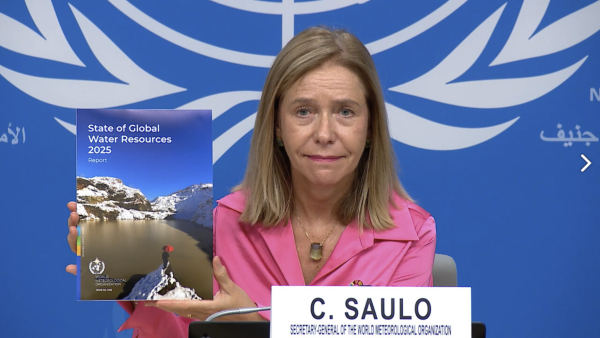
The key findings from WMO’s State of Global Water Resources 2025 report covering the hydrological cycle and extreme events in the five-year period to last year:
- 2025 was one of driest years for river discharge in 35 years
- Past seven years have seen abnorfmal river flows
- Water storage on Earth’s land surface has decreased in past decade
- Widespread glacier loss across all regions for fourth consecutive year
- Asia and Africa are regions most affected by water-related disasters
- Water data availability has improved, but gaps remain in hard-hit areas
Highlighting the long-term decline in the Earth’s freshwater storage and glacier melt, WMO Secretary-General Celeste Saulo explained that the planet’s water reserves used to act as a planetary “savings account” that absorbed the occasional dry season, avoiding a water crisis. “One of the central stories of the 2025 report is what is happening to that savings account? And the simple answer is that we are depleting it,” she told journalists in Geneva.
Groundwater reserves are equally stretched and have been in decline since 2014, WMO’s report states, with nearly two-thirds of monitored wells worldwide showing levels lower than the historical norm and indicating a shift “further toward deficit…not recovery”.
“At the same time, we are seeing more water-related disasters,” Ms. Saulo said, while also stressing that the currently strengthening El Niño “will increase the risk of drought in some areas, and flooding in others”.
Glaciers disappearing
In 2025, for the fourth consecutive year, every major glaciated region on Earth lost ice mass, leading to short-term hazards including floods and long-term water insecurity, according to WMO.
Responding to a question about whether the changing global water cycle might have contributed to the deadly Nepal-China flooding disaster, Ms. Saulo explained that melting ice and rock was just one factor in the chain of events that ultimately sent a massive and deadly wall of water and debris downstream on 26 August, killing at least 1,367 people.
“You asked if it could happen again? Absolutely; the problem in this region is that there’s 63,700 glaciers at the last count,” she told a Press Conference in Geneva. “Even if you’re looking with remote sensing with satellites at these glaciers, you might see some faults, you might see some slight shifting, that does not mean necessarily catastrophic collapse. So, in order to plan for this, it’s very, very difficult. But the international community is looking very hard at ways in which we can bring people together to solve some of these monitoring issues.”
Data indicates that glaciers shrank between 2023 and 2025 with cumulative losses of 1,400 gigatonnes of water – or about one third of annual fresh water needs.
Every major glacier region on Earth lost ice for the fourth consecutive year.
“All 19 glacier regions around the globe lost ice; in Central Asia, Iceland, the Russian Arctic and western Canada and the United States, it was among the three worst years on record,” said Wayne Jenkinson, WMO’s Director of Hydrology and Cryosphere.
Some regions with smaller glaciers such as Central Europe, the Caucasus, the western Canada and the United States may already have reached “peak water”, Mr. Jenkinson warned.
“After this point, the glacier gives less meltwater each year simply because there is less ice left to melt. That matters for every community downstream that relies on water during hot, dry summers,” he explained.
Narelle van der Wel, WMO’s Head of Cryosphere Monitoring, Predictions and Services, stressed that while some further glacier loss is unavoidable, the eventual scale of the decline is not predetermined.
“Some glacier loss is inevitable, but total loss of glaciers is not yet inevitable,” she said, pointing to emissions reductions as central to limiting future losses.
Preparing for moving baselines
The report does not attribute every observed change to climate change alone. WMO says pressure on water resources and natural variability also contribute.
Mr. Jenkinson said governments need to prepare for “moving baselines” as historical patterns become less reliable.
“The situation 30 years ago is not where we are today,” he said. Countries, he added, need to prepare “for those changes that have really already arrived”.
ends