

The United Nations Office at Geneva
Multimedia Newsroom
Edited News | OHCHR , UNOG
تقرير الأمم المتحدة حول حقوق الإنسان من إعداد رافينا شامداساني حول غزة. 1 ديسمبر 2023
“استئناف العنف في غزة كارثي. أحث جميع الأطراف والدول التي لديها تأثير عليها على مضاعفة الجهود، على الفور، لضمان وقف لإطلاق النار - من منطلق إنساني وحقوق الإنسان،” قال شامداساني.
“التصريحات الأخيرة من القادة السياسيين والعسكريين الإسرائيليين التي تشير إلى أنهم يخططون لتوسيع وتكثيف الهجوم العسكري مقلقة للغاية،”قالت.
منذ 7 أكتوبر، تم قتل آلاف الفلسطينيين في غزة، وفقًا لوزارة الصحة في غزة. يواجه الآخرون الآن نفس المصير. يواجه آخرون خطر النزوح القسري إلى أجزاء من غزة مكتظة بالسكان بالفعل وغير صحية.
“الوضع تجاوز نقطة الأزمة،” قالت.
بموجب القانون الإنساني الدولي، تُطالب إسرائيل بصفتها القوة القائمة بالاحتلال بضمان تلبية الاحتياجات الأساسية للسكان في غزة، مثل الطعام والماء والرعاية الطبية.
“نذكر جميع الأطراف بواجبها بالسماح بمرور المساعدات الإنسانية بسرعة وبدون عوائق للمدنيين المحتاجين في جميع أنحاء غزة،” قالت شامداساني.
“يجب أن يكون الطريق إلى الأمام من خلال وقف فوري للعنف، والإفراج السريع وغير المشروط عن جميع الرهائن المتبقين، ووقف إطلاق الصواريخ التي لا تميز واستخدام الأسلحة المتفجرة ذات التأثيرات الواسعة في المناطق المأهولة، وتقديم المساعدات الإنسانية متناسبة مع الحاجة الهائلة والوصول السريع دون عوائق، ووقف ممارسات الاحتجاز التعسفي من قبل إسرائيل، واتخاذ خطوات ملموسة لتجنب المزيد من الكوارث، مستندة إلى احترام وحماية كاملة لحقوق الإنسان للفلسطينيين والإسرائيليين،” قال المتحدث.
النهاية
لمزيد من المعلومات وطلبات وسائل الإعلام، يرجى الاتصال:
في جنيف
رافينا شامداساني - + 41 22 917 9169 / ravina.shamdasani@un.org or
جيريمي لورانس + +41 22 917 9383 / jeremy.laurence@un.org or
مارتا هورتادو - + 41 22 917 9466 / marta.hurtadogomez@un.org
في نيروبي
سيف ماجانجو - +254 788 343 897 / seif.magango@un.org
وسم وشارك
تويتر @UNHumanRights
Facebook unitednationshumanrights
Instagram @unitednationshumanrights
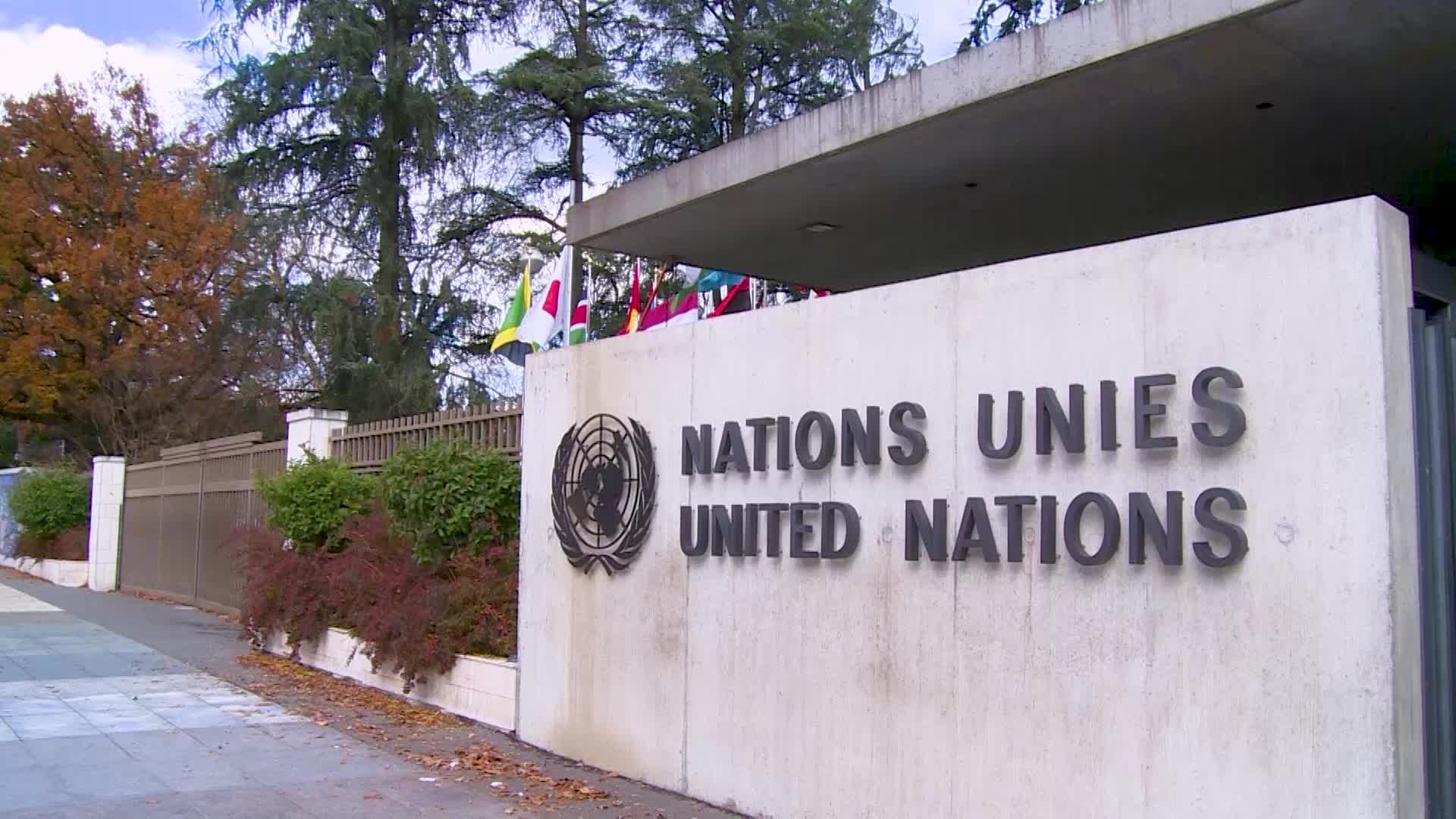
- لقطة خارجية: قصر الأمم، جنيف.
- لقطة واسعة: غرفة الإحاطة
- مقتطف صوتي (بالإنجليزية)— رافينا شامداساني، المتحدثة باسم حقوق الإنسان في الأمم المتحدة: ““يجب أن أكرر بصوت عالٍ وواضح ما أكده زملاؤنا في غزة للتو. يجب أن تتوقف القنابل. مرة أخرى يعيش المدنيون كابوساً، ومرة أخرى نتلقى تقارير عن قصف في شمال غزة، في وسط غزة. تقارير عن منشورات يتم إسقاطها على خان يونس تخبر المدنيين بالفرار.”
- لقطات متفرقة: غرفة الإحاطة
- مقتطف صوتي (بالإنجليزية)— رافينا شامداساني، المتحدثة باسم حقوق الإنسان في الأمم المتحدة: “استئناف الأعمال العدائية في غزة كارثي. أحث جميع الأطراف والدول ذات النفوذ عليها على مضاعفة الجهود فوراً لضمان وقف إطلاق النار – لأسباب إنسانية وحقوقية.”
- لقطات متفرقة: غرفة الإحاطة
- مقتطف صوتي (بالإنجليزية)— رافينا شامداساني، المتحدثة باسم حقوق الإنسان في الأمم المتحدة: “التعليقات الأخيرة للقادة السياسيين والعسكريين الإسرائيليين التي تشير إلى أنهم يخططون لتوسيع وتكثيف الهجوم العسكري مقلقة للغاية.”
- لقطات متفرقة: غرفة الإحاطة
- مقتطف صوتي (بالإنجليزية)— رافينا شامداساني، المتحدثة باسم حقوق الإنسان في الأمم المتحدة: “الوضع تجاوز نقطة الأزمة.”
- لقطات متفرقة: غرفة الإحاطة
- مقتطف صوتي (بالإنجليزية)— رافينا شامداساني، المتحدثة باسم حقوق الإنسان في الأمم المتحدة: “نذكر جميع الأطراف بواجبهم في السماح وتسهيل المرور السريع وغير المعاق للمساعدات الإنسانية للمدنيين المحتاجين في جميع أنحاء غزة.”
- لقطات متفرقة: غرفة الإحاطة
- مقتطف صوتي (بالإنجليزية)— رافينا شامداساني، المتحدثة باسم حقوق الإنسان في الأمم المتحدة: “الطريق إلى الأمام يجب أن يكون من خلال وقف فوري للعنف، الإفراج الفوري وغير المشروط عن جميع الرهائن المتبقين، وقف إطلاق الصواريخ العشوائية واستخدام الأسلحة المتفجرة ذات التأثير الواسع في المناطق المأهولة بالسكان، المساعدات الإنسانية التي تتناسب مع الحاجة الهائلة والوصول السريع وغير المعاق، إنهاء ممارسات الاعتقال التعسفي من قبل إسرائيل، وخطوات ملموسة لتجنب المزيد من الكوارث، على أساس الاحترام الكامل وحماية حقوق الإنسان للفلسطينيين والإسرائيليين”
Similar Stories

1
1
1
Edited News | OCHA , UNICEF , WFP
Aid agencies warned on Friday of the fast-developing humanitarian emergency inside Taiz City in Yemen, which has been encircled by de facto Houthi forces fighting government troops along the country’s west coast.

2
17
1
2
Edited News , Press Conferences , Images | OCHA , WMO
Two UN agencies teamed up on Wednesday to issue an appeal for immediate assistance to help communities already being impacted by the strongest El Niño on record.

3
16
2
2
Edited News , B-roll , Conferences , Images | UNITED NATIONS , UNOG
Sixth Consultative Meeting on Enhancing Coordination of Peace Initiatives and Efforts for Sudan

1
1
1
Edited News | UNICEF , WHO , UNHCR
Yemen war continues to force families from homes amid hunger and disease
More than 250,000 people have now fled renewed fighting in Yemen, the UN said on Tuesday, citing particular concern for those sheltering in the southwestern city of Taiz and the wider governorate, where access is “essentially blocked”.

1
1
1
Edited News | UNICEF
A little over one year since a ceasefire agreement was announced between Hamas fighters and Israel, more than 340 children have been reported killed and hundreds more injured, the UN Children’s Fund, UNICEF, said on Friday.

1
1
1
Edited News | UNICEF , IFRC
Six weeks after Nepal’s deadly flooding disaster, communities are still struggling to rebuild their lives, but they will need sustained help as global warming increases the risk of another Himalayan catastrophe, the UN Children’s Fund (UNICEF) said on Friday.

1
1
1
Edited News | WHO
In suspected Russia plague death, testing and monitoring underway – WHO
The death of a lab worker in Russia’s Siberia region has sparked concerns about plague being the cause, the UN World Health Organization (WHO) said on Tuesday, adding that it was following the situation closely.

1
1
Edited News | OHCHR , UNOG
UN Human Rights Chief Volker Türk on Friday provided and oral update to the 63rd session of the Human rights Council on Ukraine.

1
1
1
Edited News | OHCHR , UNOG
UN Human Rights Chief Volker Türk on Friday provided and oral update to the 63rd session of the Human rights Council on the human rights situation in Haiti.

1
1
1
Edited News | WHO
Repeated delays in bringing lifesaving medicines, prosthetics and more from Israel into Gaza risk having devastating consequences on Palestinians who urgently need them in the wartorn enclave, the UN World Health Organization (WHO) said on Friday. “A truck full of non-priority supplies or the right supplies arriving too late, doesn't save lives. That's the question that actually matters," said Dr Reinhilde Van De Weerdt, WHO Representative in the OPT.

1
1
1
Edited News | WHO
DRC: Early access to care and oxygen decisive for Ebola patients’ survival – WHO
In the Democratic Republic of the Congo (DRC), health workers fighting the country’s largest-ever Ebola outbreak are struggling to overcome critical challenges to patient care, the UN World Health Organization (WHO) warned on Tuesday.

1
1
1
Edited News | OCHA , UN
Civilians in Iran are continuing to feel the consequences of months of conflict and military escalation, the UN’s top official in the country has said, as loss of life, damage to civilian infrastructure and mounting economic pressures leave many facing continued uncertainty.