

The United Nations Office at Geneva
Multimedia Newsroom
Edited News | OHCHR , UNOG
La porte-parole de l'ONU pour les droits de l'homme, Martha Hurthado, s'exprime sur les attaques de drones au Soudan
“Une augmentation marquée de l'utilisation de drones pour mener des frappes aériennes cette année au Soudan souligne l'impact dévastateur des armes de haute technologie et relativement bon marché dans les zones peuplées. Selon les informations reçues, plus de 500 civils ont été tués dans de telles frappes du 1er janvier au 15 mars,” a-t-elle déclaré.
La grande majorité de ces décès de civils ont été documentés dans trois États de la région du Kordofan. Au cours des deux premières semaines de mars seulement, les informations reçues montrent que plus de 277 civils ont été tués, dont plus des trois quarts dans des frappes de drones. De telles attaques meurtrières ont continué la semaine dernière, alors que le mois sacré du Ramadan touchait à sa fin.
“Lors de l'attaque la plus meurtrière, le 20 mars, le premier jour de l'Aïd al-Fitr, des frappes aériennes et de drones ont touché l'hôpital universitaire d'El Daein dans l'État du Darfour oriental, tuant au moins 64 personnes, dont sept femmes et 13 enfants. Un médecin a été tué et huit travailleurs de la santé figuraient parmi les au moins 89 blessés dans l'attaque dans une zone contrôlée par les Forces de soutien rapide. L'hôpital, y compris ses unités d'urgence, de maternité et pédiatriques, est totalement hors service - limitant encore plus l'accès désespérément nécessaire de nombreux habitants de la région au droit à la santé,” a déclaré Hurtado aux journalistes lors du point de presse bi-hebdomadaire de l'ONU à Genève.
“Le même jour à Ad Dabbah dans l'État du Nord - une zone contrôlée par les Forces armées soudanaises - des attaques de drones ont touché des infrastructures civiles, y compris une sous-station électrique et également une école d'ingénieurs. Six personnes auraient été tuées, et l'électricité a été complètement coupée dans la localité,” a-t-elle déclaré.
Dans la soirée du 21 mars, d'autres frappes de drones sur un convoi de véhicules de transport commercial à El Daein auraient tué 23 personnes, dont des femmes et des enfants. À Al Dabbah, d'autres frappes de drones semblent avoir été interceptées.
“L'élargissement des attaques de drones se répand au-delà des frontières du Soudan, avec un risque sérieux d'escalade supplémentaire ayant des conséquences régionales. Il y a eu des frappes de drones sur la ville de Tina et Tiné à la frontière entre le Soudan et le Tchad après des offensives terrestres antérieures par les RSF,” a déclaré le porte-parole. “Le 16 mars, environ 20 personnes ont été tuées, dont des civils, et 60 autres blessées, lors d'une offensive terrestre des RSF à Tina, au Soudan. Et le 18 mars, une attaque de drone a frappé Tiné, au Tchad, tuant au moins 24 civils et blessant environ 70 autres.”
“Les schémas continus de telles attaques frappant des civils et détruisant des infrastructures civiles soulèvent de sérieuses préoccupations quant au respect des principes fondamentaux du droit humanitaire international de distinction, de proportionnalité et de précaution, et peuvent constituer des crimes de guerre,” a déclaré Hurtado.
“Le Bureau des droits de l'homme de l'ONU continue de documenter les attaques sur les marchés, les infrastructures énergétiques et hydrauliques et les établissements de santé. Les établissements de santé et les travailleurs de la santé sont spécifiquement protégés contre les attaques,” a-t-elle déclaré.
Le Bureau des droits de l'homme exhorte tous les États, en particulier ceux ayant de l'influence, à faire tout leur possible pour mettre fin aux transferts d'armes qui alimentent le conflit et sont utilisés en mépris manifeste de l'obligation de protéger les civils en conflit. Les parties à ce conflit sont rappelées à leurs obligations contraignantes de protéger les civils. Il est nécessaire de renouveler les efforts diplomatiques en vue d'un cessez-le-feu urgent pour mettre fin au conflit.
Pour plus d'informations et demandes de presse, veuillez contacter :
À Genève:
Marta Hurtado: +41 22 917 9466 / marta.hurtadogomez@un.org
Ravina Shamdasani: +41 22 917 9169 / ravina.shamdasani@un.org
Jeremy Laurence: +41 22 917 9383 / jeremy.laurence@un.org
Taguez et partagez - X: @UNHumanRights et Facebook: unitednationshumanrights
HISTOIRE : Orateur des Droits de l'Homme de l'ONU Marta Hurtado sur l'impact mortel des frappes de drones au Soudan
TRT : 03:09
SOURCE : OHCHR /UNOG
RESTRICTIONS : AUCUNE
LANGUE : Anglais/NATS
FORMAT D'IMAGE : 16:9
DATELINE : 24 février 2026 GENÈVE, SUISSE. Archives OHCHR - Barrage de Merowe, État du Nord, Soudan (voir les dates dans la liste de plans).
LISTE DE PLANS
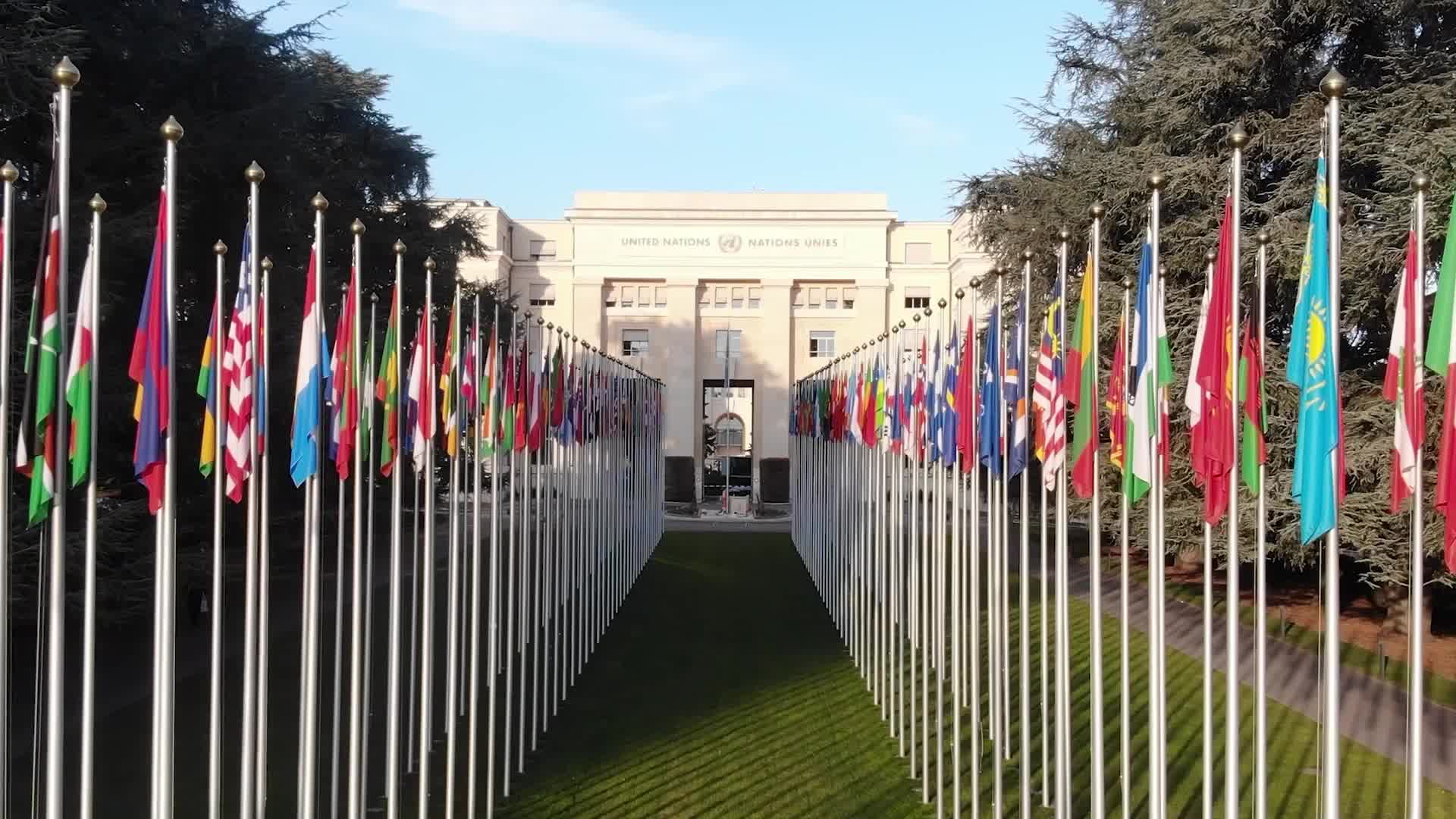
- Plan extérieur : Palais des Nations
- Plans intérieurs : salle de briefing
- EXTRAIT SONORE (Anglais)—Marta Hurtado, Orateur pour le Bureau du Haut-Commissaire des Nations Unies aux droits de l'homme (OHCHR) : “Une forte augmentation de l'utilisation de drones pour mener des frappes aériennes cette année au Soudan souligne l'impact dévastateur des armes de haute technologie et relativement bon marché dans les zones peuplées. Selon les informations reçues, plus de 500 civils ont été tués dans ces frappes du 1er janvier au 15 mars.”
- Plans de coupe : HC Volker Türk en mission au Soudan au Barrage de Merowe, État du Nord Soudan 16/01/2026 OHCHR. Plans de restes de drones au barrage.
- EXTRAIT SONORE (Anglais)—Marta Hurtado, Orateur pour le Bureau du Haut-Commissaire des Nations Unies aux droits de l'homme (OHCHR) : “Dans l'attaque la plus meurtrière, le 20 mars, le premier jour de l'Aïd al-Fitr, des frappes aériennes et de drones ont touché l'hôpital universitaire d'El Daein dans l'État du Darfour oriental, tuant au moins 64 personnes, dont sept femmes et 13 enfants. Un médecin a été tué et huit travailleurs de la santé figuraient parmi les au moins 89 blessés dans l'attaque dans une zone contrôlée par les Forces de soutien rapide. L'hôpital, y compris ses unités d'urgence, de maternité et de pédiatrie, est entièrement hors service – limitant encore plus l'accès désespérément nécessaire de nombreux habitants de la région au droit à la santé.”
- Plans de coupe : Plans de restes de drones au barrage. Transformateur électrique brûlé. Barrage de Merowe, État du Nord, Soudan. 16/01/2026 OHCHR
- EXTRAIT SONORE (Anglais)—Marta Hurtado, Orateur pour le Bureau du Haut-Commissaire des Nations Unies aux droits de l'homme (OHCHR) : “Le même jour à Ad Dabbah dans l'État du Nord -- une zone contrôlée par les Forces armées soudanaises -- des attaques de drones ont impacté les infrastructures civiles, y compris une sous-station électrique et également une école d'ingénieurs. Six personnes auraient été tuées, et l'électricité complètement coupée dans la localité.”
- Plans de coupe : Barrage de Merowe, État du Nord 16/01/2026 OHCHR
- EXTRAIT SONORE (Anglais)—Marta Hurtado, Orateur pour le Bureau du Haut-Commissaire des Nations Unies aux droits de l'homme (OHCHR) : “Les attaques de drones qui s'élargissent débordent les frontières du Soudan, avec un risque sérieux d'escalade supplémentaire ayant des conséquences régionales. Il y a eu des frappes de drones sur la ville de Tina et Tiné à la frontière entre le Soudan et le Tchad après des offensives terrestres antérieures par les RSF. Le 16 mars, environ 20 personnes ont été tuées, y compris des civils, et 60 autres blessées, lors d'une offensive terrestre des RSF sur Tina, Soudan. Et le 18 mars, une attaque de drone a frappé Tiné, Tchad, tuant au moins 24 civils et en blessant environ 70 autres.”
- Plans de coupe : salle de briefing
- EXTRAIT SONORE (Anglais)—Marta Hurtado, Orateur pour le Bureau du Haut-Commissaire des Nations Unies aux droits de l'homme (OHCHR) : “Les schémas continus de telles attaques frappant des civils et détruisant des infrastructures civiles soulèvent de sérieuses préoccupations quant au respect des principes fondamentaux du droit humanitaire international de distinction, de proportionnalité et de précaution, et peuvent constituer des crimes de guerre.”
- Plans de coupe : salle de briefing
- EXTRAIT SONORE (Anglais)—Marta Hurtado, Orateur pour le Bureau du Haut-Commissaire des Nations Unies aux droits de l'homme (OHCHR) : “Le Bureau des droits de l'homme de l'ONU continue de documenter les attaques sur les marchés, les infrastructures énergétiques et hydrauliques et les établissements de santé. Les établissements de santé et les travailleurs de la santé sont spécifiquement protégés contre les attaques.”
Similar Stories

1
1
1
Edited News | UNICEF
A little over one year since a ceasefire agreement was announced between Hamas fighters and Israel, more than 340 children have been reported killed and hundreds more injured, the UN Children’s Fund, UNICEF, said on Friday.

1
1
1
Edited News | UNICEF , IFRC
Six weeks after Nepal’s deadly flooding disaster, communities are still struggling to rebuild their lives, but they will need sustained help as global warming increases the risk of another Himalayan catastrophe, the UN Children’s Fund (UNICEF) said on Friday.

1
1
1
Edited News | WHO
In suspected Russia plague death, testing and monitoring underway – WHO
The death of a lab worker in Russia’s Siberia region has sparked concerns about plague being the cause, the UN World Health Organization (WHO) said on Tuesday, adding that it was following the situation closely.

1
1
Edited News | OHCHR , UNOG
UN Human Rights Chief Volker Türk on Friday provided and oral update to the 63rd session of the Human rights Council on Ukraine.

1
1
1
Edited News | OHCHR , UNOG
UN Human Rights Chief Volker Türk on Friday provided and oral update to the 63rd session of the Human rights Council on the human rights situation in Haiti.

1
1
1
Edited News | WHO
Repeated delays in bringing lifesaving medicines, prosthetics and more from Israel into Gaza risk having devastating consequences on Palestinians who urgently need them in the wartorn enclave, the UN World Health Organization (WHO) said on Friday. “A truck full of non-priority supplies or the right supplies arriving too late, doesn't save lives. That's the question that actually matters," said Dr Reinhilde Van De Weerdt, WHO Representative in the OPT.

1
1
1
Edited News | WHO
DRC: Early access to care and oxygen decisive for Ebola patients’ survival – WHO
In the Democratic Republic of the Congo (DRC), health workers fighting the country’s largest-ever Ebola outbreak are struggling to overcome critical challenges to patient care, the UN World Health Organization (WHO) warned on Tuesday.

1
1
1
Edited News | OCHA , UN
Civilians in Iran are continuing to feel the consequences of months of conflict and military escalation, the UN’s top official in the country has said, as loss of life, damage to civilian infrastructure and mounting economic pressures leave many facing continued uncertainty.

1
1
1
Edited News | WHO , UNICEF
Aid agencies in Yemen highlighted the growing hunger emergency sparked by renewed fighting between Houthi opposition forces and Government troops, after mobile health clinics reported that hundreds of children displaced by the violence are suffering from the most deadly form of malnutrition.
1
1
1
Edited News | UNHCR
Displacement on the rise in Yemen as fighting continues - UNHCR
As hostilities worsen in Yemen, more people have been fleeing their homes, further intensifying the humanitarian crisis within the region, the UN Refugee Agency (UNHCR) warned on Tuesday.
1
1
1
Edited News | IOM , OHCHR , UNFPA , UNOG , UNHCR , WHO
Yemen’s humanitarian crisis growing by the hour amid spike in displacement
Yemenis displaced by renewed fighting have described fleeing for their lives amid shelling and gunfire, aid agencies reported on Friday, while highlighting the dramatic increase in humanitarian needs in the country and in Djibouti, where thousands have sought shelter.
1
1
1
Edited News | OHCHR , UNOG
The UN Human Rights Office issued on Friday a report documenting a shocking pattern of sexual violence amid Russia’s full-scale armed attack on Ukraine.